


We Are Open 24 Hours a Day, 7 Days a Week, Including Weekends and Public Holidays.

Comprehensive Guide to FRP Type Materials Applications and Selection
Understanding FRP Type: A Comprehensive Guide
Fiber Reinforced Polymer (FRP) is a composite material gaining significant traction across various industries due to its exceptional strength-to-weight ratio, corrosion resistance, and design flexibility. This article will provide an in-depth overview of FRP types, their applications, benefits, and key considerations for selection. From construction and infrastructure to automotive and aerospace, understanding the nuances of FRP materials is crucial for engineers, designers, and procurement professionals. Choosing the right FRP type can drastically improve project outcomes and long-term performance.
What is FRP and Why is it Important?
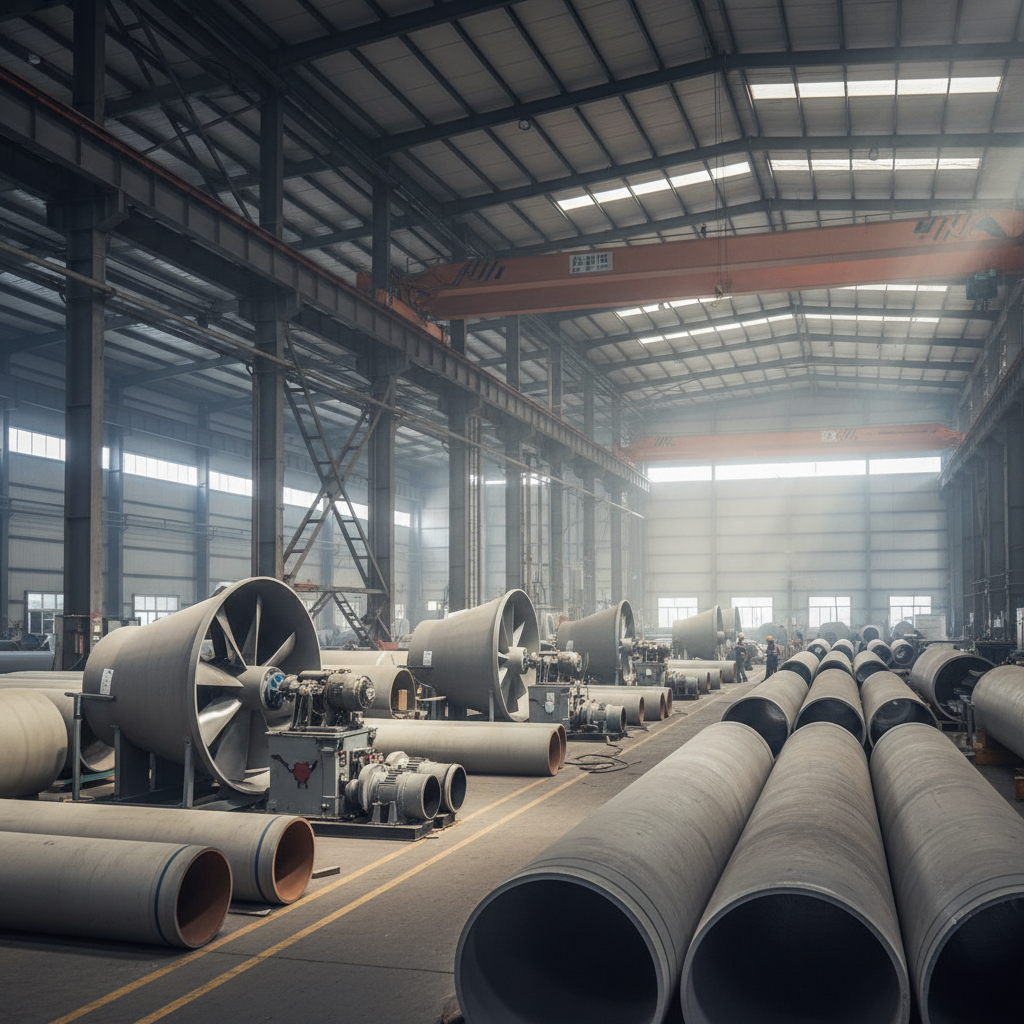
FRP comprises a polymer matrix reinforced with fibers. The polymer acts as the binder, holding the fibers together and distributing loads. Common polymer matrices include polyester, vinyl ester, and epoxy resins. The fibers provide the strength and stiffness, with materials like fiberglass, carbon fiber, and aramid fiber offering different performance characteristics. The resulting composite material exhibits exceptional properties, making it a superior alternative to traditional materials like steel and aluminum in many applications. These benefits include increased durability, reduced weight, and resistance to corrosion – translating into lower maintenance costs and extended service life.
Key Advantages of FRP: Lightweight, high strength, corrosion resistance, design flexibility, low maintenance.
Common FRP Types: A Detailed Overview
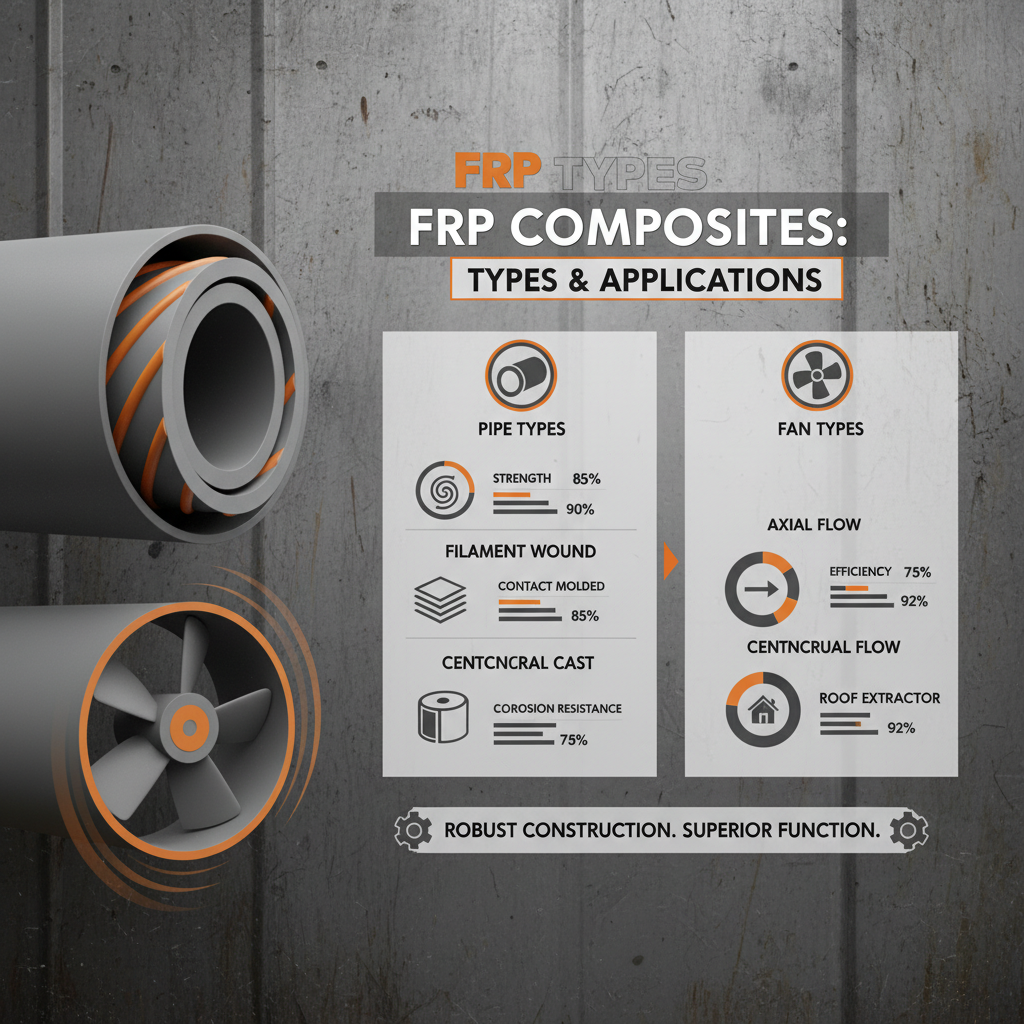
Several FRP types cater to different engineering requirements. The choice depends on factors like load-bearing capacity, environmental conditions, and cost constraints. Here’s a breakdown of some prevalent options:
FRP vs. Traditional Materials: A Comparative Analysis
Compared to steel and aluminum, FRP offers distinct advantages in specific applications. Steel is strong but susceptible to corrosion, requiring ongoing maintenance. Aluminum is lightweight but lacks the same strength as steel. FRP combines the best of both worlds, providing high strength-to-weight ratios and excellent corrosion resistance. While the initial cost of FRP can be higher, the long-term savings from reduced maintenance and extended lifespan often outweigh the upfront investment. Let's look at a comparison:
Material Comparison:
• Strength-to-Weight Ratio: FRP > Aluminum > Steel
• Corrosion Resistance: FRP > Aluminum > Steel
• Initial Cost: Steel > Aluminum > FRP (can vary)
• Maintenance Cost: FRP
Applications of Different FRP Types
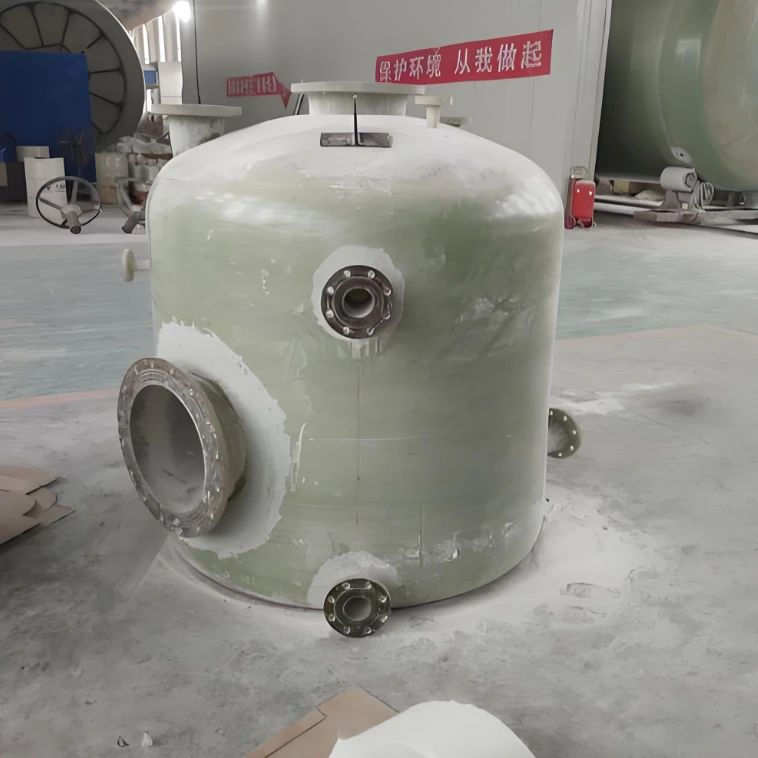
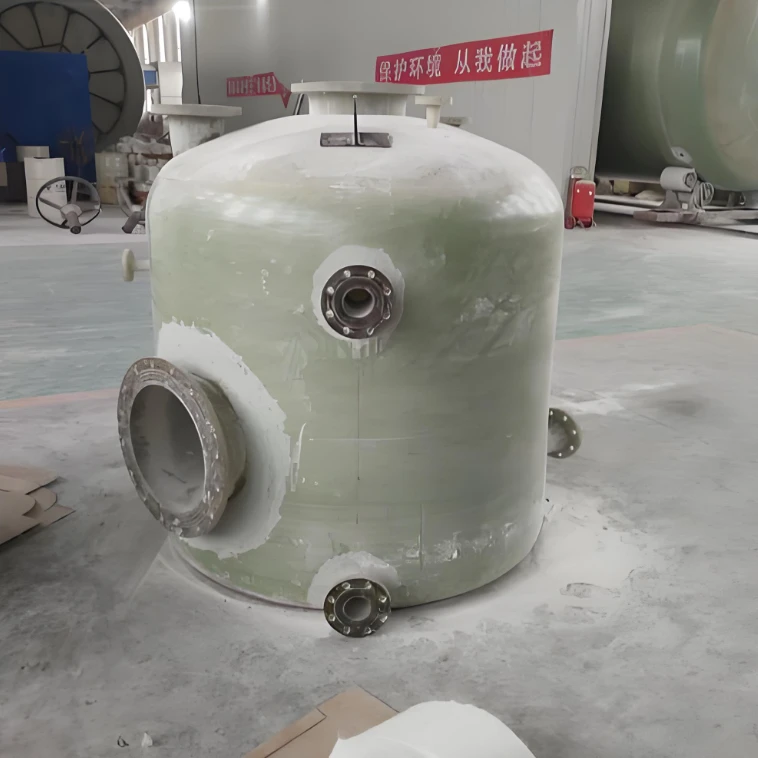
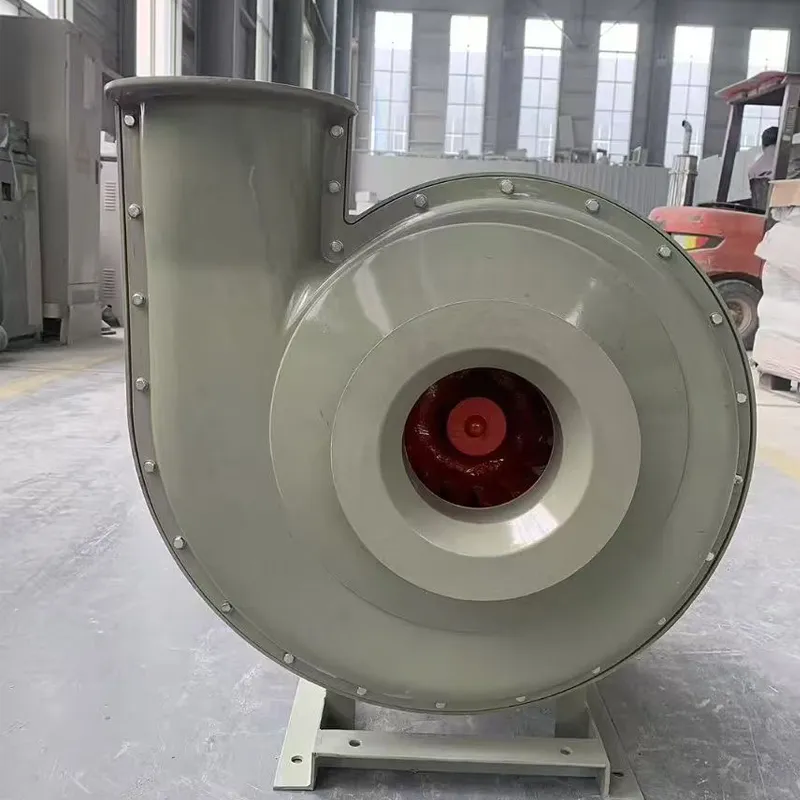
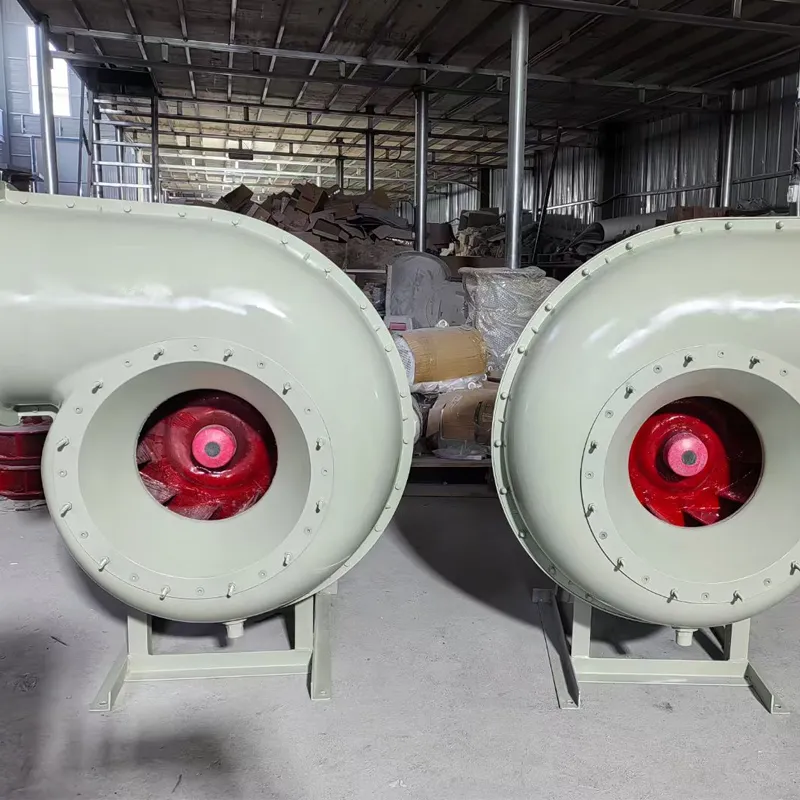
The diverse properties of FRP materials drive their adoption in a broad spectrum of industries. GFRP is commonly used in corrosion-resistant pipes and tanks for chemical processing. CFRP finds application in high-performance components requiring exceptional stiffness and strength, like aircraft wings and Formula 1 car chassis. AFRP excels in ballistic protection due to its high impact resistance and energy absorption capabilities. Each FRP type is engineered to meet specific performance demands.
Selecting the Right FRP Type: Key Considerations
Choosing the correct FRP type involves careful evaluation of several factors. First, define the required mechanical properties, including tensile strength, modulus of elasticity, and impact resistance. Next, assess the environmental conditions the material will be exposed to, such as temperature, humidity, and chemical exposure. Consider the manufacturing process and cost constraints. Finally, consult with experienced FRP specialists to ensure optimal material selection. HLFRP offers expert guidance in selecting the appropriate FRP solution for your specific needs.
Conclusion: Embracing the Future with FRP
FRP materials are revolutionizing industries with their unique combination of strength, durability, and corrosion resistance. By understanding the different FRP types and their applications, engineers and designers can unlock new possibilities for innovation and efficiency. Choosing the right material is crucial for maximizing performance and minimizing long-term costs. Embrace the future of materials – embrace FRP.
Frequently Asked Questions (FAQs)
What are the main differences between GFRP and CFRP?
GFRP (Glass Fiber Reinforced Polymer) is more affordable and offers good strength, making it suitable for general applications like tanks and pipes. However, it's heavier and less stiff than CFRP. CFRP (Carbon Fiber Reinforced Polymer) is significantly lighter and stiffer, offering superior performance in high-stress applications like aerospace components and automotive racing. The higher cost of carbon fiber is the primary drawback, limiting its use to applications where performance is critical. GFRP is typically chosen when cost-effectiveness is paramount, while CFRP is preferred for maximum strength and minimal weight.
Is FRP suitable for outdoor use?
Yes, many FRP types are excellent for outdoor applications due to their exceptional corrosion resistance and resistance to UV degradation. However, the specific resin matrix plays a crucial role. Vinyl ester and epoxy resins generally offer better UV resistance than polyester resins. UV stabilizers can also be added to the resin to further enhance its protection against sunlight. Proper surface coatings can also help to prolong the lifespan of FRP materials exposed to harsh weather conditions.
How is FRP manufactured?
FRP is manufactured using various processes, including hand lay-up, spray-up, resin transfer molding (RTM), vacuum infusion, and pultrusion. Hand lay-up is a manual process ideal for small-scale production. Spray-up is faster but results in lower fiber volume fraction. RTM and vacuum infusion offer higher quality and more consistent results. Pultrusion is used for continuous production of constant cross-section profiles. The chosen manufacturing process impacts the mechanical properties and cost of the finished product.
What are the environmental benefits of using FRP?
FRP offers several environmental advantages. Its lightweight nature reduces transportation costs and fuel consumption. Its corrosion resistance eliminates the need for protective coatings and reduces maintenance, minimizing the use of hazardous chemicals. The extended lifespan of FRP products reduces the demand for new materials, conserving resources. FRP is also recyclable, contributing to a circular economy.






Address
20 Xingyuan South Street, Zaoqiang County, Hengshui City, Hebei Province, China


