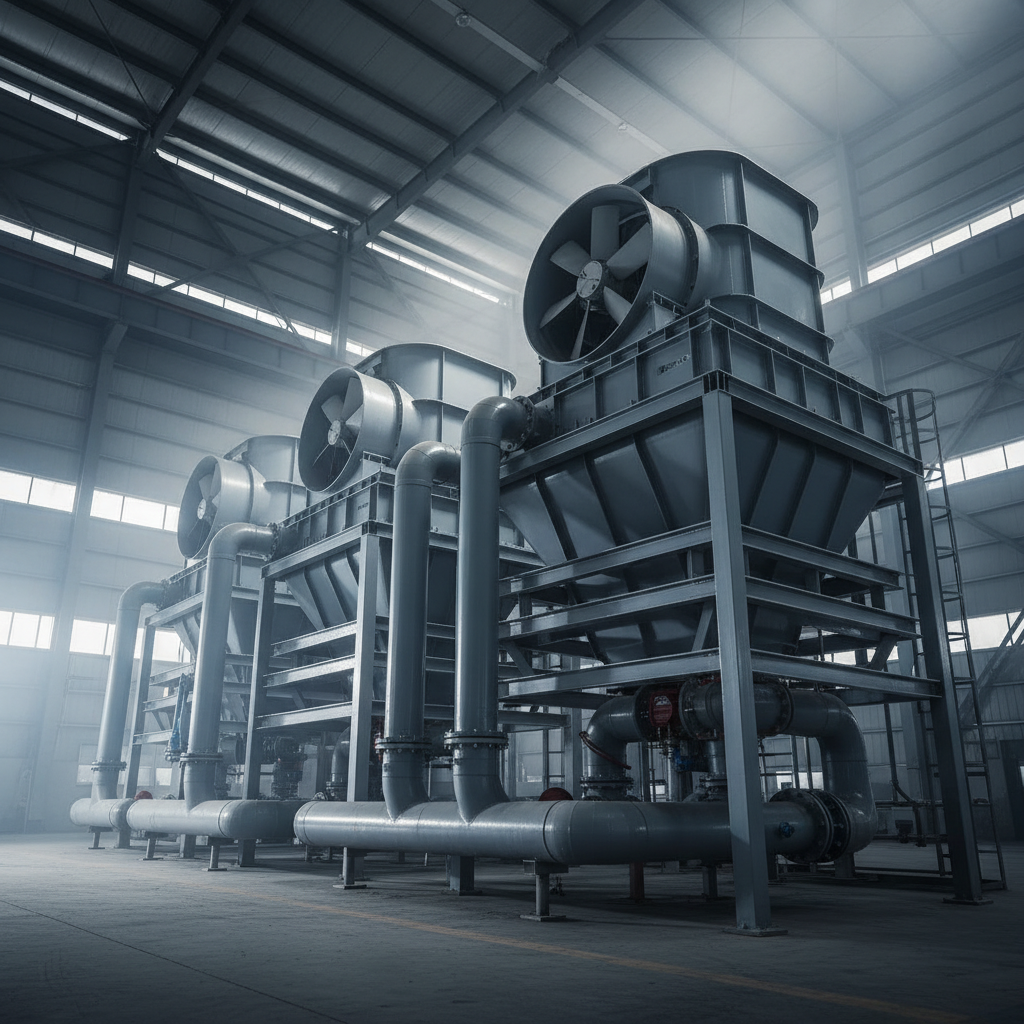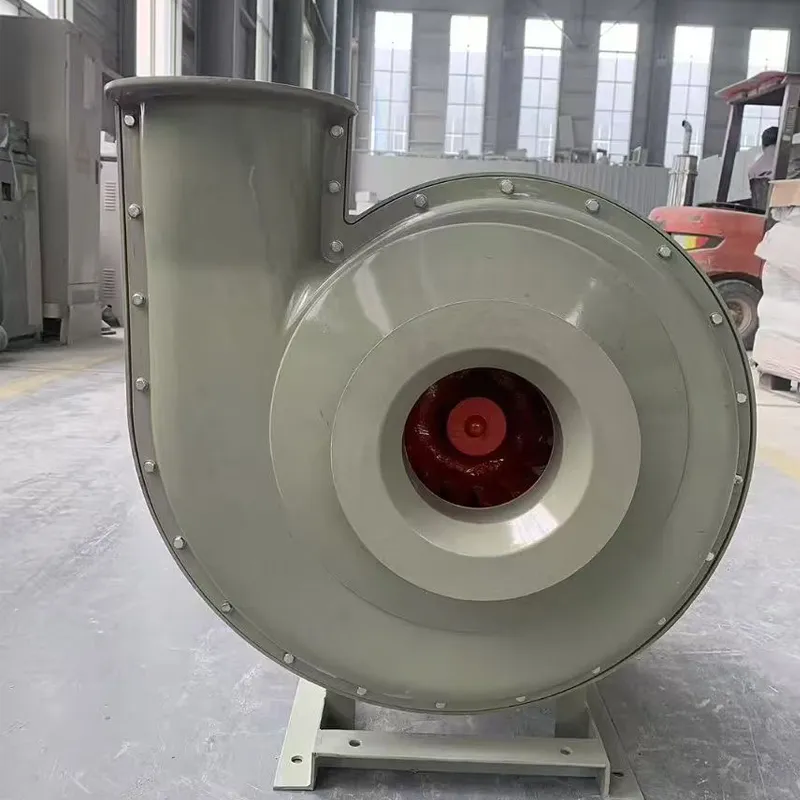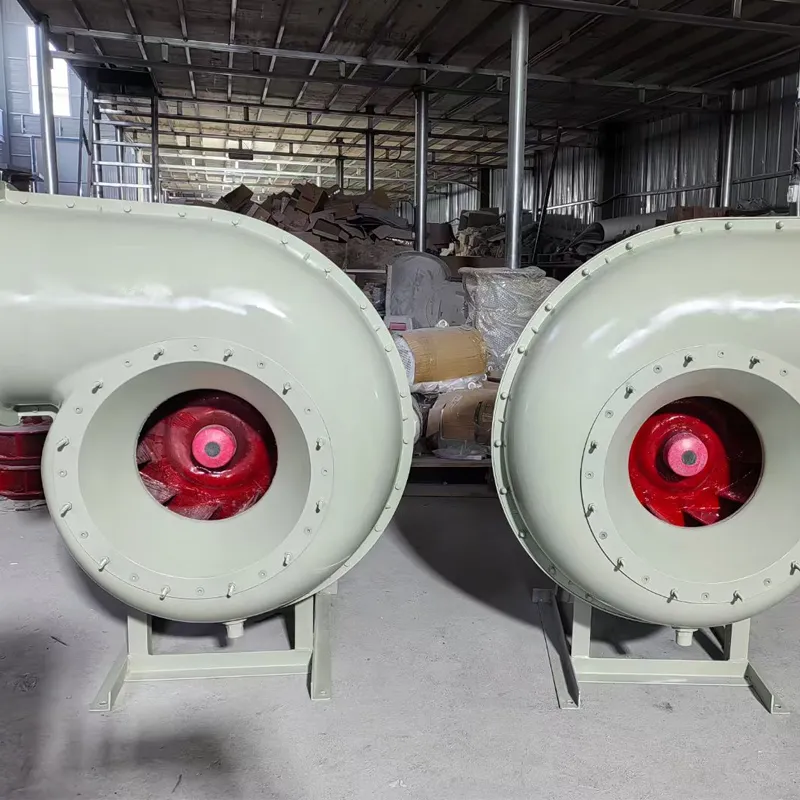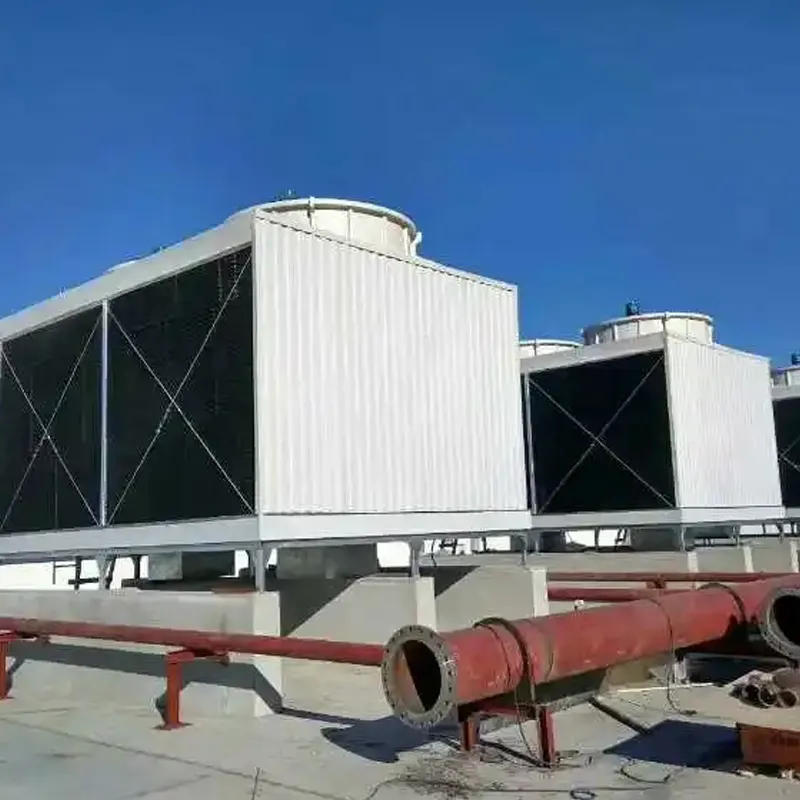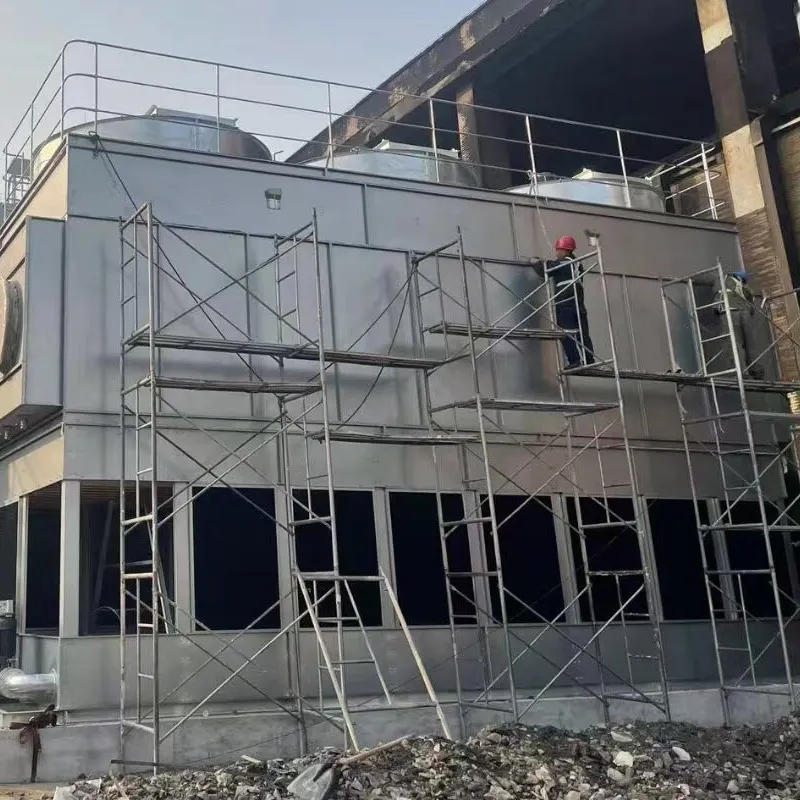
A cooling tower plays a critical role in industrial processes and HVAC systems by removing excess heat and maintaining stable operating temperatures. Among the most widely used types are open-circuit cooling towers و closed-circuit cooling towers. While both serve the same fundamental purpose—heat rejection—their working principles, efficiency, maintenance requirements, and applications differ significantly.
Understanding the difference between these two systems is essential for engineers, facility managers, and buyers who want to optimize performance, reduce operational costs, and extend equipment lifespan. In this guide, we’ll break down the key distinctions and help you determine which system is best suited for your needs.
What Is an Open-Circuit Cooling Tower?
ان open-circuit cooling tower (also known as a wet cooling tower) operates by directly exposing water to air in order to dissipate heat. In this system, warm water from the process is pumped to the top of the tower and distributed over fill media. As air flows through the tower, a small portion of the water evaporates, removing heat and cooling the remaining water.
The cooled water is then collected in a basin and recirculated back into the system.
Key characteristics of open-circuit cooling towers:
- Direct contact between water and air
- Evaporative cooling as the primary heat transfer method
- Lower initial investment cost
- Widely used in HVAC systems, power plants, and general industrial cooling
However, because the water is exposed to the environment, it is susceptible to contamination from dust, debris, bacteria, and algae. This often leads to scaling, fouling, and increased maintenance requirements.
What Is a Closed-Circuit Cooling Tower?
A closed-circuit cooling tower, also known as a fluid cooler, uses a heat exchanger (coil) to keep the process fluid isolated from the external environment. Instead of direct contact, the fluid circulates inside a sealed coil while water is sprayed over the outside of the coil to enhance heat transfer.
Air is drawn through the tower, causing a portion of the spray water to evaporate and remove heat from the coil, thereby cooling the internal fluid.
Key characteristics of closed-circuit cooling towers:
- Indirect cooling through a sealed coil
- Process fluid remains clean and contamination-free
- Combination of evaporative cooling and heat exchange
- Higher initial cost but lower long-term maintenance
This design is particularly beneficial for applications requiring high water quality, such as food processing, pharmaceuticals, data centers, and precision manufacturing.

Open vs Closed-Circuit Cooling Towers: Key Differences
When comparing open vs closed-circuit cooling towers, several critical factors should be considered:
1. Heat Transfer Method
Open-circuit systems rely on direct evaporation, while closed-circuit systems use indirect heat exchange through a coil. This makes closed systems more controlled and stable in performance.
2. Water Quality
Open towers expose water to contaminants, requiring continuous water treatment. Closed-circuit towers protect the internal fluid, significantly reducing contamination risks.
3. Maintenance Requirements
Open systems demand frequent cleaning, chemical dosing, and monitoring. Closed systems require less maintenance due to their sealed design, resulting in lower downtime.
4. Energy Efficiency
Closed-circuit cooling towers often maintain more consistent efficiency over time because they avoid scaling and fouling inside the heat exchange surfaces.
5. Initial vs Lifecycle Cost
Open cooling towers generally have lower upfront costs, making them attractive for budget-conscious projects. However, closed systems often provide better long-term value due to reduced maintenance and longer service life.
Advantages of Open-Circuit Cooling Towers
Despite their limitations, open cooling towers still offer several advantages that make them suitable for many applications:
- Lower initial capital investment
- Simpler design and easier installation
- Effective cooling for large-scale industrial operations
- Proven and widely adopted technology
They are ideal for applications where water quality is less critical and where regular maintenance can be managed effectively.
Advantages of Closed-Circuit Cooling Towers
Closed-circuit cooling towers offer a range of benefits that make them increasingly popular in modern systems:
- Superior protection of process fluid
- Reduced scaling, corrosion, and biological growth
- Lower maintenance and operational costs
- Longer equipment lifespan
- Better suitability for sensitive or high-value processes
These advantages make them especially valuable in industries where system reliability and cleanliness are top priorities.
Applications: Where Each System Works Best
Choosing between open and closed-circuit systems often depends on the specific application:
Open-Circuit Cooling Towers:
- Power generation plants
- Steel and heavy manufacturing industries
- HVAC systems for large buildings
- Applications with lower water quality sensitivity
Closed-Circuit Cooling Towers:
- Food and beverage processing
- Pharmaceutical manufacturing
- Data centers and electronics cooling
- مصانع المعالجة الكيميائية
- Facilities in corrosive or dusty environments
By matching the system type to the operational requirements, businesses can maximize efficiency and minimize long-term costs.
How to Choose Between Open and Closed-Circuit Cooling Towers
When deciding between the two systems, consider the following factors:
- Water quality requirements: If contamination is a concern, closed-circuit is the better choice
- Maintenance capacity: Limited maintenance resources favor closed systems
- Budget constraints: Open systems are more cost-effective upfront
- Operating environment: Harsh or corrosive environments benefit from closed-circuit designs
- Energy efficiency goals: Closed systems offer more stable long-term performance
A comprehensive evaluation of these factors will help ensure the most suitable selection for your project.
خاتمة
The difference between open and closed-circuit cooling tower systems lies in their design, performance, and long-term value. Open-circuit cooling towers offer simplicity and lower upfront costs, making them suitable for large-scale and less sensitive applications. In contrast, closed-circuit cooling towers provide enhanced protection, reduced maintenance, and improved efficiency, making them ideal for modern, high-performance systems.
As industries continue to prioritize sustainability, reliability, and operational efficiency, closed-circuit systems are becoming an increasingly preferred solution. However, the right choice ultimately depends on your specific application, budget, and performance requirements.
By understanding these key differences, you can make a more informed decision and ensure optimal cooling system performance for years to come.