


We Are Open 24 Hours a Day, 7 Days a Week, Including Weekends and Public Holidays.

Industrial Cooling Tower Tank Selection and Maintenance Guide
Optimizing Industrial Cooling: The Ultimate Guide to the Cooling Tower Tank
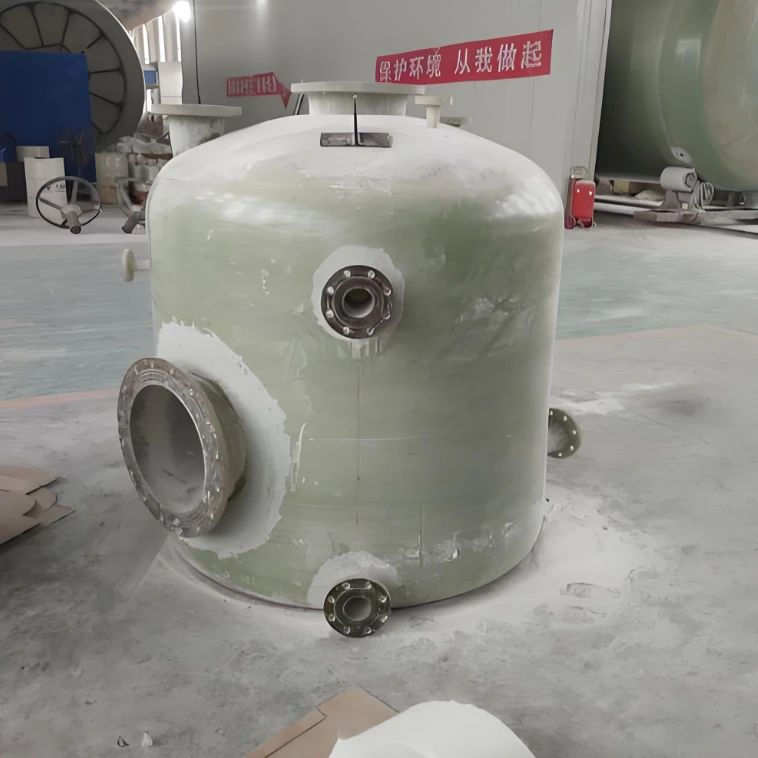
In the realm of industrial thermal management, the efficiency of your heat exchange system depends heavily on the integrity of your storage components. A high-quality cooling tower tank serves as the critical reservoir that ensures a steady flow of water, maintaining the balance between heat rejection and operational stability. Whether you are managing a chemical plant, a power station, or a large-scale HVAC system, selecting a tank that resists corrosion and withstands environmental stress is paramount. In this guide, we will explore the technical nuances, material advantages, and maintenance strategies required to maximize the lifespan of your cooling infrastructure.
The Critical Role of a Cooling Tower Tank in Thermal Systems
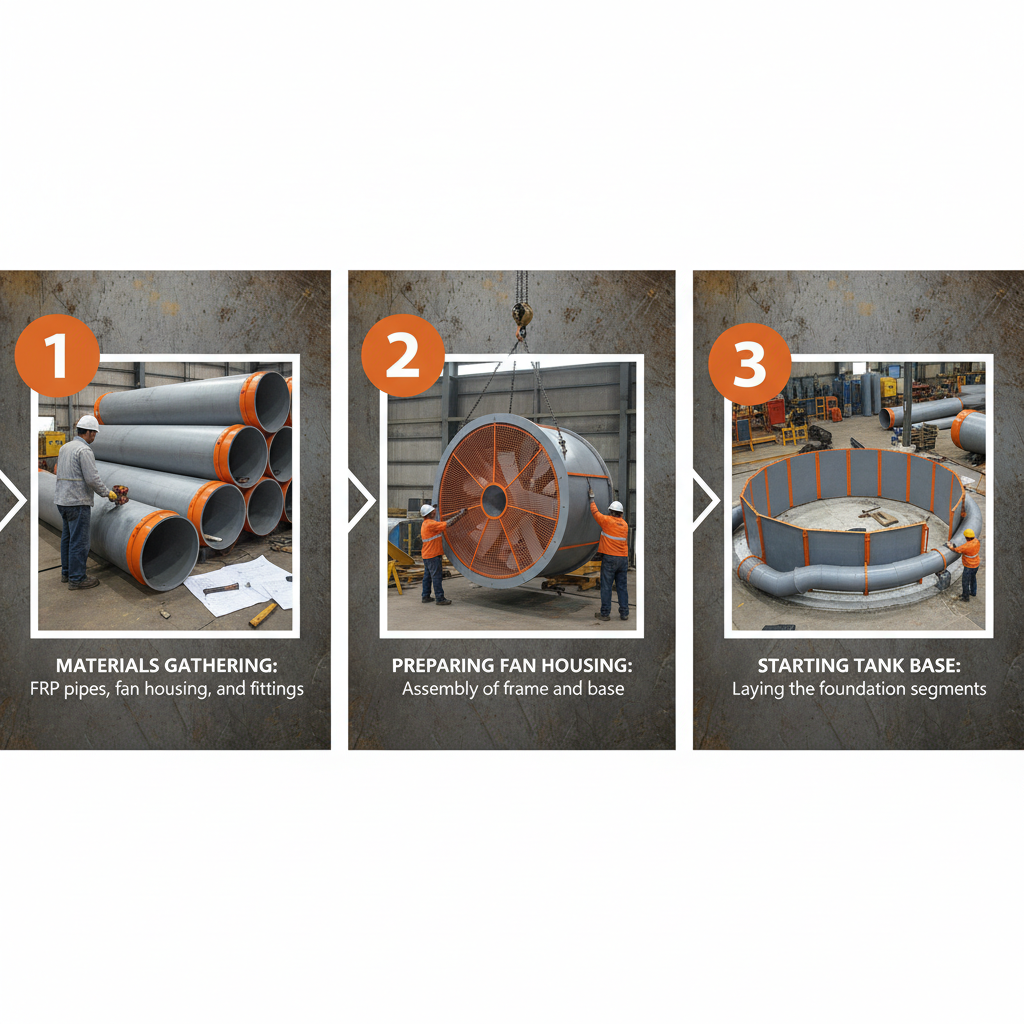
A cooling tower tank is far more than just a water container; it acts as a thermal buffer. By storing a significant volume of cooled water, the tank prevents sudden temperature spikes in the system, allowing the cooling tower to operate at a consistent rate. This stability is essential for protecting sensitive machinery from thermal shock and ensuring that the cooling process remains energy-efficient. Furthermore, these tanks often facilitate the removal of sediment and the introduction of water treatment chemicals, which prevents scaling and algae growth within the piping network.
Industry Insight: Proper tank sizing is crucial. An undersized tank can lead to frequent pump cycling, increasing wear and tear on the system and raising electricity costs due to inefficient operation.
Material Selection for Your Cooling Tower Tank
Selecting the right material is the most significant decision when investing in a cooling tower tank. Historically, concrete and steel were the standards, but they are prone to cracking and oxidation. Modern industries have shifted toward Fiber Reinforced Plastic (FRP) due to its exceptional strength-to-weight ratio and innate resistance to chemical corrosion. FRP tanks do not rust, meaning they require significantly less maintenance over a 20-year lifecycle compared to metallic alternatives. For environments involving saline water or aggressive chemical additives, FRP is the undisputed gold standard.
Why Choose FRP Materials?
• Corrosion Resistance: Immune to rust and most industrial acids.
• Lightweight: Easier to transport and install without heavy cranes.
• Longevity: Reduced degradation from UV exposure and weather.
• Customizable: Can be molded to specific geometric requirements.
Comparative Analysis: FRP vs. Steel Cooling Tower Tanks
When evaluating the cost-benefit ratio, it is important to look beyond the initial purchase price. While a steel cooling tower tank might seem affordable upfront, the long-term costs of painting, lining, and treating rust can be astronomical. FRP provides a "fit and forget" solution that maintains structural integrity even in humid, high-temperature environments. The following table highlights the stark differences in performance and maintenance between these two common materials.
Designing the Ideal Cooling Tower Tank Specification
When ordering a custom cooling tower tank, technical specifications must align with your specific load requirements. Key factors include the wall thickness (calculated based on hydrostatic pressure), the type of resin used (e.g., vinyl ester for chemical resistance), and the inclusion of reinforcement ribs to prevent bulging. A well-designed tank should also include integrated baffles to prevent vortex formation near the pump suction, which can lead to cavitation and pump failure.
Common Applications of Cooling Tower Tanks
The versatility of the cooling tower tank allows it to be deployed across various high-demand sectors. In the petrochemical industry, these tanks handle aggressive cooling fluids. In data centers, they are used to support massive chillers that keep servers from overheating. Additionally, in the food and beverage industry, hygiene-grade tanks ensure that cooling water is stored without contamination. Each of these applications requires a specific balance of volume, material grade, and filtration compatibility to ensure optimal system uptime.
Technical Specifications for Industrial Tanks
To provide a clear benchmark for procurement, it is helpful to look at the standard specifications for high-performance FRP cooling tower tanks. These specifications ensure that the tank can handle the mechanical stress of constant filling and emptying cycles while remaining impervious to the elements. Below is a typical specification table for a medium-to-large industrial unit.
Conclusion: Securing Your Cooling Future
Investing in a premium cooling tower tank is a strategic move toward operational efficiency and long-term cost reduction. By prioritizing corrosion-resistant materials like FRP and adhering to rigorous technical specifications, companies can eliminate the recurring headaches of rust and structural failure. Whether you are upgrading an existing plant or designing a new facility, the right tank ensures that your cooling system remains reliable, safe, and sustainable. Elevate your industrial standards today by choosing the right reservoir for your thermal needs.
Frequently Asked Questions (FAQs)
How do I determine the correct size for my cooling tower tank?
Determining the size of a cooling tower tank involves calculating the peak heat load of your system and the desired "dwell time" for the water. Generally, the tank should hold enough water to sustain the system during short-term pump failures or sudden spikes in temperature without causing the system to overheat. Engineers typically recommend a volume that can provide 30 to 60 minutes of operational buffer. It is also important to consider the footprint of your available space and the maximum height the ground slab can support. Consulting with experts at HLFRP can help you perform these calculations precisely.
Is an FRP cooling tower tank really better than a stainless steel one?
While stainless steel is highly durable, it is susceptible to pitting corrosion and stress-corrosion cracking, especially when exposed to chlorides or high-temperature chemicals. FRP is chemically inert to a much wider range of substances. Additionally, FRP is significantly more cost-effective for large volumes due to lower material costs and easier installation. From a lifecycle perspective, FRP typically offers a lower Total Cost of Ownership (TCO) because it eliminates the need for cathodic protection or periodic interior linings that stainless steel may eventually require.
What maintenance is required for a fiberglass cooling tower tank?
FRP tanks are remarkably low-maintenance, but they are not maintenance-free. We recommend a semi-annual inspection of the tank's exterior for any impact damage or "star cracks" caused by external force. The interior should be cleaned periodically to remove sludge or biological buildup, which can reduce the effective volume and impact water quality. Checking the seals on the inlet and outlet flanges is also critical to prevent leaks. Because FRP does not rust, you will never need to sandblast or repaint the tank, making the maintenance schedule far simpler than that of metallic tanks.
Can a cooling tower tank be repaired if it gets damaged?
Yes, one of the greatest advantages of FRP is its repairability. Unlike concrete, which can suffer from structural failure, or steel, which requires specialized welding, FRP can be repaired using "wet lay-up" techniques. This involves cleaning the damaged area, sanding it, and applying new layers of resin and glass fiber. Once cured, the repair is chemically bonded to the original structure, restoring its full strength and water-tightness. This means a minor accidental impact during plant maintenance doesn't require a full tank replacement, saving the company significant time and money.





Address
20 Xingyuan South Street, Zaoqiang County, Hengshui City, Hebei Province, China


