


نحن مفتوحون 24 ساعة في اليوم، 7 أيام في الأسبوع، بما في ذلك عطلات نهاية الأسبوع والعطلات الرسمية.


Centrifugal Fan vs Axial Fan
When it comes to industrial ventilation, HVAC systems, and air movement solutions, understanding the difference between centrifugal fan and axial fan is essential. Both fan types are widely used across industries, yet they operate on completely different principles and are suited for different applications. Choosing the right one can significantly impact energy efficiency, airflow performance, and system longevity.
In this guide, we’ll break down how each fan works, compare their advantages, and help you determine which is best for your needs.
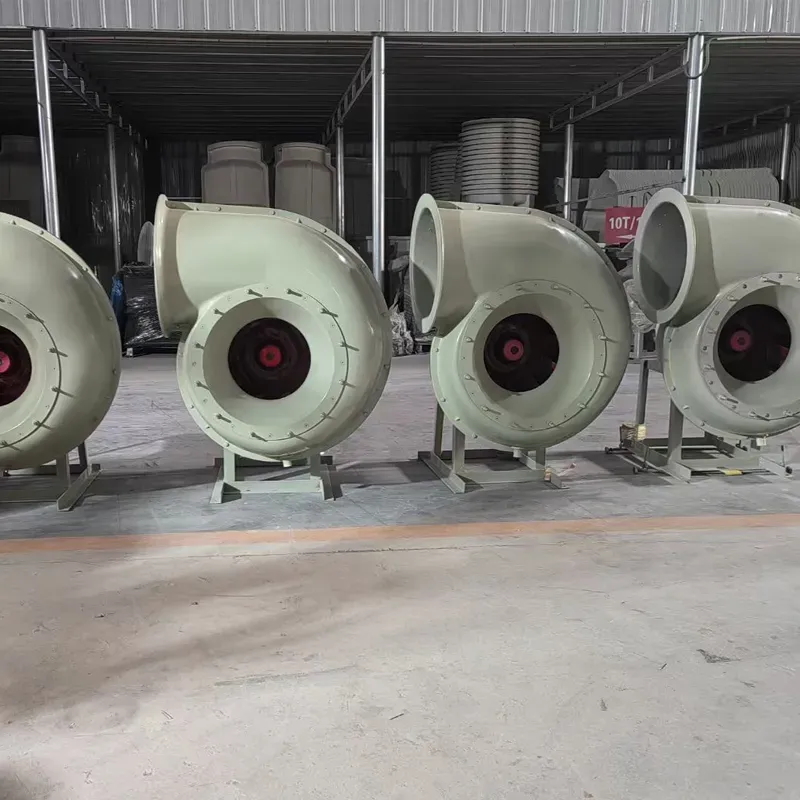
What Is a Centrifugal Fan and How Does It Work?
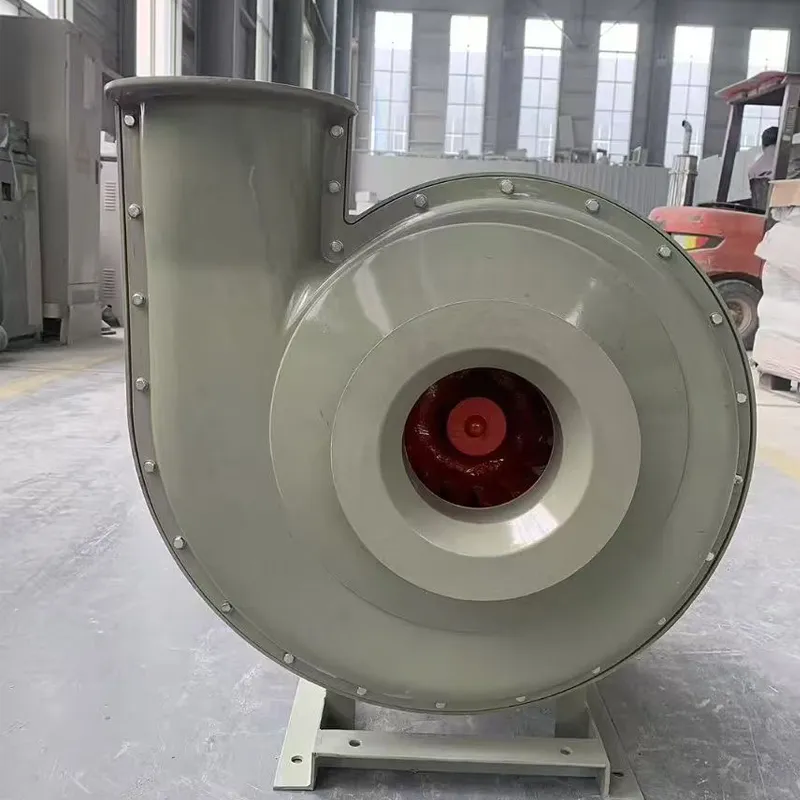
A centrifugal fan, also known as a blower, uses a rotating impeller to increase the velocity of air. Air enters the fan through the center (inlet) and is then pushed outward at a 90-degree angle through centrifugal force.
This design allows centrifugal fans to generate high pressure, making them ideal for systems that require air to move through ducts, filters, or other resistive environments.
Key Features:
- High static pressure capability
- Durable and robust construction
- Suitable for dusty, humid, or corrosive environments
- Available in various blade types (forward-curved, backward-curved, radial)
Common Applications:
- Industrial dust collection systems
- HVAC duct systems
- Boiler and furnace ventilation
- مصانع المعالجة الكيميائية
Centrifugal fans are often made from materials like FRP (Fiber Reinforced Plastic), especially in corrosive environments, ensuring long service life and reliable performance.
What Is an Axial Fan and How Does It Work?
ان مروحة محورية moves air parallel to the fan shaft, similar to how a propeller works. Air flows in and out in the same direction, making axial fans highly efficient for moving large volumes of air over short distances.
Unlike centrifugal fans, axial fans produce low pressure but high airflow, which makes them perfect for applications with minimal resistance.
Key Features:
- High airflow rate
- Energy-efficient for low-pressure systems
- Compact and lightweight design
- Simple installation and maintenance
Common Applications:
- Cooling systems (electronics, engines)
- Ventilation in warehouses and factories
- Air conditioning condensers
- Exhaust fans
Axial fans are widely used in scenarios where volume matters more than pressure.
Centrifugal Fan vs Axial Fan: Core Differences
Understanding the difference between centrifugal fan vs axial fan becomes easier when comparing their core characteristics:
1. Airflow Direction
- Centrifugal fan: Air changes direction (90 degrees)
- Axial fan: Air flows straight through
2. Pressure vs Air Volume
- Centrifugal fan: High pressure, lower airflow
- Axial fan: High airflow, low pressure
3. Efficiency in Different Systems
- Centrifugal fan: Better for ducted or high-resistance systems
- Axial fan: Ideal for open spaces or low-resistance environments
4. Installation and Space
- Centrifugal fan: Larger footprint, more complex installation
- Axial fan: Compact and easy to install
5. Noise Levels
- Centrifugal fan: Generally quieter in high-pressure systems
- Axial fan: Can be noisier at high speeds
Advantages of Centrifugal Fans
Centrifugal fans offer several benefits, particularly in industrial and heavy-duty applications:
- High durability: Designed to handle harsh conditions
- Stable airflow: Less affected by system pressure fluctuations
- Versatility: Suitable for a wide range of industrial uses
- Better filtration compatibility: Works well with dust collectors and scrubbers
These features make centrifugal fans the preferred choice for complex ventilation systems.
Advantages of Axial Fans
Axial fans excel in applications requiring efficient air movement:
- Energy efficiency: Lower power consumption in low-pressure setups
- High airflow capacity: Moves large volumes of air quickly
- Cost-effective: Generally less expensive than centrifugal fans
- Compact design: Ideal for tight spaces
For simple ventilation or cooling tasks, axial fans are often the most practical solution.
How to Choose Between Centrifugal Fan vs Axial Fan
Selecting the right fan depends on your specific application requirements. Here are the key factors to consider:
1. System Resistance
If your system includes ducts, filters, or bends, a centrifugal fan is the better choice due to its high pressure capabilities. For open environments, an مروحة محورية will suffice.
2. Airflow Requirements
- Need high airflow? Choose axial
- Need consistent pressure? Choose centrifugal
3. Installation Environment
For corrosive or high-temperature environments, centrifugal fans (especially FRP models) offer superior durability.
4. Energy Efficiency
Axial fans are more energy-efficient in low-resistance systems, while centrifugal fans are more efficient under high load conditions.
5. Budget Considerations
Axial fans are typically more affordable upfront, but centrifugal fans may provide better long-term value in demanding applications.
Centrifugal Fan vs Axial Fan in Industrial Applications
In real-world scenarios, both fan types often complement each other rather than compete.
- Manufacturing plants: Use centrifugal fans for dust extraction and axial fans for general ventilation
- HVAC systems: Combine both types for optimal airflow and pressure balance
- Power plants: Rely on centrifugal fans for combustion air and axial fans for cooling
Understanding their strengths allows engineers to design more efficient and reliable systems.
Conclusion: Which Fan Is Right for You?
The debate between centrifugal fan vs axial fan ultimately comes down to pressure vs airflow.
- Choose a centrifugal fan if you need high pressure, durability, and performance in complex systems
- Choose an مروحة محورية if you need high airflow, energy efficiency, and simple installation
By evaluating your system requirements carefully, you can select the right fan to maximize efficiency, reduce costs, and improve overall performance.








عنوان
20 Xingyuan South Street, Zaoqiang County, Hengshui City, Hebei Province, China


