


We Are Open 24 Hours a Day, 7 Days a Week, Including Weekends and Public Holidays.

Exploring the Diverse World of Types of Fiber Reinforced Polymer Materials
Types of Fiber Reinforced Polymer: A Comprehensive Guide
Fiber Reinforced Polymers (FRPs) are composite materials gaining prominence across industries due to their exceptional strength-to-weight ratio, corrosion resistance, and design flexibility. Understanding the different types of fiber reinforced polymer is crucial for selecting the optimal material for specific applications. This article provides a detailed overview of common FRP types, their properties, and their applications, helping you navigate the world of composite materials. Whether you're an engineer, designer, or simply curious about these advanced materials, this guide will offer valuable insights.
Understanding the Core Components of FRPs
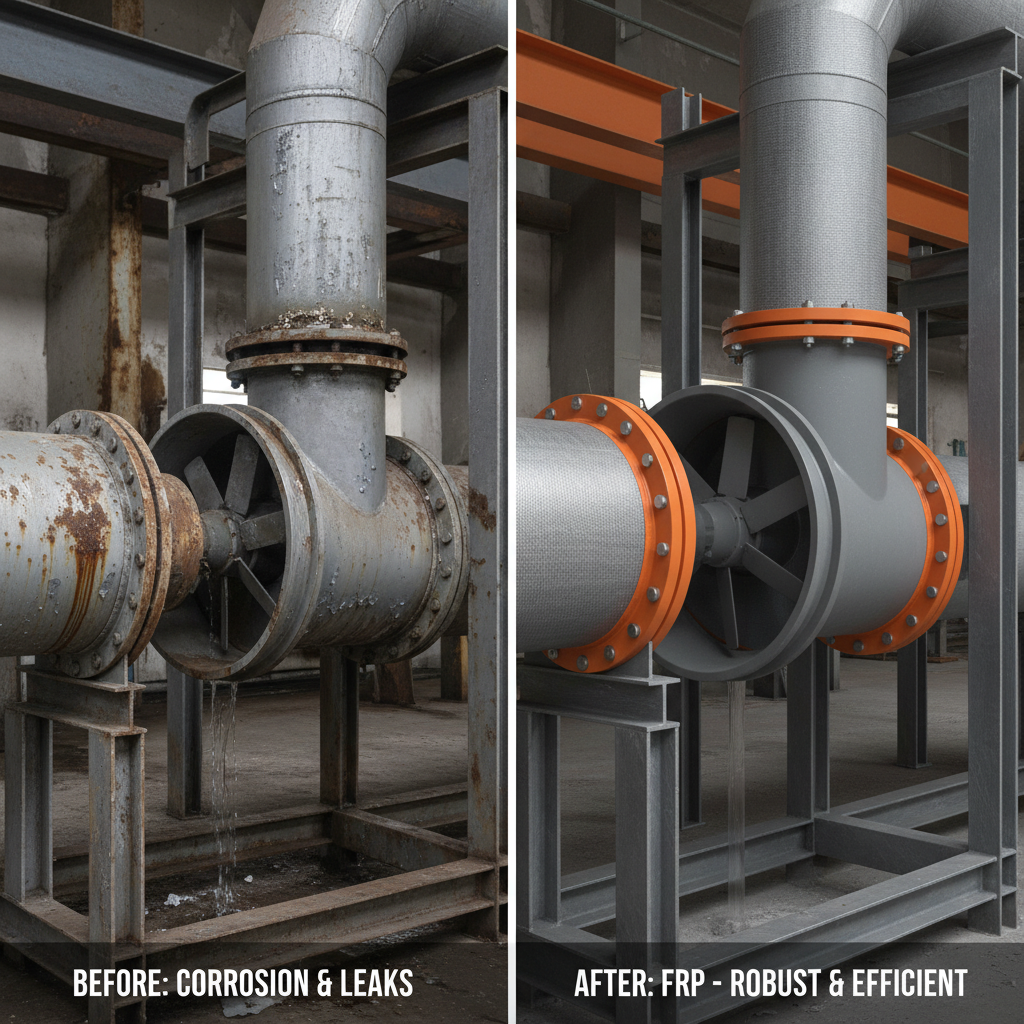
At their core, FRPs consist of two primary components: reinforcing fibers and a polymer matrix. The fibers provide strength and stiffness, while the polymer matrix binds the fibers together, distributes loads, and protects them from environmental damage. The type of fiber and polymer used significantly impacts the final properties of the FRP. The selection of these materials is driven by performance requirements, cost considerations, and the intended application. Understanding this interplay is key to maximizing the benefits of FRPs.
Common Types of Reinforcing Fibers
Several types of fibers are commonly used in FRPs, each offering unique advantages. Some of the most prevalent include:
- Glass Fiber: The most widely used fiber due to its relatively low cost and good tensile strength.
- Carbon Fiber: Known for its exceptional strength, stiffness, and lightweight properties. However, it is generally more expensive than glass fiber.
- Aramid Fiber (Kevlar): Exhibits high toughness and impact resistance, making it ideal for ballistic protection and applications requiring energy absorption.
- Basalt Fiber: A relatively new fiber offering a good balance of strength, stiffness, and cost, with improved sustainability compared to some other options.
Types of Fiber Reinforced Polymer Matrices
The polymer matrix plays a vital role in FRP performance. Common matrix types include:
- Polyester Resin: Cost-effective and widely used in various applications.
- Vinylester Resin: Offers improved corrosion resistance and mechanical properties compared to polyester resins.
- Epoxy Resin: Provides excellent strength, stiffness, and adhesion, making it suitable for high-performance applications.
- Phenolic Resin: Known for its excellent fire resistance and low smoke emission.
Comparing Key FRP Types: A Detailed Overview
Let's dive into a more detailed comparison of common FRP combinations. The following table outlines the key characteristics of each type:
Applications Across Industries
FRPs find application across a diverse range of industries. Here are some notable examples:
- Aerospace: CFRPs are used extensively in aircraft structures due to their lightweight and high strength.
- Automotive: FRPs are utilized in body panels, chassis components, and interior parts to reduce weight and improve fuel efficiency.
- Construction: GFRP rebar, structural profiles, and panels offer corrosion resistance and durability in infrastructure projects.
- Marine: FRPs are ideal for boat hulls, decks, and other marine components due to their resistance to saltwater corrosion.
- Energy: Wind turbine blades commonly employ FRPs to maximize energy capture and withstand harsh weather conditions.
Conclusion: Selecting the Right FRP for Your Needs
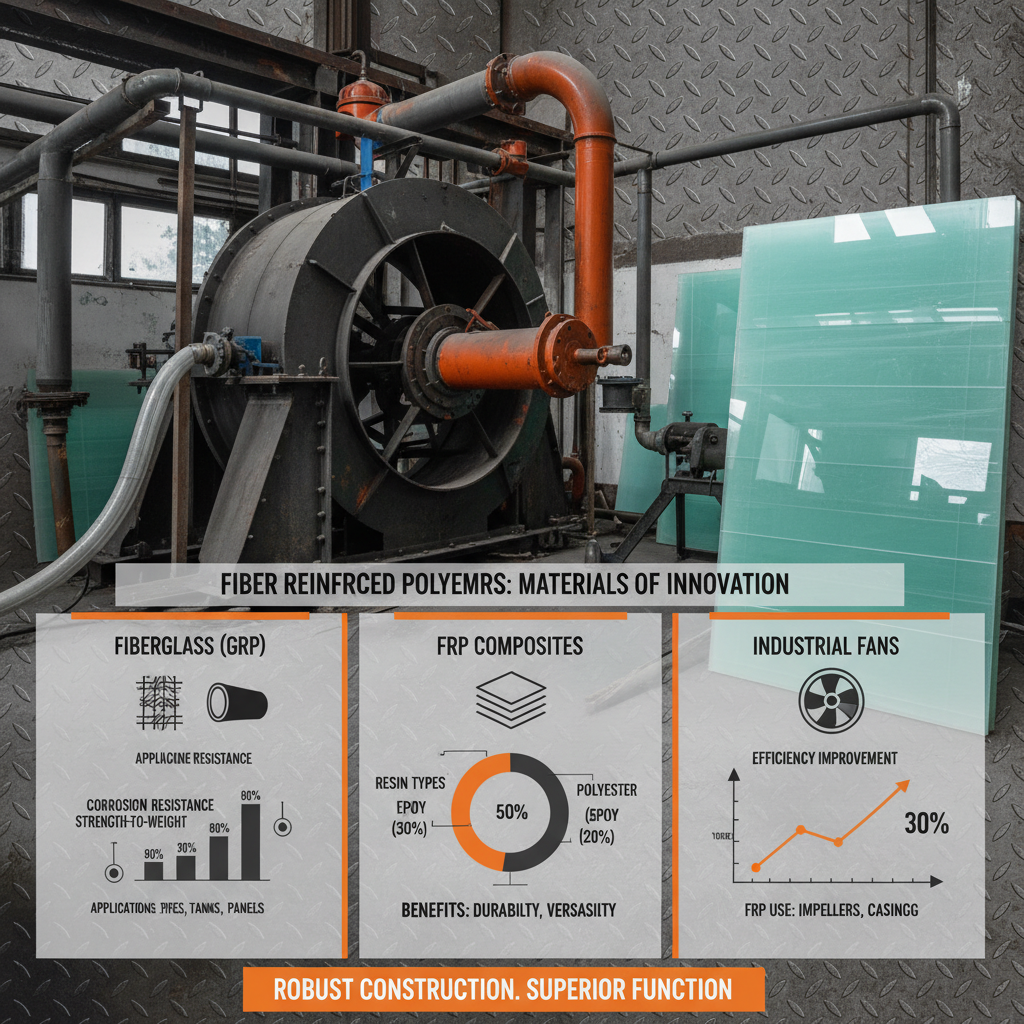
Choosing the appropriate type of fiber reinforced polymer requires careful consideration of the application's specific requirements, budget constraints, and desired performance characteristics. By understanding the properties of different fibers and matrices, you can select the optimal material to maximize performance, durability, and cost-effectiveness. HLFRP offers a wide range of FRP solutions and expert guidance to help you find the perfect material for your project.
Frequently Asked Questions (FAQs)
What are the primary benefits of using FRPs over traditional materials like steel or aluminum?
FRPs offer several advantages. Their high strength-to-weight ratio leads to lighter structures, reducing material costs and improving energy efficiency. They are also highly resistant to corrosion, eliminating the need for expensive protective coatings and reducing maintenance requirements. Additionally, FRPs can be molded into complex shapes, providing greater design freedom compared to traditional materials. This versatility and durability make them a compelling alternative in many applications.
How does temperature affect the performance of FRPs?
Temperature can significantly impact FRP performance. Elevated temperatures can reduce the strength and stiffness of both the fiber and the matrix. Different resin systems have varying temperature tolerances; epoxy resins generally offer better high-temperature performance compared to polyester resins. Prolonged exposure to UV radiation can also degrade the resin matrix, leading to reduced mechanical properties. It's crucial to select FRP materials and resin systems appropriate for the intended operating temperature and environmental conditions.
Are FRPs recyclable?
Recycling FRPs presents a significant challenge due to the inherent difficulty of separating the fiber and matrix components. While complete recycling is currently limited, research is ongoing to develop viable recycling processes. Methods being explored include pyrolysis, solvolysis, and mechanical grinding. Currently, some FRP waste is used as filler material in concrete or as a fuel source in cement kilns. However, more sustainable recycling solutions are needed to address the growing volume of FRP waste.






Address
20 Xingyuan South Street, Zaoqiang County, Hengshui City, Hebei Province, China


