


We Are Open 24 Hours a Day, 7 Days a Week, Including Weekends and Public Holidays.

Exploring the Diverse World of Types of Fiber Reinforced Plastic Materials
Understanding the Different Types of Fiber Reinforced Plastic
Fiber Reinforced Plastic (FRP) composites are revolutionizing industries from aerospace to automotive, offering a unique blend of strength, lightweight properties, and design flexibility. However, not all FRPs are created equal. The choice of fiber and resin dictates the material’s performance characteristics. This article will delve into the most common types of fiber reinforced plastic, highlighting their applications, advantages, and disadvantages, helping you make informed decisions for your specific needs. Utilizing the right FRP can significantly improve product performance and reduce costs.
Glass Fiber Reinforced Polymer (GFRP)
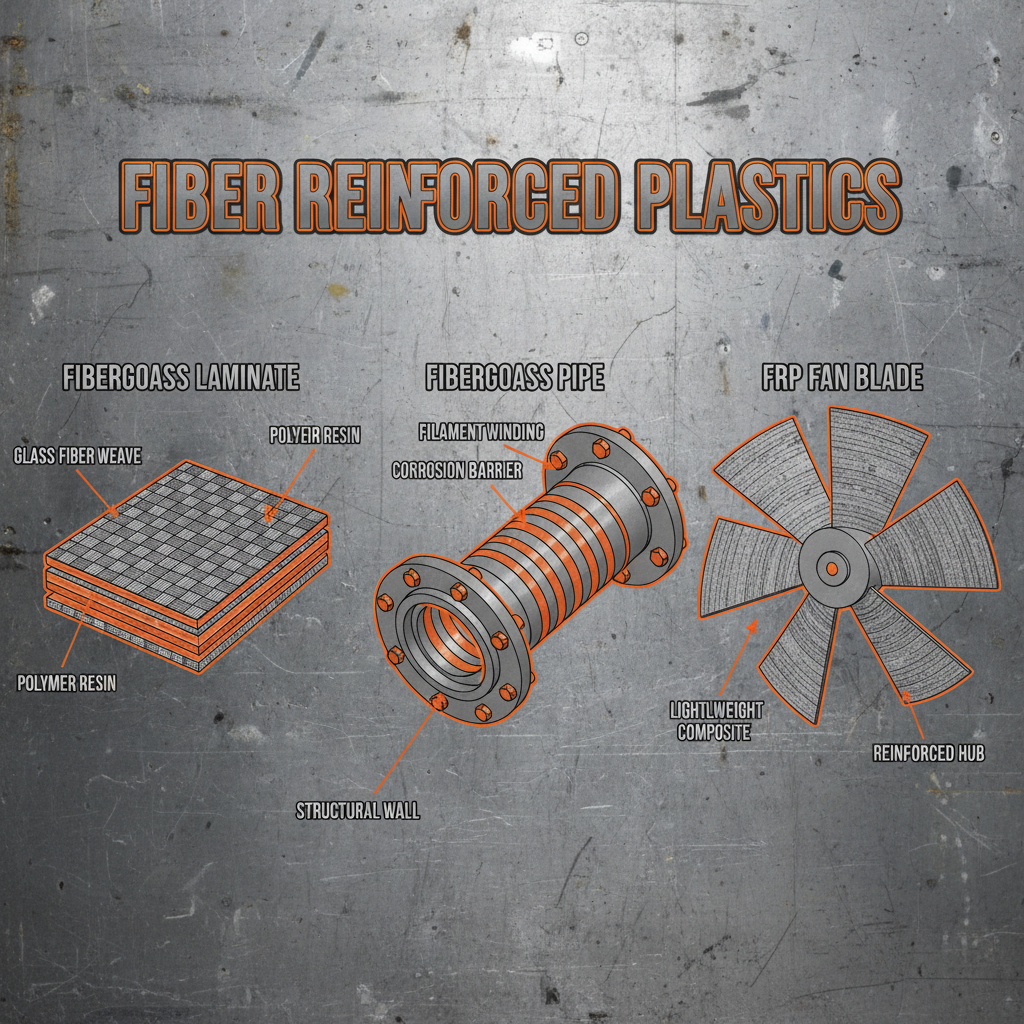
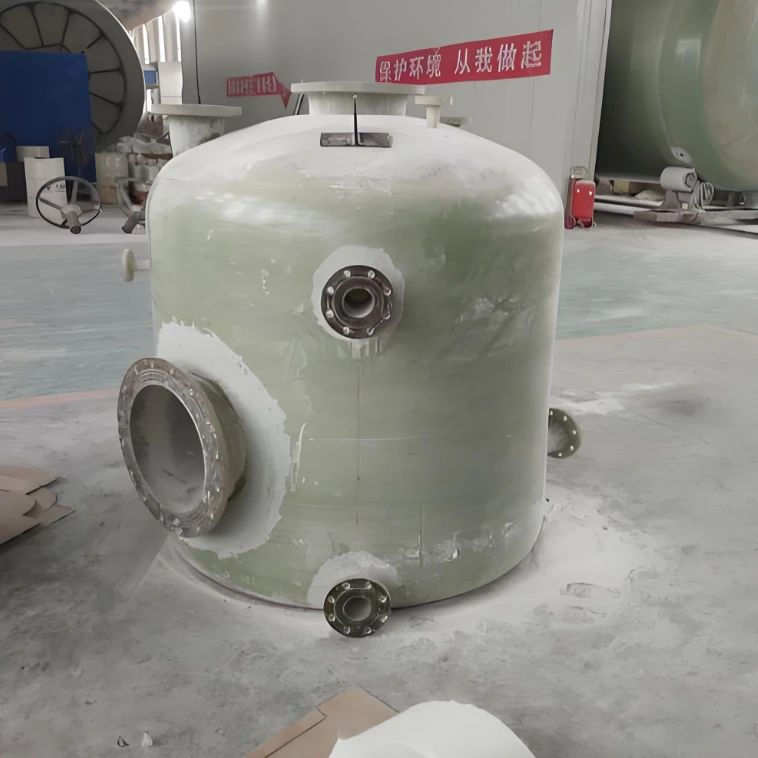
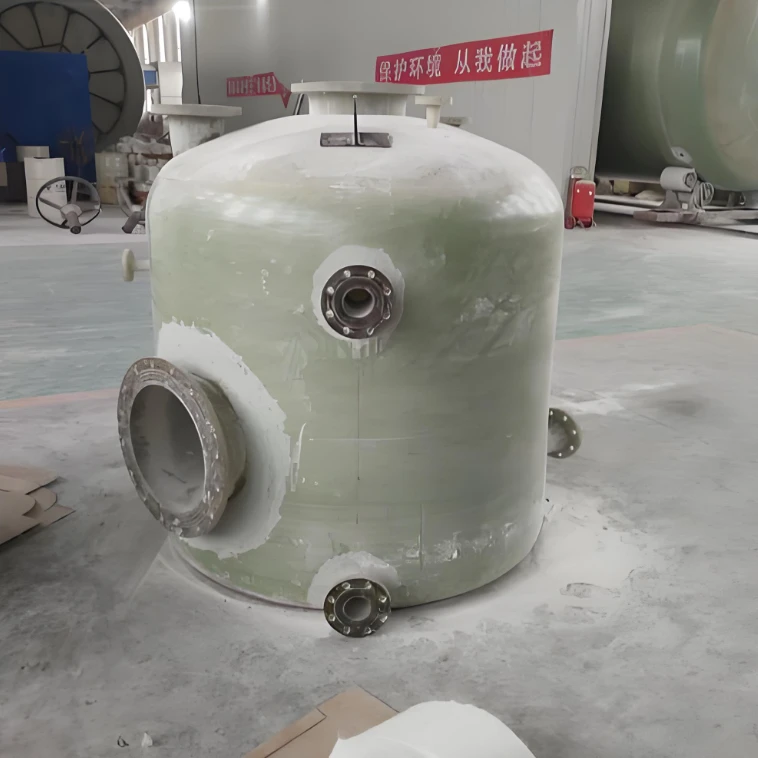
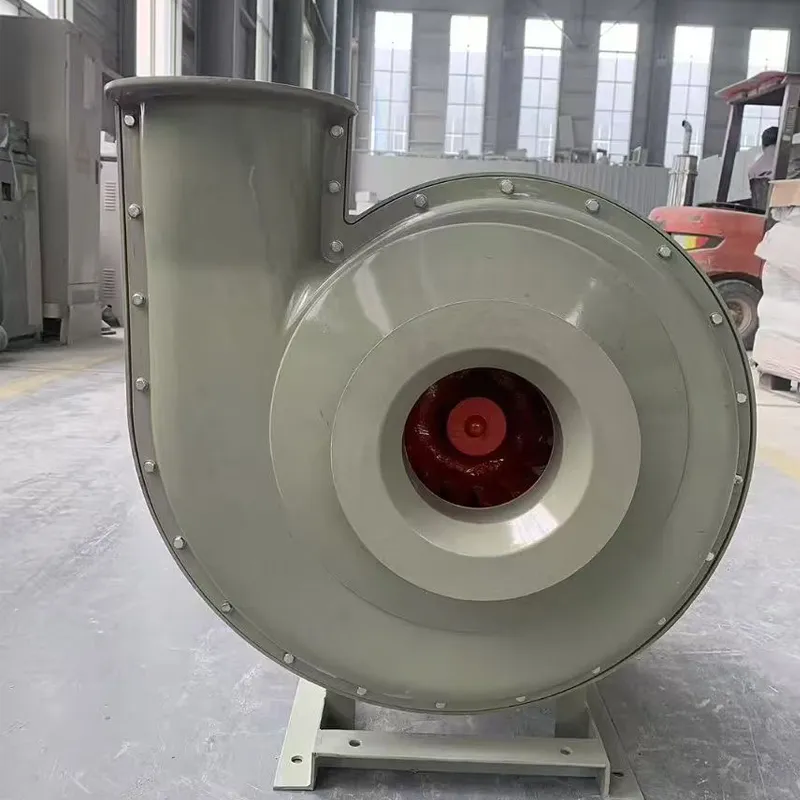
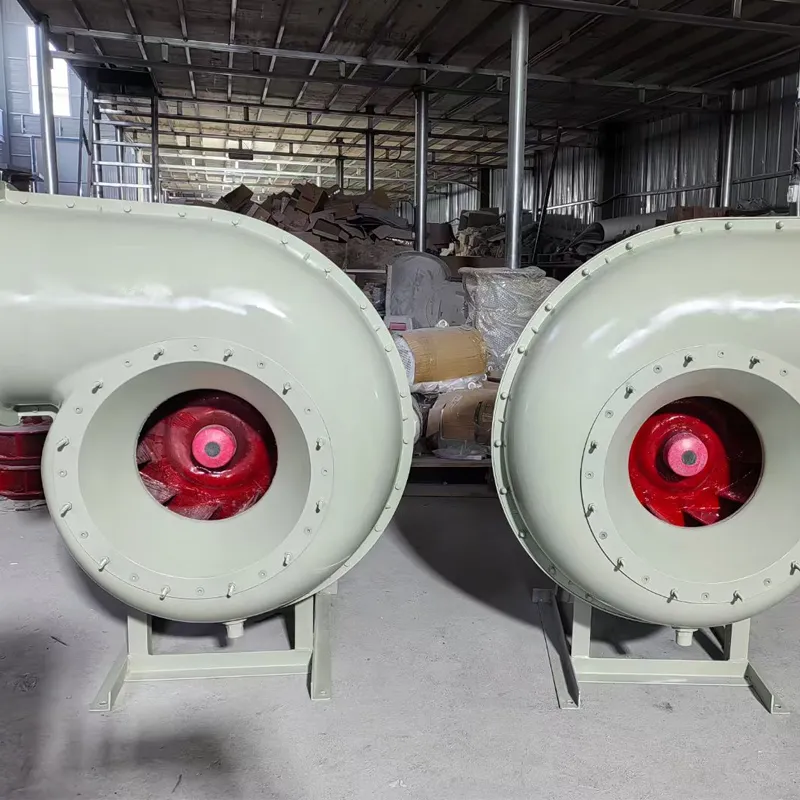
GFRP, also known as fiberglass, is the most widely used FRP due to its affordability and ease of manufacturing. It consists of glass fibers embedded in a resin matrix, typically polyester, vinyl ester, or epoxy. GFRP boasts good tensile strength and is resistant to corrosion, making it ideal for applications like boat hulls, automotive body panels, storage tanks, and pipes. While not as strong as other FRPs, its cost-effectiveness makes it a popular choice for a wide range of projects. You can explore a wide range of GFRP products at our website.
Key Highlights: Affordable, readily available, good corrosion resistance, versatile for various applications.
Carbon Fiber Reinforced Polymer (CFRP)
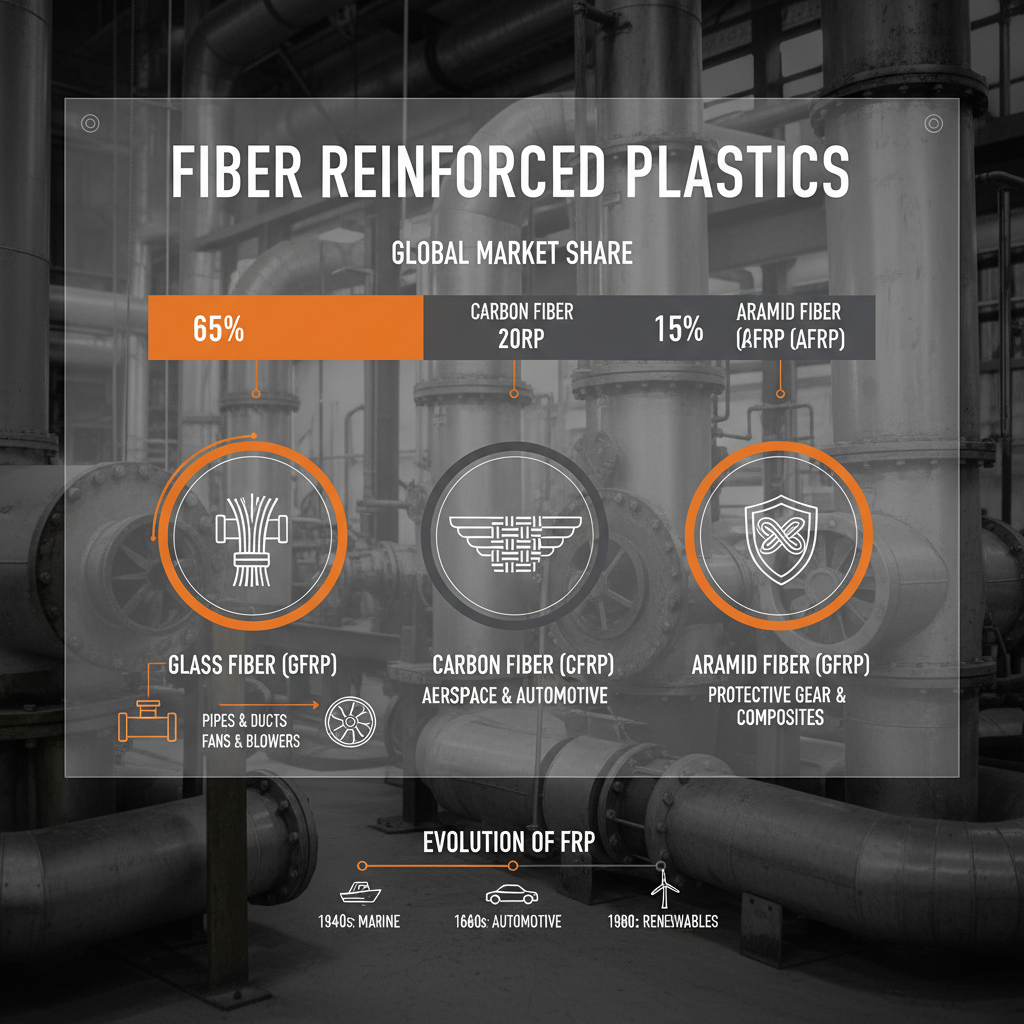
CFRP is renowned for its exceptional strength-to-weight ratio, making it a favorite in high-performance applications. Carbon fibers are significantly stronger and stiffer than glass fibers, resulting in a composite material that is lightweight yet incredibly durable. CFRP is commonly used in aerospace components, high-end automotive parts, sporting goods (like golf clubs and bicycles), and medical devices. Its higher cost compared to GFRP often restricts its use to applications where performance is paramount.
Carbon Fiber Benefits:
• Exceptionally high strength-to-weight ratio
• Excellent stiffness
• Superior fatigue resistance
• Ideal for high-performance applications
A Comparison of Common FRP Types
Choosing the appropriate FRP type depends heavily on the specific application requirements. The following table provides a comparison of key properties among the most common FRPs:
Other Notable Fiber Types
Beyond GFRP and CFRP, other fibers offer unique advantages. Aramid fibers (like Kevlar) are known for their high impact resistance and are often used in ballistic protection and marine applications. Basalt fibers offer a cost-effective alternative to glass fibers with improved mechanical properties. The specific resin system used with these fibers also significantly impacts the final product's characteristics. We at HLFRP specialize in tailoring FRP solutions to your precise requirements.
Selecting the Right FRP for Your Application
The choice of FRP depends on several factors, including the desired strength, weight, stiffness, cost, and environmental conditions. Consider the loads the material will experience, the operating temperature, and any exposure to corrosive substances. Consulting with an FRP expert can help ensure you select the optimal material for your specific needs.
Conclusion
Understanding the diverse types of fiber reinforced plastic is crucial for making informed engineering and purchasing decisions. From the cost-effectiveness of GFRP to the high performance of CFRP, each material offers a unique set of properties. By carefully considering your application requirements and consulting with experts, you can leverage the benefits of FRP to achieve superior results.
Frequently Asked Questions (FAQs)
What are the key benefits of using FRP over traditional materials like steel or aluminum?
FRP offers several advantages over traditional materials. It’s significantly lighter, leading to reduced weight in structures and improved fuel efficiency in transportation applications. FRP is also highly corrosion-resistant, eliminating the need for expensive coatings and maintenance often required for steel. Furthermore, FRP can be molded into complex shapes, offering greater design flexibility. While the initial cost might be higher, the long-term benefits often outweigh the investment due to reduced maintenance and extended lifespan.
What industries commonly utilize Fiber Reinforced Plastics?
FRPs are utilized across a wide spectrum of industries. Aerospace relies heavily on CFRP for lightweight aircraft components. The automotive industry employs FRP for body panels and structural parts. Marine applications benefit from the corrosion resistance of FRP in boat hulls and decks. Construction uses FRP for reinforcing bars, structural shapes, and cladding. Other industries include sporting goods, energy (wind turbine blades), and chemical processing (tanks and pipes).
What is the environmental impact of producing and disposing of FRP materials?
The environmental impact of FRP is a growing concern. While FRPs are durable and long-lasting, reducing the need for frequent replacements, the production of resins and fibers can be energy-intensive. Recycling FRP is challenging, although advancements are being made in resin recovery and fiber reuse. Choosing sustainable resin systems and exploring end-of-life options are important considerations for minimizing the environmental footprint of FRP materials.
Can FRP be repaired if damaged?
Yes, FRP can often be repaired, depending on the extent and nature of the damage. Minor damage, such as surface scratches, can be easily repaired with patching compounds. More significant damage, like cracks or delamination, may require more extensive repairs involving fiber reinforcement and resin application. Professional FRP repair services are available to ensure the repair is performed correctly and maintains the structural integrity of the component.






Address
20 Xingyuan South Street, Zaoqiang County, Hengshui City, Hebei Province, China


