


We Are Open 24 Hours a Day, 7 Days a Week, Including Weekends and Public Holidays.

Comprehensive Guide to FRP Water Tank Price and Influencing Factors
Understanding FRP Water Tank Price and Factors Influencing Cost
Fiberglass Reinforced Polymer (FRP) water tanks are increasingly popular for water storage across various industries due to their durability, corrosion resistance, and cost-effectiveness. Understanding the frp water tank price is crucial for making informed purchasing decisions. This article will delve into the factors that affect the cost of these tanks, providing a comprehensive overview for businesses and individuals seeking reliable water storage solutions. We'll cover everything from material costs and tank size to customization options and shipping expenses.
Key Factors Affecting FRP Water Tank Price
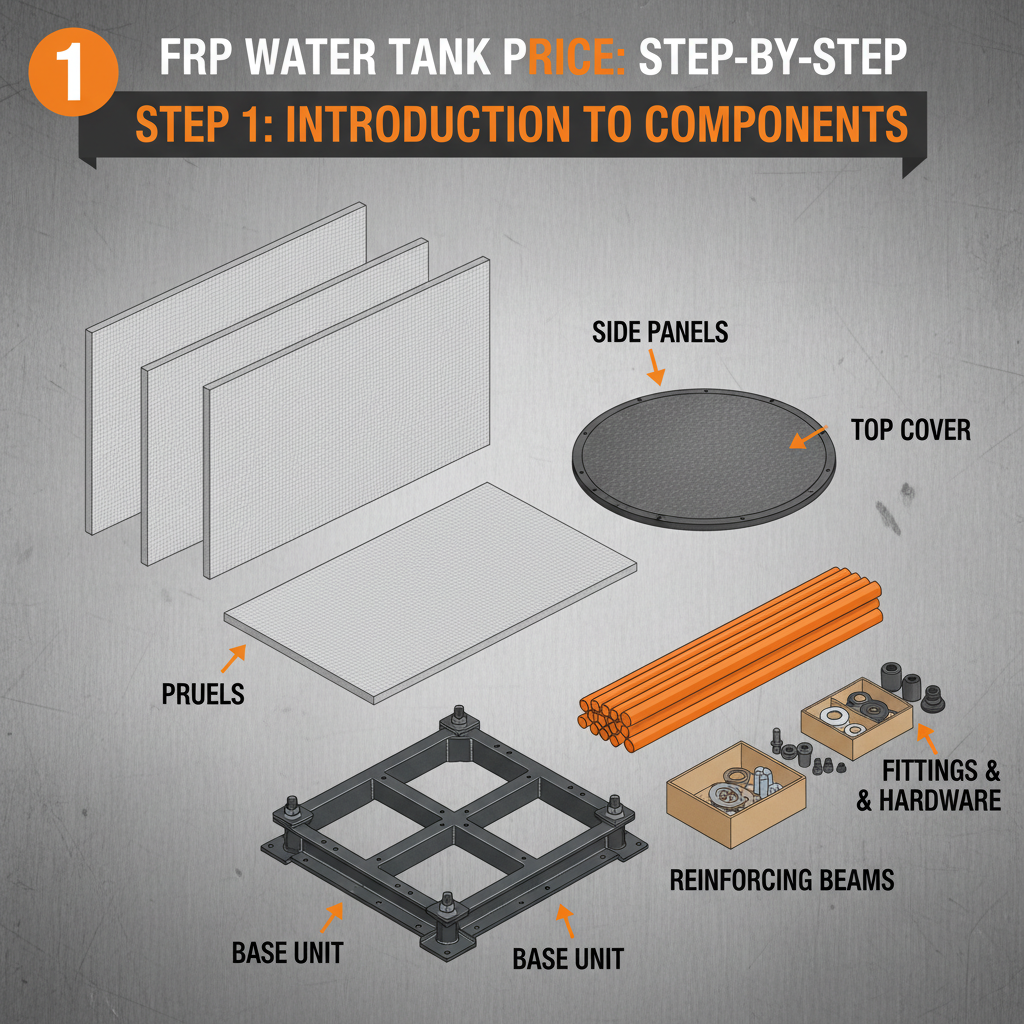
Several factors contribute to the final price of an FRP water tank. The most significant is the tank's capacity, measured in gallons or liters. Larger tanks require more material and labor, thus increasing the cost. The type of resin used (polyester, vinyl ester, epoxy) also impacts the price, with epoxy generally being the most expensive but offering superior chemical resistance. The thickness of the FRP layers is another crucial factor; thicker tanks are stronger and more durable but also more costly. Finally, additional features like fittings, access hatches, and level indicators will add to the overall price. HLFRP offers customizable FRP water tank solutions to fit a variety of needs and budgets.
Key Highlights: Tank capacity, resin type, wall thickness, and accessories all influence the final price of an FRP water tank. Choosing the right specifications is key to optimizing cost and performance.
A Detailed Look at Capacity and Material Costs
As a general rule, the larger the tank, the higher the price. However, the cost doesn't increase linearly. There are economies of scale involved. The material cost, primarily the resin and fiberglass, also plays a significant role. Polyester resin is the most economical option, suitable for general water storage applications. Vinyl ester offers improved chemical resistance and is a mid-range option. Epoxy resin provides the highest level of chemical resistance and is ideal for storing aggressive chemicals, but it comes at a higher price point. The quality of the fiberglass reinforcement also influences the material cost; higher-grade fiberglass offers greater strength and durability.
Resin Type Comparison:
• Polyester: Most economical, suitable for general water storage.
• Vinyl Ester: Improved chemical resistance, mid-range price.
• Epoxy: Highest chemical resistance, premium price.
FRP Water Tank Price Comparison: Different Sizes & Materials
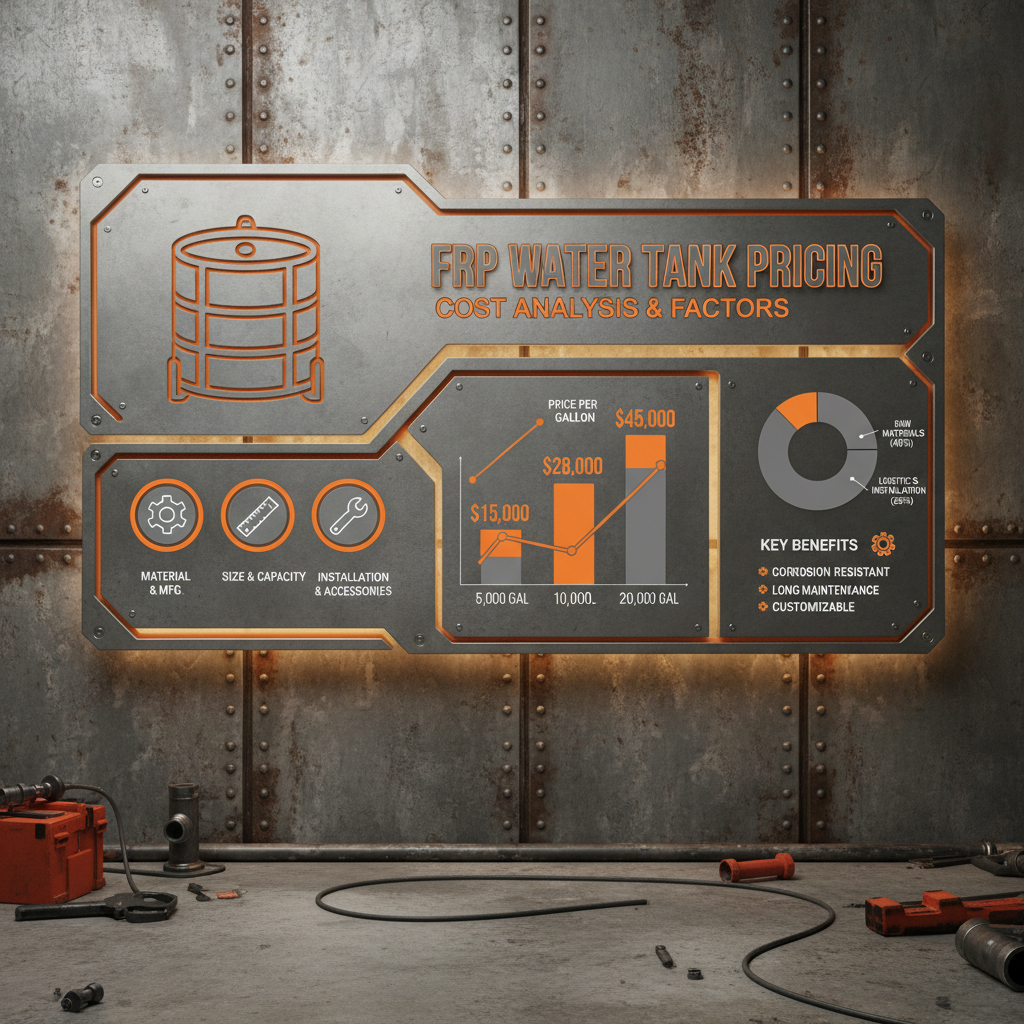
To provide a clearer understanding of the frp water tank price, here’s a comparative table illustrating estimated costs based on size and material. These prices are approximate and can vary depending on the specific supplier, customization options, and shipping costs.
Additional Costs to Consider
Beyond the base tank price, remember to factor in additional costs. Shipping can be substantial, especially for larger tanks and long distances. Installation costs can vary depending on the complexity of the installation and local labor rates. Permits and inspections may also be required, adding to the overall expense. Don't forget to budget for accessories like inlet/outlet fittings, level sensors, and access ladders, depending on your specific needs. HLFRP provides comprehensive quotes that include all potential costs for complete transparency.
Conclusion: Investing in a Quality FRP Water Tank
Understanding the frp water tank price requires considering various factors, from tank capacity and material choice to shipping and installation. Choosing a reputable supplier like HLFRP ensures you receive a high-quality, durable, and cost-effective water storage solution. Investing in a quality FRP water tank is a long-term investment that provides reliable and safe water storage for years to come.
Frequently Asked Questions (FAQs)
What is the typical lifespan of an FRP water tank?
FRP water tanks are known for their longevity, typically lasting 20-50 years with proper maintenance. The actual lifespan depends on several factors, including the quality of the materials used, the chemicals being stored, and the environmental conditions. Regular inspections are crucial to identify and address any potential issues early on, ensuring the tank's continued performance and longevity. HLFRP provides guidance on proper maintenance procedures to maximize the lifespan of your tank.
Does the water quality affect the FRP tank?
Yes, the quality of the water stored can impact the FRP tank's lifespan. Highly corrosive or abrasive water can degrade the resin over time. For aggressive water chemistries, choosing a tank constructed with vinyl ester or epoxy resin is recommended. Regular water testing and treatment can help prevent corrosion and extend the tank's service life. HLFRP can advise on the appropriate resin type based on your specific water quality.
What maintenance is required for an FRP water tank?
Regular maintenance is essential to ensure the longevity and performance of your FRP water tank. This includes periodic inspections for cracks, leaks, and structural damage. Cleaning the tank annually to remove sediment buildup is also recommended. Check all fittings and connections for tightness and corrosion. It is important to follow the manufacturer’s guidelines for cleaning and maintenance, using approved cleaning agents.








Address
20 Xingyuan South Street, Zaoqiang County, Hengshui City, Hebei Province, China


