


We Are Open 24 Hours a Day, 7 Days a Week, Including Weekends and Public Holidays.

Optimizing Industrial Cooling with a Chiller with Cooling Tower System
Chiller with Cooling Tower: A Comprehensive Guide
When managing thermal processes across various industries, a chiller with cooling tower represents a robust and efficient cooling solution. This combination offers significant advantages over standalone chillers, particularly for large-scale cooling needs. This article will delve into the specifics of these systems, exploring their components, operational benefits, applications, and factors to consider when selecting the right setup. Understanding these systems is crucial for optimizing efficiency and minimizing operational costs.
Understanding the Components of a Chiller and Cooling Tower System
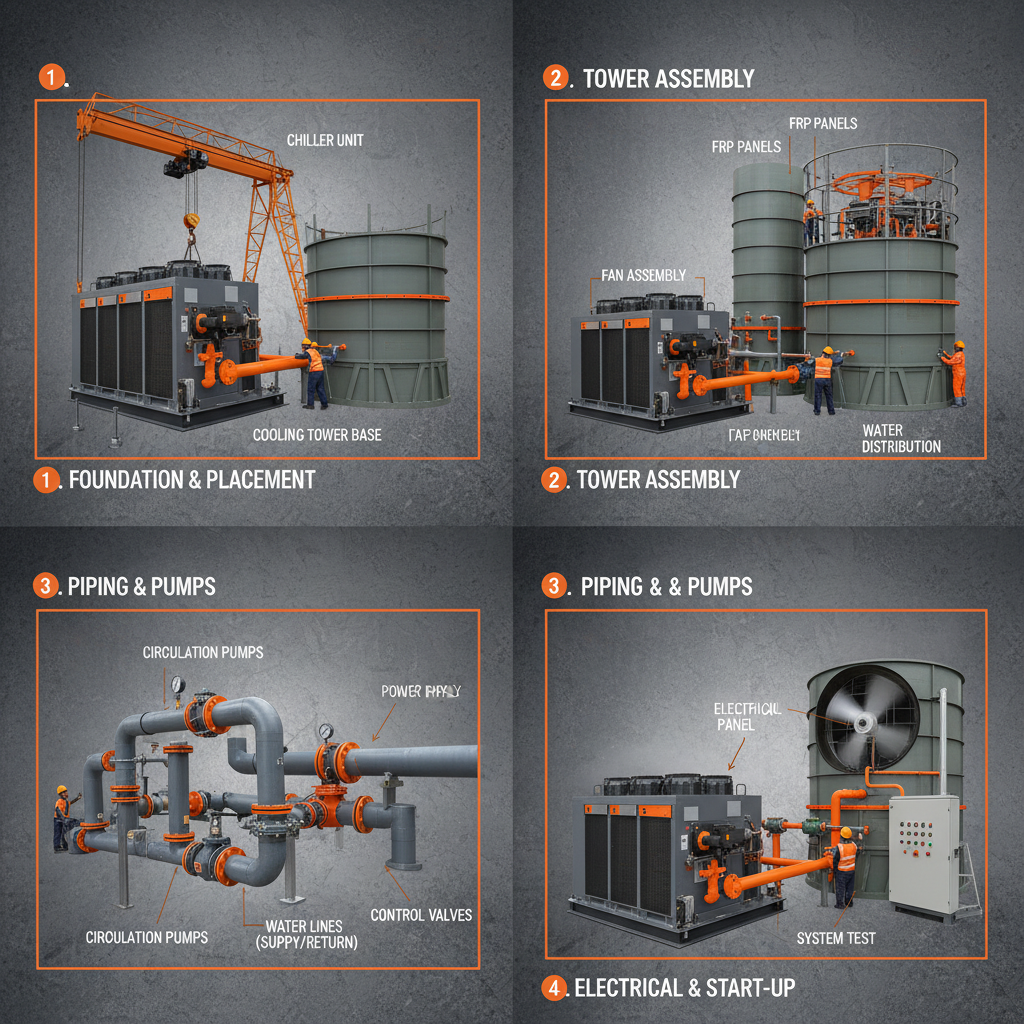
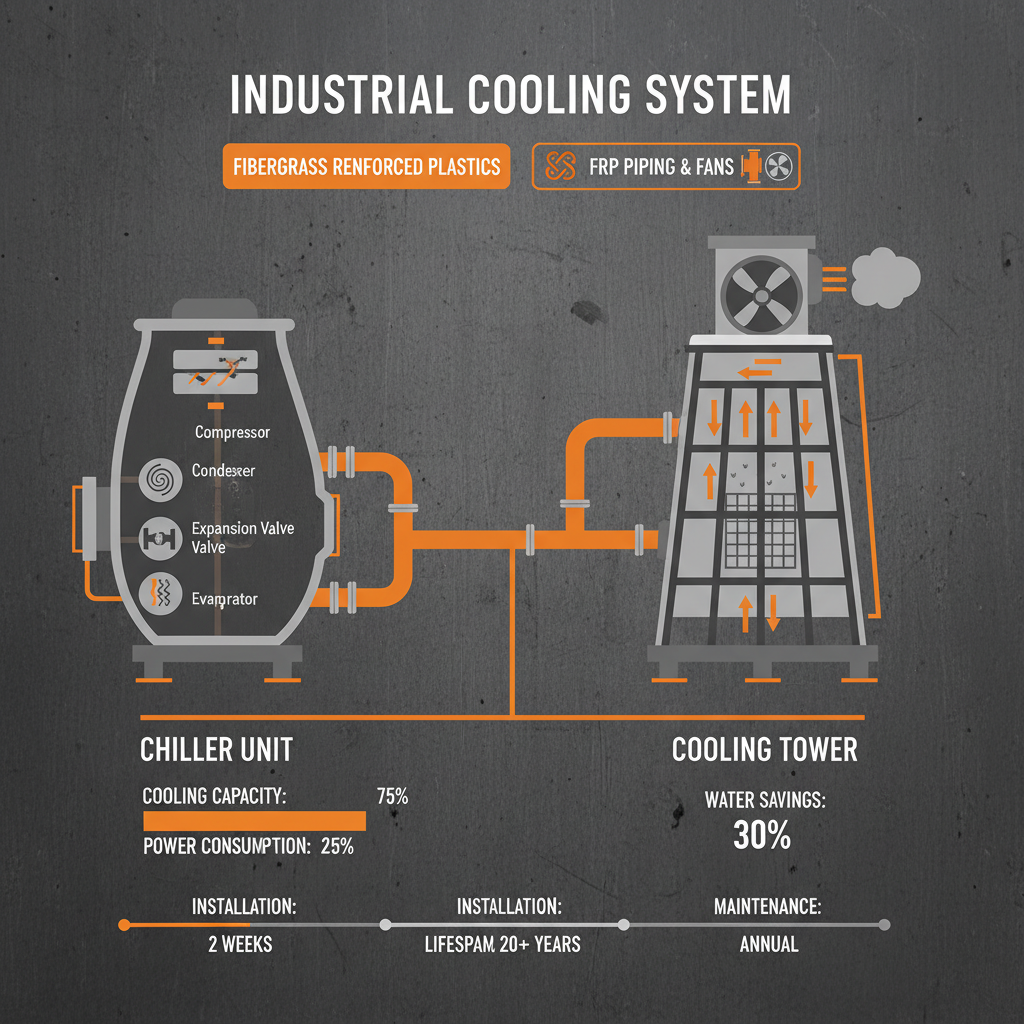
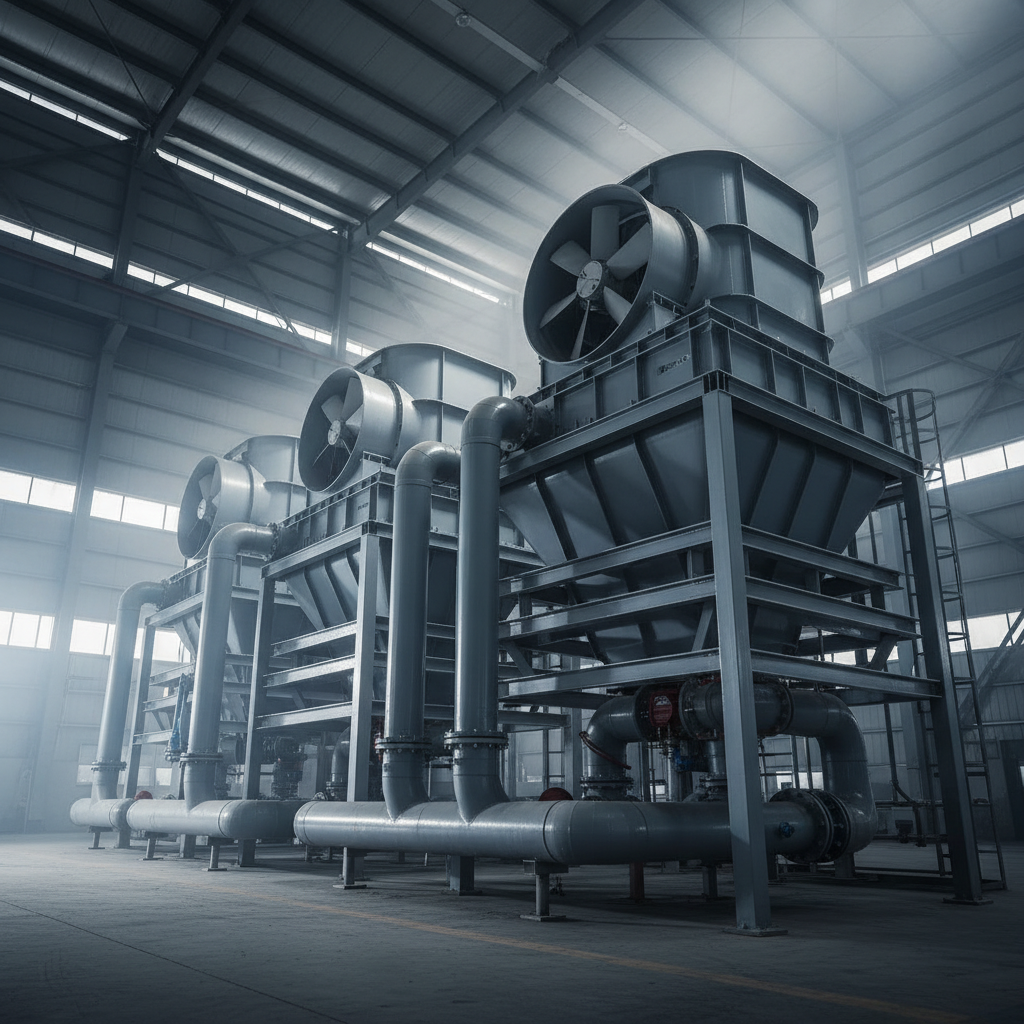
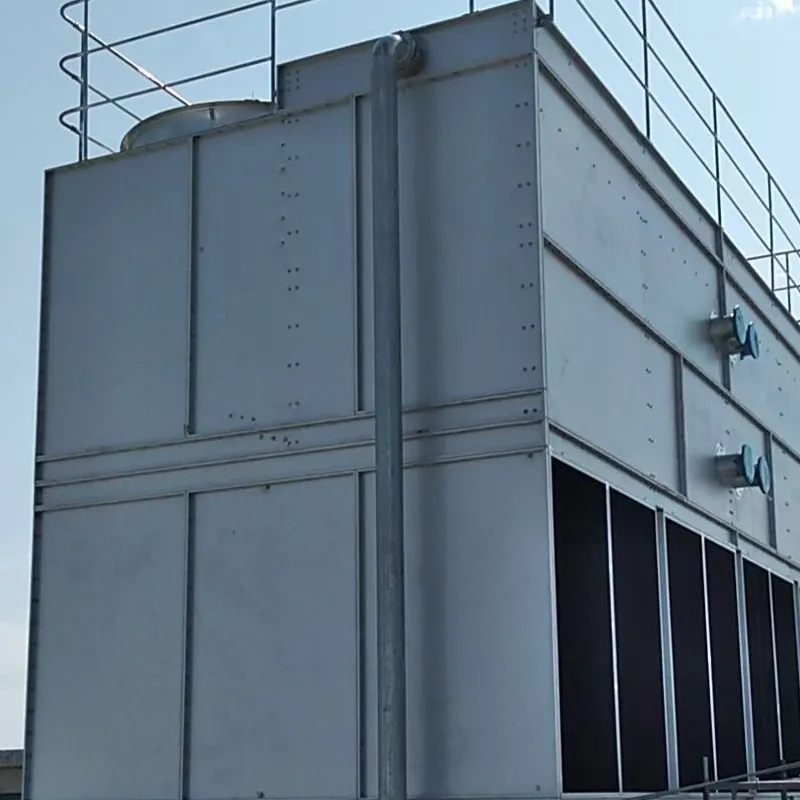
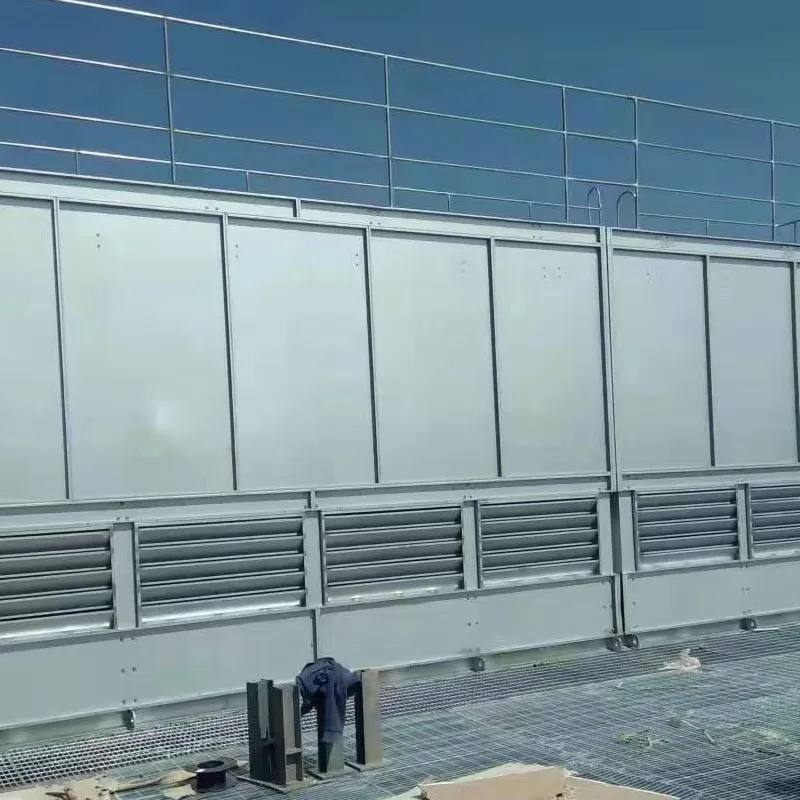
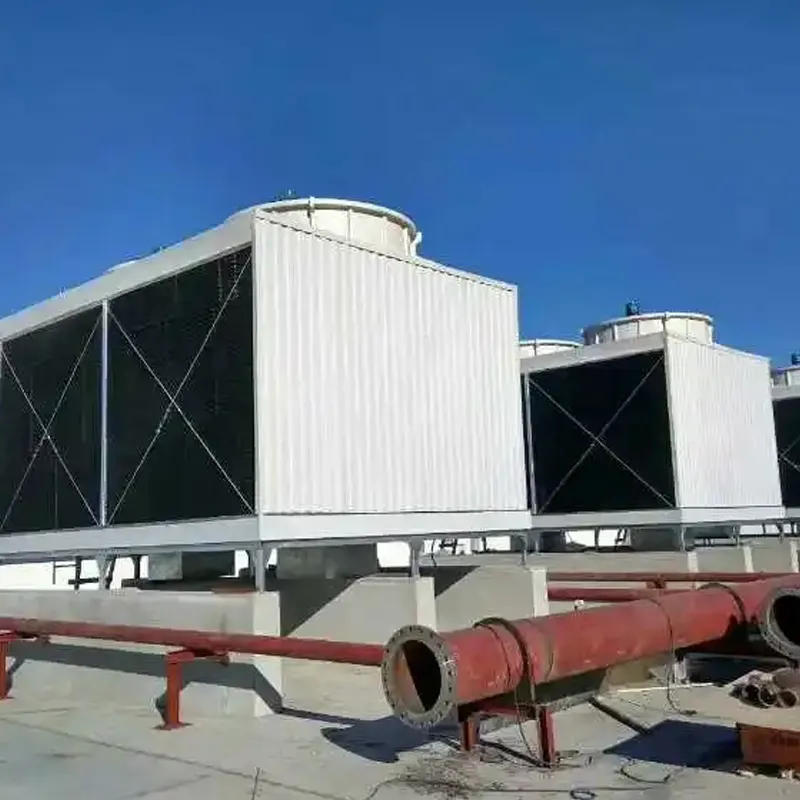
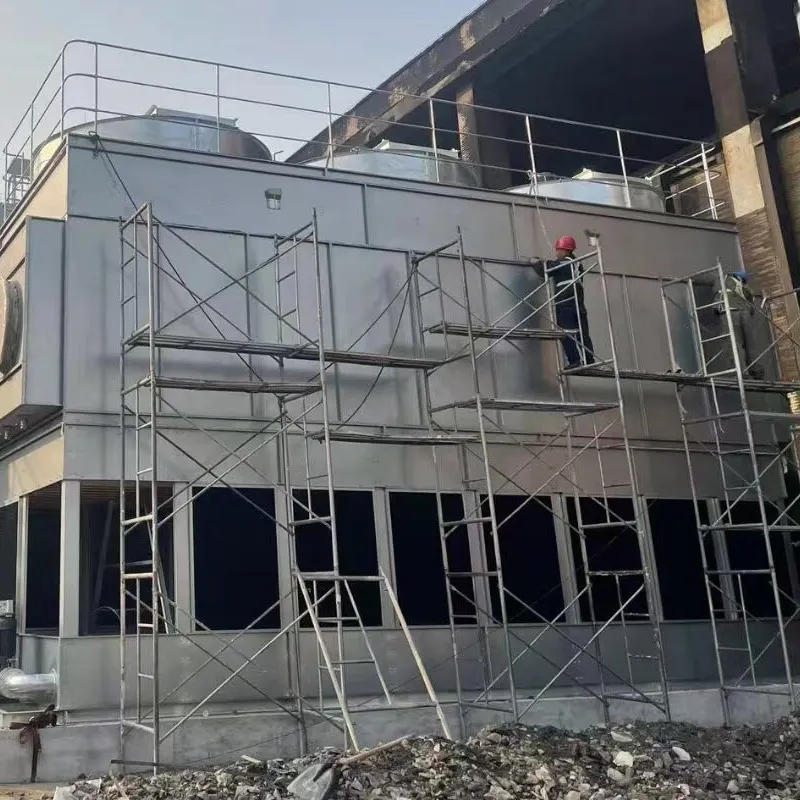
A chiller with cooling tower isn’t a single unit, but a carefully integrated system. The chiller itself cools a process fluid (typically water or a glycol mixture) using a refrigeration cycle. This cooled fluid is then circulated to the process requiring cooling. The cooling tower's role is to dissipate the heat absorbed by the chiller into the atmosphere. The cooling tower utilizes evaporative cooling – water is sprayed downwards, and air is drawn upwards, causing a portion of the water to evaporate. This evaporation process removes heat, cooling the remaining water, which is then recirculated to the chiller. This synergy provides efficient and cost-effective cooling for a wide range of applications.
Key Highlights: Efficient heat rejection through evaporative cooling; Reduced chiller operating costs; Scalability for various cooling demands.
Chiller with Cooling Tower vs. Air-Cooled Chillers
Compared to air-cooled chillers, systems using a cooling tower offer significant advantages in terms of efficiency and cost-effectiveness, especially in warmer climates. Air-cooled chillers reject heat directly into the air, requiring more energy, especially when ambient temperatures are high. Cooling towers leverage evaporative cooling, which is a more efficient heat rejection method, particularly in dry environments. This results in lower energy consumption and reduced operating costs. However, cooling towers require more maintenance due to water treatment needs and potential for scaling and biological growth.
Key Differences:
• Energy Efficiency: Cooling towers are generally more efficient.
• Operating Costs: Lower with cooling tower systems.
• Maintenance: Cooling towers require more frequent maintenance.
• Water Usage: Cooling towers consume water.
Applications of a Chiller with Cooling Tower
The applications of a chiller with cooling tower are vast and span numerous industries. These include: HVAC systems for large buildings, data centers requiring precise temperature control, industrial processes like plastics manufacturing and food processing, pharmaceutical production demanding strict temperature regulation, and power plants needing cooling for critical equipment. The ability to provide a consistent and reliable cooling supply makes these systems essential for maintaining optimal operational conditions in diverse settings.
Selecting the Right Chiller with Cooling Tower: Key Considerations
Choosing the optimal chiller with cooling tower requires careful consideration of several factors. These include the cooling load requirements of your process, the ambient temperature and humidity of your location, water quality and availability, energy efficiency goals, and budget constraints. It's crucial to work with a reputable supplier like HLFRP who can assess your specific needs and recommend a tailored solution. Proper sizing and configuration are essential for maximizing performance and minimizing operating costs.
Maintenance and Operational Best Practices
Regular maintenance is vital for ensuring the longevity and efficiency of your chiller and cooling tower system. This includes periodic water treatment to prevent scaling and biological growth, inspection and cleaning of the cooling tower fill, checking refrigerant levels in the chiller, and routine maintenance of fans and pumps. Implementing a preventative maintenance schedule will help identify and address potential issues before they escalate into costly repairs. Proper operation and consistent monitoring are crucial for optimal performance.
Conclusion: Maximizing Cooling Efficiency with Integrated Systems
A chiller with cooling tower provides a reliable and efficient cooling solution for a wide range of applications. By understanding the components, benefits, and maintenance requirements, you can maximize the performance and lifespan of your system. Partnering with a trusted supplier like HLFRP ensures you receive the right solution tailored to your specific needs.
Frequently Asked Questions (FAQs)
What is the typical lifespan of a chiller with cooling tower?
The lifespan of a chiller with cooling tower system can range from 15 to 20 years with proper maintenance. However, the lifespan can be affected by factors such as operating conditions, water quality, and the frequency of maintenance. Chillers generally have a longer lifespan than cooling towers. Regular inspections, preventive maintenance, and timely repairs are essential to maximize the lifespan of the entire system. Choosing high-quality components from reputable suppliers, like HLFRP, can also contribute to a longer service life.
How often should the cooling tower water be treated?
Cooling tower water should be treated regularly to prevent scaling, corrosion, and biological growth. The frequency of treatment depends on the water quality and the operating conditions of the cooling tower. Generally, water testing and treatment should be performed at least monthly, and more frequently during periods of high demand or adverse weather conditions. A qualified water treatment specialist can provide a customized treatment plan based on your specific needs.
What are the energy efficiency considerations when selecting a chiller with cooling tower?
Energy efficiency is a crucial factor when selecting a chiller with cooling tower. Look for chillers with high Coefficient of Performance (COP) or Energy Efficiency Ratio (EER) ratings. Consider variable speed drives (VSDs) for both the chiller and the cooling tower fans, as they can adjust the cooling output based on demand, saving energy. Proper system design and maintenance, including regular cleaning of the cooling tower fill and condenser coils, can also improve energy efficiency.






Address
20 Xingyuan South Street, Zaoqiang County, Hengshui City, Hebei Province, China


