


We Are Open 24 Hours a Day, 7 Days a Week, Including Weekends and Public Holidays.

Optimizing Cooling Tower Performance with Condenser Water Pump Selection
Optimizing Cooling Tower Efficiency: A Guide to Condenser Water Pump Selection
Efficient cooling towers are crucial for many industrial processes, and at the heart of a reliable system lies the condenser water pump. Selecting the right pump is paramount for maximizing cooling performance, minimizing energy consumption, and ensuring long-term operational stability. This article dives into the key considerations when choosing a condenser water pump for your cooling tower, focusing on factors like flow rate, head pressure, and pump type. We’ll also explore how HL FRP can provide solutions tailored to your specific needs.
Understanding Condenser Water Pump Requirements
Before selecting a condenser water pump, a thorough understanding of system requirements is essential. Key parameters include the required flow rate (typically measured in gallons per minute or cubic meters per hour) and the total dynamic head (TDH), which represents the total pressure the pump needs to overcome. The TDH includes static head (the vertical distance the water is lifted), friction losses in the piping, and any pressure drops across cooling tower components. Accurate calculation of these parameters is critical for optimal pump performance. Improperly sized pumps can lead to inefficiencies, reduced cooling capacity, and premature wear. HL FRP offers expertise in assessing these requirements and recommending the most suitable pump for your application.
Key Considerations: Accurate flow rate and Total Dynamic Head (TDH) calculations are essential for optimal pump performance and system efficiency.
Types of Condenser Water Pumps
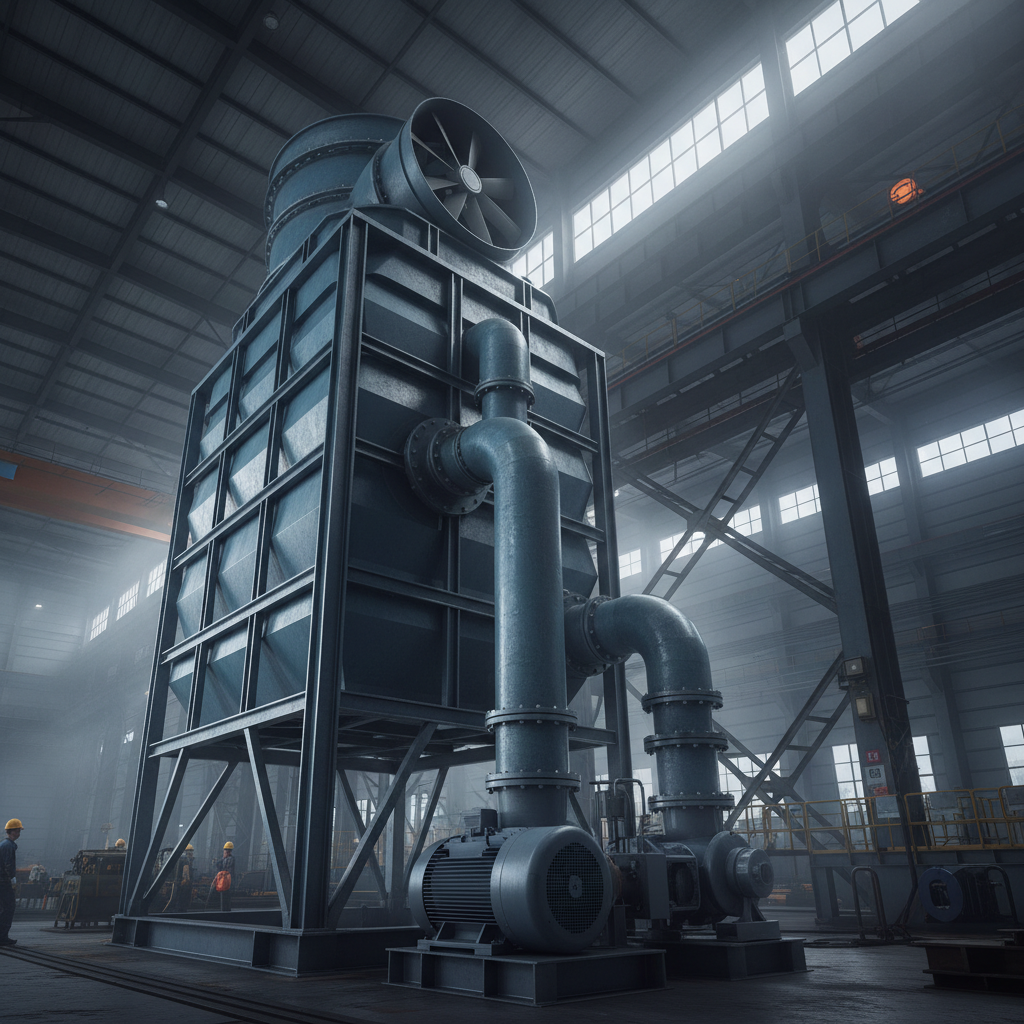
Several types of pumps are commonly used in cooling tower applications. Centrifugal pumps are the most prevalent, offering a good balance of cost-effectiveness and performance. Within centrifugal pumps, variations like end-suction, inline, and submersible models exist, each suited for different installation configurations. Vertical turbine pumps are also used, especially in applications where suction lift is a concern. Positive displacement pumps, like rotary lobe pumps, are less common but can be advantageous in situations requiring precise flow control or handling viscous fluids. Choosing the right pump type depends on factors such as flow rate, head pressure, available space, and maintenance requirements. HL FRP provides a comprehensive range of pump types to meet diverse cooling tower needs.
Common Pump Types:
• Centrifugal Pumps (End-Suction, Inline, Submersible)
• Vertical Turbine Pumps
• Positive Displacement Pumps (Rotary Lobe)
Condenser Water Pump Efficiency & Energy Savings
Pump efficiency is a critical factor in minimizing energy consumption. Higher-efficiency pumps can significantly reduce operating costs over the pump's lifespan. Variable Frequency Drives (VFDs) are often employed to modulate pump speed based on cooling demand, further enhancing energy savings. Regularly monitoring pump performance and implementing preventative maintenance programs are also essential for maintaining optimal efficiency. Consider pumps with IE3 or IE4 motors for even greater energy savings. HL FRP can help you select pumps and implement control systems to optimize energy efficiency in your cooling tower system.
Material Selection for Long-Term Reliability
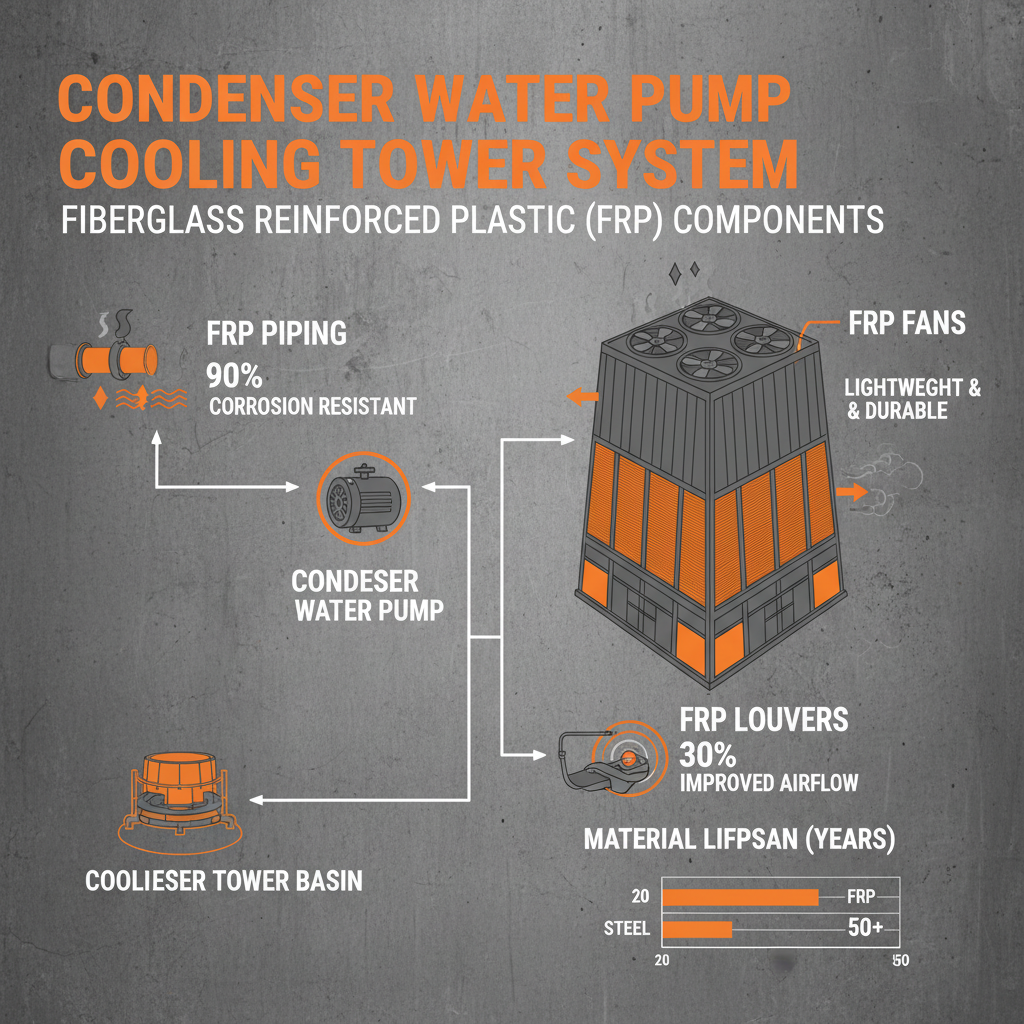
The materials used in a condenser water pump significantly impact its longevity and resistance to corrosion. Common materials include cast iron, stainless steel, and engineered plastics. Stainless steel is particularly well-suited for handling corrosive cooling water, while engineered plastics offer lightweight and corrosion-resistant alternatives. Selecting materials compatible with your cooling water chemistry is crucial to prevent premature failure. HL FRP offers pumps constructed from a variety of materials, ensuring optimal performance and durability in your specific application.
Choosing the Right Partner: HL FRP
Selecting the correct condenser water pump is a critical decision that directly impacts your cooling tower's efficiency and reliability. HL FRP specializes in providing high-quality pumps and comprehensive solutions for cooling tower applications. We offer expert engineering support, customized pump selection, and reliable after-sales service. Our commitment to innovation and customer satisfaction ensures you receive the best possible solution for your unique needs.
Conclusion: Investing in Reliable Condenser Water Pumps
Choosing the right condenser water pump is essential for optimizing cooling tower performance, reducing energy costs, and ensuring long-term operational reliability. HL FRP provides a comprehensive range of pumps and expert support to meet your specific needs. Don't compromise on efficiency and reliability – partner with HL FRP for a cooling tower solution you can trust.
Frequently Asked Questions (FAQs)
What is the typical lifespan of a condenser water pump?
The lifespan of a condenser water pump can vary significantly based on operating conditions, maintenance practices, and water quality. Generally, a well-maintained pump can last between 8 to 15 years. However, factors like corrosion, abrasive particles in the water, and improper lubrication can shorten its lifespan. Regular inspections, preventative maintenance, and timely repairs are crucial for maximizing pump longevity. Choosing a pump constructed from corrosion-resistant materials, like stainless steel, can also extend its lifespan.
How do I determine the correct pump size for my cooling tower?
Determining the correct pump size requires accurately calculating the required flow rate and total dynamic head (TDH). The flow rate is typically based on the cooling tower's capacity and the heat load being rejected. The TDH includes static head, friction losses in the piping, and any pressure drops across the cooling tower components. It's recommended to consult with a qualified engineer or pump specialist to perform these calculations accurately. HL FRP offers professional pump sizing services to ensure you select the optimal pump for your system.
What maintenance is required for condenser water pumps?
Regular maintenance is essential for ensuring the reliable operation of condenser water pumps. Key maintenance tasks include lubrication of bearings, inspection of seals and impellers, monitoring vibration levels, and checking for leaks. Periodic water analysis can help identify potential corrosion issues. Following the manufacturer’s recommended maintenance schedule is crucial. Implementing a preventative maintenance program can significantly reduce the risk of unexpected downtime and extend the pump's lifespan.
What are the benefits of using a VFD with a condenser water pump?
A Variable Frequency Drive (VFD) allows you to modulate the pump speed based on cooling demand, resulting in significant energy savings. By reducing the pump speed during periods of low cooling load, you can drastically reduce energy consumption. VFDs also offer benefits such as reduced mechanical stress on the pump, improved process control, and soft starting capabilities. They are a valuable investment for optimizing the performance and efficiency of your cooling tower system.





Address
20 Xingyuan South Street, Zaoqiang County, Hengshui City, Hebei Province, China


