


We Are Open 24 Hours a Day, 7 Days a Week, Including Weekends and Public Holidays.

Optimizing Industrial Processes with Condenser Pump Cooling Tower Systems
Understanding Condenser Pump Cooling Tower Systems
In many industrial processes, maintaining optimal temperatures is critical for efficiency and equipment longevity. Condenser pump cooling tower systems play a vital role in achieving this, effectively removing heat generated by various operations. This article delves into the components, benefits, applications, and maintenance of these systems, offering a comprehensive guide for engineers, plant managers, and anyone involved in industrial cooling. Properly designed and maintained cooling towers significantly improve operational efficiency and reduce energy costs. We will also explore key considerations when selecting the right system for your specific needs.
Core Components of a Condenser Pump Cooling Tower
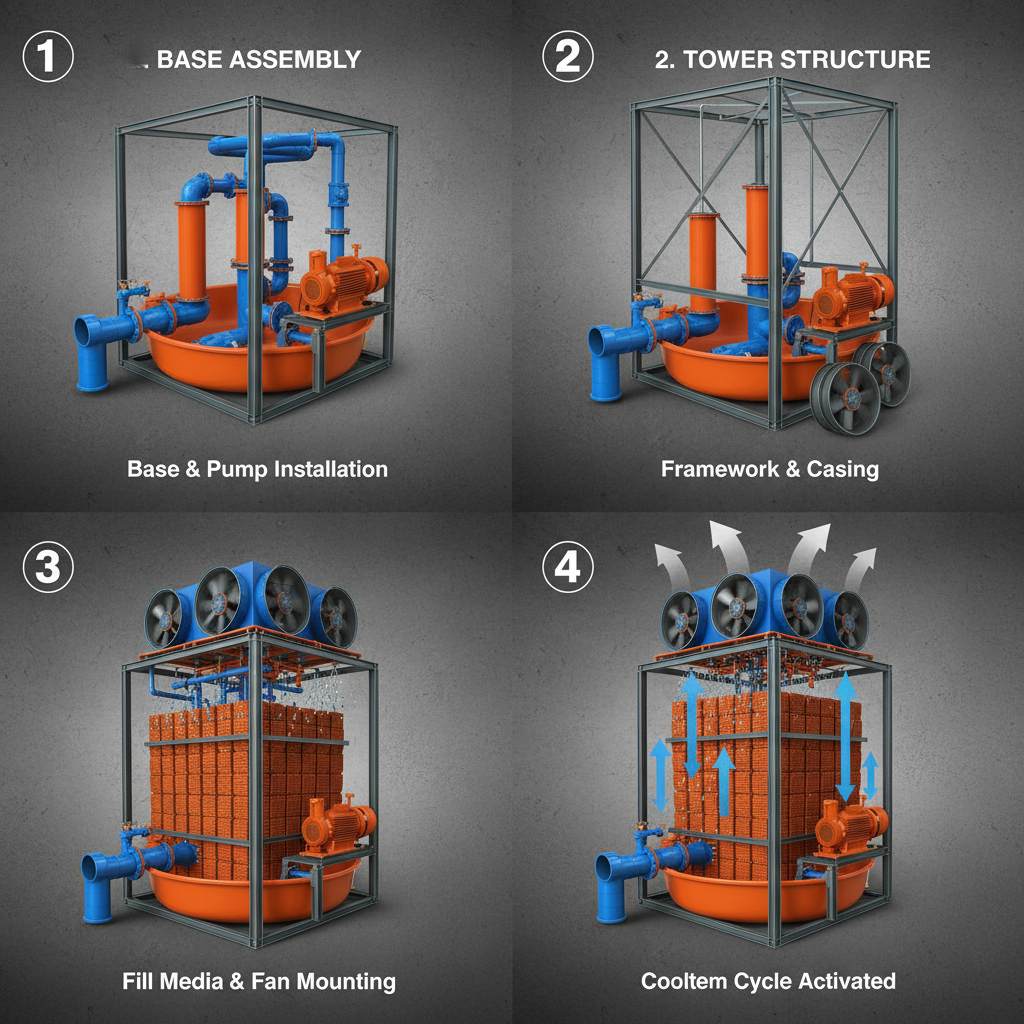
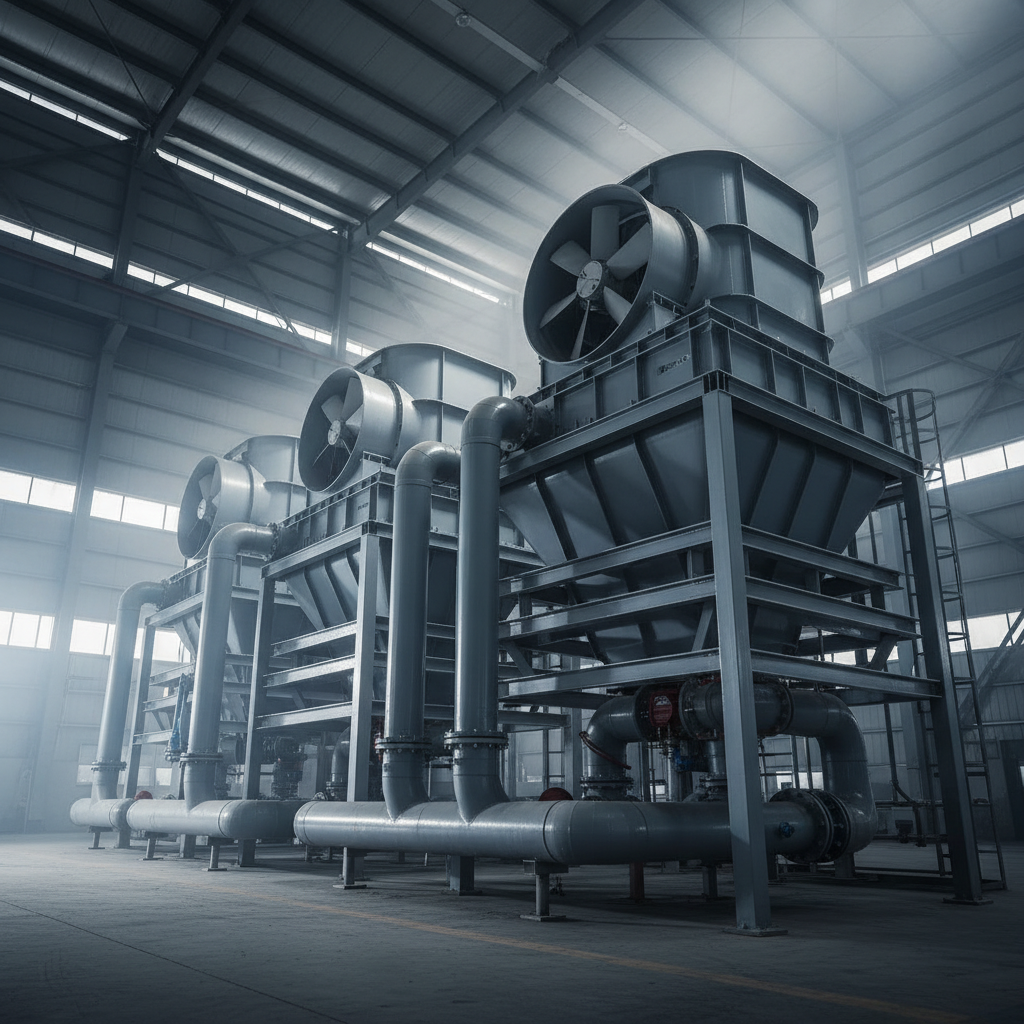
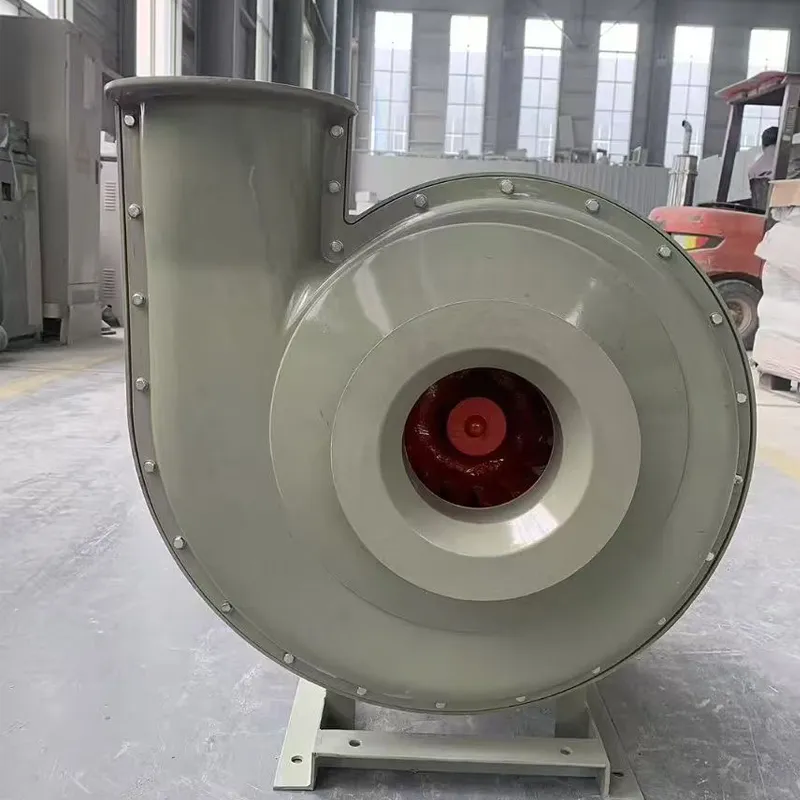
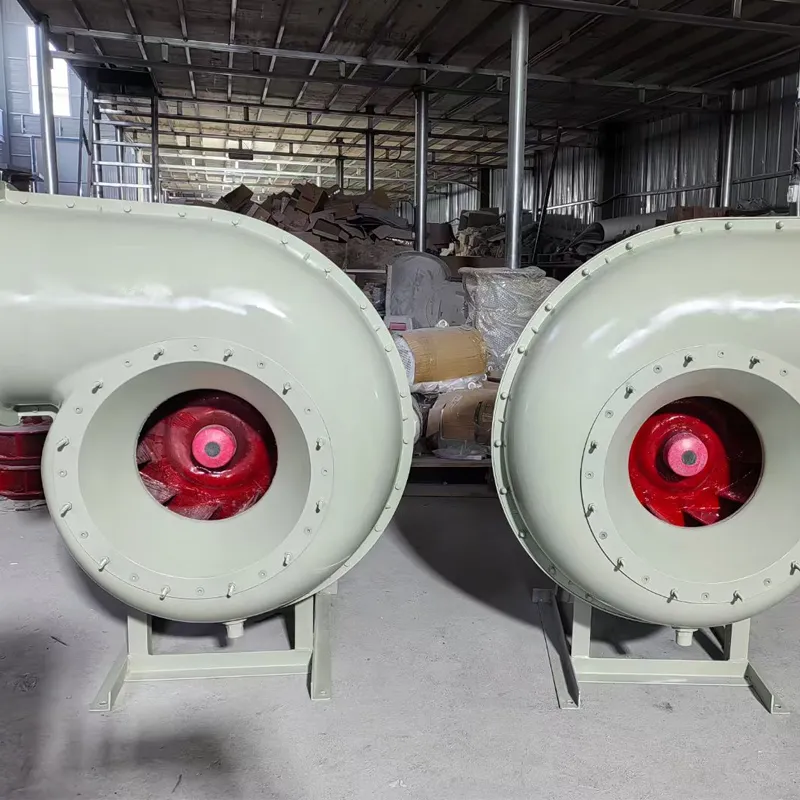
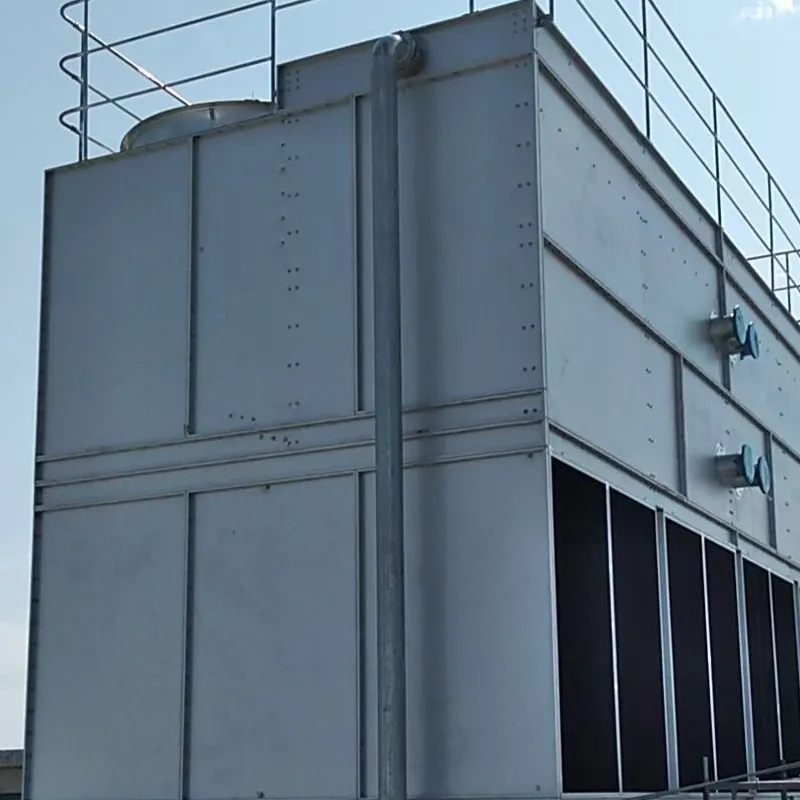
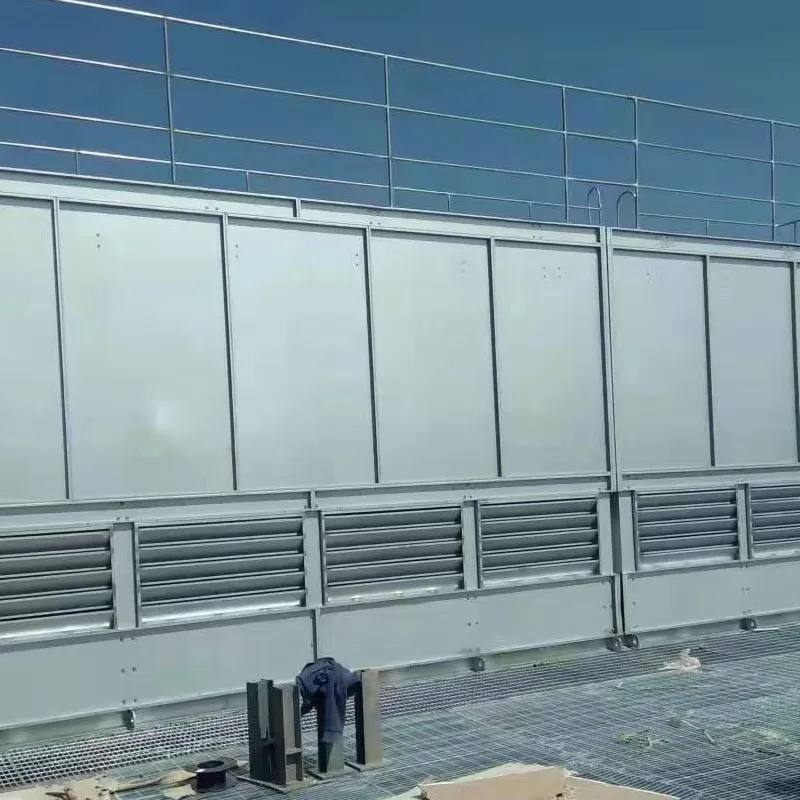
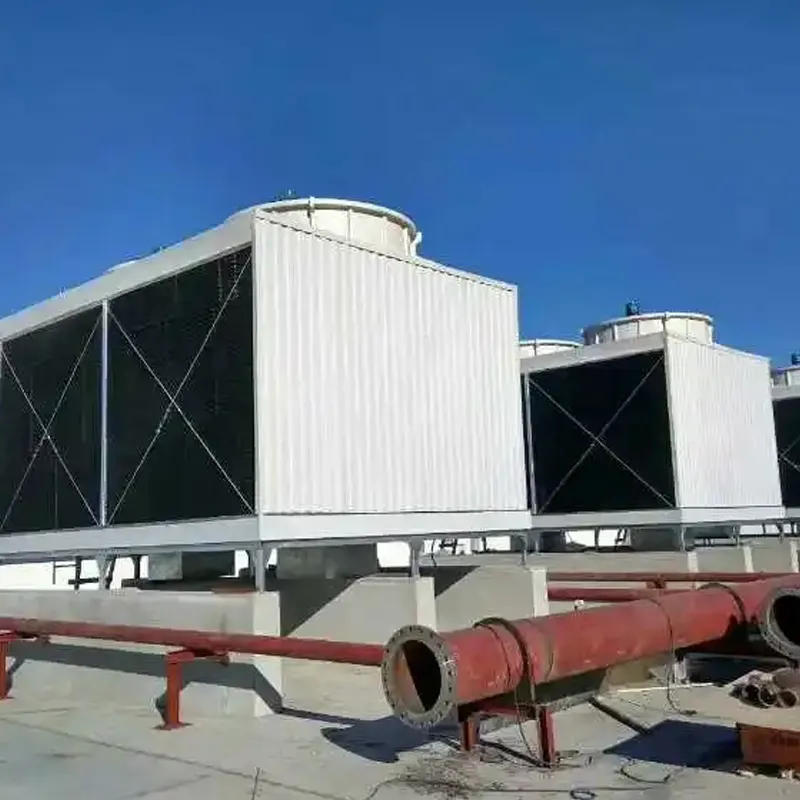
A condenser pump cooling tower isn't a single unit but a system comprised of several key components working in harmony. These include the cooling tower itself – typically a forced draft, induced draft, or natural draft type – designed to facilitate heat exchange between water and air. A condenser pump circulates water between the condenser and the cooling tower, ensuring continuous heat removal. The condenser itself releases heat from the process fluid to the circulating water. Fill material within the tower increases the surface area for efficient heat transfer. Finally, a basin collects the cooled water before it’s pumped back into the system. Understanding how each component interacts is crucial for optimal system performance.
Key Takeaway: The synergy between the condenser, pump, cooling tower, and fill material creates an efficient heat rejection system. Regular inspection and maintenance of each component are vital for preventing downtime and maximizing efficiency.
Applications of Condenser Pump Cooling Towers
These systems are ubiquitous across a wide range of industries. Power plants rely on them to cool steam after it passes through turbines, increasing efficiency. Chemical processing plants utilize them to control reaction temperatures and prevent runaway reactions. HVAC systems in large commercial buildings employ cooling towers for air conditioning. Refineries and petrochemical facilities also benefit from their ability to manage heat loads. Data centers, with their substantial heat generation from servers, increasingly depend on cooling towers to maintain optimal operating temperatures. HLFRP provides tailored cooling tower solutions for various industrial needs.
Industry Applications:
• Power Generation
• Chemical Processing
• HVAC Systems
• Refineries & Petrochemicals
• Data Centers
Condenser Pump Cooling Tower Types: A Comparative Overview
Several cooling tower types exist, each offering advantages and disadvantages. Forced draft towers use fans to push air through the tower, providing consistent performance but consuming more energy. Induced draft towers pull air through the tower, often more efficient than forced draft but potentially noisier. Natural draft towers rely on convection, requiring large structures but minimizing energy consumption. Choosing the right type depends on factors like space availability, energy costs, and noise restrictions.
Effective Maintenance for Optimal Performance
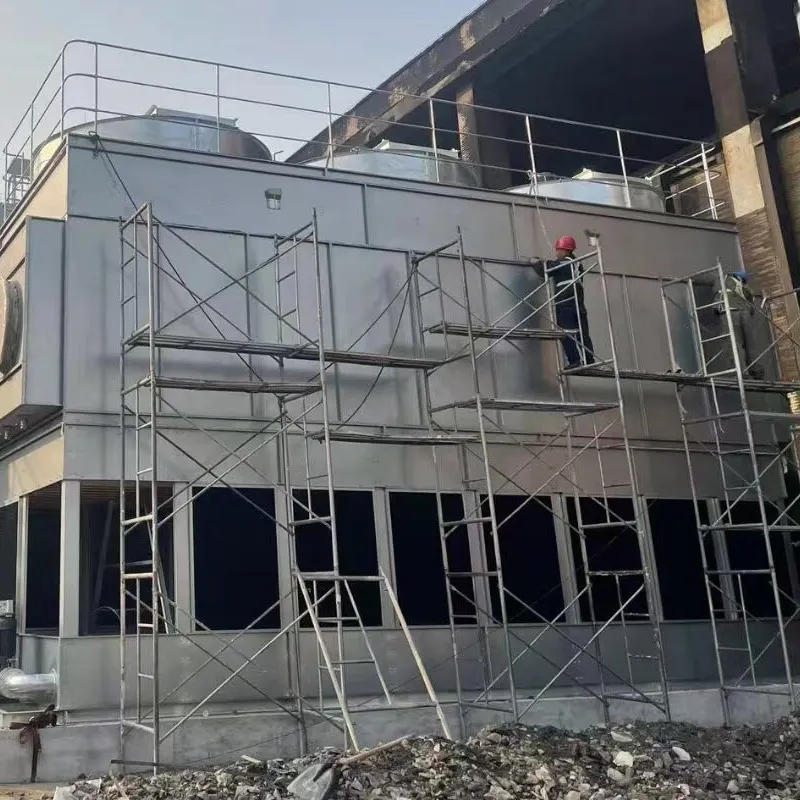
Regular maintenance is essential for ensuring the longevity and efficiency of a condenser pump cooling tower system. This includes periodic cleaning of the fill material to prevent fouling and maintain heat transfer efficiency. Inspecting the condenser pump for wear and tear, and lubricating bearings, is vital. Water treatment is crucial to prevent scaling and corrosion within the system. Monitoring water flow rates and temperatures can identify potential issues before they escalate. HLFRP offers comprehensive maintenance services to keep your cooling tower operating at peak performance.
Choosing the Right System: Key Considerations
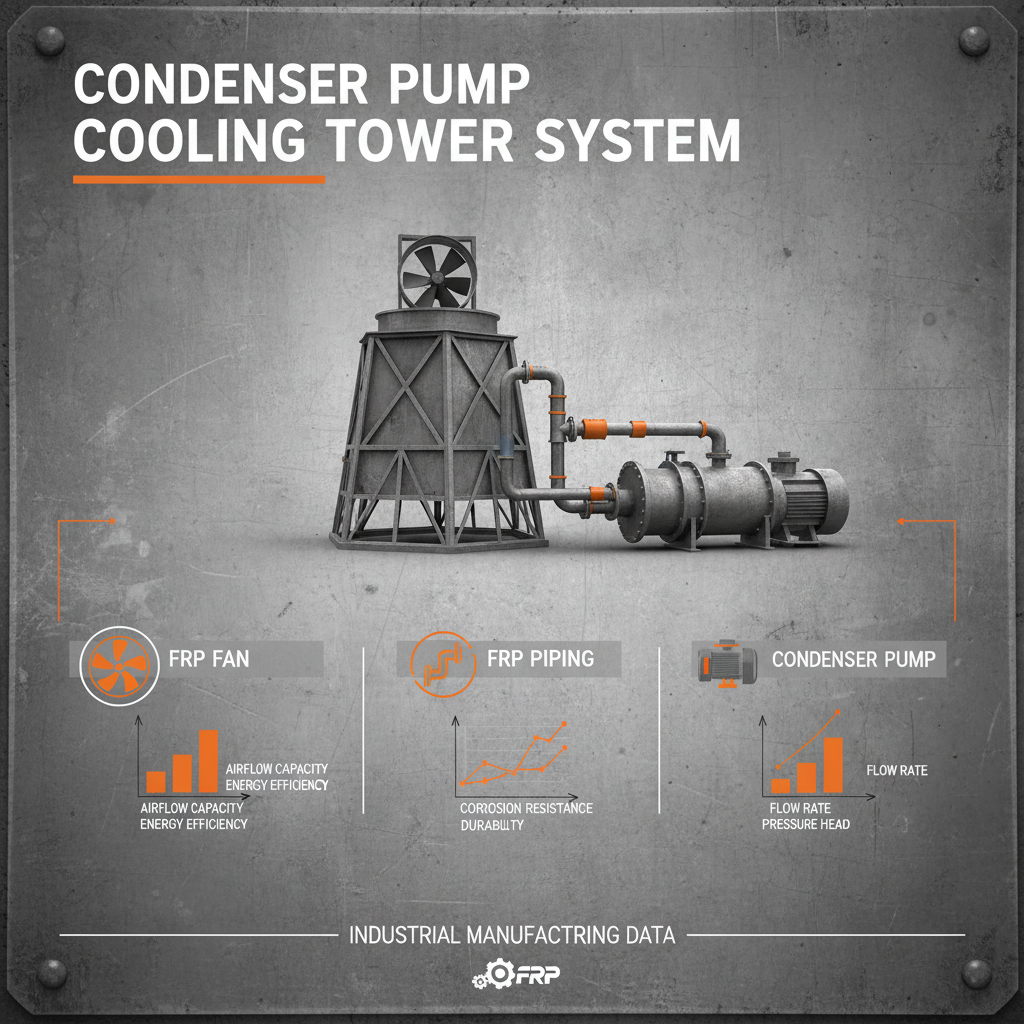
Selecting the ideal condenser pump cooling tower requires careful consideration of several factors. Heat load is a primary concern, determining the necessary cooling capacity. Space constraints dictate the type and size of tower feasible. Energy efficiency is a crucial factor for minimizing operating costs. Water quality affects the choice of materials and water treatment requirements. Noise restrictions may influence the selection of fan types and tower location. Finally, lifecycle costs, including maintenance and potential replacements, should be factored into the decision-making process.
Conclusion: Maximizing Efficiency with Intelligent Cooling
A well-designed and maintained condenser pump cooling tower system is vital for optimizing industrial processes, reducing energy consumption, and ensuring reliable operation. By understanding the components, applications, and maintenance requirements, businesses can make informed decisions that contribute to long-term success. Investing in quality equipment and proactive maintenance is a smart strategy for maximizing efficiency and minimizing downtime.
Frequently Asked Questions (FAQs)
What is the typical lifespan of a condenser pump used in a cooling tower?
The lifespan of a condenser pump varies depending on operating conditions, water quality, and maintenance practices. However, a well-maintained pump can typically last between 5 and 10 years. Factors that shorten lifespan include abrasive particles in the water, corrosion, and excessive cycling. Regular inspections for leaks, bearing wear, and motor performance are crucial. Preventative maintenance, such as lubrication and seal replacements, can significantly extend the pump's life. Promptly addressing any issues prevents minor problems from escalating into costly repairs or replacements.
How often should the fill material in a cooling tower be cleaned?
The frequency of fill material cleaning depends on water quality and environmental conditions. As a general guideline, cleaning should be performed at least annually, but more frequent cleaning (every 6-12 months) may be necessary in areas with high levels of dust, debris, or mineral deposits. Fouled fill material reduces cooling efficiency and increases the risk of bacterial growth. Visual inspection for scaling, algae, or sediment buildup can help determine the appropriate cleaning schedule. Proper cleaning restores airflow and maximizes heat transfer performance.
What water treatment is typically required for a condenser pump cooling tower?
Effective water treatment is crucial for preventing scaling, corrosion, and biological growth in cooling tower systems. Common treatment methods include the addition of scale inhibitors, corrosion inhibitors, and biocides. Scale inhibitors prevent the deposition of minerals on heat transfer surfaces. Corrosion inhibitors protect metal components from corrosion. Biocides control the growth of bacteria, algae, and fungi. Water testing and analysis are essential for determining the appropriate treatment program. Regular monitoring and adjustments are necessary to maintain optimal water quality and system performance.
What safety precautions should be taken when working on a cooling tower?
Working on cooling towers requires strict adherence to safety protocols. Always de-energize and lock out electrical components before performing any maintenance. Wear appropriate personal protective equipment (PPE), including gloves, safety glasses, and respirators. Be aware of the risk of Legionella bacteria and take precautions to prevent inhalation of contaminated water droplets. Follow proper fall protection procedures when working at heights. Consult with qualified personnel for any complex repairs or maintenance tasks.





Address
20 Xingyuan South Street, Zaoqiang County, Hengshui City, Hebei Province, China


