


We Are Open 24 Hours a Day, 7 Days a Week, Including Weekends and Public Holidays.

Optimizing Industrial Processes with a Chiller and Cooling Tower System
Chiller and Cooling Tower System: A Comprehensive Guide
In industrial processes, maintaining optimal temperatures is crucial for efficiency and product quality. A chiller and cooling tower system plays a pivotal role in achieving this, effectively removing excess heat. This article explores the components, operation, benefits, and considerations when implementing such a system. Understanding these systems is vital for engineers, facility managers, and anyone involved in process cooling. We'll cover everything from basic principles to selecting the right equipment for specific applications.
Understanding the Core Components of a Chiller System
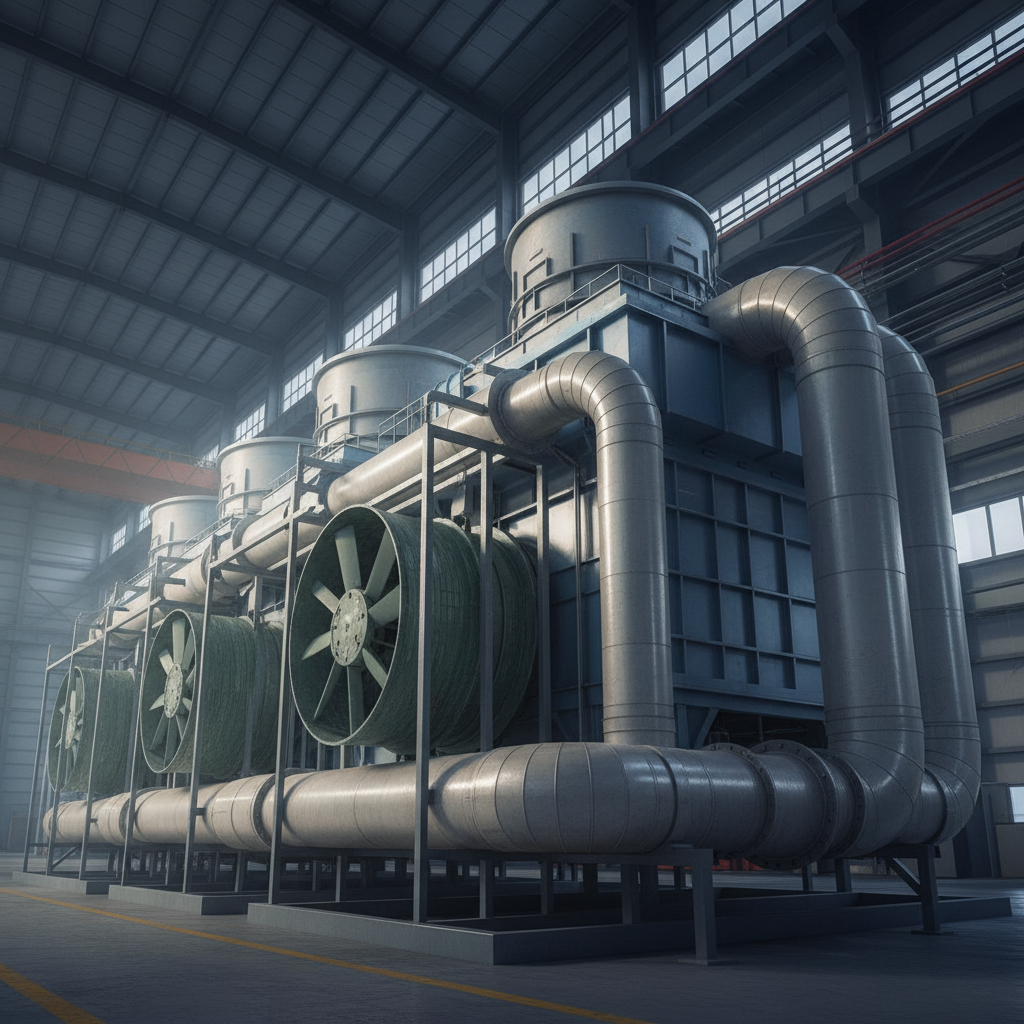
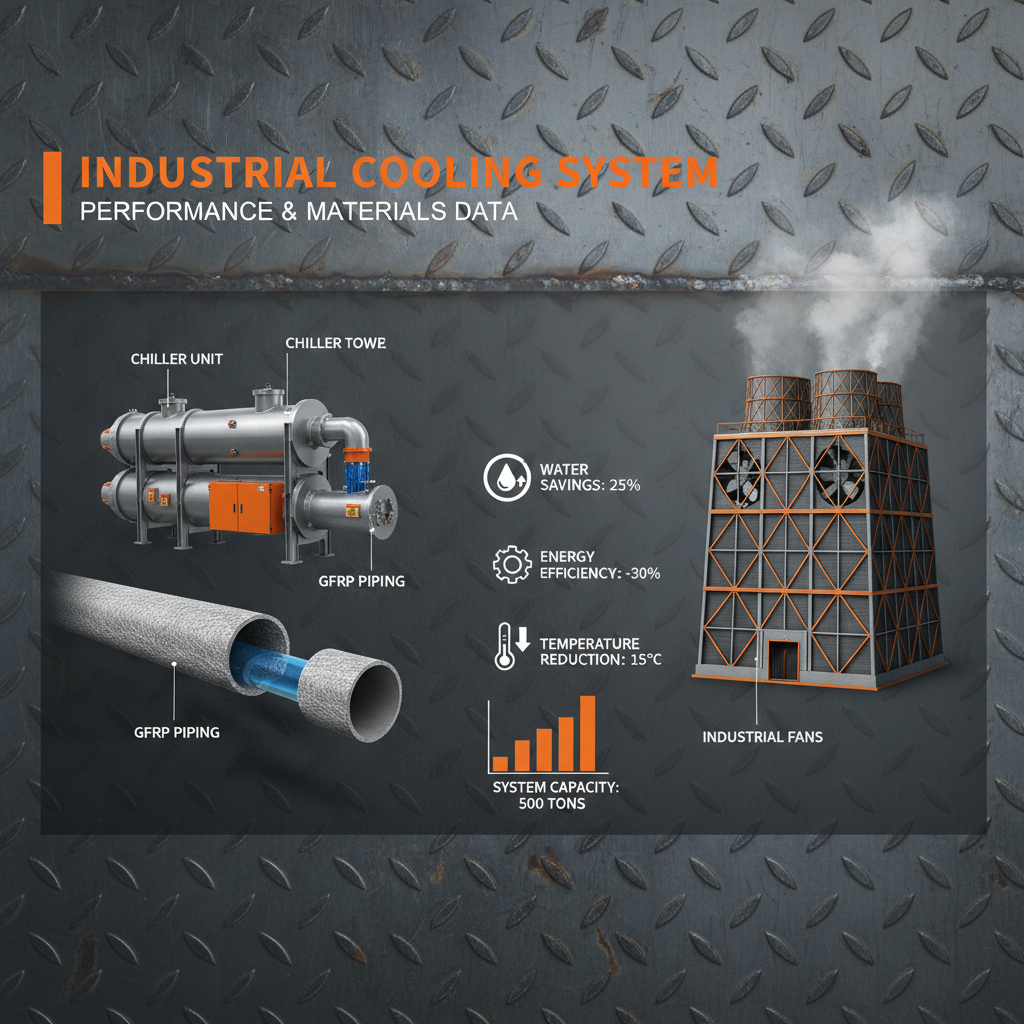
A chiller system’s primary function is to cool a fluid – typically water or a glycol mixture – which is then circulated to remove heat from industrial processes. The core components include the compressor, condenser, expansion valve, and evaporator. The compressor increases the refrigerant’s pressure and temperature, while the condenser releases heat to the surrounding environment. The expansion valve reduces the refrigerant’s pressure, and the evaporator absorbs heat from the chilled water loop. HLFRP specializes in providing high-efficiency chillers designed for optimal performance and reliability.
Key Highlights: A chiller system effectively removes heat from industrial processes, utilizing a refrigerant cycle to cool a fluid circulated through equipment.
The Role of Cooling Towers in Heat Rejection
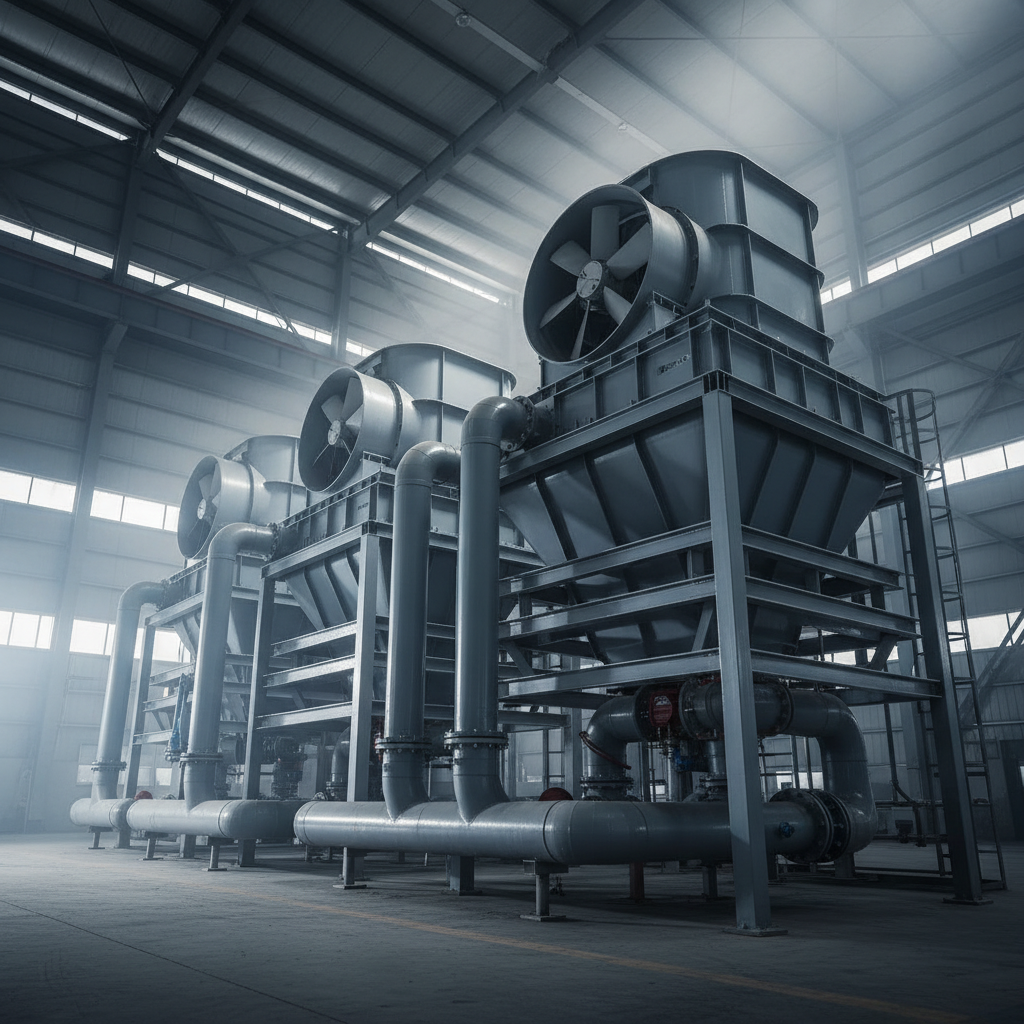
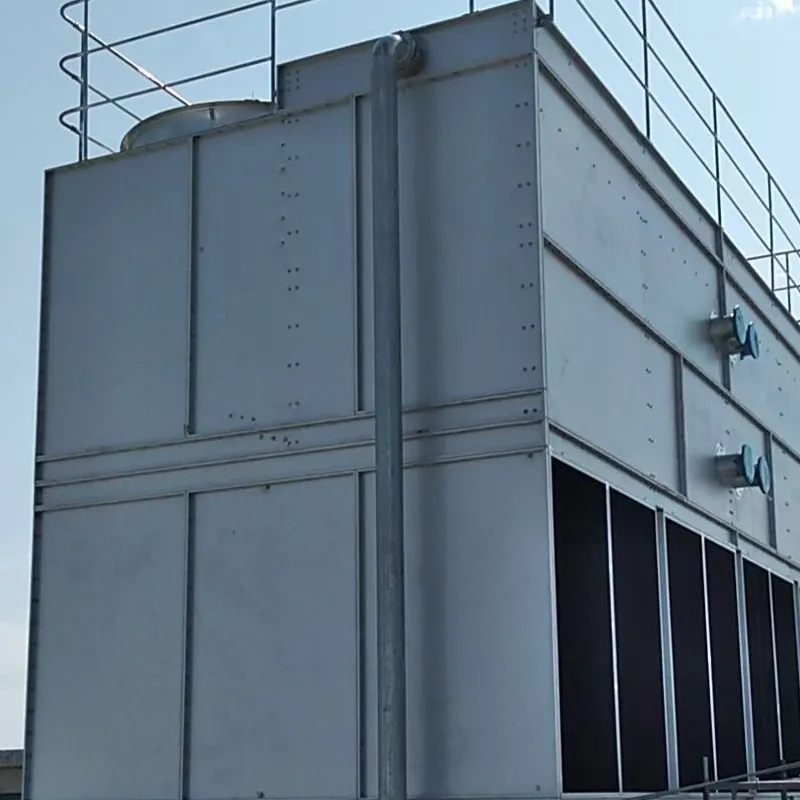
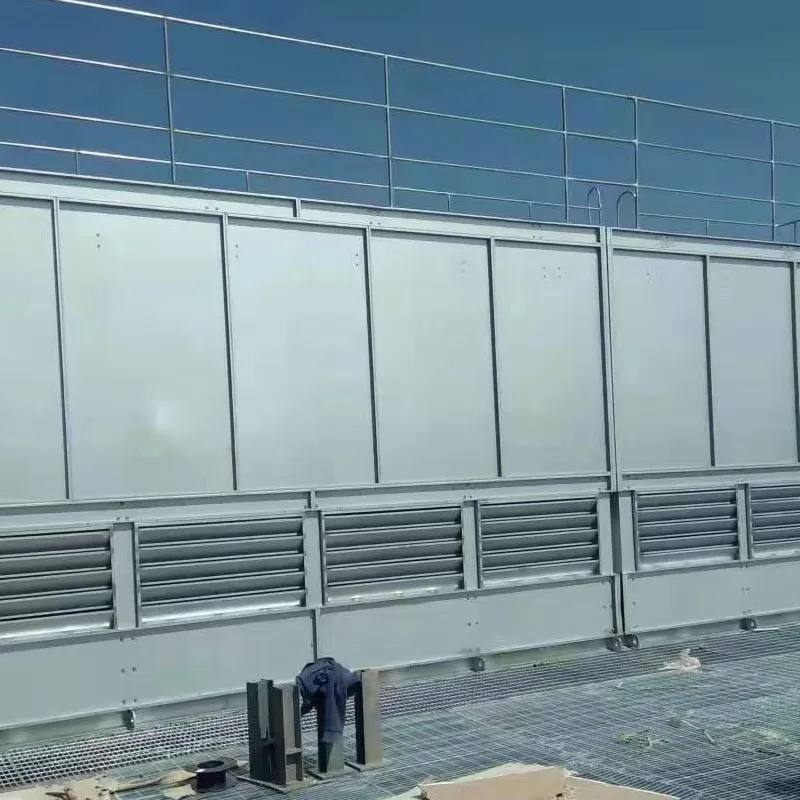
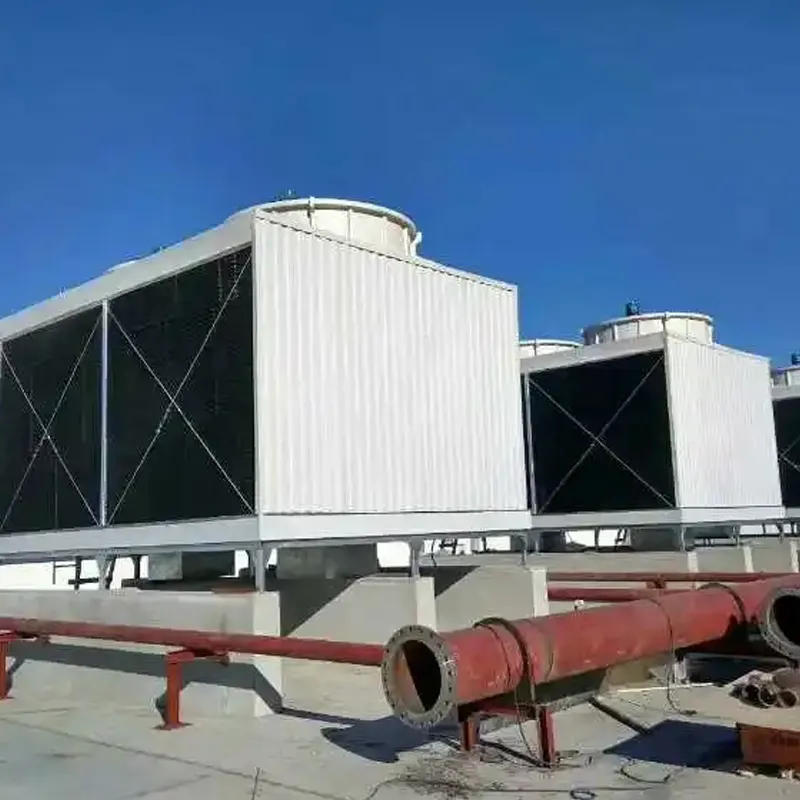
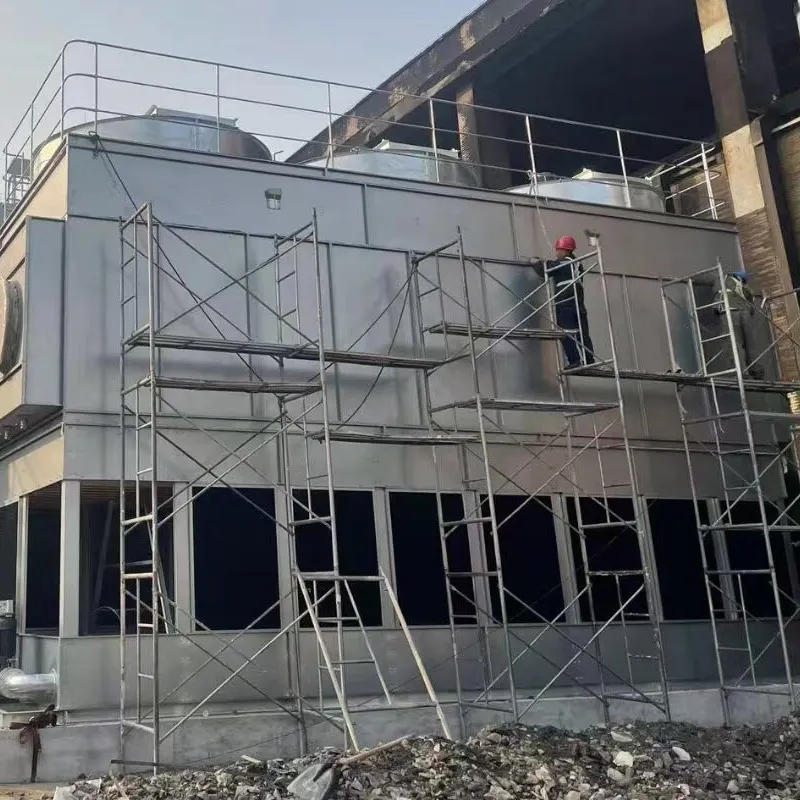
While chillers remove heat from the process fluid, that heat must be dissipated. This is where cooling towers come into play. Cooling towers utilize evaporation to reject heat from the chiller’s condenser water. Water is sprayed over fill material, maximizing surface area for evaporation. Airflow, created by fans, facilitates the evaporation process. The cooled water is then recirculated back to the chiller’s condenser. Effective cooling tower operation is crucial for maintaining chiller efficiency.
Cooling Tower Benefits:
• Efficient heat rejection
• Reduced water consumption (with proper maintenance)
• Lower operating costs compared to other cooling methods
Chiller and Cooling Tower System Types: A Comparison
There are several types of chillers and cooling towers available, each suited for different applications. Chillers can be air-cooled, water-cooled, or absorption chillers. Cooling towers can be natural draft or forced draft. The choice depends on factors like cooling load, available space, water availability, and energy efficiency requirements. HLFRP provides a wide selection of both chiller and cooling tower types to meet diverse needs.
Benefits of Implementing a Chiller and Cooling Tower System
Implementing a well-designed chiller and cooling tower system offers numerous benefits, including increased process efficiency, improved product quality, reduced operating costs, and extended equipment lifespan. By maintaining precise temperature control, you can optimize production processes and minimize downtime. Additionally, modern systems are designed with energy efficiency in mind, reducing your environmental impact and utility bills. Contact HLFRP today for a free consultation!
Maintenance and Operational Considerations for Long-Term Reliability
Regular maintenance is critical for ensuring the long-term reliability and efficiency of your chiller and cooling tower system. This includes routine inspections, cleaning, water treatment, and component replacements. Proper water treatment prevents scaling and corrosion, while regular cleaning removes debris and maintains optimal heat transfer. Following the manufacturer’s recommendations for maintenance schedules is essential. HLFRP offers comprehensive maintenance services to keep your system running smoothly.
Conclusion: Optimizing Your Cooling Process with the Right System
Investing in a properly designed and maintained chiller and cooling tower system is crucial for operational efficiency, product quality, and cost savings. By understanding the components, types, and maintenance requirements, you can ensure optimal performance and longevity. HLFRP is your trusted partner for all your cooling needs, providing expert guidance and reliable solutions.
Frequently Asked Questions (FAQs)
What is the typical lifespan of a chiller?
The lifespan of a chiller typically ranges from 15 to 20 years, but this can vary depending on factors like usage, maintenance, and operating conditions. Regular maintenance, including cleaning, refrigerant checks, and component inspections, is crucial for maximizing the lifespan of your chiller. Investing in high-quality chillers from reputable manufacturers, such as HLFRP, can also contribute to a longer service life. Unexpected downtime can be costly, so proactive maintenance is highly recommended.
How often should I treat the water in my cooling tower?
Water treatment in a cooling tower should be performed regularly, typically every 1-3 months, depending on water quality and usage. Proper water treatment prevents scaling, corrosion, and biological growth, which can significantly reduce cooling efficiency and damage equipment. Testing the water for pH, conductivity, and total dissolved solids (TDS) is essential for determining the appropriate treatment chemicals and dosage. HLFRP offers water treatment solutions specifically designed for cooling tower systems.
What are the key factors to consider when selecting a chiller?
Several factors should be considered when selecting a chiller, including cooling load, process temperature requirements, available space, energy efficiency, water availability, and environmental regulations. Determining the precise cooling load is crucial for sizing the chiller correctly. Consider the total heat rejection required and the type of refrigerant best suited for your application. HLFRP's experienced engineers can help you assess your specific needs and recommend the optimal chiller solution.
How can I improve the energy efficiency of my chiller and cooling tower system?
Several strategies can improve energy efficiency, including optimizing cooling tower fan speed, maintaining clean condenser coils, implementing variable frequency drives (VFDs) on pumps and fans, and utilizing advanced control systems. Regular maintenance, proper water treatment, and upgrading to energy-efficient equipment can also significantly reduce energy consumption. Consider implementing a building automation system (BAS) to monitor and control the system's performance in real-time.





Address
20 Xingyuan South Street, Zaoqiang County, Hengshui City, Hebei Province, China


