


We Are Open 24 Hours a Day, 7 Days a Week, Including Weekends and Public Holidays.

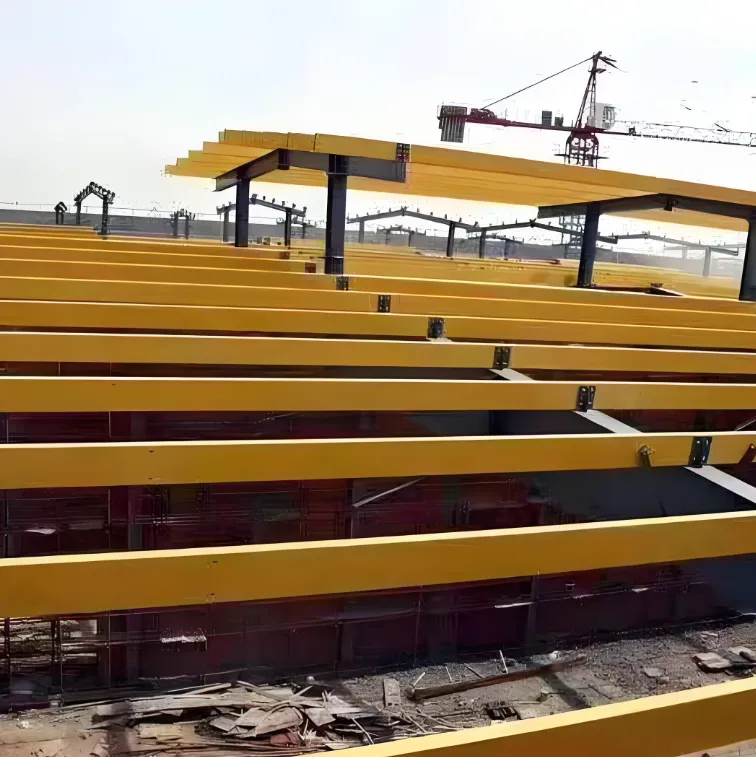
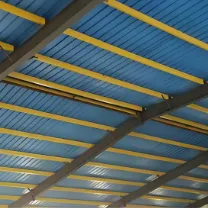
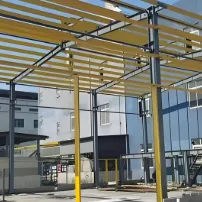
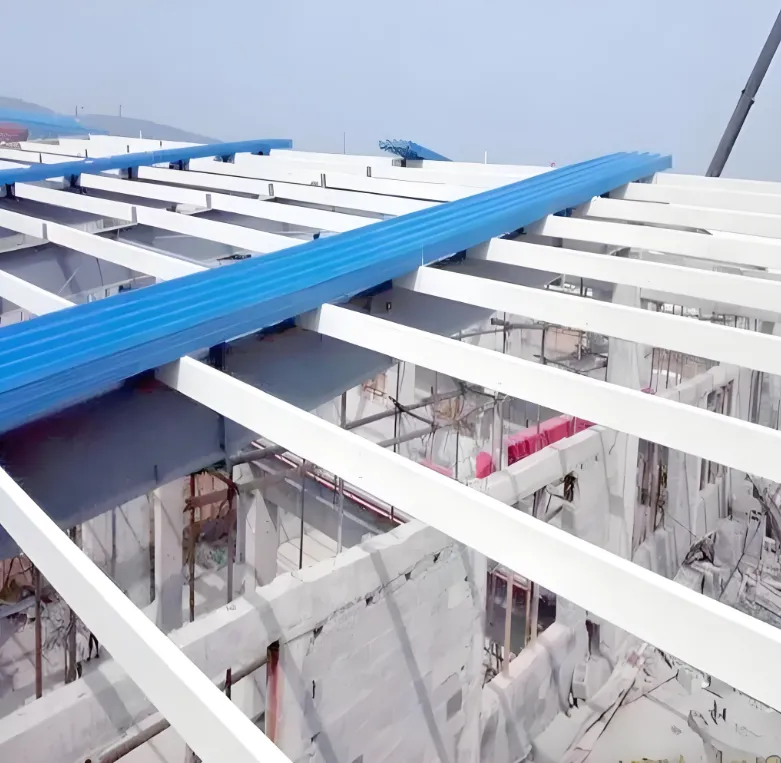
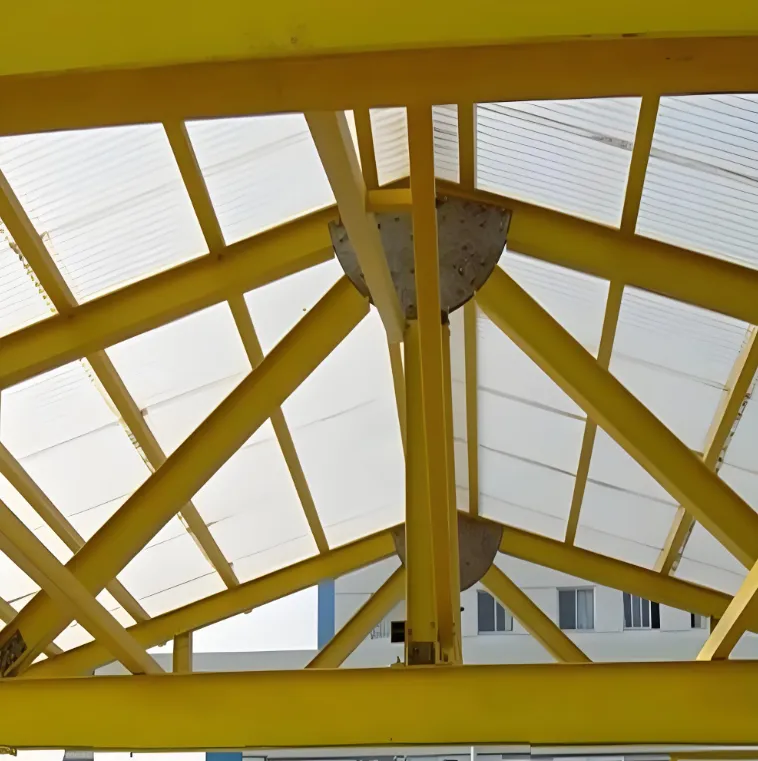
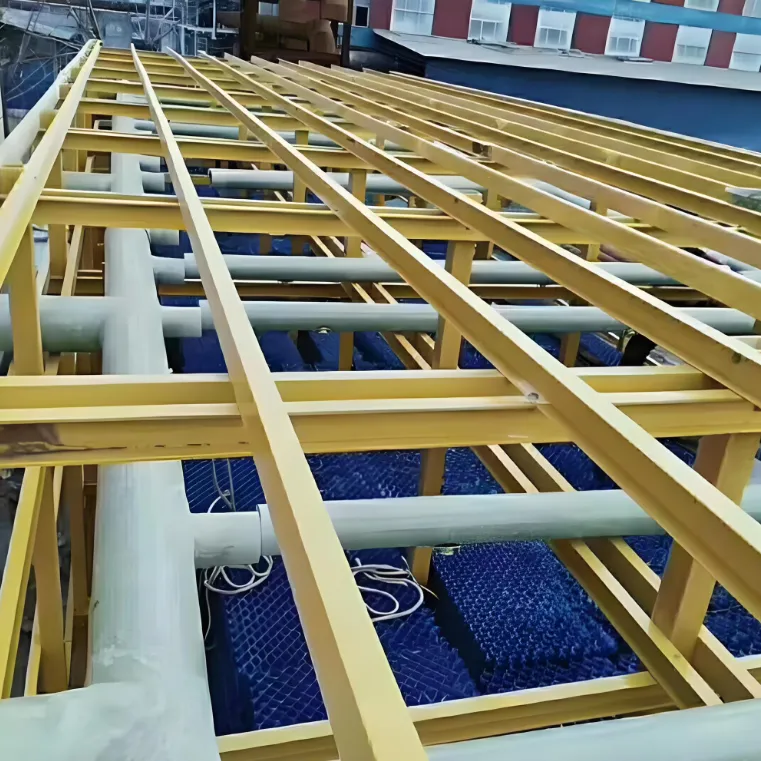
FRP Anti Corrosion Purlin
1.Keywords
FRP Roof Purlins, Chemical-Resistant Structural Purlins, Non-Metallic Roof Supports, Fiberglass Building Purlins, Industrial Roofing Beams, Acid-Resistant Purlins, UV-Stable Roof Battens, Lightweight Structural Purlins, Composite Construction Purlins
2.Technical Specifications
1. Material & Construction
Parameter | Specification |
Base Material | Vinyl Ester Resin + E-Glass Fiber |
Reinforcement | Unidirectional Roving (Axial Strength >400 MPa) |
Surface Finish | UV-resistant Gel Coat (RAL Colors Available) |
Fire Rating | Class B1 (GB 8624) / UL94 V-0 |
Thermal Conductivity | 0.3 W/m·K |
2. Standard Sizes
Profile | Width (mm) | Height (mm) | Thickness (mm) | Span Capacity (m) |
C-Type | 80-300 | 40-100 | 3-6 | 2-8 |
Z-Type | 100-400 | 50-120 | 4-8 | 3-10 |
Box-Type | 120-500 | 60-150 | 5-10 | 4-12 |
3. Mechanical Properties
Property | Value | vs Steel Purlins |
Tensile Strength | 350 MPa | Comparable |
Flexural Strength | 300 MPa | 80% of Steel |
Weight | 1.8 g/cm³ | 1/4 Steel Weight |
Thermal Expansion | 6×10⁻⁶/°C | 1/2 Aluminum |
3.Key Advantages
1. Extreme Corrosion Resistance
Chemical Exposure Tests:
Chemical | Exposure Time | Degradation |
10% HCl | 5 years | <0.1% weight loss |
50% H₂SO₄ | 3 years | Surface gloss retained |
Salt Spray | 10,000 hours | No blistering |
2. Structural Performance
Load Capacity:
Span (m) | Uniform Load (kN/m²) |
4 | 1.5 |
6 | 0.8 |
8 | 0.5 |
Fatigue Life: >10⁷ cycles @ 30% ultimate load
3. Installation Benefits
1/4 the Weight of Steel:
6m Z-purlin: 12kg (FRP) vs 48kg (Steel)
Tool Compatibility:
Cut with wood saws, drill with standard bits
Joining Systems:
Method | Strength |
Adhesive Bonding | 20 MPa shear |
Mechanical Fasteners | 15 kN per connection |
4.Industry Applications
A. Chemical Plant Roofing
Acid Storage Buildings:
Feature | Benefit |
HF Resistance | No corrosion in fluorine environments |
No Rust Staining | Preserves roof membrane |
B. Marine Facilities
Coastal Warehouses:
Withstands salt spray at 120km/h winds
50-year lifespan in C5-M corrosion zones
C. Food Processing Plants
Washdown Areas:
Resists CIP cleaning chemicals (pH 2-12)
FDA-compliant resin options
D. Solar Farm Structures
PV Mounting Rails:
Advantage | Value |
Non-Conductive | Eliminates stray current |
Low Thermal Expansion | ±2mm/10m @ ΔT=50°C |
5.Customization Options
1. Enhanced Properties
Fire Retardant: LOI >28 (ASTM D2863)
Anti-Static: Surface resistivity 10⁶-10⁹ Ω/sq
High-Temp: Up to 150°C continuous (special resins)
2. Smart Features
Strain Gauges: Embedded fiber optic sensors
RFID Tags: For maintenance tracking
3. Accessories
Accessory | Function |
End Caps | Prevent water ingress |
Splice Plates | Multi-span connections |
Insulation Pads | Thermal break |
6.Quality Assurance
Testing Standards:
Test | Standard |
Flexural | ASTM D790 |
Impact | ISO 179 |
Certifications:
ISO 9001
CE Marking (EN 13706)
7.Contact for
Wind/snow load calculations
CAD profiles (DWG/STEP)
Custom die tooling services
What Is an FRP Purlin and Why Is It Replacing Steel in Modern Construction?
When comparing FRP purlin vs steel purlin, the decision often comes down to long-term performance, maintenance costs, and environmental suitability. While steel has traditionally dominated the construction industry, FRP purlins (Fiber Reinforced Polymer purlins) are rapidly gaining popularity due to their advanced material properties and cost efficiency over time.
One of the biggest advantages of an FRP purlin is its exceptional resistance to corrosion. Steel purlins, even when galvanized, are prone to rust when exposed to moisture, chemicals, or salt-laden air. This makes them less suitable for harsh environments such as coastal regions, chemical plants, and wastewater treatment facilities. In contrast, fiberglass purlins are inherently corrosion-resistant, ensuring a longer service life with minimal degradation.
Another key factor is weight. FRP purlins are significantly lighter than steel, which simplifies transportation and installation. This not only reduces labor costs but also minimizes structural load, allowing for more flexible design options. Despite their lightweight nature, FRP purlins offer impressive strength-to-weight ratios, making them suitable for demanding structural applications.
From a financial perspective, while the initial FRP purlin price may be higher than steel, the overall return on investment (ROI) is often better. Reduced maintenance, longer lifespan, and fewer replacements contribute to lower lifecycle costs. Additionally, FRP materials do not require frequent painting or anti-corrosion treatments, further reducing operational expenses.
In summary, for projects requiring durability, low maintenance, and resistance to harsh conditions, FRP purlins provide a clear advantage over traditional steel solutions.
Key Advantages of FRP Purlins in Corrosive and Coastal Environments
In environments where corrosion is a constant challenge, choosing the right structural material is critical. FRP purlins stand out as a superior solution due to their outstanding resistance to chemical exposure, moisture, and salt air. This makes them an ideal choice for coastal infrastructure, marine facilities, and industrial plants.
Traditional materials like steel often struggle in these conditions. Even with protective coatings, steel purlins can corrode over time, leading to structural weakening, increased maintenance, and higher replacement costs. In contrast, corrosion-resistant FRP purlins are manufactured using high-performance resins and fiberglass reinforcements that are inherently resistant to rust, oxidation, and chemical attack.
This durability significantly extends the lifespan of the structure. Facilities such as wastewater treatment plants, fertilizer factories, and coastal warehouses benefit greatly from using FRP structural profiles, as they maintain their integrity even under continuous exposure to aggressive substances.
Another major advantage is reduced maintenance. Since FRP purlins do not corrode, they eliminate the need for regular inspections, repainting, or protective treatments. This translates into lower operational costs and improved safety, as there is less risk of structural failure due to material degradation.
Additionally, FRP purlins offer excellent dimensional stability. Unlike metal, they are less affected by temperature fluctuations and humidity, ensuring consistent performance in challenging climates.
Overall, for projects located in corrosive or coastal environments, FRP purlins provide a reliable, long-lasting, and cost-effective alternative to traditional materials.
How to Choose the Right FRP Purlin for Your Project
Selecting the right FRP purlin is essential to ensure structural safety, performance, and cost efficiency. With a wide range of specifications and customization options available, understanding key selection factors can help you make an informed decision.
The first consideration is load capacity. Different projects have varying structural requirements depending on roof span, wind loads, and environmental conditions. It is important to evaluate the FRP purlin load capacity and ensure it meets engineering standards for your specific application. Consulting structural design guidelines or working with experienced manufacturers can help determine the appropriate profile size and thickness.
Material composition is another critical factor. FRP purlins are made using different resin systems, such as polyester, vinyl ester, or epoxy. For example, vinyl ester resins offer superior corrosion resistance, making them ideal for chemical or marine environments. Choosing the right resin ensures long-term durability and performance.
Dimensions and profile design also play a key role. Common shapes include C-channel, Z-section, and custom profiles. The choice depends on installation requirements, load distribution, and compatibility with existing structures. Proper sizing ensures stability while optimizing material usage.
Environmental conditions should not be overlooked. Factors such as UV exposure, temperature extremes, and humidity levels can affect material performance. Many fiberglass purlins are designed with UV-resistant coatings and fire-retardant properties to enhance safety and longevity.
Finally, consider supplier capabilities. A reliable manufacturer should offer custom FRP purlin solutions, quality certifications, and technical support. This ensures that the product meets both performance expectations and industry standards.
By carefully evaluating these factors, you can select the most suitable FRP purlin for your project, ensuring durability, efficiency, and long-term value.

FRP Anti Corrosion Purlin Customer Evaluation

FRP Anti Corrosion Purlin FAQ
-
What material is the FRP anti corrosion purlin made of?
It is made from Fiber Reinforced Plastic (FRP), combining high mechanical strength with excellent corrosion resistance.
-
Where are FRP anti corrosion purlins commonly used?
They are widely used in chemical plants, coastal buildings, wastewater treatment facilities, and other corrosive industrial environments.
-
How does FRP compare to steel purlins?
FRP purlins are lighter, corrosion-resistant, non-conductive, and require less maintenance compared to traditional steel purlins.
-
Can the FRP purlin be customized?
Yes, customization options such as profile shape, length, load capacity, and resin type are available based on project needs.


Apr 16,2026
Professional Guide to Effective Cooling Tower Treatment Strategies
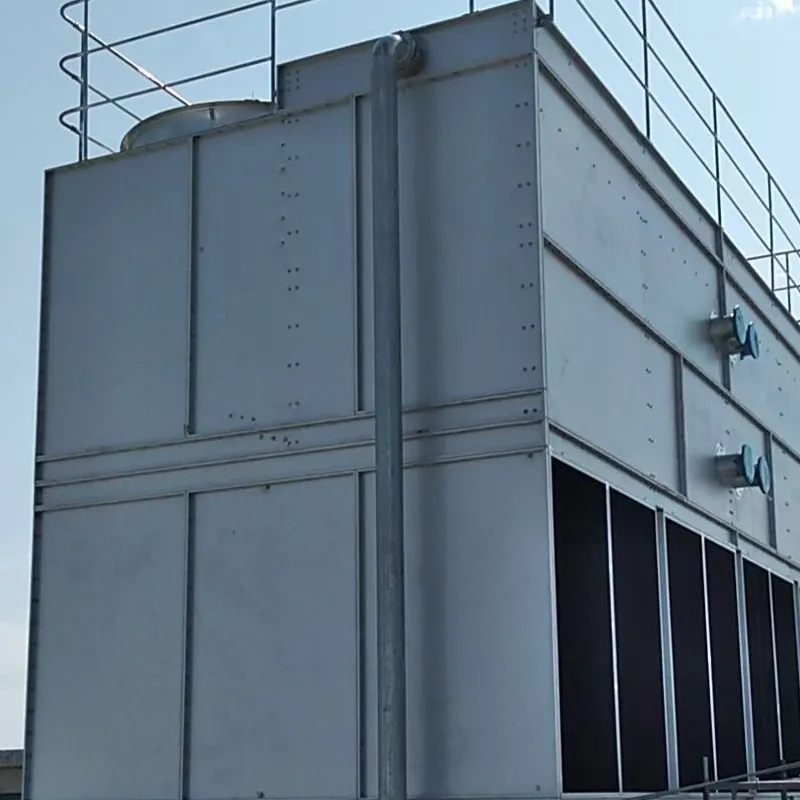
Maintaining industrial cooling systems is critical for operational efficiency and equipment longevity. A professional cooling tower treatment strategy is not just about cleaning; it is about preventing scale buildup, corrosion, and the growth of harmful microorganisms. Without proper management, these systems can suffer from reduced heat transfer efficiency, leading to higher energy costs and potential system failures. In this guide, we will explore the essential components of water treatment, the chemistry involved, and how to optimize your cooling tower for maximum performance and sustainability.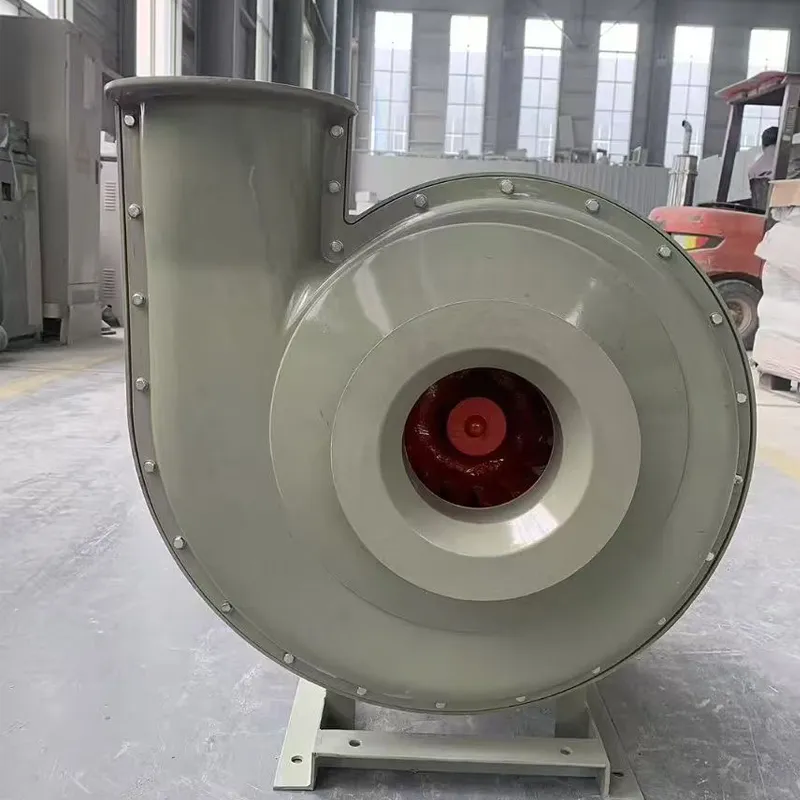


Address
20 Xingyuan South Street, Zaoqiang County, Hengshui City, Hebei Province, China


