


نحن مفتوحون 24 ساعة في اليوم، 7 أيام في الأسبوع، بما في ذلك عطلات نهاية الأسبوع والعطلات الرسمية.

Axial And Centrifugal Fans Integration For Advanced Ventilation Systems
In modern air handling and ventilation design, combining the strengths of different fan types is becoming increasingly important. Solutions that integrate axial and centrifugal fans offer enhanced efficiency, flexibility, and performance across a wide range of industrial and commercial applications. Whether you are evaluating an axial flow fan for sale or comparing an axial fan and centrifugal fan, understanding how these systems work together can help you make smarter investment decisions.
Axial fans are known for their ability to move large volumes of air efficiently, while centrifugal fans excel at generating high pressure in ducted systems. By leveraging both technologies—sometimes in the form of an axial centrifugal fan configuration—engineers can design systems that meet complex airflow requirements. From compact units like 10 axial fan و 18 axial fan models to heavy-duty commercial axial fan و 220v axial fan options, there is a wide range of solutions available for different operational needs.
This article explores how these fan types can be integrated, their advantages, and how to select the right setup for your specific application.
How Axial Flow Fan For Sale Options Fit Into System Design
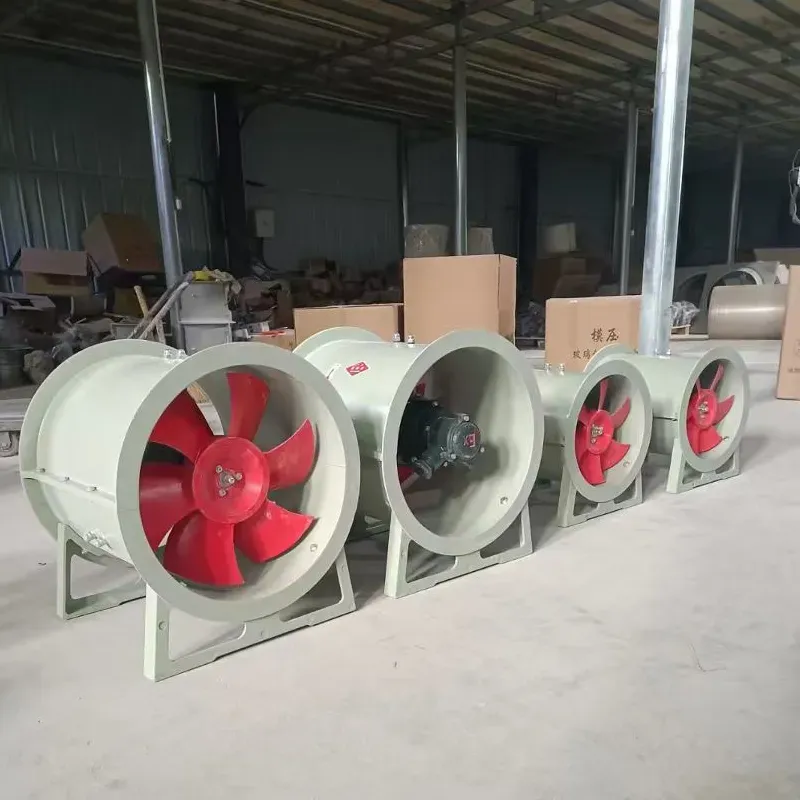
When exploring axial flow fan for sale, it’s important to understand where axial fans fit within a broader ventilation system. These fans are typically used for high-volume, low-pressure airflow, making them ideal for general ventilation, cooling, and air circulation.
A commercial axial fan is commonly installed in large open spaces such as warehouses, factories, and agricultural facilities. These fans ensure continuous airflow, helping to regulate temperature and improve air quality. For smaller or localized needs, a 10 axial fan can be used to ventilate confined areas or cool specific equipment.
Meanwhile, a 18 axial fan offers a balance between size and performance, making it suitable for medium-sized spaces that require consistent airflow. In many cases, a 220v axial fan is preferred due to its compatibility with standard industrial power supplies and its ability to deliver reliable performance over long operating hours.
In integrated systems, axial fans often serve as the first stage of airflow movement. They push large volumes of air into or through a space, which can then be directed into duct systems where centrifugal fans take over. This combination ensures both efficient air movement and sufficient pressure to overcome system resistance.
By carefully selecting the right axial flow fan for sale, businesses can optimize airflow while minimizing energy consumption and operational costs.
Combining Axial Fan And Centrifugal Fan For Performance
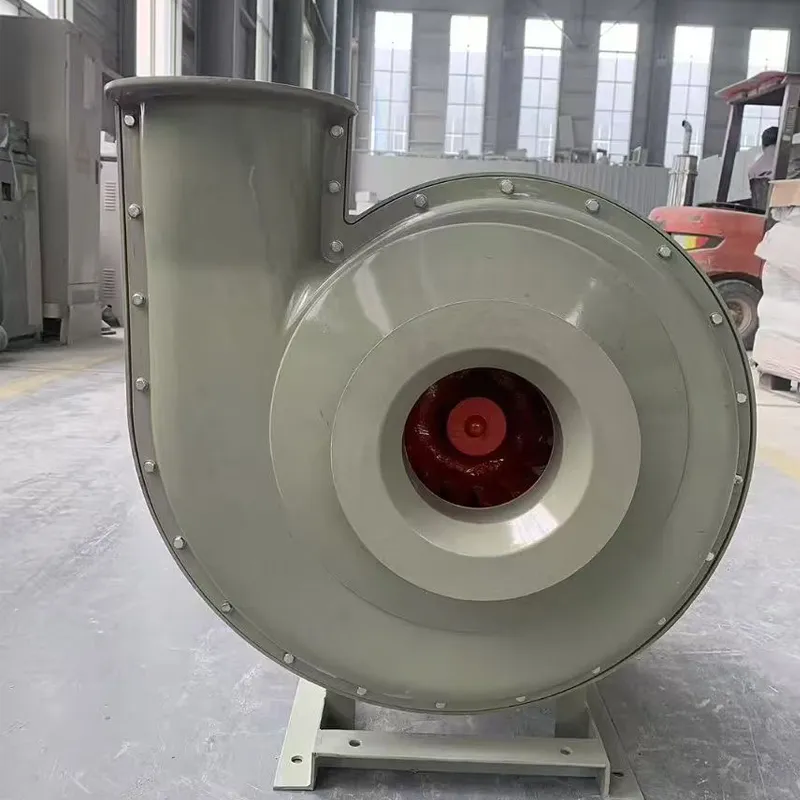
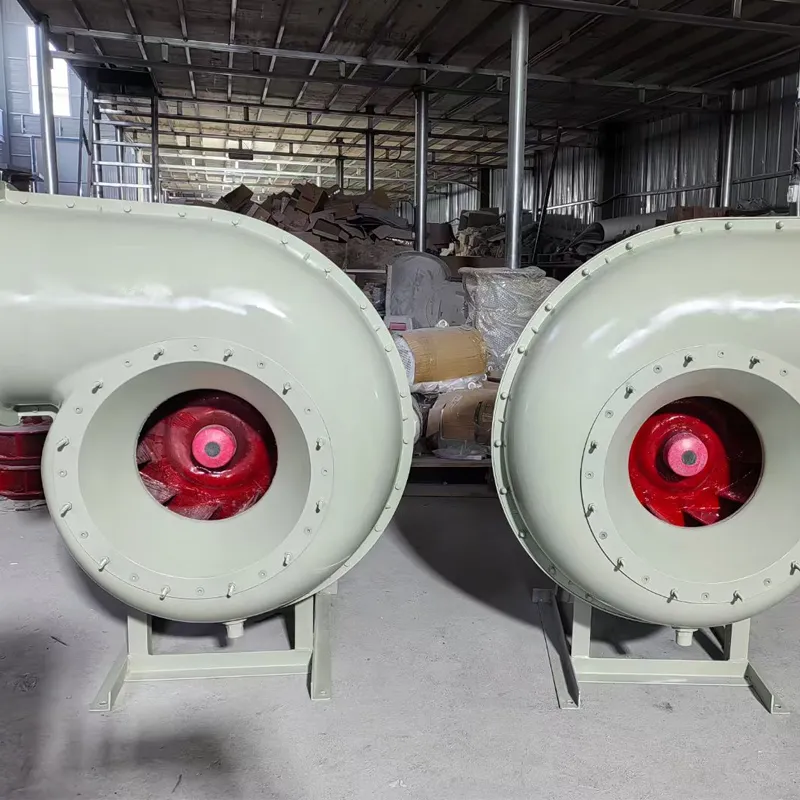
Understanding the relationship between an axial fan and centrifugal fan is key to designing high-performance ventilation systems. Each type has unique strengths, and combining them allows for a more versatile and efficient setup.
Axial fans are best suited for applications where air needs to be moved quickly across a space without significant resistance. In contrast, centrifugal fans are designed to handle situations where air must travel through ducts, filters, or other obstacles that create pressure.
By integrating axial and centrifugal fans, engineers can create systems that handle both airflow volume and pressure requirements. For example, an axial fan may supply fresh air into a facility, while a centrifugal fan ensures that exhaust air is effectively removed through ductwork.
ان axial centrifugal fan configuration can also be used in specialized systems where both characteristics are required simultaneously. These hybrid setups are often found in HVAC systems, industrial processing plants, and environmental control applications.
When selecting equipment, it’s important to consider how these components will interact. Choosing the right combination of axial flow fan for sale and centrifugal units ensures balanced performance, improved efficiency, and reduced wear on system components.
Selecting Commercial Axial Fan Sizes And Power Options
Choosing the right size and power configuration is essential when investing in a commercial axial fan. Different applications require different airflow capacities, and selecting the wrong size can lead to inefficiencies or inadequate performance.
For smaller applications, a 10 axial fan is often sufficient. These compact units are easy to install and ideal for localized ventilation or cooling tasks. They are commonly used in workshops, equipment enclosures, or small storage areas.
For medium to large spaces, a 18 axial fan provides increased airflow capacity, making it suitable for larger rooms or semi-industrial environments. These fans strike a balance between performance and energy efficiency.
In industrial settings, a 220v axial fan is a popular choice due to its compatibility with standard electrical systems. These fans are designed for continuous operation and can handle demanding workloads without compromising performance.
When browsing axial flow fan for sale, it’s also important to consider factors such as noise levels, durability, and installation requirements. Modern commercial axial fan models are engineered to operate quietly while delivering powerful airflow, making them suitable for a wide range of environments.
Additionally, integrating these fans with other systems—such as pairing them with centrifugal units—can further enhance performance. This approach ensures that your ventilation system meets both current and future demands.
In conclusion, combining the strengths of axial and centrifugal fans provides a powerful solution for modern ventilation challenges. Whether you are selecting an axial flow fan for sale, comparing an axial fan and centrifugal fan, or designing an axial centrifugal fan system, understanding these technologies is essential for success.
By choosing the right commercial axial fan, along with appropriate sizes like 10 axial fan و 18 axial fan, and reliable power options such as 220v axial fan, you can create an efficient, durable, and cost-effective air handling system tailored to your needs.







عنوان
20 Xingyuan South Street, Zaoqiang County, Hengshui City, Hebei Province, China


