


We Are Open 24 Hours a Day, 7 Days a Week, Including Weekends and Public Holidays.

Comprehensive Guide to Cleaning Cooling Towers for Optimal Performance and Efficiency
Cleaning Cooling Towers: Ensuring Efficiency and Longevity
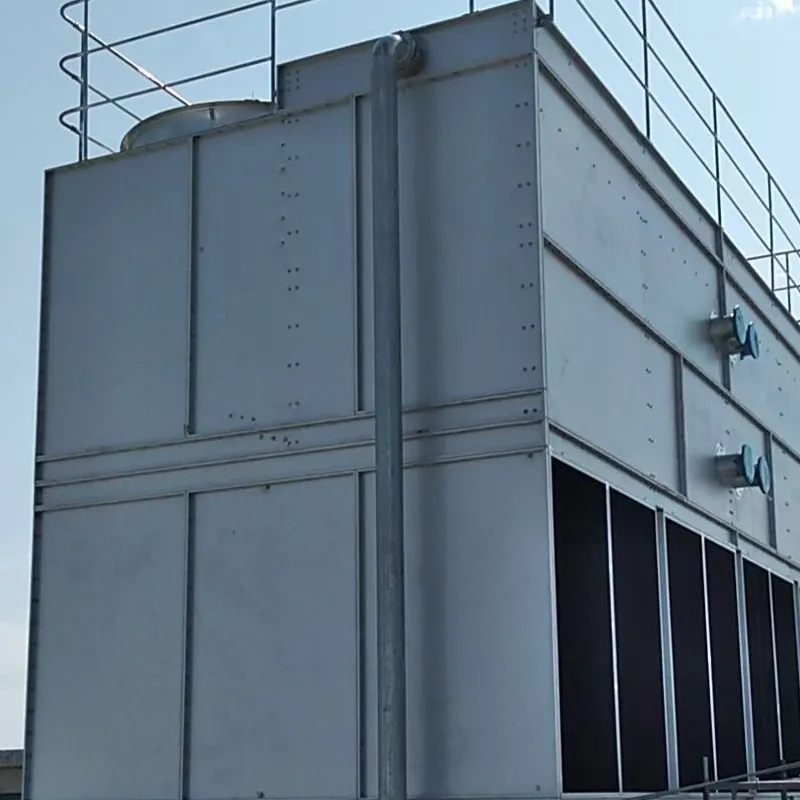
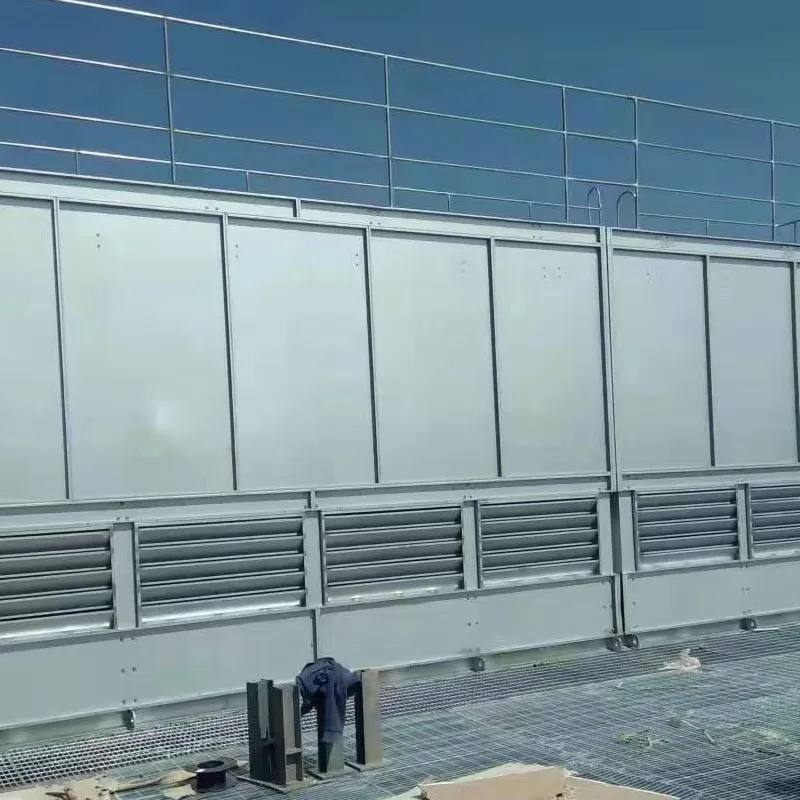
Cooling towers are essential components of many industrial processes, responsible for dissipating heat and maintaining optimal operating temperatures. However, their effectiveness can be significantly compromised by the buildup of scale, debris, and biological growth. Regular cleaning cooling towers is therefore crucial to ensure efficient operation, prevent corrosion, and extend the lifespan of these vital assets. This article delves into the importance of cooling tower cleaning, effective methods, and the benefits of professional services. We will explore the potential consequences of neglecting this essential maintenance task and highlight the importance of preventative measures.
The Importance of Regular Cleaning
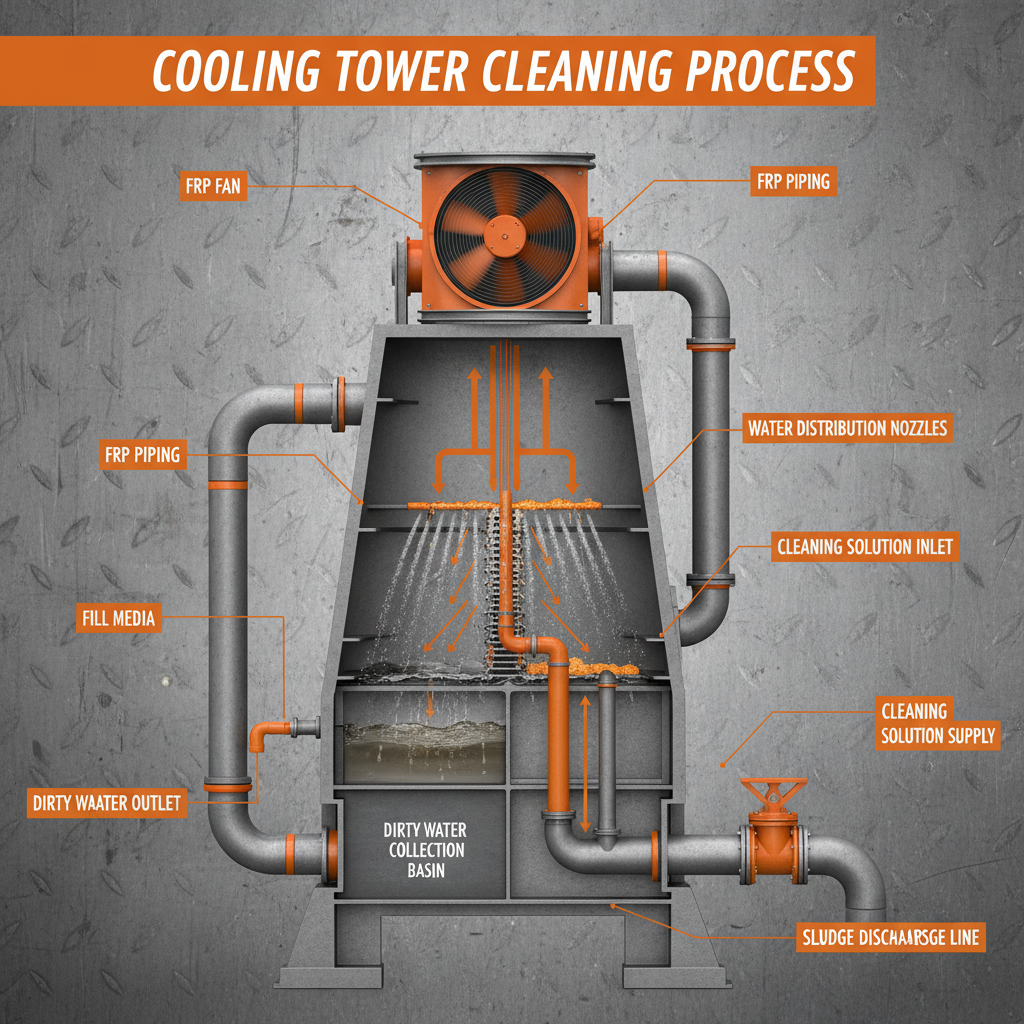
Over time, cooling towers accumulate a variety of contaminants. These include mineral scale from water evaporation, silt and debris carried by the airflow, and biological growth such as algae and Legionella bacteria. This buildup reduces the tower’s cooling capacity, increases energy consumption, and promotes corrosion. Scale and debris restrict water flow, reducing efficiency, while biological growth can cause fouling and create a breeding ground for harmful bacteria. Ignoring these issues can lead to significant operational problems and costly repairs. A clean cooling tower operates more efficiently, reducing energy costs and extending equipment life.
Key Benefits: Reduced energy consumption, extended equipment lifespan, improved cooling efficiency, minimized corrosion, prevention of Legionella growth.
Effective Cleaning Methods for Cooling Towers
Several methods can be employed to clean cooling towers, each with its own advantages and disadvantages. HLFRP specializes in providing comprehensive cleaning services. These include manual cleaning, which involves physically removing debris and scale; chemical cleaning, using specialized formulations to dissolve scale and inhibit biological growth; and water blasting, employing high-pressure water jets to dislodge contaminants. The choice of method depends on the severity of the fouling, the tower's design, and environmental regulations. A thorough inspection is crucial to determine the most effective approach. Often, a combination of methods provides the best results.
Cleaning Method Comparison:
• Manual Cleaning: Suitable for light fouling, labor-intensive.
• Chemical Cleaning: Effective for scale and biological growth, requires careful handling.
• Water Blasting: Powerful, removes stubborn debris, can damage sensitive components.
Understanding the Impact of Scale and Fouling
The buildup of scale and fouling has a direct and measurable impact on cooling tower performance. Scale acts as an insulator, reducing heat transfer efficiency. Fouling restricts water flow, increasing pump energy consumption and reducing overall cooling capacity. Furthermore, the presence of biofilms creates a breeding ground for Legionella bacteria, posing a serious health risk. Regular monitoring of water quality and tower performance is essential to identify potential problems early on. Data analysis can reveal trends and help predict when cleaning is necessary. Neglecting this can lead to significantly reduced efficiency and increased operational costs.
The Benefits of Professional Cooling Tower Cleaning Services
While some facilities may attempt to clean cooling towers in-house, engaging professional services offers numerous advantages. Professionals have the expertise, specialized equipment, and safety training to perform the job effectively and efficiently. They can accurately assess the level of fouling, select the appropriate cleaning method, and ensure compliance with environmental regulations. HLFRP’s experienced technicians utilize advanced techniques to minimize downtime and maximize cleaning results. They can also provide comprehensive inspections and preventative maintenance plans to help avoid future problems. Furthermore, proper disposal of cleaning chemicals and waste materials is handled responsibly, protecting the environment.
Preventative Measures and Long-Term Maintenance
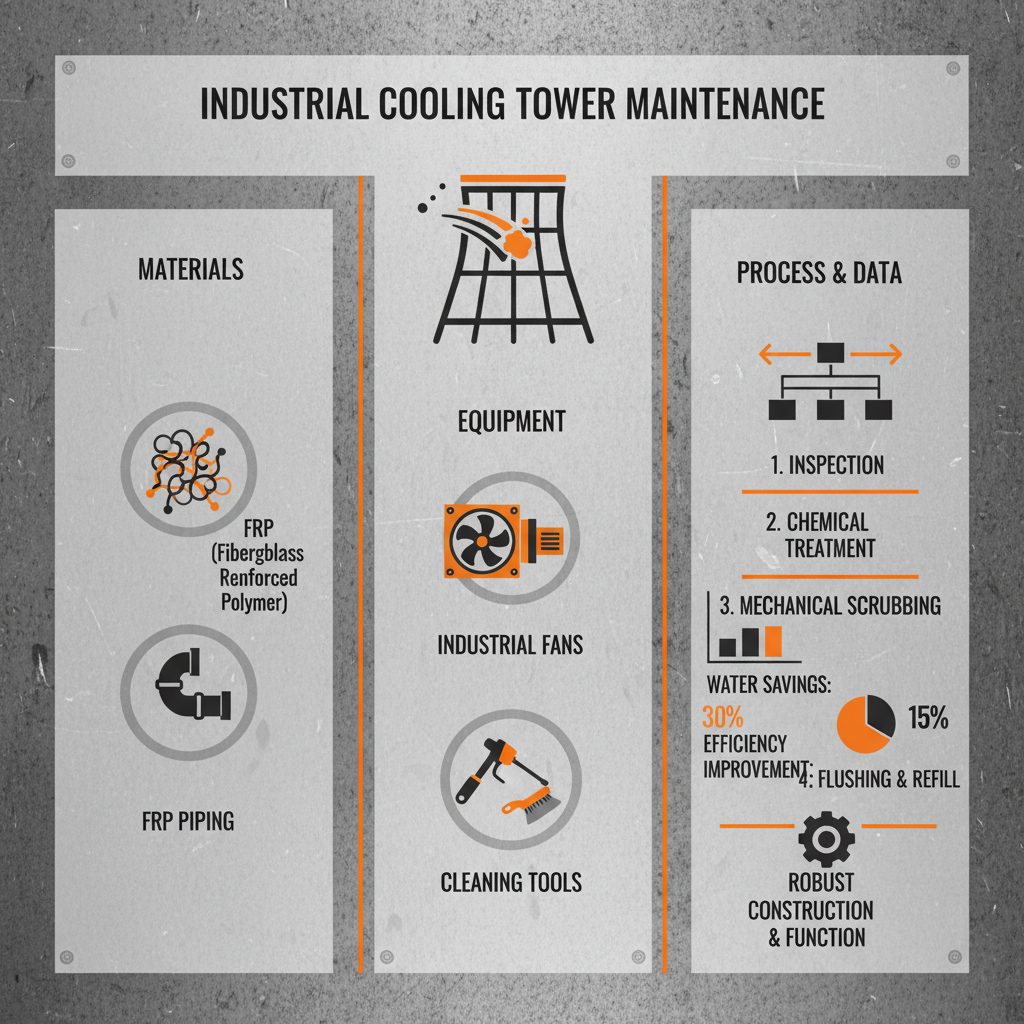
Beyond regular cleaning, implementing preventative measures can significantly reduce fouling and extend the lifespan of your cooling tower. These include water treatment programs to control scale and biological growth, regular filter maintenance, and airflow monitoring. Establishing a comprehensive maintenance schedule, including inspections and performance monitoring, is essential. Regular water analysis can identify potential issues before they escalate. Proactive maintenance minimizes downtime, reduces energy consumption, and ensures the reliable operation of your cooling tower system. Partnering with a reputable service provider like HLFRP can help you develop and implement an effective preventative maintenance program.
Conclusion: Investing in Cleanliness for Optimal Performance
Maintaining clean cooling towers is not merely a maintenance task, but a strategic investment in operational efficiency, equipment longevity, and workplace safety. By prioritizing regular cleaning, implementing preventative measures, and partnering with experienced professionals like HLFRP, businesses can ensure optimal performance, minimize costs, and protect their valuable assets.
Frequently Asked Questions (FAQs)
How often should cooling towers be cleaned?
The frequency of cleaning depends on several factors, including water quality, operating conditions, and the level of contamination. As a general guideline, cooling towers should be inspected at least twice a year, and a thorough cleaning should be performed every 6-12 months. However, more frequent cleaning may be necessary in areas with poor water quality or heavy industrial pollution. Regular monitoring of water chemistry and tower performance will help determine the optimal cleaning schedule. Contact HLFRP for a customized assessment.
What are the risks associated with Legionella growth in cooling towers?
Legionella bacteria can thrive in cooling towers and cause Legionnaires' disease, a severe form of pneumonia. This disease can be fatal, particularly for individuals with weakened immune systems. Maintaining proper water treatment, regular cleaning, and disinfection are crucial to prevent Legionella growth. Compliance with local regulations and guidelines is essential to minimize the risk of outbreaks. Professional cleaning services, such as those offered by HLFRP, include effective disinfection protocols.
What types of chemical treatments are used in cooling tower cleaning?
A variety of chemical treatments are used to address specific fouling issues. These include scale inhibitors to prevent mineral buildup, biocides to control biological growth, and dispersants to remove existing deposits. The choice of chemicals depends on the water chemistry, the type of fouling, and environmental regulations. It's crucial to use chemicals responsibly and follow manufacturer's instructions carefully. HLFRP utilizes environmentally responsible chemical solutions.
Can cleaning cooling towers disrupt operations?
Cleaning can temporarily disrupt operations, but professional service providers like HLFRP work to minimize downtime. We schedule cleanings during off-peak hours or planned shutdowns whenever possible. Efficient cleaning techniques and thorough planning help expedite the process and reduce operational interruptions. A well-executed cleaning plan prioritizes minimal impact on production.





Address
20 Xingyuan South Street, Zaoqiang County, Hengshui City, Hebei Province, China


