


We Are Open 24 Hours a Day, 7 Days a Week, Including Weekends and Public Holidays.

Comprehensive Guide to GRP Grating Prices and Long Term Value
GRP Grating Prices: A Comprehensive Guide
Understanding GRP grating prices is crucial for anyone planning construction, industrial, or infrastructure projects. Fiberglass Reinforced Polymer (FRP) or GRP grating offers a durable, corrosion-resistant, and lightweight alternative to traditional materials like steel. This guide will explore the factors influencing GRP grating costs, provide a price overview, and highlight the long-term value proposition of this versatile material. Choosing the right GRP grating can significantly impact project budgets and longevity.
Factors Influencing GRP Grating Prices
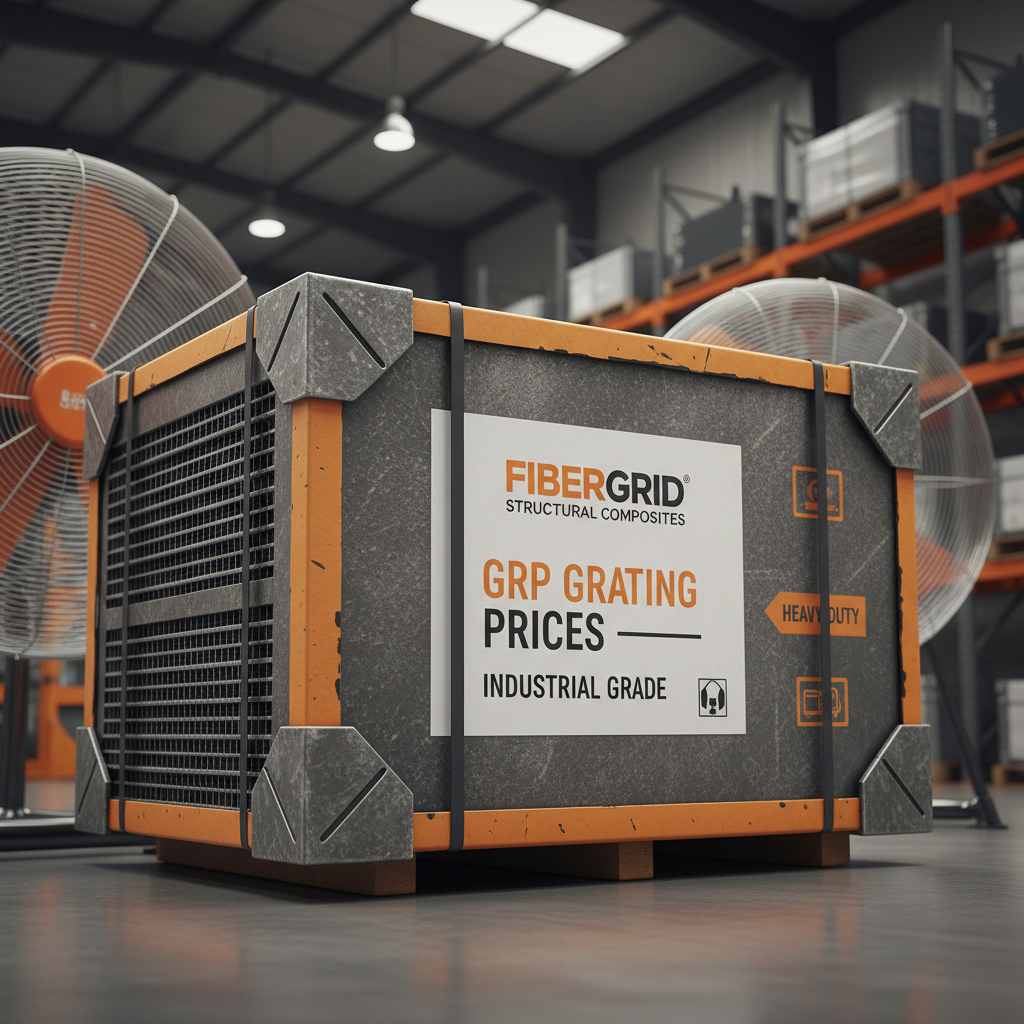
Several factors contribute to the final price of GRP grating. These include the resin type (polyester, vinyl ester, or epoxy), the grating's load-bearing capacity, the mesh size and thickness, and the quantity ordered. Larger orders typically benefit from economies of scale, resulting in lower per-unit costs. Custom sizes and specialized features, such as stair treads or kick plates, will also impact the price. The manufacturer's location and shipping costs are additional considerations. Understanding these variables helps in accurate budgeting and comparison shopping.
Key Influencers: Resin type, load capacity, mesh size, quantity, customization, and shipping all play a role in determining the final price.
Understanding Different GRP Grating Types & Their Prices
GRP grating is available in various types, each suited for specific applications and price points. Molded grating is generally more cost-effective for larger surface areas, while pultruded grating offers superior strength and is ideal for heavy-duty applications and longer spans. Covered gratings, with a solid surface, typically command a higher price due to the added material and manufacturing complexity. The choice depends on the required load capacity, span length, and aesthetic considerations.
GRP Grating Type Benefits:
• Molded grating: Cost-effective for large areas.
• Pultruded grating: High strength, ideal for heavy-duty applications.
• Covered gratings: Solid surface, enhanced safety and aesthetics.
GRP Grating Prices: A Price Comparison
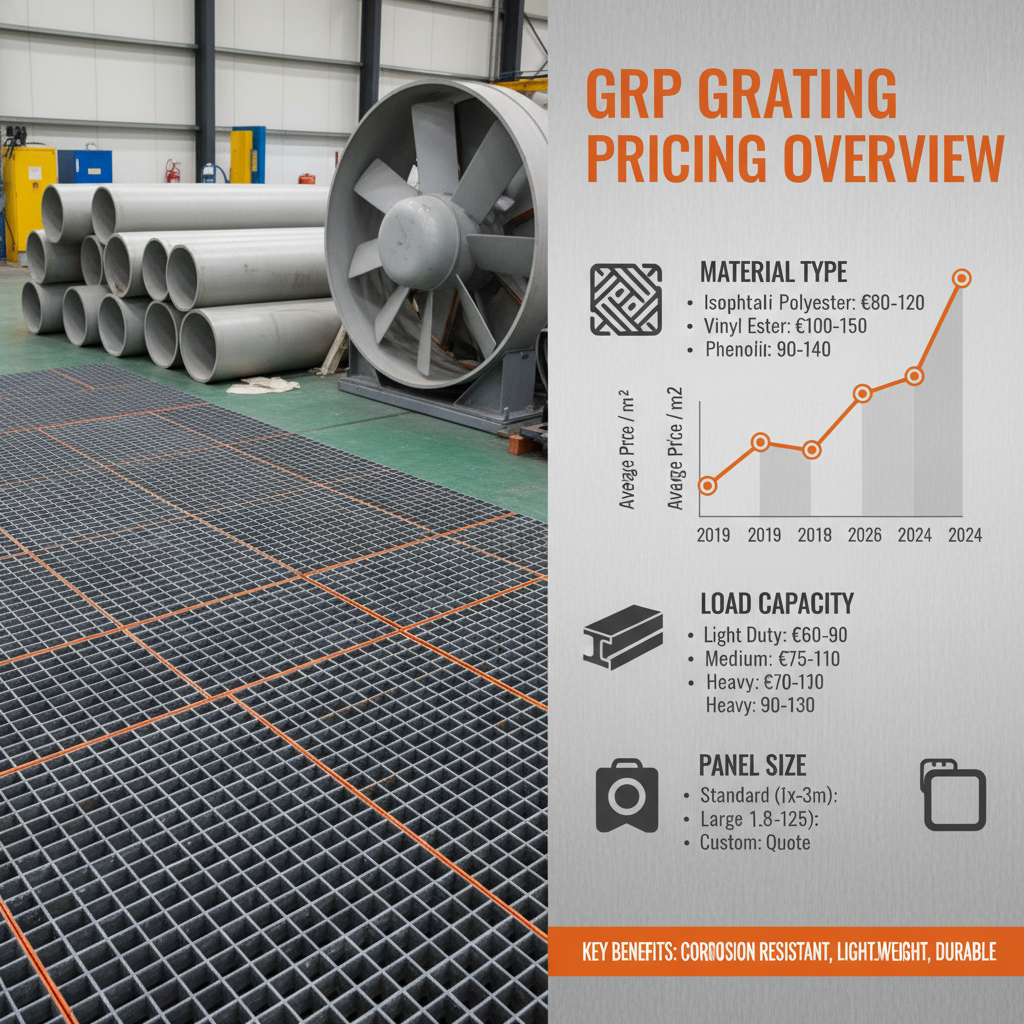
The following table provides a general price range for common GRP grating types. These are approximate figures and can vary based on the specific supplier, quantity, and customization options. It’s important to obtain quotes from multiple vendors to ensure competitive pricing. Consider the total cost of ownership, including installation and maintenance, when comparing GRP grating to alternative materials. Remember to always verify the quality and certifications of the GRP grating to ensure it meets your project requirements. You can find a range of options and request a quote from HLF FRP.
Long-Term Cost Savings with GRP Grating
While the initial cost of GRP grating may be higher than some traditional materials, the long-term cost savings are significant. GRP is corrosion-resistant, eliminating the need for frequent maintenance and replacement associated with steel. Its lightweight nature reduces installation costs and structural support requirements. The extended lifespan of GRP grating contributes to a lower total cost of ownership, making it a financially sound investment for various projects.
Finding the Best GRP Grating Prices
To get the most competitive GRP grating prices, it’s essential to request quotes from multiple suppliers. Clearly specify your project requirements, including grating type, dimensions, load capacity, and quantity. Consider factors like lead times, shipping costs, and warranty terms when evaluating quotes. Choosing a reputable manufacturer with a proven track record of quality and customer service is crucial.
Conclusion: A Wise Investment in Durability and Cost Savings
GRP grating offers a compelling combination of durability, corrosion resistance, and long-term cost savings. By understanding the factors influencing prices and carefully evaluating your project requirements, you can make an informed decision and secure the best value. Investing in high-quality GRP grating from a trusted supplier like HLF FRP is a smart choice for any project demanding reliable and long-lasting flooring solutions.
Frequently Asked Questions (FAQs)
What is the typical lifespan of GRP grating?
GRP grating typically boasts a lifespan of 25-30 years, significantly longer than traditional materials like steel. This extended lifespan is attributed to its inherent corrosion resistance and durable construction. However, the actual lifespan can vary depending on the specific application, environmental conditions, and maintenance practices. Proper installation and periodic inspections are recommended to maximize its longevity.
How does GRP grating perform in extreme temperatures?
GRP grating generally performs well in a wide range of temperatures, from -60°C to +120°C. However, prolonged exposure to extreme temperatures can affect its mechanical properties. Certain resin types are more suitable for specific temperature ranges. For applications involving consistently high temperatures, it’s crucial to select a GRP grating specifically designed for such conditions.
Is GRP grating suitable for use in corrosive environments?
Yes, GRP grating excels in corrosive environments. Its resistance to a wide range of chemicals, acids, and salts makes it an ideal alternative to steel in industries like chemical processing, wastewater treatment, and marine applications. Unlike steel, GRP will not rust or corrode, eliminating the need for costly maintenance and replacements.
What are the fire resistance properties of GRP grating?
GRP grating is inherently flame retardant and exhibits low smoke emission. While it is not non-combustible, it self-extinguishes upon removal of the ignition source. Certain GRP grating formulations are specifically designed to meet stringent fire safety standards. It's vital to verify the fire resistance rating of the GRP grating to ensure it complies with local building codes and regulations.




Address
20 Xingyuan South Street, Zaoqiang County, Hengshui City, Hebei Province, China


