


We Are Open 24 Hours a Day, 7 Days a Week, Including Weekends and Public Holidays.

Comprehensive Guide to Cooling Tower and Condenser Technologies for Industrial Applications
Understanding Cooling Tower and Condenser Technologies
In industrial processes, maintaining optimal temperatures is crucial for efficiency and productivity. Cooling towers and condensers are two vital components used for heat rejection, but they operate on different principles and are suited for varying applications. This article will explore the functions, types, advantages, and disadvantages of each, providing a comprehensive understanding for those involved in industrial cooling and process management. Selecting the right system is key to minimizing operational costs and maximizing performance. Let's delve into the intricacies of these essential technologies.
How Cooling Towers Function
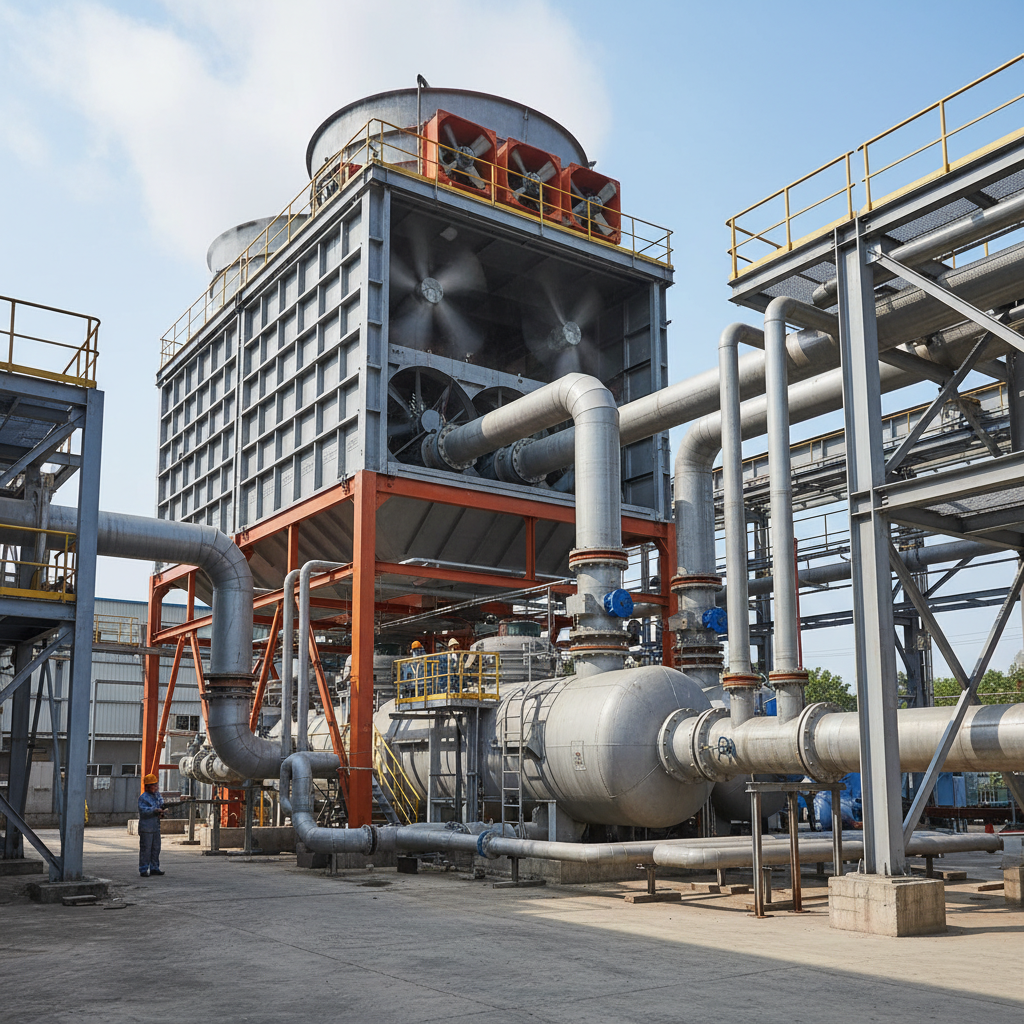
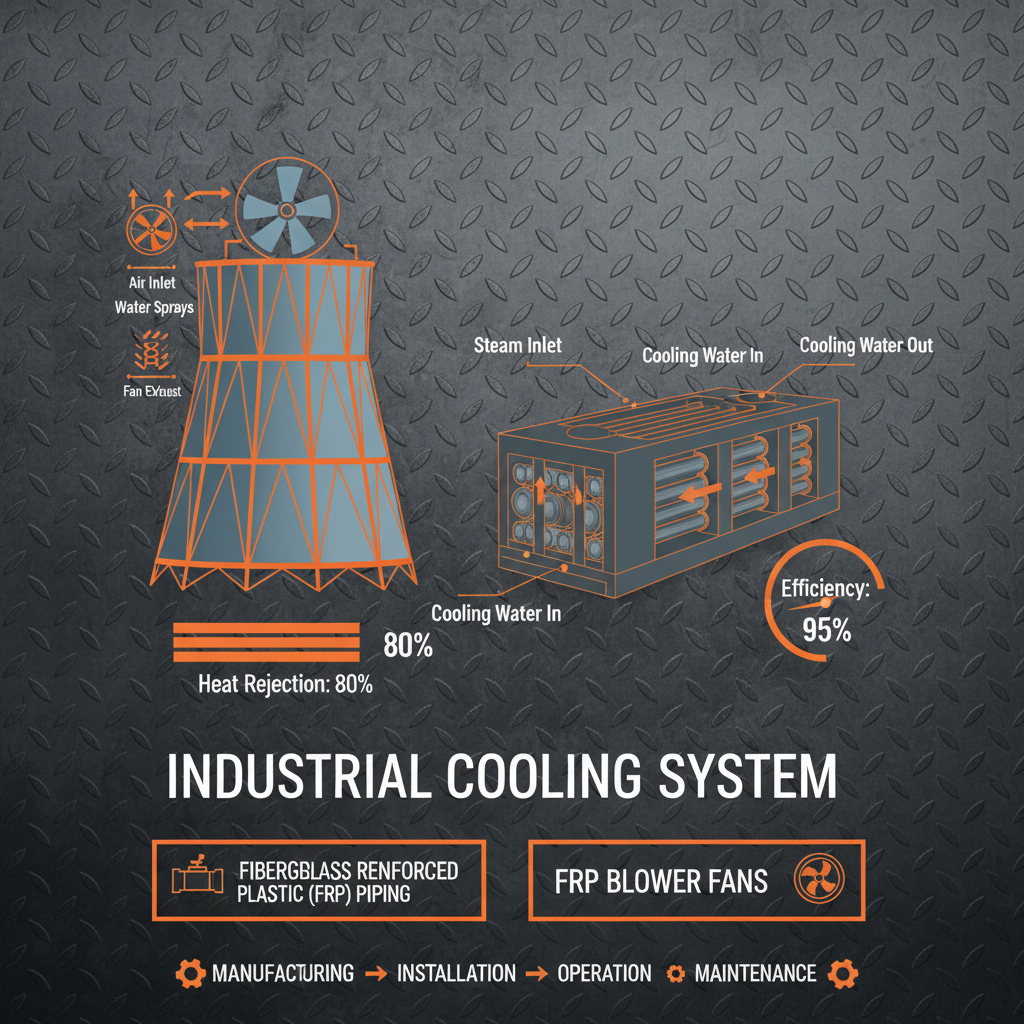
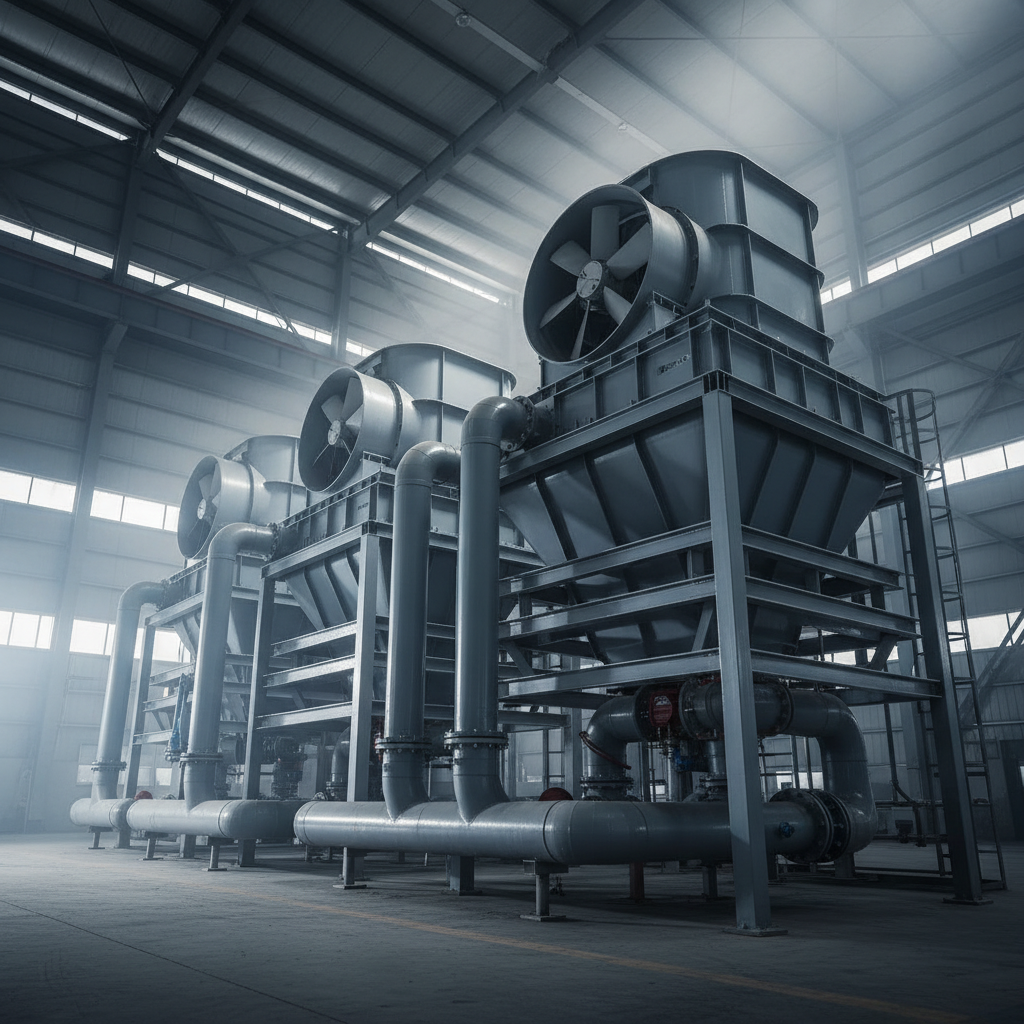
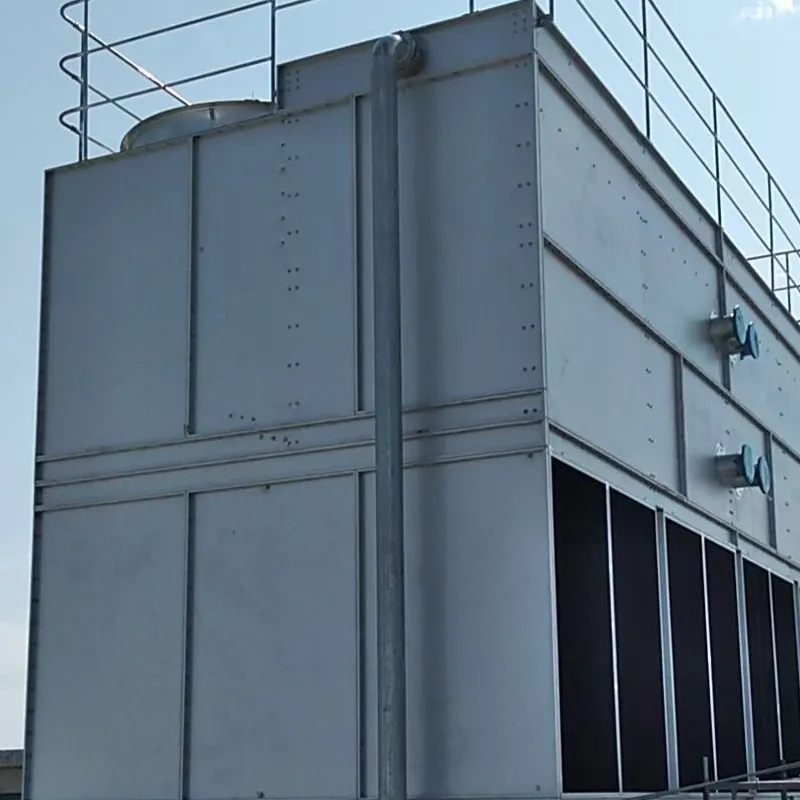
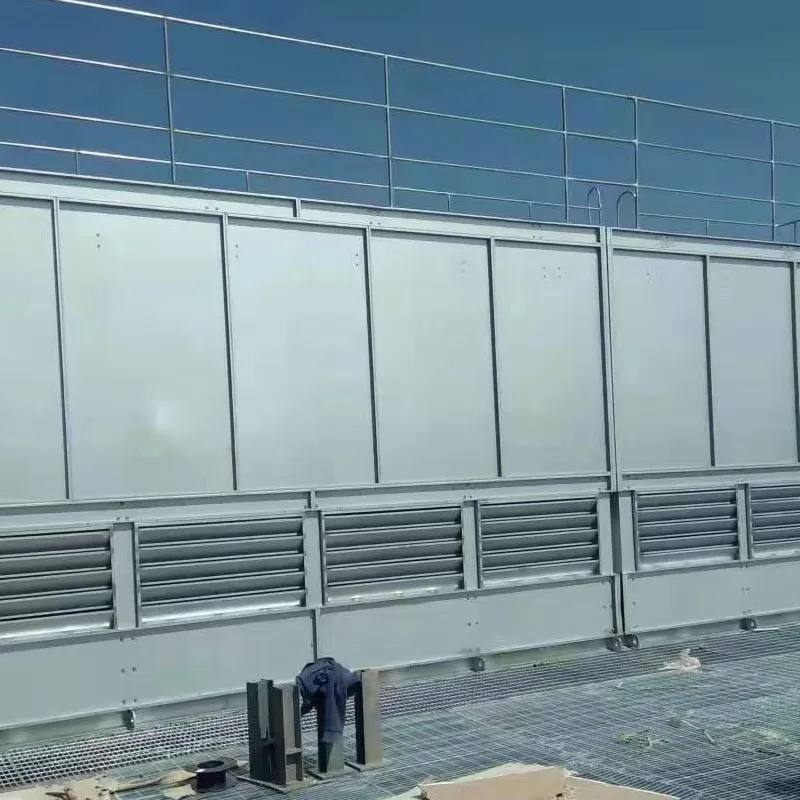
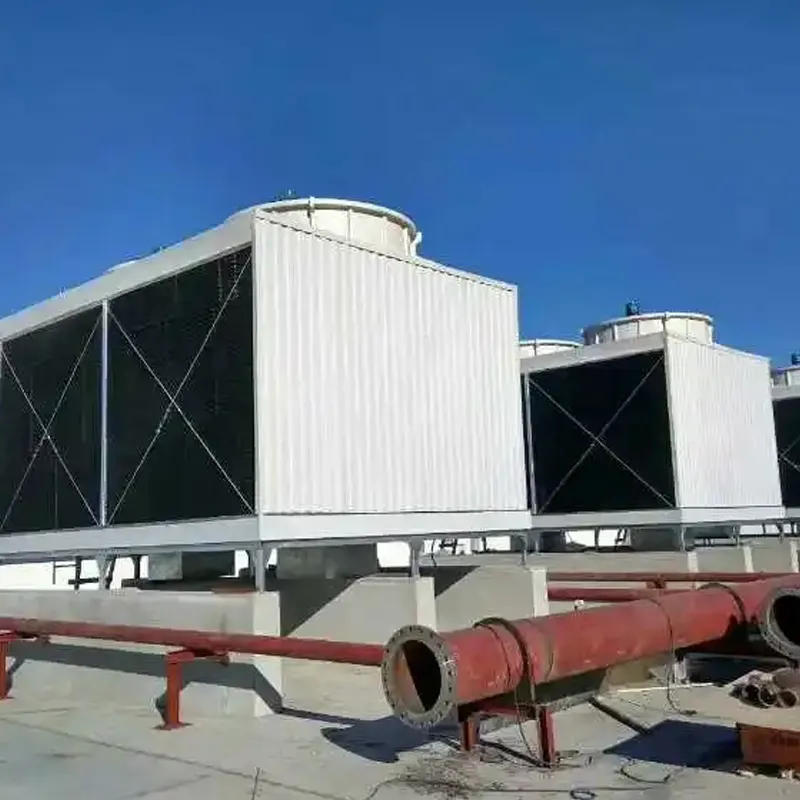
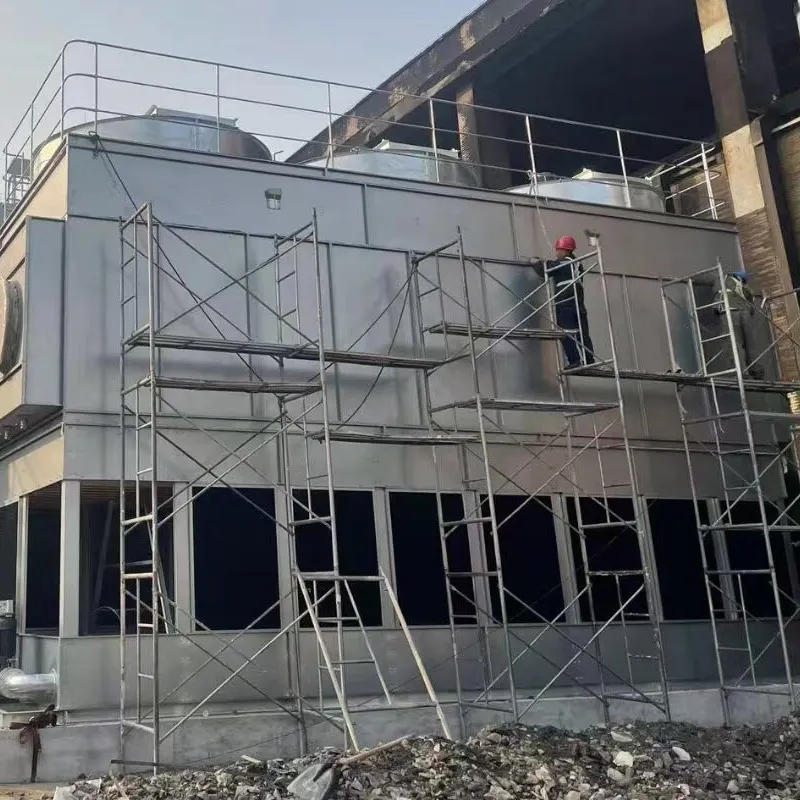
Cooling towers utilize the principle of evaporative cooling to reject heat from water. Hot water, typically from industrial processes, is distributed within the tower and exposed to a large air stream. A portion of the water evaporates, absorbing heat in the process and lowering the water's temperature. This cooled water is then recirculated back to the process. Cooling towers are highly efficient and cost-effective, especially for large-scale cooling applications. They come in various designs, including natural draft, induced draft, and forced draft towers, each offering specific advantages depending on the site conditions and cooling requirements.
Key Benefits: High efficiency, cost-effective for large heat loads, reduced water consumption compared to once-through cooling.
Understanding Condenser Operation
Condensers, on the other hand, reject heat by converting a substance from its gaseous to its liquid state. This process releases latent heat, effectively removing it from the system. Condensers commonly use air or water as a cooling medium. Air-cooled condensers employ fans to circulate air over finned tubes containing the hot gas, while water-cooled condensers use a water stream to absorb the heat. Condensers are frequently found in refrigeration, power generation, and chemical processing, playing a critical role in maintaining system efficiency and stability.
Condenser Cooling Methods:
• Air-cooled: Uses air circulation for heat rejection.
• Water-cooled: Uses water flow for heat rejection.
• Evaporative: Combines water and air for enhanced cooling.
Cooling Tower vs. Condenser: A Detailed Comparison
Choosing between a cooling tower and a condenser depends heavily on the specific application and operational requirements. Cooling towers are generally more suitable for large heat loads and applications where water evaporation is acceptable. Condensers are preferred when a phase change is necessary, such as in refrigeration cycles, or when water availability is limited. Consider factors like initial cost, operating costs, maintenance requirements, and environmental impact when making your decision. Hlfrp provides expert guidance to help you select the optimal cooling solution for your needs.
Advancements in Cooling Tower and Condenser Technology
Recent advancements focus on improving efficiency, reducing water consumption, and minimizing environmental impact. For cooling towers, innovations include optimized fill materials, variable frequency drives for fans, and advanced water treatment systems. In the condenser realm, microchannel condensers offer enhanced heat transfer and reduced refrigerant charge. Hybrid systems, combining the benefits of both cooling towers and condensers, are also gaining popularity. These technologies are driving down operational costs and promoting sustainable industrial practices.
Selecting the Right System with Hlfrp
The selection of a cooling tower or condenser is a critical decision that impacts operational efficiency and long-term costs. Hlfrp offers a comprehensive range of both cooling tower and condenser solutions tailored to meet diverse industrial needs. Our team of experienced engineers provides expert consultation, system design, and installation services, ensuring optimal performance and reliability. We are committed to delivering innovative and sustainable cooling solutions that contribute to your business success.
Conclusion: Optimizing Your Cooling System
Understanding the nuances of cooling tower and condenser technologies is essential for efficient industrial operations. Whether you require large-scale cooling or precise temperature control, selecting the right system is paramount. Hlfrp is dedicated to providing innovative and reliable cooling solutions that meet your specific needs. Don't hesitate to contact us for expert guidance and support.
Frequently Asked Questions (FAQs)
What are the main factors influencing cooling tower performance?
Several factors affect cooling tower performance, including ambient air temperature, humidity, water flow rate, air flow rate, and the quality of the fill material. Maintaining optimal water chemistry is also crucial to prevent scaling and fouling, which can reduce heat transfer efficiency. Regular maintenance, including cleaning and inspection, is essential for ensuring consistent performance. Proper fan and pump operation also significantly impacts cooling capacity. Finally, adequate airflow around the tower is critical; obstructions can drastically reduce effectiveness.
How do condensers contribute to energy efficiency?
Condensers play a vital role in energy efficiency, particularly in refrigeration and air conditioning systems. By efficiently removing heat from the refrigerant, they allow the compressor to operate at lower pressures and temperatures, reducing energy consumption. Using high-efficiency condensers, such as microchannel designs, can further enhance energy savings. Proper condenser coil cleaning and maintenance are also crucial for maintaining optimal performance and minimizing energy waste.
What is a hybrid cooling system?
A hybrid cooling system combines the benefits of both cooling towers and condensers. Typically, it involves an air-cooled condenser paired with a cooling tower. This allows for efficient cooling during moderate weather conditions, while switching to the cooling tower during peak loads or hot weather. Hybrid systems offer increased reliability, reduced water consumption, and improved energy efficiency compared to traditional systems. They represent a sustainable and cost-effective cooling solution.
What maintenance is required for condensers?
Regular condenser maintenance is crucial for optimal performance. This includes cleaning the condenser coils to remove dirt, debris, and scale, inspecting and tightening electrical connections, checking refrigerant levels, and monitoring fan operation. Coil cleaning should be performed at least annually, or more frequently in dusty environments. Addressing minor issues promptly can prevent larger, more costly repairs and ensure continued energy efficiency.





Address
20 Xingyuan South Street, Zaoqiang County, Hengshui City, Hebei Province, China


