


We Are Open 24 Hours a Day, 7 Days a Week, Including Weekends and Public Holidays.

Commercial Axial Fan Performance Optimization For Industrial Use
In industrial and commercial environments, achieving efficient airflow is not just about selecting equipment—it’s about optimizing performance over time. Investing in the right axial flow fan for sale is only the first step. To truly maximize value, businesses must understand how to operate, maintain, and integrate systems that include both axial and centrifugal fans.
Whether you are working with a standalone commercial axial fan or a hybrid axial centrifugal fan system, performance depends on proper sizing, installation, and ongoing maintenance. From compact options like 10 axial fan and 18 axial fan units to high-capacity 220v axial fan systems, each configuration plays a specific role in ensuring stable airflow and energy efficiency.
This article focuses on how to optimize axial fan performance, extend equipment lifespan, and ensure consistent results across different applications.
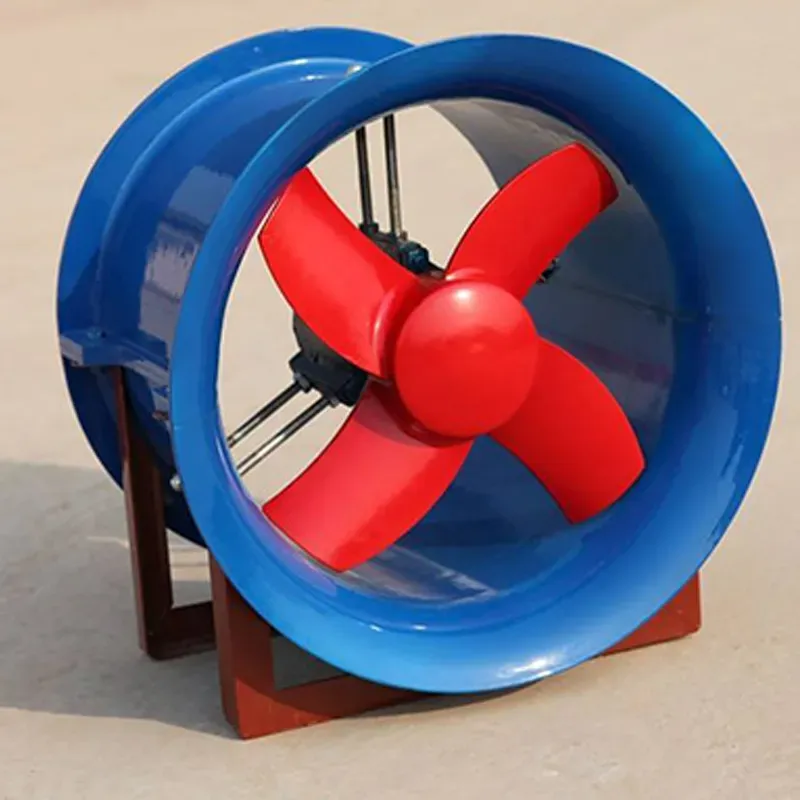
Improving Efficiency With Axial Fan And Centrifugal Fan Systems
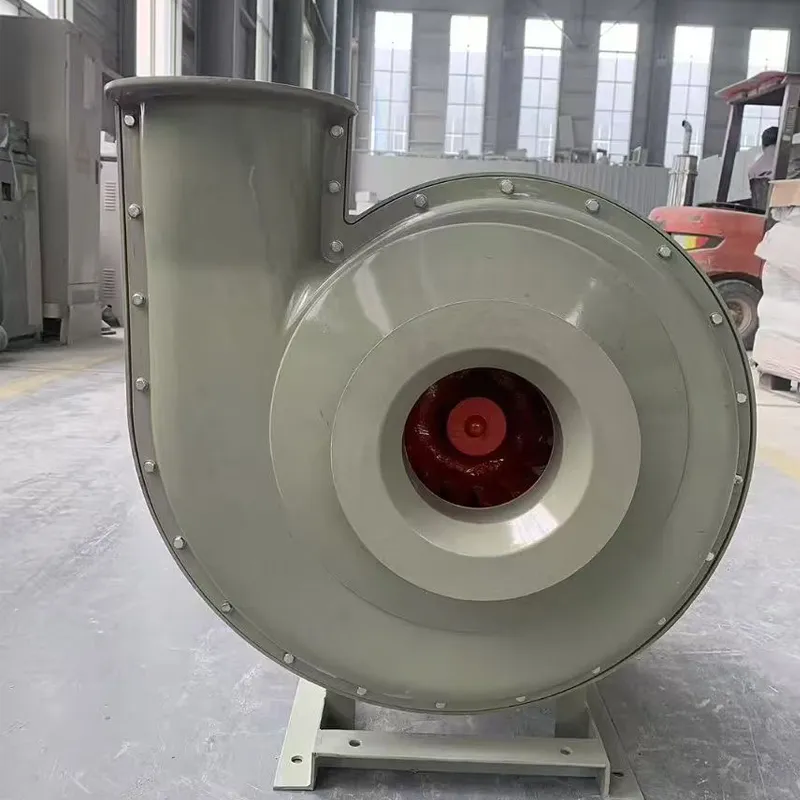
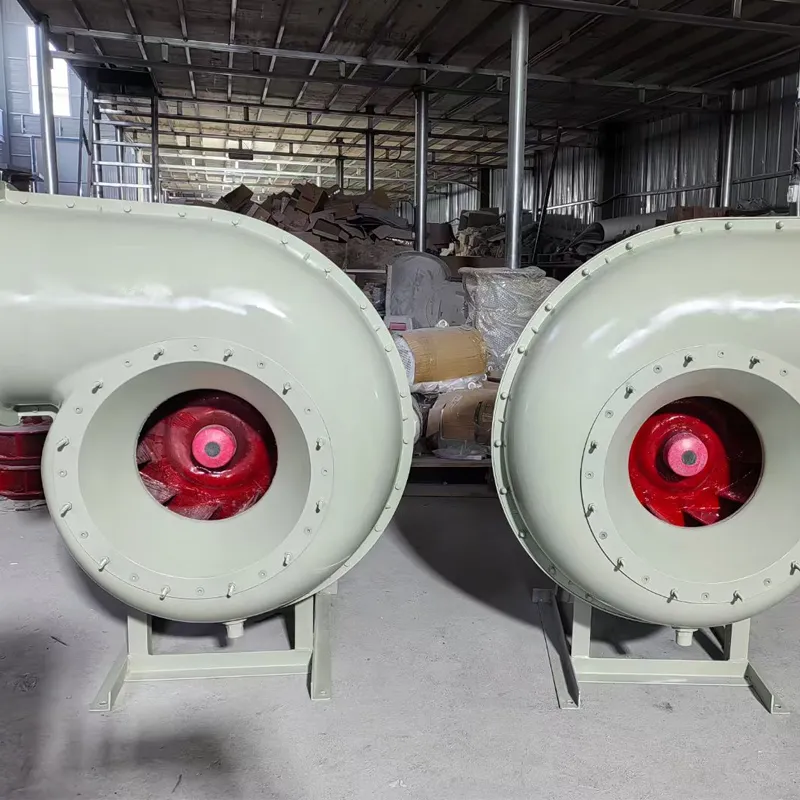
To achieve maximum efficiency, it’s important to understand how an axial fan and centrifugal fan can complement each other. In many industrial systems, airflow requirements are not uniform, which makes a combined approach highly effective.
Axial fans are ideal for moving large volumes of air quickly, while centrifugal fans are better suited for overcoming resistance in duct systems. By integrating axial and centrifugal fans, you can ensure that both airflow and pressure requirements are met without overloading any single component.
For example, a commercial axial fan may be used to supply fresh air into a facility, while a centrifugal fan removes exhaust air through filtration systems. This balanced setup reduces strain on each unit and improves overall system efficiency.
An axial centrifugal fan configuration can further enhance performance by combining the benefits of both technologies into a single system design. When browsing axial flow fan for sale, considering compatibility with other system components is essential for long-term success.
Maintaining 220v Axial Fan And Extending Equipment Life
Proper maintenance is critical for ensuring the longevity and reliability of any 220v axial fan. These fans are often used in continuous operation, making regular inspection and servicing essential.
One of the most important maintenance steps is keeping the fan blades clean. Dust and debris can accumulate over time, reducing airflow efficiency and increasing energy consumption. Regular cleaning helps maintain optimal performance.
Lubrication of moving parts is another key factor. Bearings and motors in a commercial axial fan must be properly maintained to prevent wear and overheating. Routine checks can help identify potential issues before they lead to costly downtime.
For smaller units like a 10 axial fan or 18 axial fan, maintenance is generally simpler but equally important. Ensuring that these fans are securely mounted and free from obstructions can significantly improve their lifespan.
Additionally, monitoring electrical connections in a 220v axial fan ensures safe and stable operation. Loose or damaged wiring can lead to performance issues or even equipment failure.
By implementing a consistent maintenance routine, businesses can extend the life of their axial fans and reduce overall operating costs.
Optimizing 10 Axial Fan And 18 Axial Fan Placement
Proper placement is a crucial factor in maximizing the effectiveness of any ventilation system. Even the best axial flow fan for sale will underperform if installed incorrectly.
For smaller units like a 10 axial fan, placement should focus on targeted airflow. These fans are ideal for cooling specific equipment or ventilating confined spaces. Positioning them close to the heat source or airflow restriction ensures maximum efficiency.
A 18 axial fan, on the other hand, is better suited for medium-sized areas where broader air distribution is needed. Installing these fans at strategic points—such as near walls or ceilings—can help create consistent airflow throughout the space.
In larger systems, combining multiple commercial axial fan units can provide uniform ventilation. When used alongside centrifugal systems, this setup ensures that air is both circulated and properly exhausted.
For integrated systems, an axial centrifugal fan configuration may be used to optimize both airflow and pressure. This approach is particularly effective in complex environments where air must travel through ducts or filters.
When evaluating axial flow fan for sale, considering installation layout and airflow direction is just as important as selecting the right size and power. Proper placement not only improves performance but also enhances energy efficiency and system reliability.
In conclusion, optimizing the performance of a commercial axial fan involves careful planning, proper maintenance, and strategic system integration. By understanding how to combine axial and centrifugal fans, maintain a 220v axial fan, and position units like 10 axial fan and 18 axial fan effectively, businesses can achieve consistent and efficient airflow.
With the right approach, any investment in axial flow fan for sale solutions can deliver long-term value, improved air quality, and reliable operation across a wide range of industrial and commercial applications.







Address
20 Xingyuan South Street, Zaoqiang County, Hengshui City, Hebei Province, China


