


We Are Open 24 Hours a Day, 7 Days a Week, Including Weekends and Public Holidays.

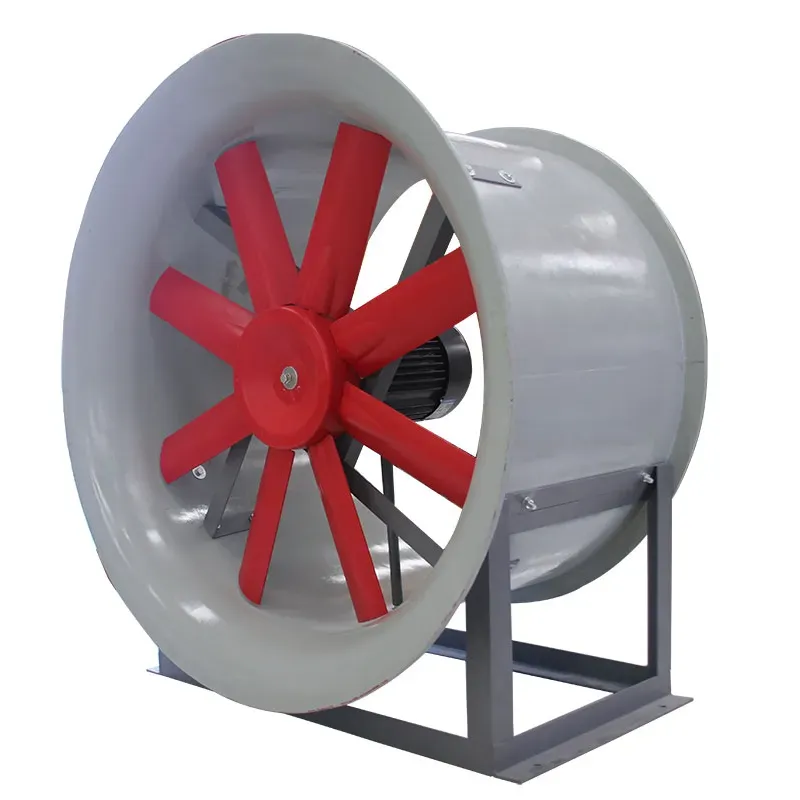
Axial Flow Fan For Sale Guide For Efficient Industrial Ventilation
In modern ventilation and air movement systems, choosing the right type of fan is essential for achieving optimal airflow, energy efficiency, and operational reliability. Whether for industrial, commercial, or residential applications, products like axial flow fan for sale and combinations of axial and centrifugal fans provide flexible solutions for a wide range of needs.
Understanding the differences between an axial fan and centrifugal fan is crucial when designing or upgrading a ventilation system. While axial fans are ideal for moving large volumes of air over short distances, centrifugal fans are better suited for high-pressure applications. In many cases, systems may even incorporate an axial centrifugal fan setup to balance airflow and pressure requirements.
From compact units like 10 axial fan and 18 axial fan models to more robust options such as commercial axial fan and 220v axial fan, there are numerous configurations available to meet specific demands. In this article, we’ll explore how axial fans work, how they compare to centrifugal fans, and how to choose the right solution for your application.
Understanding Axial Fan And Centrifugal Fan Differences
When comparing an axial fan and centrifugal fan, the primary difference lies in how air moves through the system. An axial fan pushes air in a straight line along the axis of the fan blades, making it highly efficient for high-volume, low-pressure airflow.
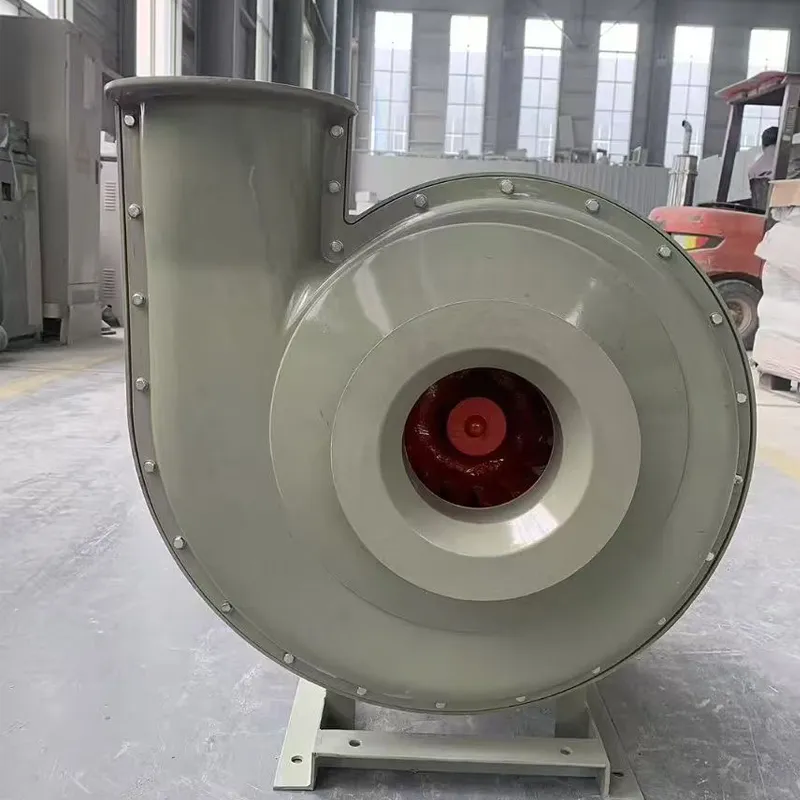
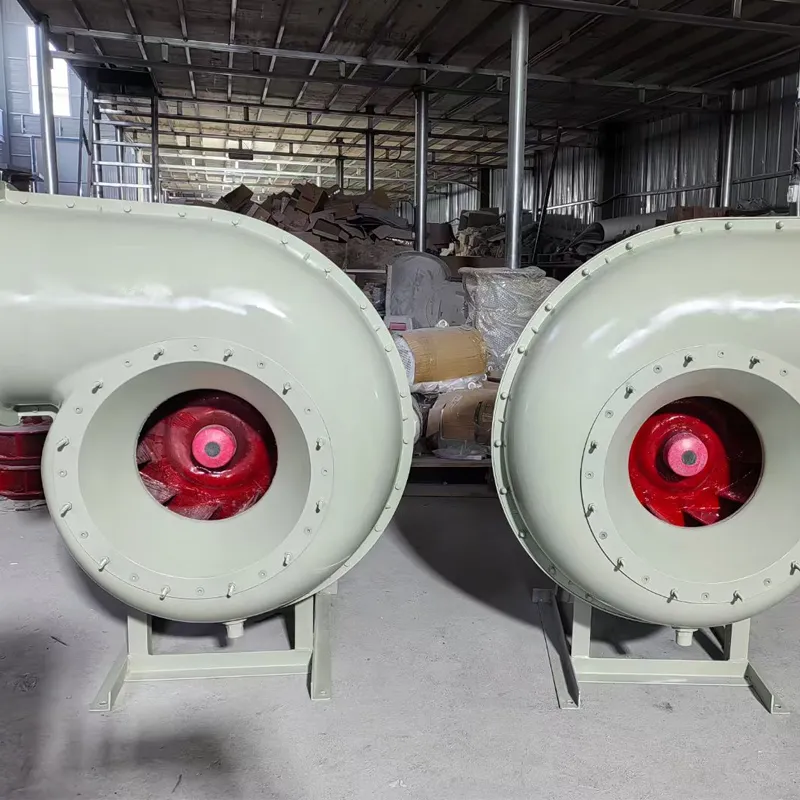
In contrast, centrifugal fans draw air into the center and then redirect it outward at a 90-degree angle. This allows them to generate higher pressure, making them suitable for ducted systems or applications with airflow resistance.
Because of these differences, many industrial systems use axial and centrifugal fans together. For example, an axial fan may handle general ventilation, while a centrifugal fan manages exhaust through ductwork. This combination ensures both efficiency and performance.
An axial centrifugal fan configuration can also be designed to meet specific needs where both airflow volume and pressure are important. This hybrid approach is commonly used in complex HVAC or industrial setups.
Understanding these distinctions helps businesses make informed decisions when browsing axial flow fan for sale options and selecting complementary equipment.
Choosing Commercial Axial Fan And Voltage Options
For commercial and industrial environments, selecting the right commercial axial fan involves considering factors such as airflow capacity, installation space, and power supply. These fans are widely used in warehouses, factories, and large buildings where continuous air circulation is required.
One important specification is voltage. A 220v axial fan is a common choice for many facilities, offering reliable performance and compatibility with standard electrical systems. These fans are suitable for both indoor and semi-outdoor applications, providing consistent airflow with minimal energy consumption.
Size is another key factor. Smaller units like a 10 axial fan are ideal for localized ventilation, such as cooling equipment or ventilating small rooms. On the other hand, a 18 axial fan provides greater airflow capacity, making it suitable for larger spaces or more demanding applications.
When evaluating axial flow fan for sale, it’s important to match the fan size and voltage with your operational requirements. Proper selection ensures efficient airflow while avoiding unnecessary energy costs or underperformance.
Additionally, modern commercial axial fan models are designed with durability and low noise in mind, making them suitable for continuous operation in busy environments.
Applications Of Axial And Centrifugal Fans In Industry
The combination of axial and centrifugal fans is widely used across various industries due to their complementary strengths. In manufacturing plants, axial fans are often used for general ventilation, while centrifugal fans handle exhaust systems that require higher pressure.
For example, a facility may install a commercial axial fan to circulate fresh air throughout the workspace, while using a centrifugal fan to remove fumes or dust through duct systems. This dual approach ensures a safe and comfortable working environment.
An axial centrifugal fan system can also be implemented in HVAC setups where both airflow volume and pressure are critical. These systems are designed to optimize performance by leveraging the strengths of both fan types.
In smaller applications, units like a 10 axial fan or 18 axial fan can be used for spot cooling or ventilation. Meanwhile, larger systems powered by a 220v axial fan can handle continuous airflow in industrial settings.
When exploring axial flow fan for sale, understanding these applications helps you choose the right configuration for your needs. Whether used alone or in combination with centrifugal systems, axial fans provide efficient and reliable air movement solutions.
In conclusion, selecting the right ventilation equipment requires a clear understanding of airflow requirements, system design, and operational conditions. By comparing an axial fan and centrifugal fan, and considering options like commercial axial fan, 220v axial fan, 10 axial fan, and 18 axial fan, businesses can build efficient and cost-effective air systems.
With the wide availability of axial flow fan for sale and integrated axial and centrifugal fans solutions, it’s easier than ever to create a ventilation system that meets both performance and energy efficiency goals.








Address
20 Xingyuan South Street, Zaoqiang County, Hengshui City, Hebei Province, China


