


We Are Open 24 Hours a Day, 7 Days a Week, Including Weekends and Public Holidays.


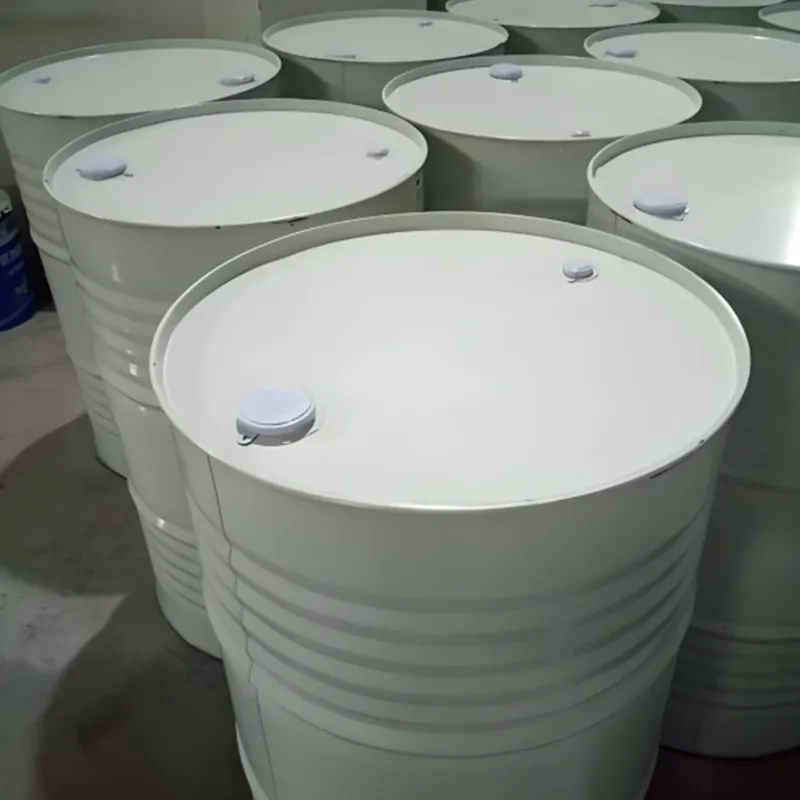
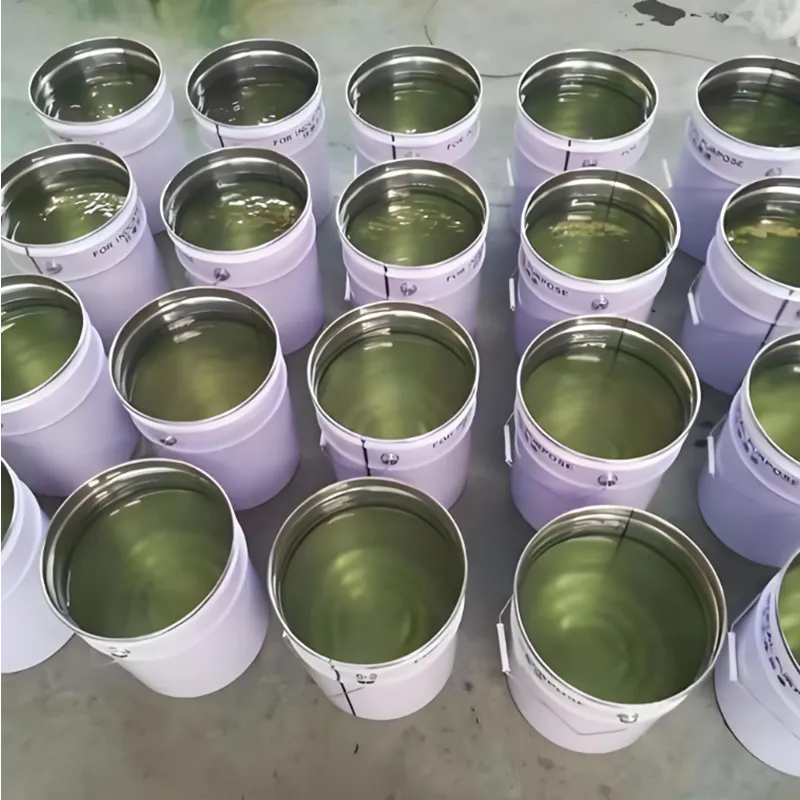
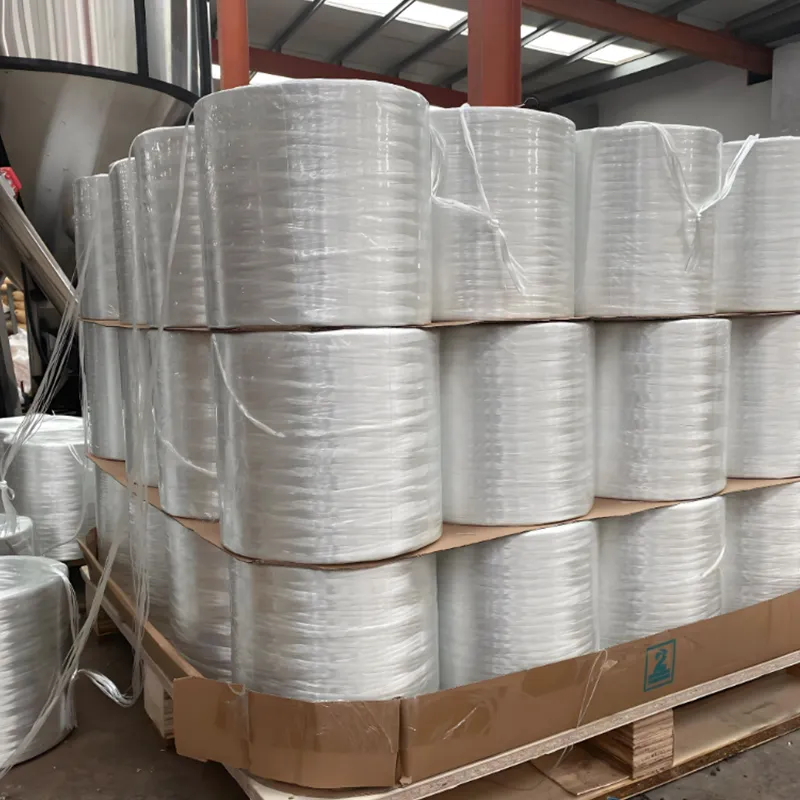
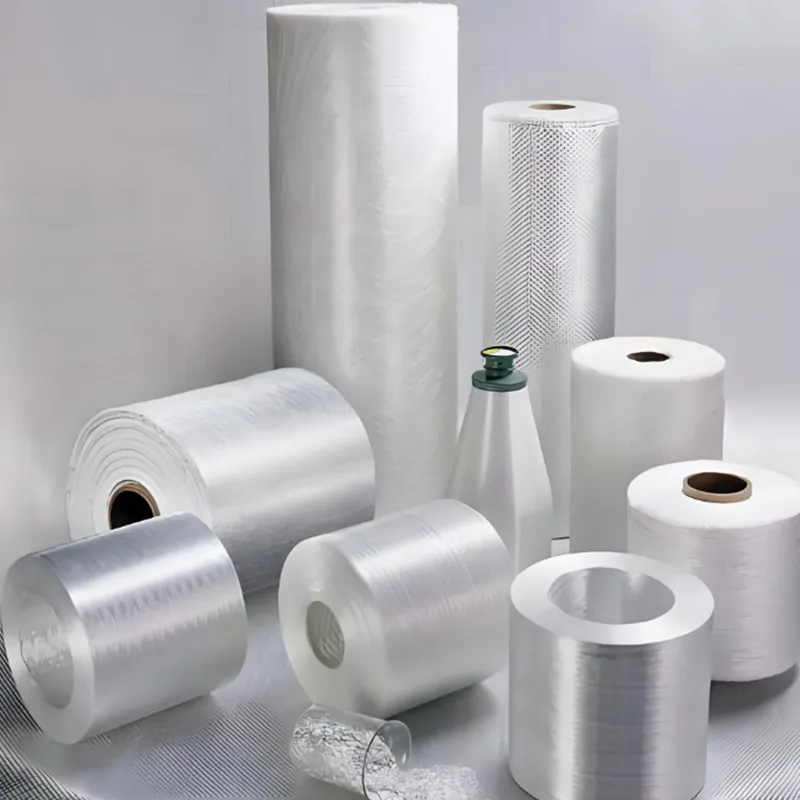
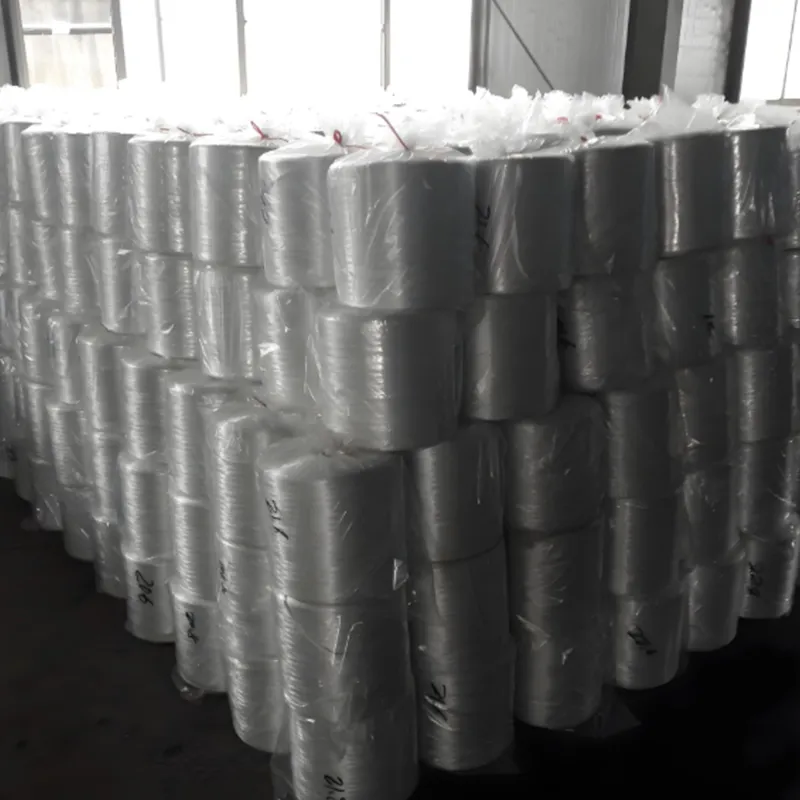
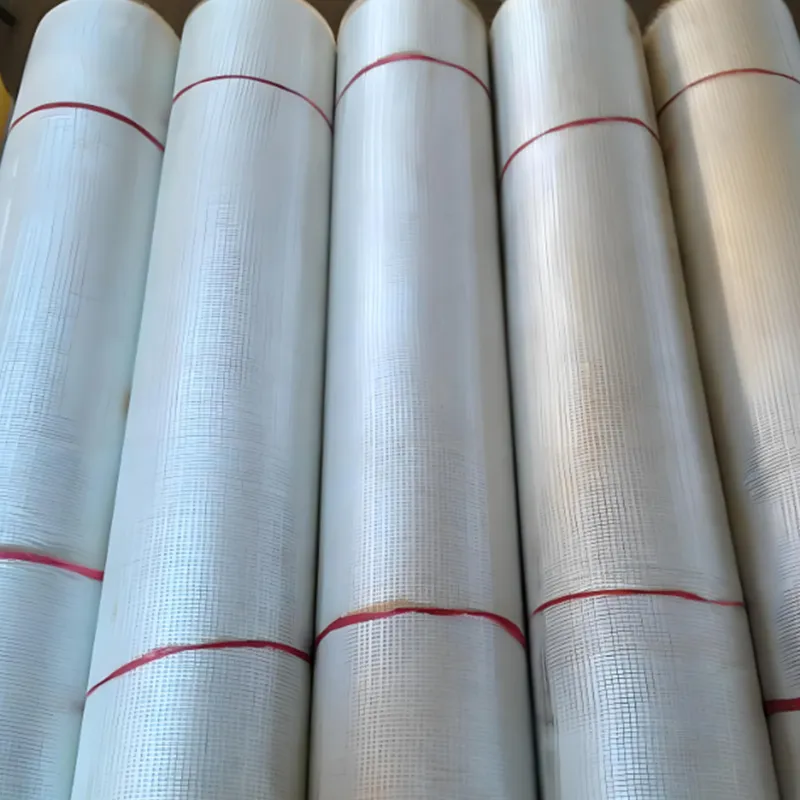
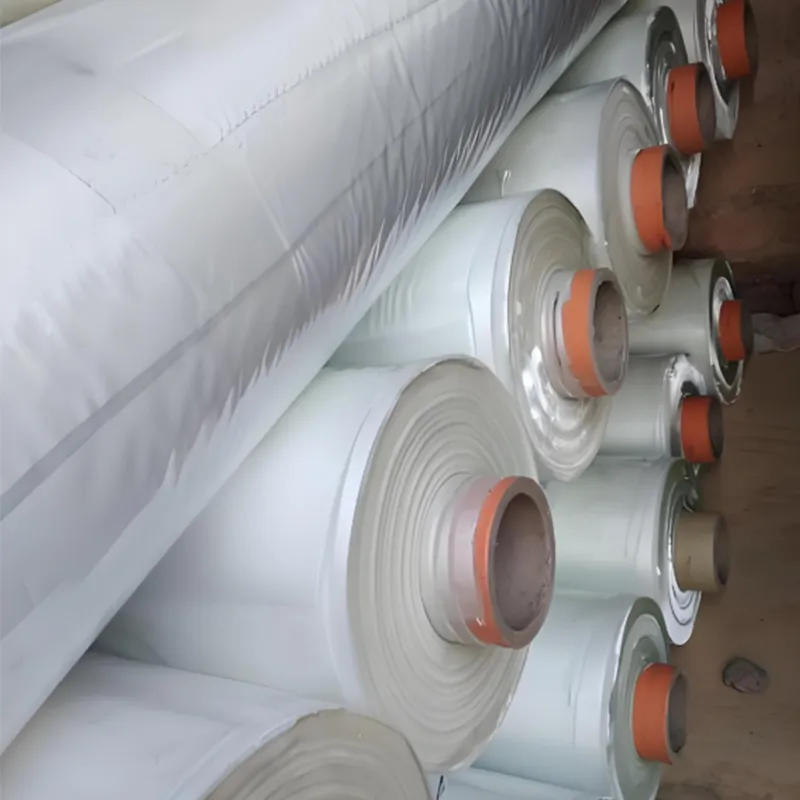
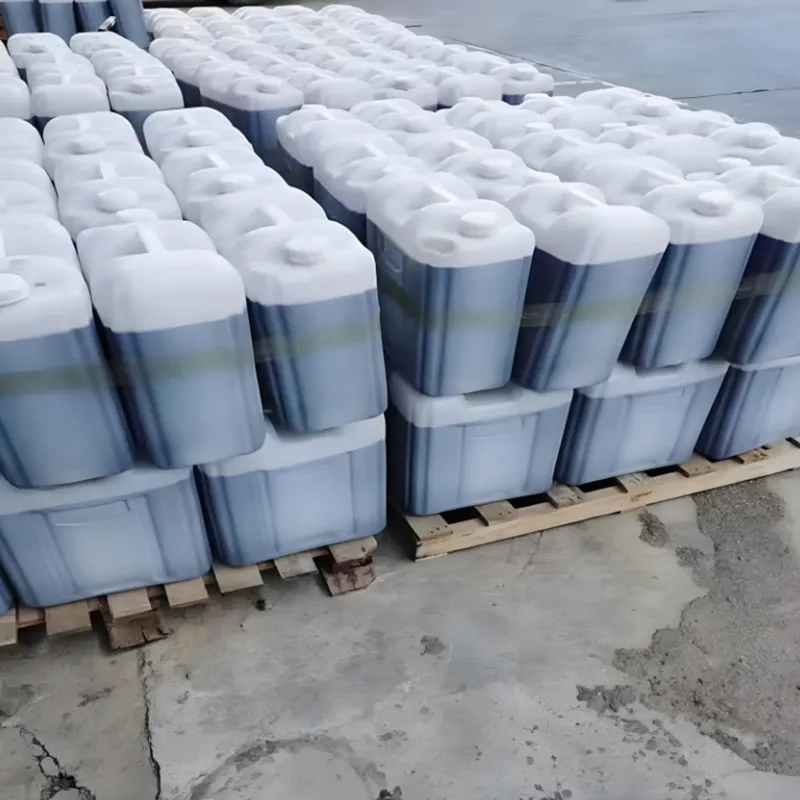
FRP raw material
1.Classification of Key Raw Materials
(1) Reinforcement Materials (Fibers)
|
Type |
Characteristics |
Typical Applications |
|
Fiberglass |
Low cost, high strength, corrosion-resistant |
Boats, pipes, storage tanks |
|
Carbon Fiber |
Ultra-high strength, lightweight (5x stronger than steel) |
Aerospace, high-end automotive, sports equipment |
|
Aramid Fiber |
Impact-resistant, high-temperature resistant (300°C+) |
Bulletproof armor, racing components |
|
Basalt Fiber |
Heat-resistant, eco-friendly (made from natural rock) |
Fireproof materials, construction reinforcement |
(2) Matrix Materials (Resins)
|
Type |
Characteristics |
Suitable Processes |
|
Unsaturated Polyester Resin (UPR) |
Low cost, fast curing, chemical-resistant |
Hand lay-up, spray-up, pultrusion |
|
Epoxy Resin (EP) |
High strength, excellent adhesion, moisture-resistant |
Aerospace, precision molds |
|
Vinyl Ester Resin (VER) |
Resistant to strong acids/alkalis, anti-aging |
Chemical tanks, scrubbers |
|
Polyurethane Resin (PUR) |
High toughness, impact-resistant, good low-temperature performance |
Automotive bumpers, wind turbine blades |
(3) Auxiliary Materials
Curing Agents: MEKP (Methyl Ethyl Ketone Peroxide), BPO (Benzoyl Peroxide)
Accelerators: Cobalt salts (e.g., Cobalt Octoate), amines (e.g., DMA)
Fillers: Aluminum hydroxide (flame retardant), calcium carbonate (cost reduction), silica powder (wear resistance)
Release Agents: Wax-based, semi-permanent (e.g., fluoropolymer)
2. Key Performance Parameters
|
Parameter |
Typical Range |
Test Standard |
|
Tensile Strength |
100-500 MPa (fiberglass-reinforced) |
ASTM D638 |
|
Flexural Strength |
150-600 MPa |
ASTM D790 |
|
Barcol Hardness |
40-60 |
ISO 2039-1 |
|
Heat Deflection Temp. (HDT) |
60-250°C (resin-dependent) |
ASTM D648 |
|
Oxygen Index (Flame Retardancy) |
20-55 (≥28 = flame-retardant) |
ASTM D2863 |
3. Material Selection Guide
(1) By Application
Corrosion Resistance (chemical/marine): Vinyl ester resin + fiberglass (surface mat + chopped strand mat)
High Strength & Lightweight (automotive/drones): Epoxy resin + carbon fiber (woven fabric)
Low-Cost Structural Parts (water tanks/pipes): Unsaturated polyester resin + fiberglass woven roving
(2) By Manufacturing Process
|
Process |
Recommended Resin |
Recommended Reinforcement |
|
Hand Lay-up/Spray-up |
Unsaturated polyester |
Chopped strand mat, woven fabric |
|
Pultrusion |
Vinyl ester/epoxy resin |
Roving, continuous mat |
|
Vacuum Infusion |
Epoxy/vinyl ester resin |
Multiaxial fabric |
4. Storage & Handling Guidelines
Resins: Store in dark, cool conditions (<25°C); keep curing agents and accelerators separate
Fiberglass: Keep dry (humidity ≤60%), avoid fiber breakage
Curing System:
Cold Weather: Use low-temperature curing agents (e.g., acetyl acetone peroxide)
Hot Weather: Reduce accelerator dosage to prevent rapid curing
5. Troubleshooting Common Issues
|
Issue |
Possible Cause |
Solution |
|
Incomplete Curing |
Insufficient curing agent/low temperature |
Increase curing agent or heat environment |
|
Excessive Bubbles |
Poor vacuum/resin viscosity too high |
Increase vacuum pressure or add thinner |
|
Delamination |
Poor fiber wet-out |
Use low-viscosity resin or increase pressure |
Supplier Services:
Custom Formulations: Adjust resin systems for corrosion resistance, flame retardancy, UV resistance, etc.
Technical Support: Process optimization (gel time, exotherm control)
Free Samples: Test resin + fiber combinations
Packaging Specifications:
Resins: 20kg/drum (standard), 200kg/IBC tank
Fiberglass: 50-100kg/roll (fabric), 10-20kg/bag (chopped strand mat)

FRP raw material Customer Evaluation

FRP raw material FAQ
-
What main raw materials are included?
Mainly include unsaturated polyester resin, vinyl ester resin, epoxy resin, fiberglass roving, fiberglass mat, curing agent, accelerator, filler and surface treatment agent.
-
Are these raw materials suitable for all FRP products?
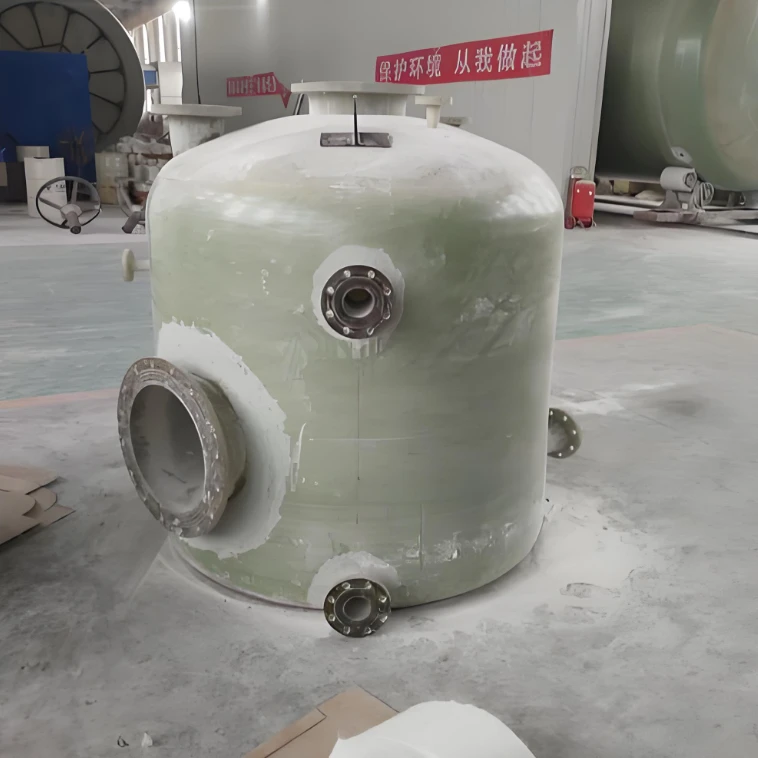
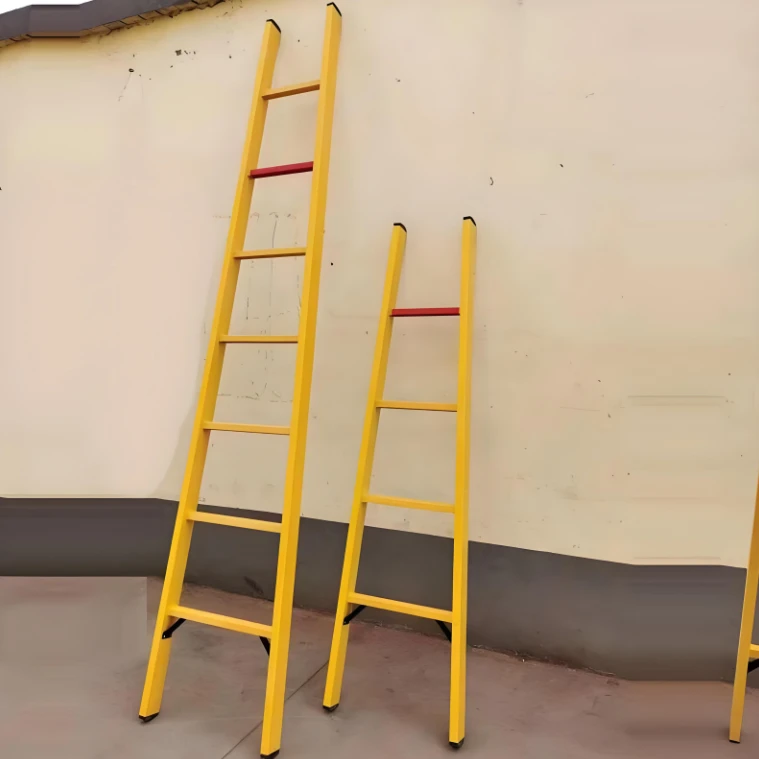
Yes, they can be widely used for FRP pipes, gratings, valves, manhole covers, ventilation ducts, profiles and various molded products.
-
Do you provide formula and usage guidance?
Yes, we offer complete ratio schemes, operating instructions and technical support for different production processes.
-
What is the storage condition and shelf life?
Store in a cool, dry and ventilated place away from direct sunlight. The normal shelf life is 3–6 months for resins and 1–3 years for fiberglass materials.


Apr 16,2026
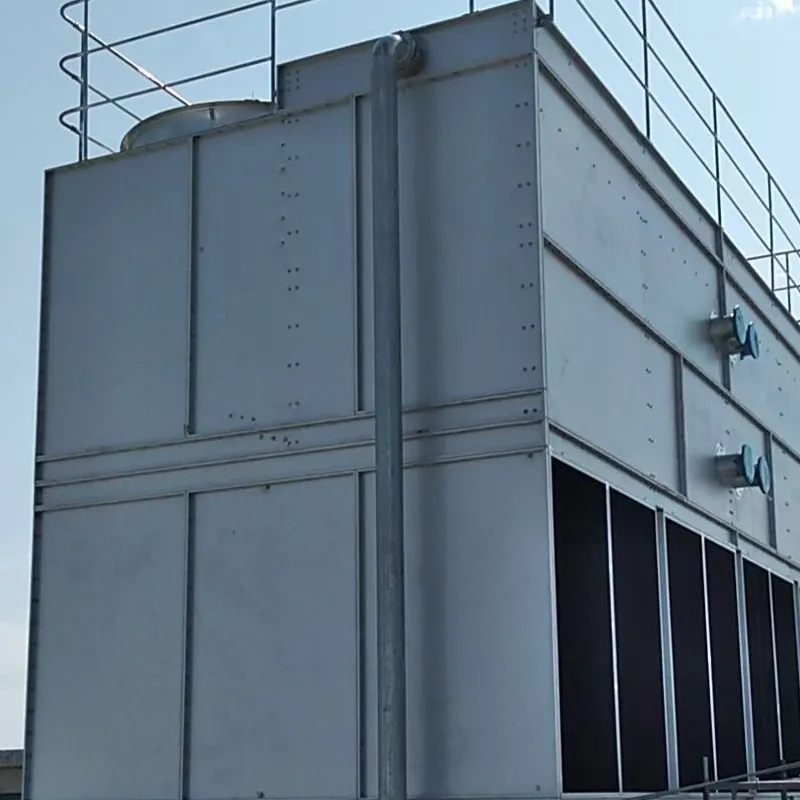
Professional Guide to Effective Cooling Tower Treatment Strategies
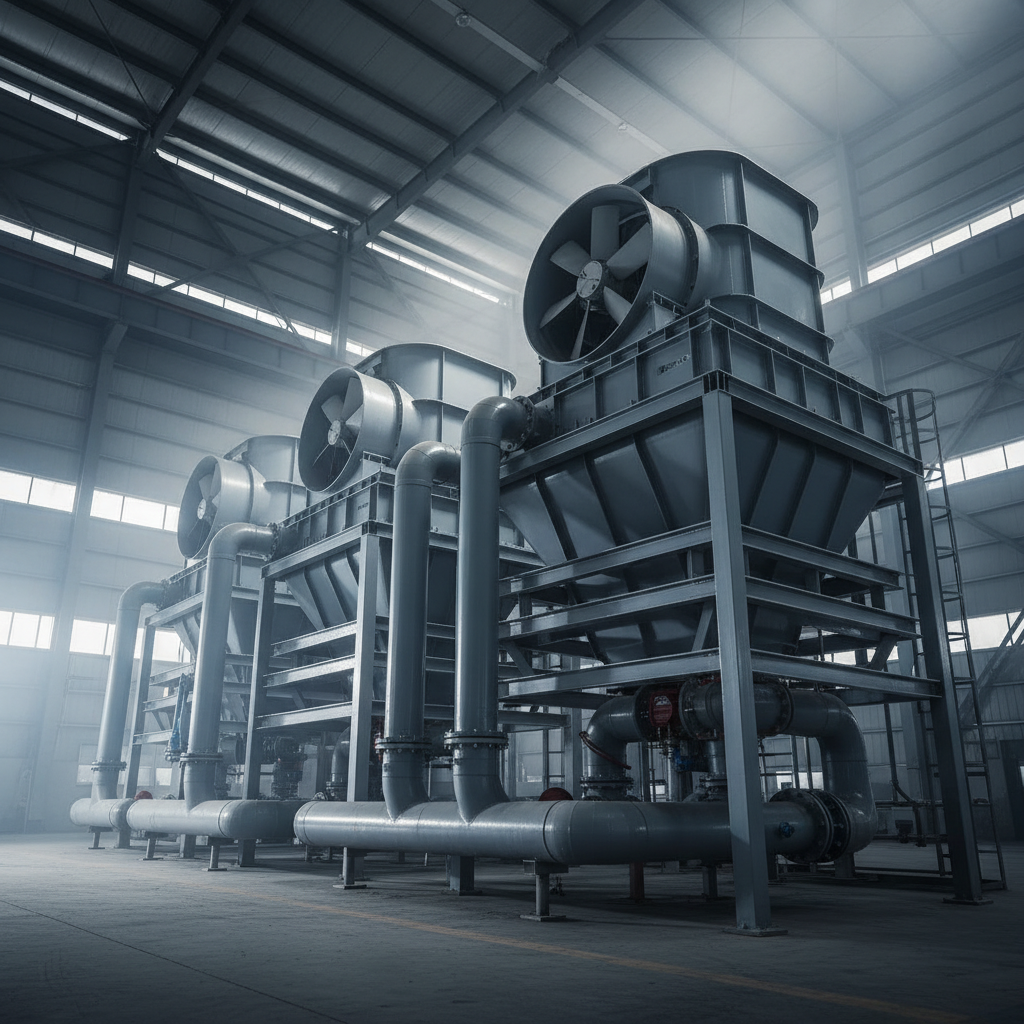
Maintaining industrial cooling systems is critical for operational efficiency and equipment longevity. A professional cooling tower treatment strategy is not just about cleaning; it is about preventing scale buildup, corrosion, and the growth of harmful microorganisms. Without proper management, these systems can suffer from reduced heat transfer efficiency, leading to higher energy costs and potential system failures. In this guide, we will explore the essential components of water treatment, the chemistry involved, and how to optimize your cooling tower for maximum performance and sustainability.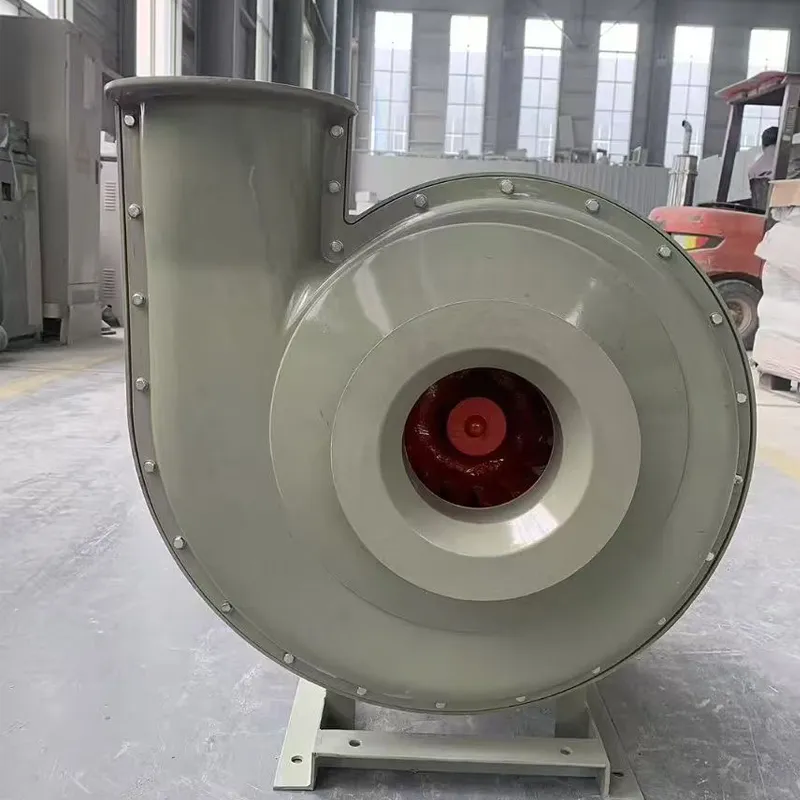



Address
20 Xingyuan South Street, Zaoqiang County, Hengshui City, Hebei Province, China


