


نحن مفتوحون 24 ساعة في اليوم، 7 أيام في الأسبوع، بما في ذلك عطلات نهاية الأسبوع والعطلات الرسمية.

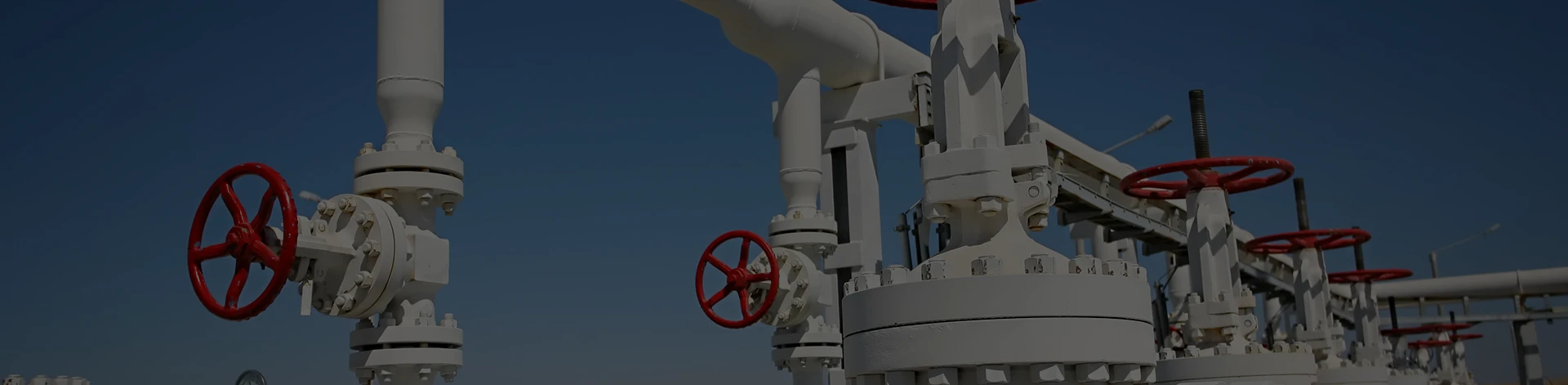
Applications of FRP Signage: Why Fiberglass Signage Is the Smart Choice
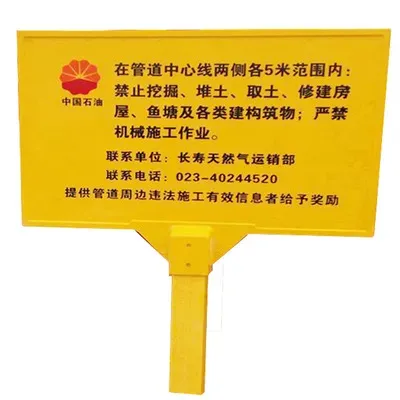
In today’s demanding environments, businesses and public facilities need signage that is not only visually clear but also durable, corrosion-resistant, and cost-effective. This is where fiberglass signage—commonly referred to as FRP (Fiber Reinforced Plastic) signage—stands out. From industrial plants to coastal infrastructure, fiberglass sign board solutions are increasingly replacing traditional materials like metal and wood.
This article explores the key applications of frp signs, highlighting why they are becoming the preferred option across multiple industries.
What Is Fiberglass Signage and Why It Matters
Before diving into applications, it’s important to understand what makes fiberglass signage unique. FRP is a composite material made by reinforcing a polymer matrix with glass fibers. This structure gives fiberglass sign board products exceptional strength, durability, and resistance to environmental damage.
Unlike traditional signage materials, frp signs do not rust, rot, or degrade easily when exposed to moisture, chemicals, or UV radiation. This makes them especially valuable in harsh or outdoor environments where longevity is critical.
Industrial Applications of FRP Signs
One of the most common uses of fiberglass signage is in industrial settings such as chemical plants, oil refineries, and manufacturing facilities. These environments often involve exposure to corrosive substances, high humidity, and extreme temperatures.
A fiberglass sign board is ideal for:
- Safety warnings in chemical processing areas
- Equipment labeling in corrosive environments
- Hazard identification signs
Because frp signs resist chemical corrosion and maintain structural integrity over time, they significantly reduce maintenance costs and replacement frequency. This makes them a reliable long-term investment for industrial operators.
Outdoor Infrastructure and Public Facilities
Public infrastructure projects require signage that can withstand continuous exposure to weather conditions. Rain, sunlight, wind, and pollution can quickly degrade traditional materials, but fiberglass signage performs exceptionally well in these scenarios.
Typical applications include:
- Road and traffic signage
- Park and recreational facility signs
- Utility and electrical warning boards
A fiberglass sign board retains its color and shape even after years of UV exposure. Additionally, frp signs are lightweight yet strong, making installation easier and safer, especially in large-scale public projects.
Coastal and Marine Environments
Coastal areas present unique challenges due to saltwater exposure and high humidity. Metal signs often corrode quickly in these conditions, leading to safety risks and increased maintenance.
This is where fiberglass signage truly excels. Its non-corrosive properties make it ideal for:
- Harbor and dock signage
- Offshore platform labeling
- Coastal warning signs
A fiberglass sign board can resist salt spray and moisture without degradation, ensuring that frp signs remain legible and structurally sound for extended periods.
Power Plants and Electrical Facilities
Electrical environments demand signage materials that are not only durable but also non-conductive. Fiberglass signage meets this requirement, making it a safe and practical choice for power-related applications.
Common uses include:
- High-voltage warning signs
- Substation labeling
- Transformer identification boards
Because frp signs are non-conductive, they add an extra layer of safety in environments where electrical hazards are present. A fiberglass sign board also resists heat and environmental stress, ensuring consistent performance over time.
Commercial and Architectural Signage
Beyond industrial use, fiberglass signage is also gaining popularity in commercial and architectural applications. Businesses are increasingly choosing frp signs for their aesthetic flexibility and durability.
تشمل التطبيقات:
- Building identification signs
- Retail storefront displays
- Directional signage in large complexes
A fiberglass sign board can be customized in various colors, shapes, and finishes, allowing businesses to maintain brand consistency while benefiting from long-lasting materials. Unlike wood or metal, frp signs require minimal upkeep, making them a cost-efficient option for commercial use.
Transportation and Logistics Industry
The transportation sector relies heavily on clear, durable signage for safety and operational efficiency. Fiberglass signage plays a crucial role in this field due to its resilience and visibility.
Typical applications include:
- Railway warning signs
- Airport guidance boards
- Warehouse labeling systems
A fiberglass sign board can endure heavy usage and environmental exposure without fading or breaking. This ensures that frp signs remain readable and effective, even in high-traffic areas.
Environmental and Sustainability Benefits
Sustainability is becoming an important consideration in material selection, and fiberglass signage offers several environmental advantages. Because frp signs have a long service life, they reduce the need for frequent replacements, thereby minimizing material waste.
Additionally:
- Lower maintenance reduces resource consumption
- Durable materials mean fewer production cycles
- Lightweight structure lowers transportation emissions
Choosing a fiberglass sign board is not only a practical decision but also an environmentally responsible one for organizations aiming to reduce their carbon footprint.
Why Choose FRP Signs Over Traditional Materials
When comparing FRP Signage with traditional materials like steel, aluminum, or wood, several advantages become clear:
- مقاومة التآكل: Ideal for harsh environments
- Durability: Long lifespan with minimal maintenance
- خفيفة الوزن: Easier installation and handling
- التخصيص: Flexible design options
- أمان: Non-conductive and fire-resistant properties
These benefits make frp signs a superior alternative for a wide range of applications.
خاتمة
The applications of fiberglass signage are vast and continually expanding across industries. Whether used in industrial plants, coastal regions, power facilities, or commercial buildings, fiberglass sign board solutions offer unmatched durability, safety, and cost efficiency.
As more organizations prioritize long-term performance and sustainability, frp signs are becoming the go-to choice for reliable and high-quality signage. Investing in fiberglass signage not only ensures clear communication but also delivers lasting value in even the most challenging environments.




عنوان
20 Xingyuan South Street, Zaoqiang County, Hengshui City, Hebei Province, China


