


نحن مفتوحون 24 ساعة في اليوم، 7 أيام في الأسبوع، بما في ذلك عطلات نهاية الأسبوع والعطلات الرسمية.


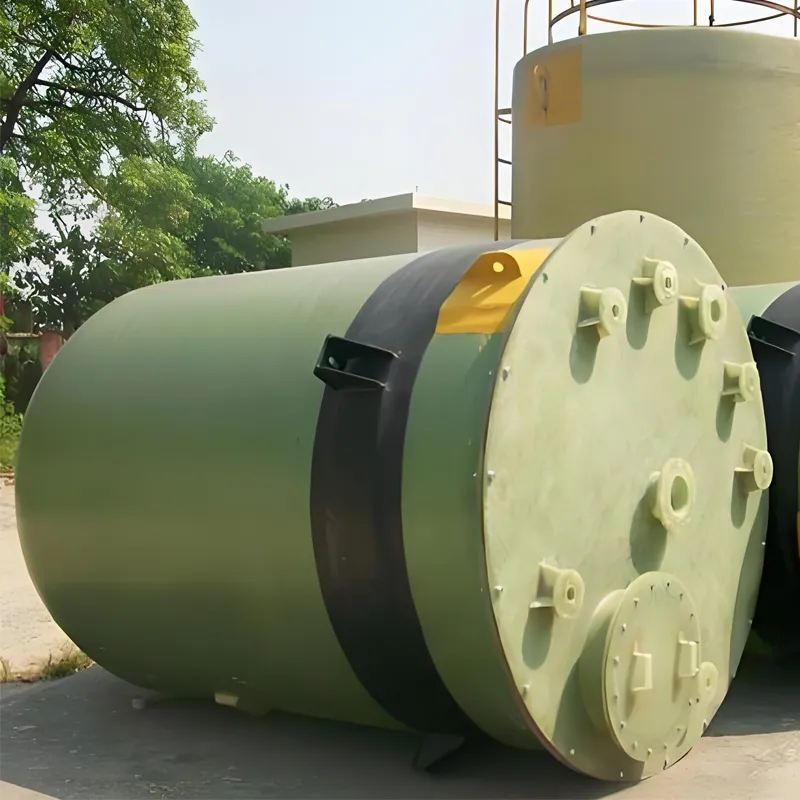
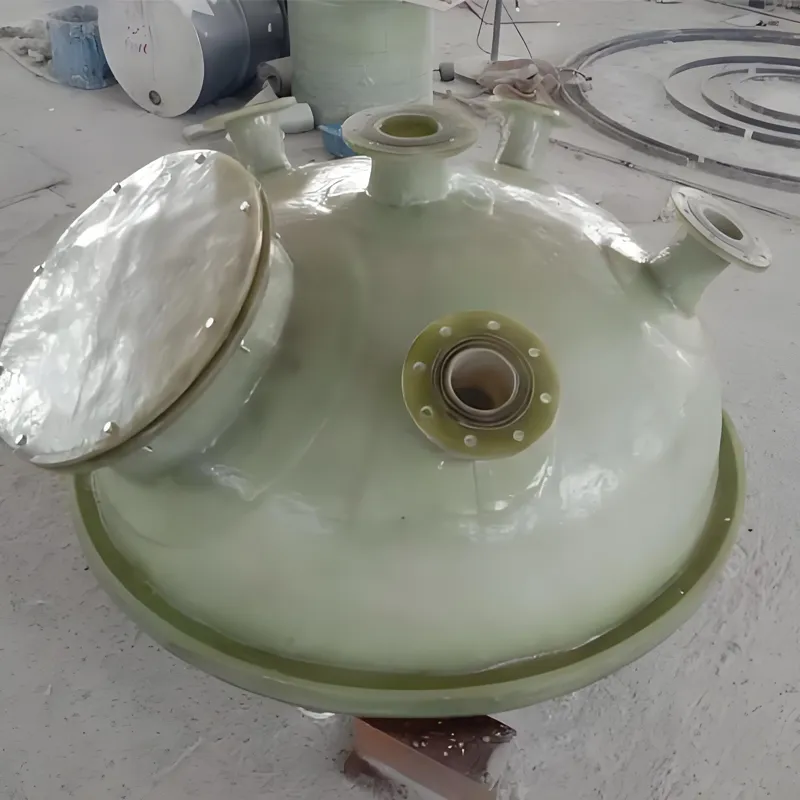
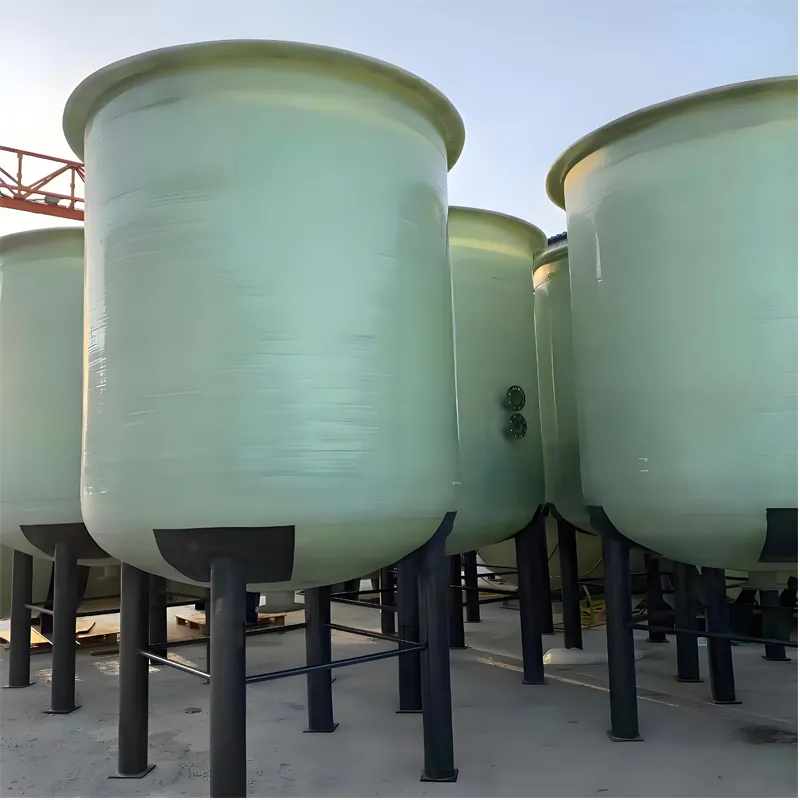
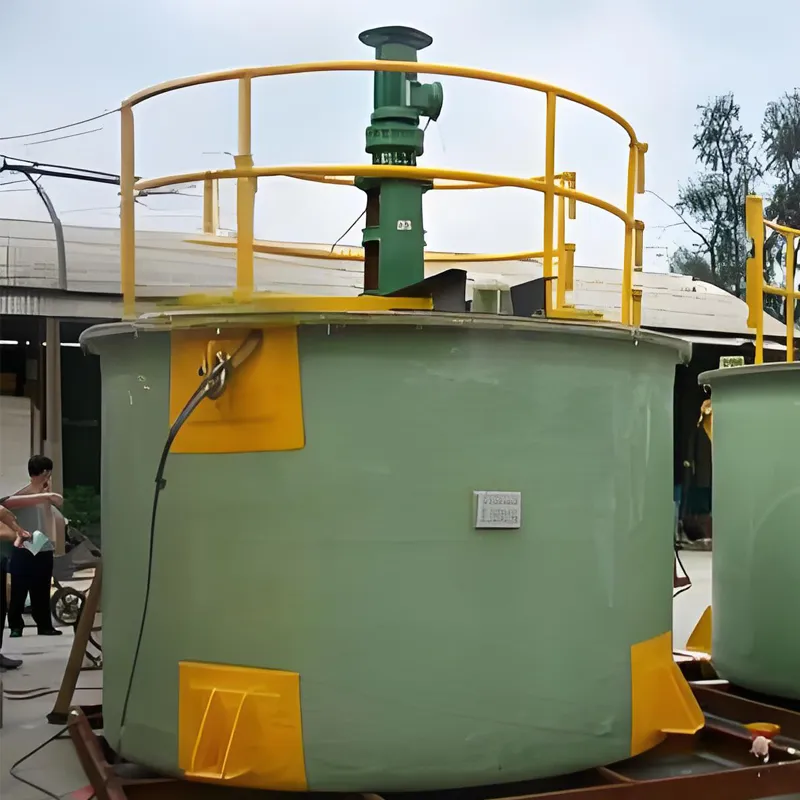
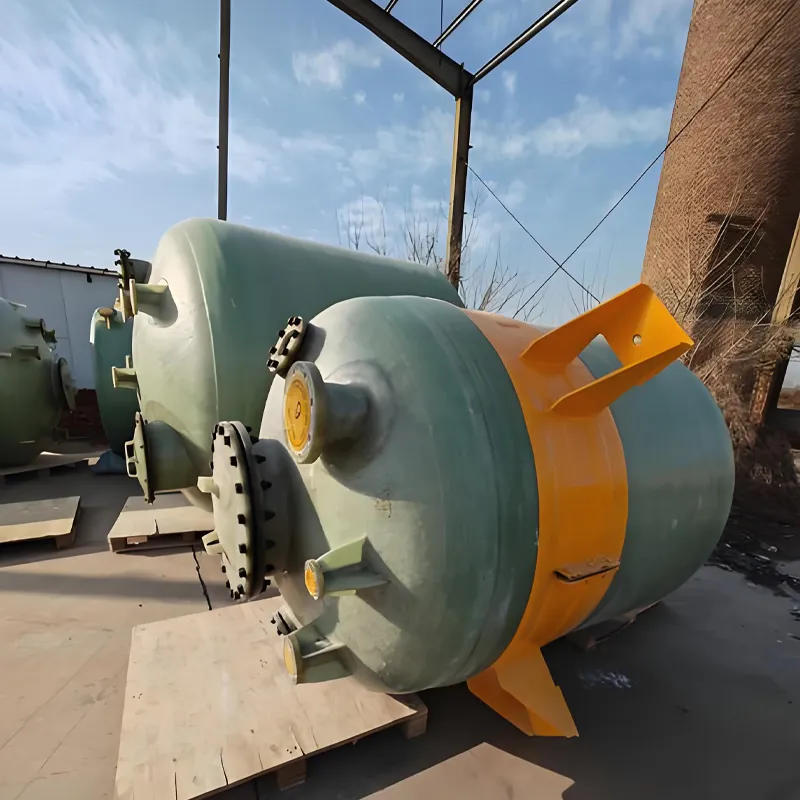
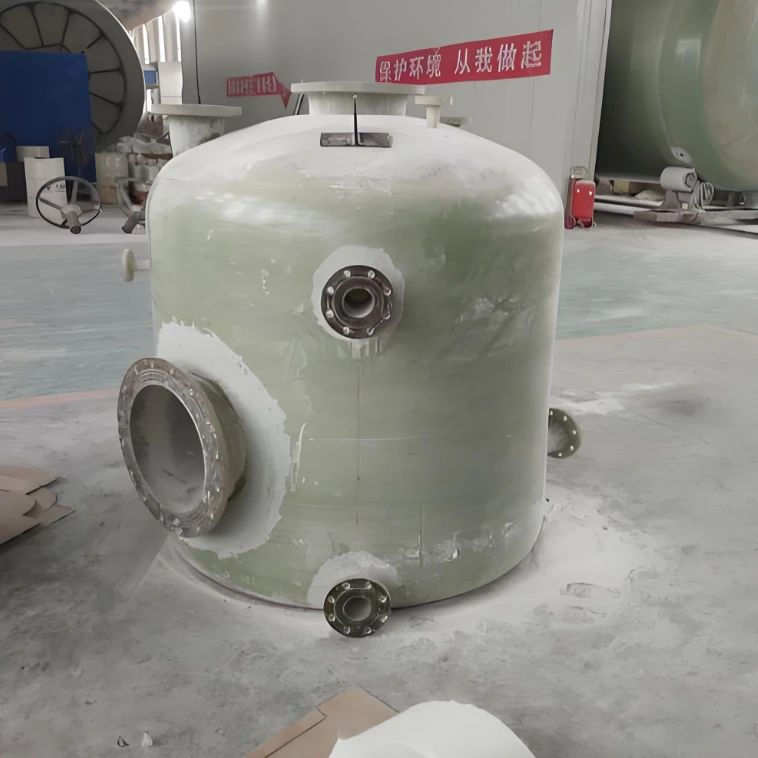
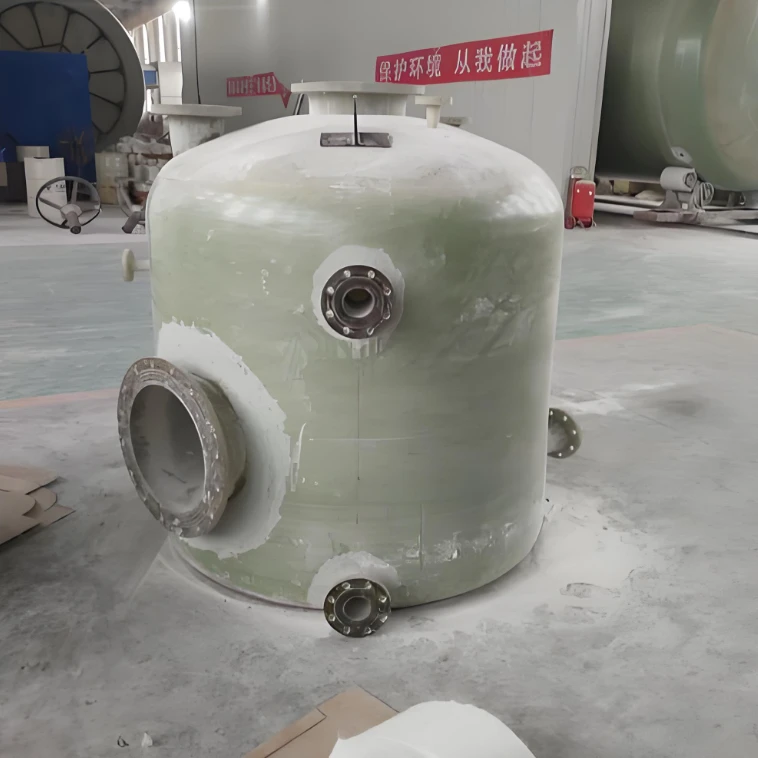
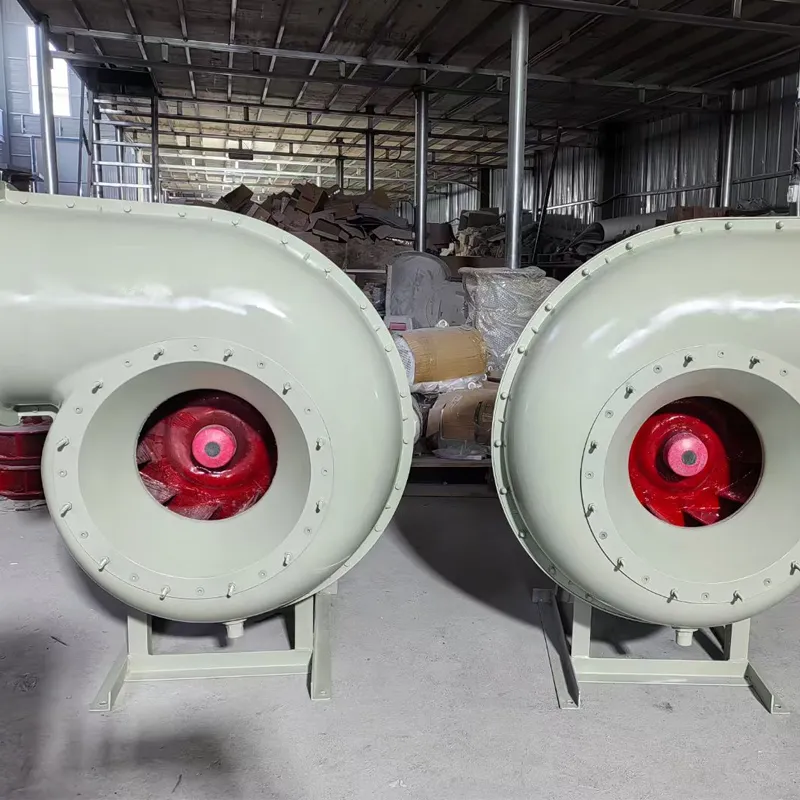
غلاية رد فعل FRP
مزايا أوعية التفاعل المصنوعة من الألياف الزجاجية (FRP).
تُعرف أوعية التفاعل المصنوعة من البلاستيك المقوى بالألياف الزجاجية (FRP) على نطاق واسع بأنها حل متفوق للمعالجة الكيميائية نظرًا لخصائصها المادية الفريدة وقدرتها على التكيف. وفيما يلي تحليل مفصل لمزاياها الرئيسية، مدعومة بالرؤى التقنية وتطبيقات الصناعة:
1. مقاومة استثنائية للتآكل
FRP reaction vessels excel in resisting aggressive chemicals, including acids, alkalis, and solvents. The composite structure—glass fibers embedded in a corrosion-resistant resin matrix (e.g., epoxy or vinyl ester)—creates an impermeable barrier, preventing chemical penetration. For example, C-Glass fiber-reinforced tanks are specifically designed for high-corrosion environments, such as sulfuric acid or sodium hydroxide processing, ensuring long-term structural integrity. This makes FRP ideal for industries like pharmaceuticals, petrochemicals, and specialty chemicals.
2. قوة ومتانة عالية
FRP vessels exhibit a strength-to-weight ratio 50–70% higher than steel or concrete, enabling them to withstand high internal pressures and mechanical stresses. The seamless construction eliminates weld joints, reducing risks of leaks or failures. For instance, pultruded FRP components (e.g., structural supports) enhance stability in high-load applications, such as polymerization reactions.
3. الاستقرار الحراري ومقاومة درجات الحرارة
FRP materials maintain performance across a wide temperature range (-50°C to 120°C), making them suitable for exothermic or endothermic reactions. Their low thermal conductivity minimizes heat transfer losses, improving energy efficiency in temperature-sensitive processes like esterification or distillation.
4. خفيفة الوزن وسهلة التركيب
FRP reaction vessels are 50–70% lighter than metal alternatives, reducing transportation costs and simplifying installation. Modular designs allow on-site assembly, even in space-constrained facilities. This feature is critical for retrofitting existing plants or deploying vessels in remote locations.
5. تصميم قابل للتخصيص
يمكن تصميم سفن FRP لتلبية متطلبات محددة:
الشكل والحجم: تكوينات أسطوانية أو كروية أو مستطيلة لتحسين الخلط وتوزيع الحرارة.
الميزات المتكاملة: تعمل أدوات التحريك وسترات التدفئة/التبريد وأنظمة تخفيف الضغط على تحسين الأداء الوظيفي.
التشطيبات السطحية: تعمل التصميمات الداخلية الناعمة على تقليل التلوث وتبسيط التنظيف، وهو أمر ضروري للعمليات الصيدلانية.
6. عمر خدمة طويل وصيانة منخفضة
مع عمر يتجاوز 30 عامًا، تتطلب سفن FRP الحد الأدنى من الصيانة مقارنة بالخزانات المعدنية المتآكلة. يمنع السطح غير المسامي تراكم الحجم ونمو الميكروبات، مما يقلل من وقت التوقف عن الصيانة. على سبيل المثال، تحتفظ خزانات FRP المطلية بالفلوروكربون بأكثر من 90% من قوة الشد بعد التعرض لفترة طويلة للأشعة فوق البنفسجية والوسائط المسببة للتآكل.
7. الالتزام بالبيئة والسلامة
FRP is recyclable and generates fewer carbon emissions during production than metals. Their leak-proof design prevents hazardous chemical spills, aligning with regulations like EPA and OSHA standards. Additionally, FRP’s non-conductive properties enhance safety in electrically sensitive environments.
8. فعالية التكلفة
في حين أن التكاليف الأولية قد تتجاوز تكلفة الفولاذ، إلا أن FRP يوفر وفورات طويلة الأجل من خلال تقليل الصيانة وإصلاحات التآكل ووقت التوقف عن العمل. تتجنب الصناعات النفقات المتعلقة بالاستبدال المتكرر أو احتواء الانسكابات الكيميائية.
تطبيقات أوعية التفاعل FRP
التخليق الكيميائي: التعامل الآمن مع المواد المتفاعلة المسببة للتآكل في عمليات البلمرة أو الكبريتة.
المستحضرات الصيدلانية: الإنتاج المعقم لـ APIs (المكونات الصيدلانية النشطة) بمواد متوافقة مع إدارة الغذاء والدواء.
معالجة النفايات: تحييد النفايات السائلة الحمضية/القلوية في المعالجة البيئية.
خاتمة
تجمع أوعية التفاعل المصنوعة من الألياف الزجاجية بين مقاومة التآكل، والثبات الحراري، والتخصيص، مما يجعلها لا غنى عنها في المعالجة الكيميائية الحديثة. يضمن تصميمها خفيف الوزن، والامتثال لمعايير السلامة، وكفاءة تكلفة دورة الحياة، أداءً موثوقًا في البيئات الصناعية كثيرة المتطلبات. للحصول على المواصفات الفنية، استشر الشركات المصنعة مثل *Shunmei Composites* أو راجع معايير مثل ASTM D4097.

FRP Reaction Kettle Customer Evaluation

FRP Reaction Kettle FAQ
-
What is an FRP reaction kettle?
An FRP reaction kettle is a reactor vessel made from Fiber Reinforced Plastic, designed for carrying out chemical reactions with strong corrosion resistance.
-
What are the advantages of FRP reaction kettles?
They offer excellent corrosion resistance, lightweight construction, high strength, long service life, and lower maintenance costs compared to metal reactors.
-
What industries use FRP reaction kettles?
They are widely used in chemical processing, pharmaceuticals, water treatment, food additives, and environmental protection industries.
-
Can FRP reaction kettles handle high temperatures?
Yes, depending on the resin system used, FRP kettles can withstand moderate to high temperatures, but specific limits should be confirmed with the manufacturer.



Apr 16,2026
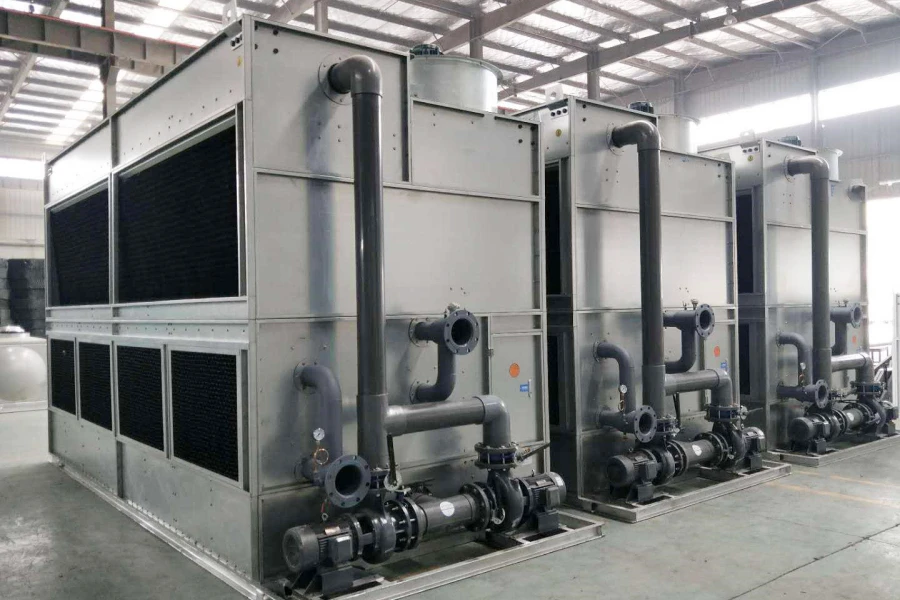
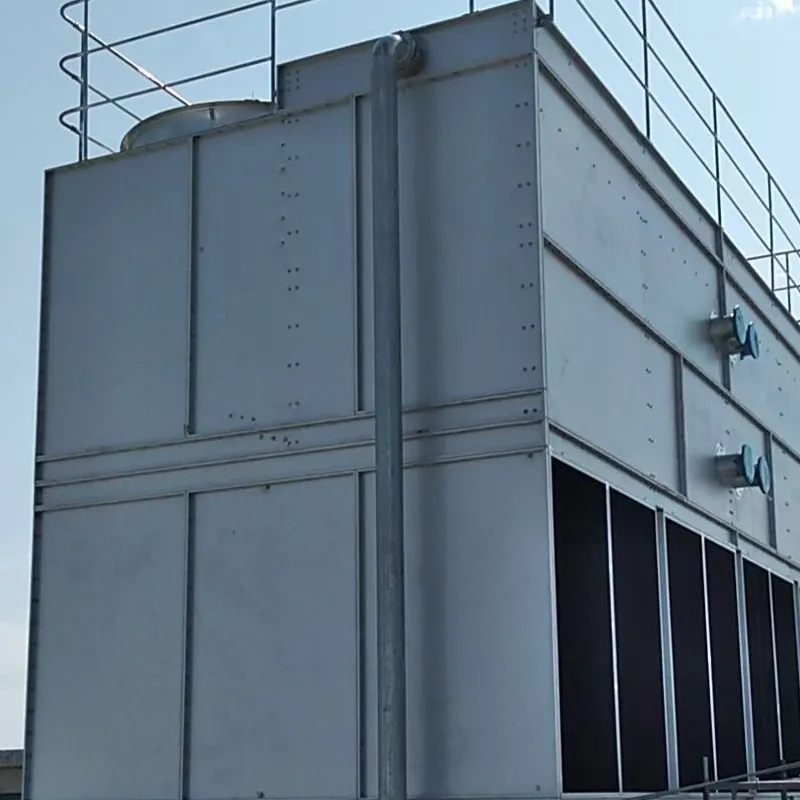
Professional Guide to Effective Cooling Tower Treatment Strategies
Maintaining industrial cooling systems is critical for operational efficiency and equipment longevity. A professional cooling tower treatment strategy is not just about cleaning; it is about preventing scale buildup, corrosion, and the growth of harmful microorganisms. Without proper management, these systems can suffer from reduced heat transfer efficiency, leading to higher energy costs and potential system failures. In this guide, we will explore the essential components of water treatment, the chemistry involved, and how to optimize your cooling tower for maximum performance and sustainability.



عنوان
20 Xingyuan South Street, Zaoqiang County, Hengshui City, Hebei Province, China


