


نحن مفتوحون 24 ساعة في اليوم، 7 أيام في الأسبوع، بما في ذلك عطلات نهاية الأسبوع والعطلات الرسمية.


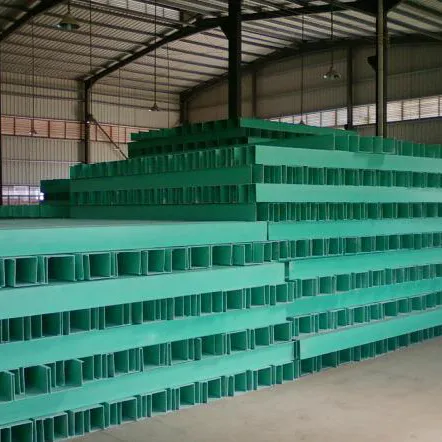
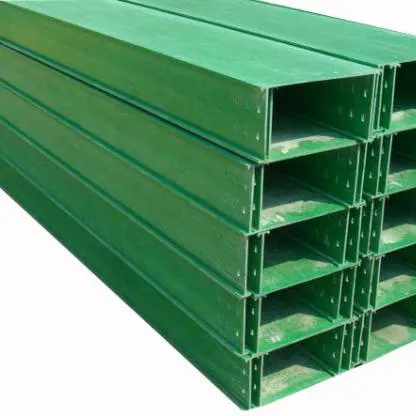
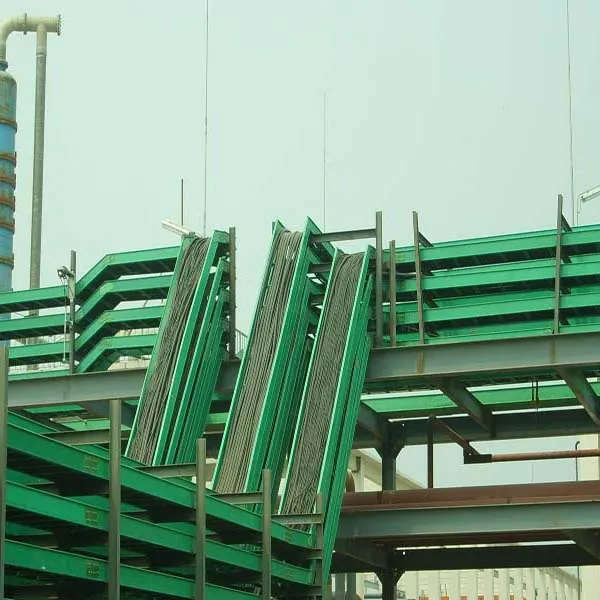
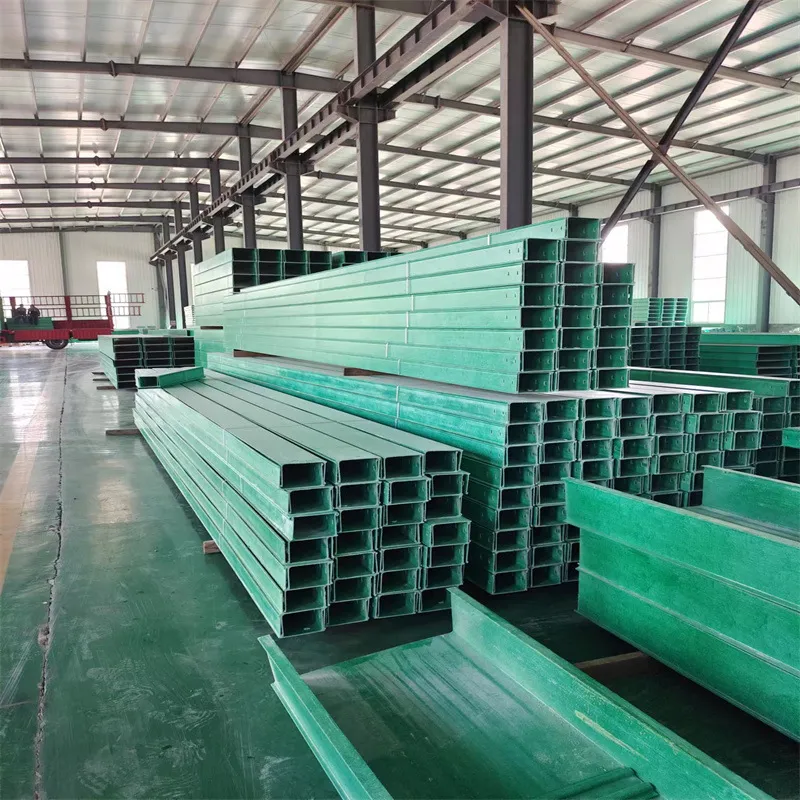
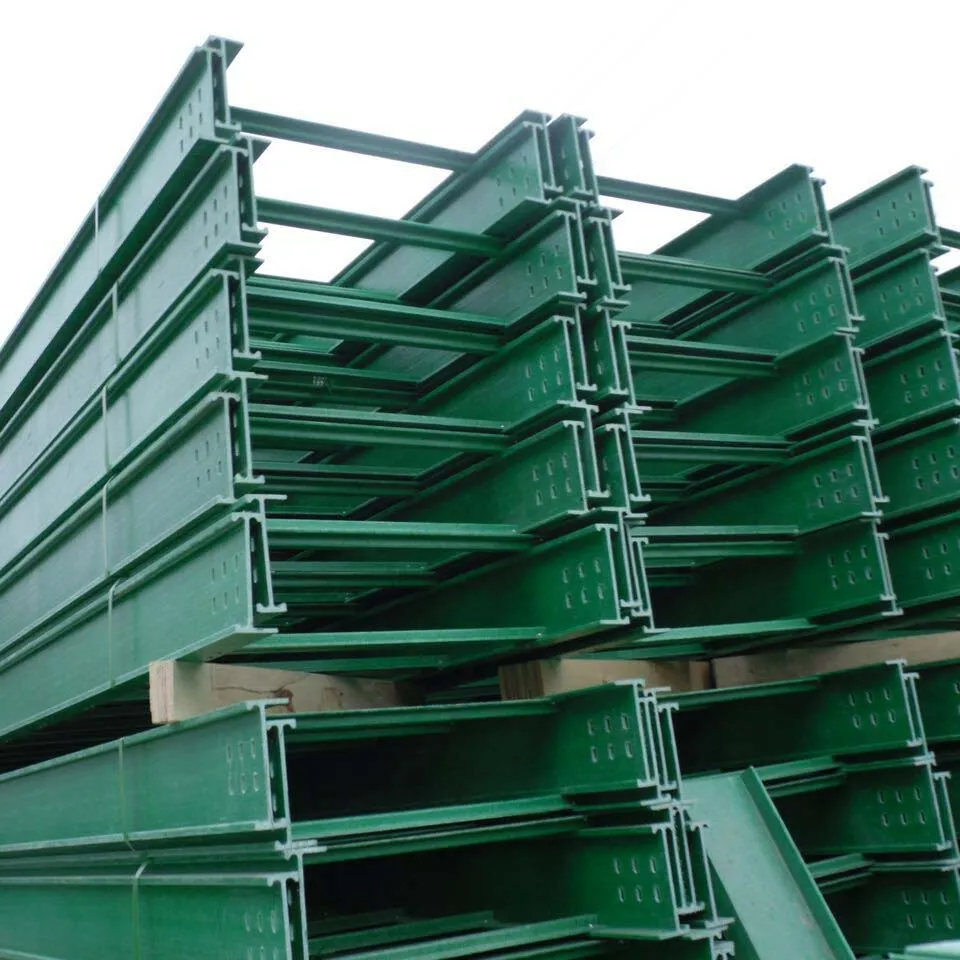
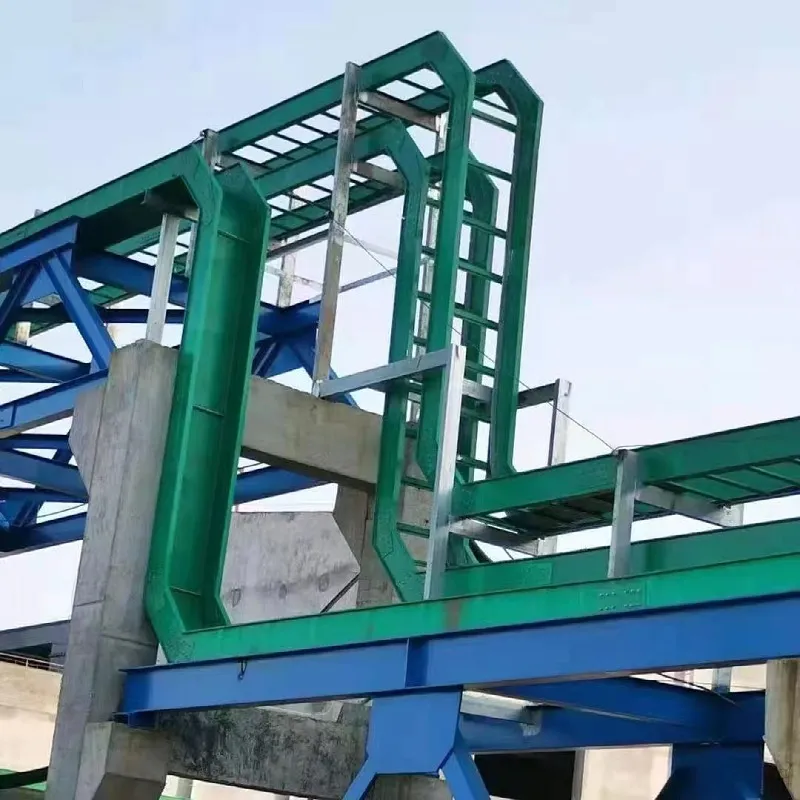
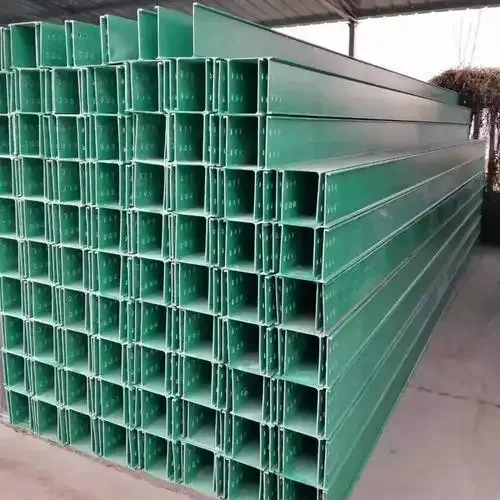
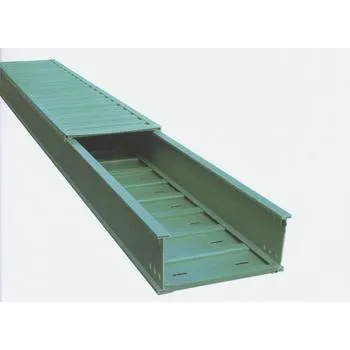
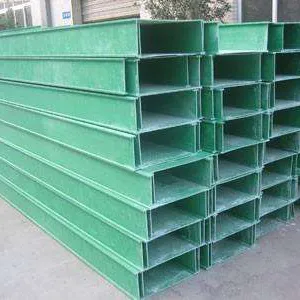
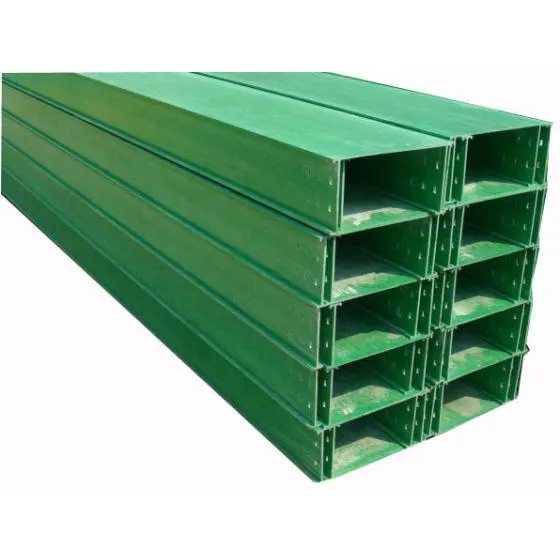
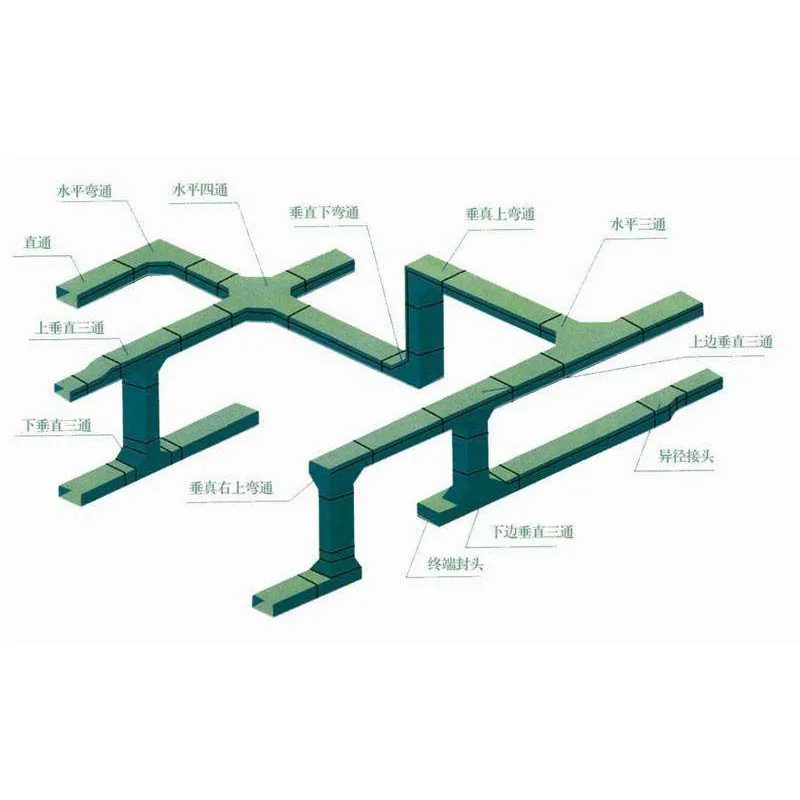
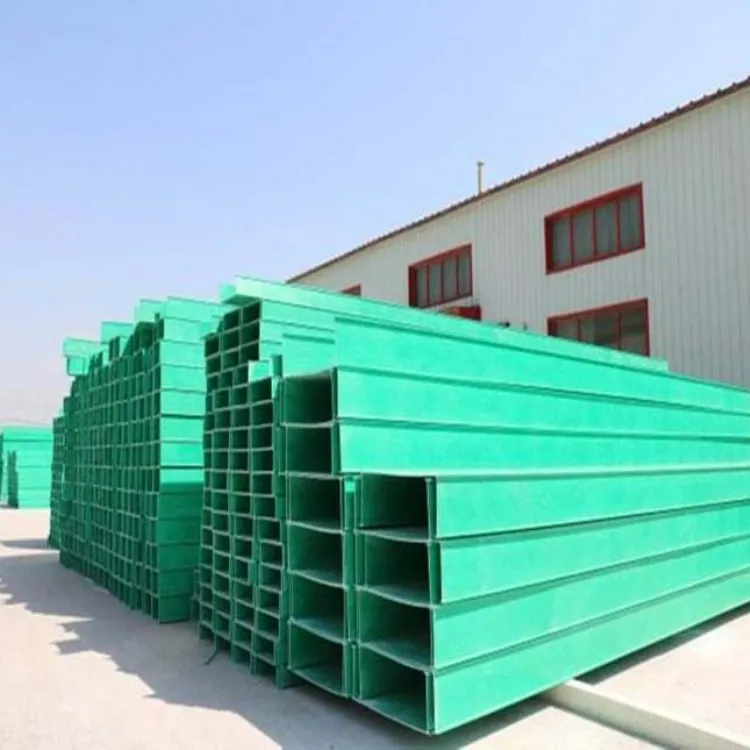
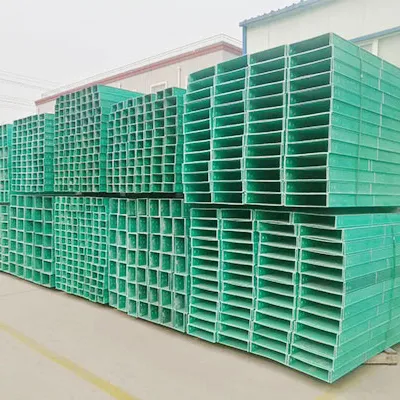
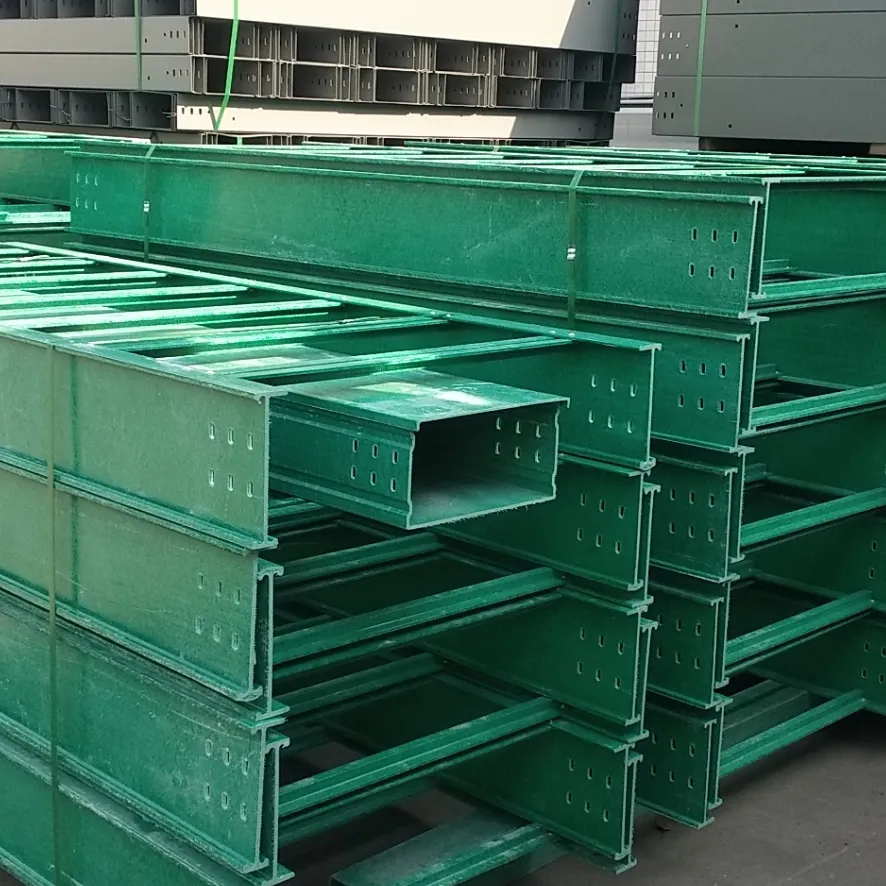
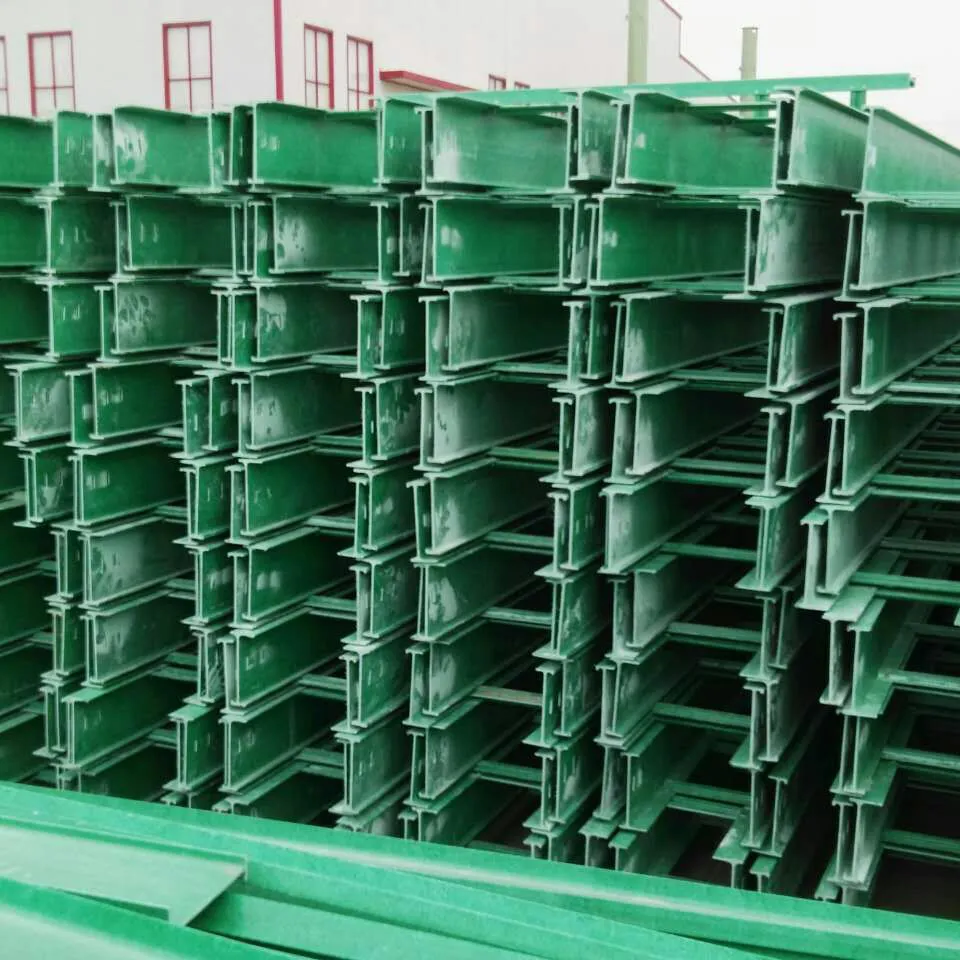
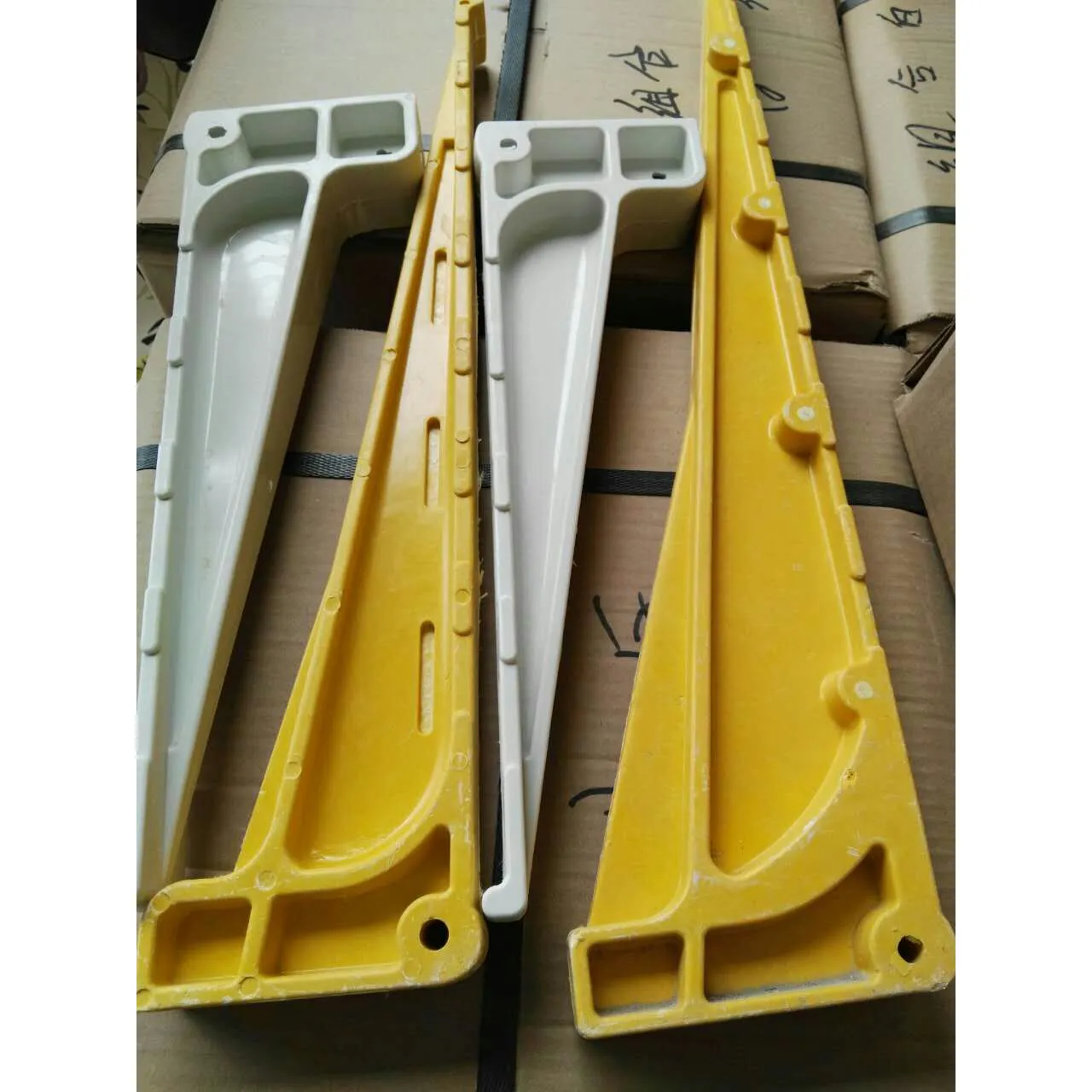
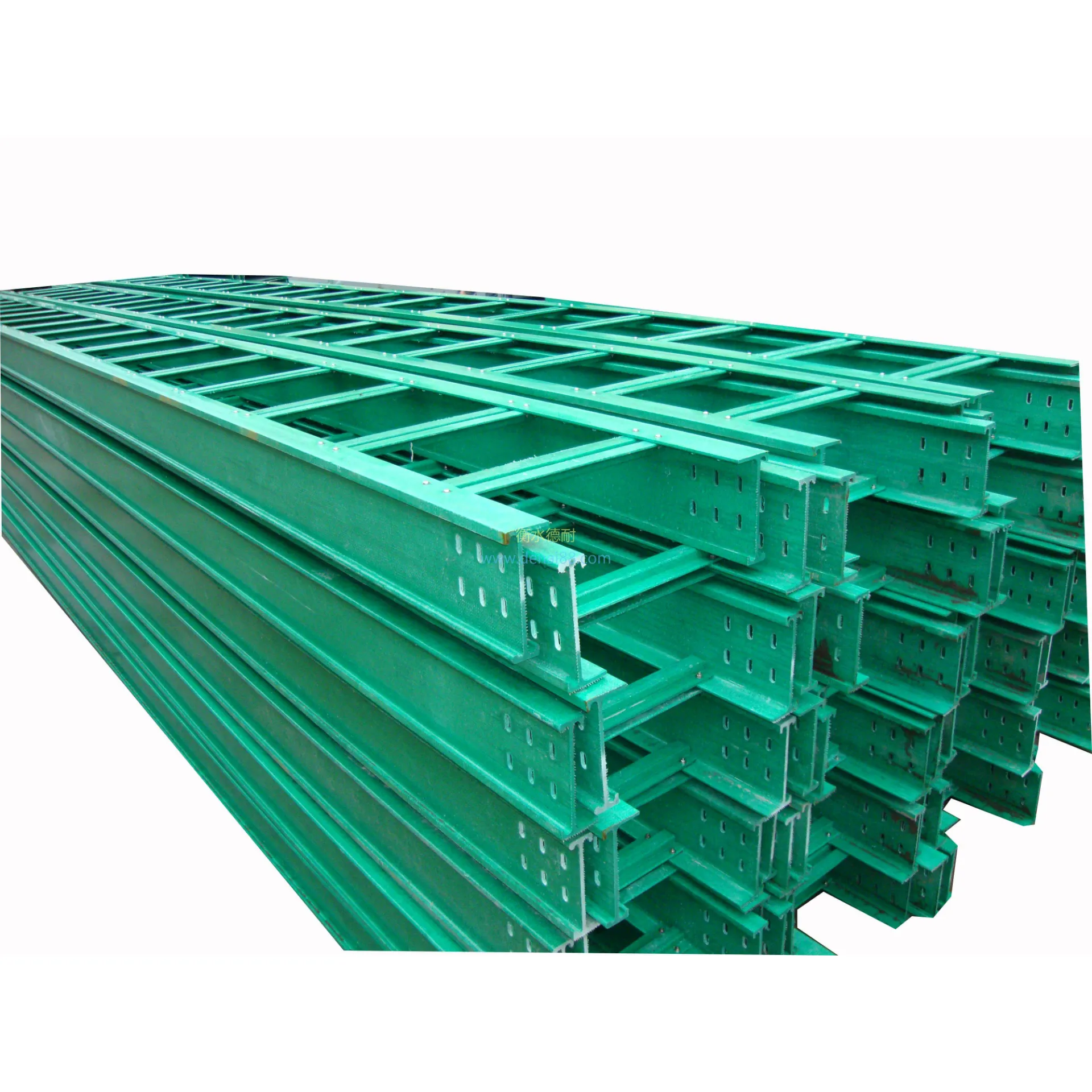
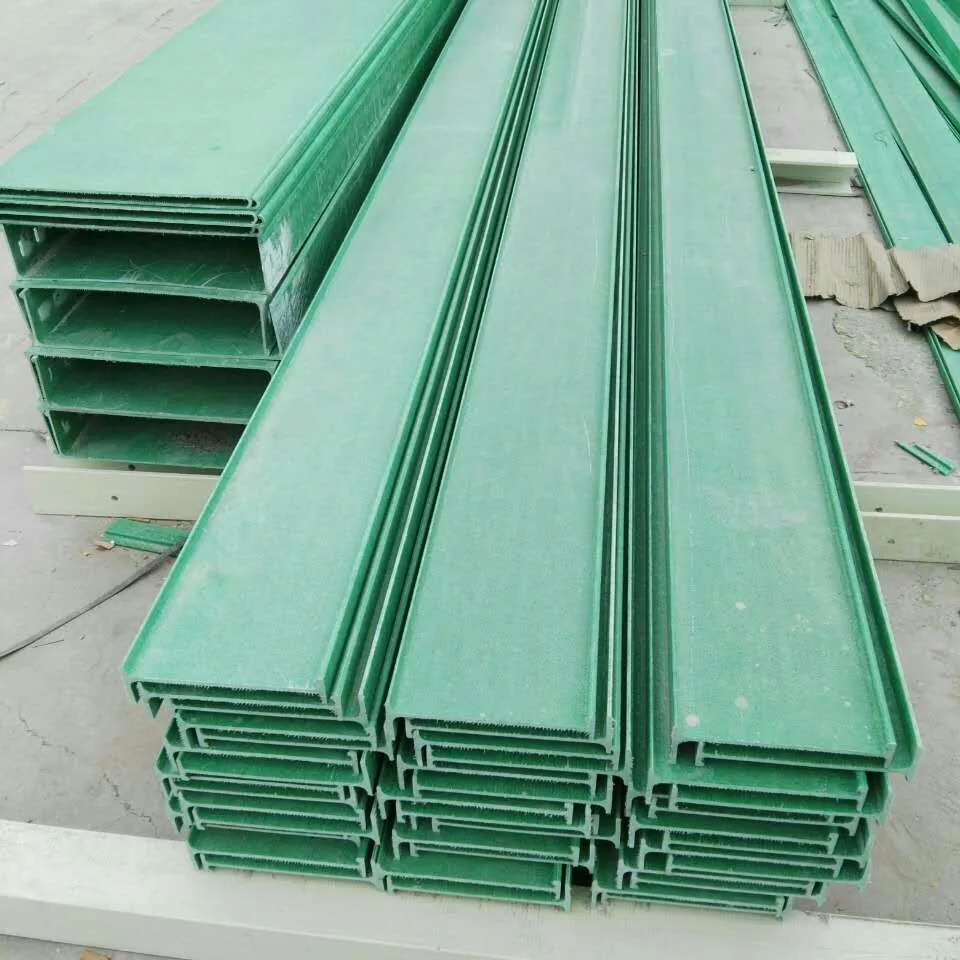
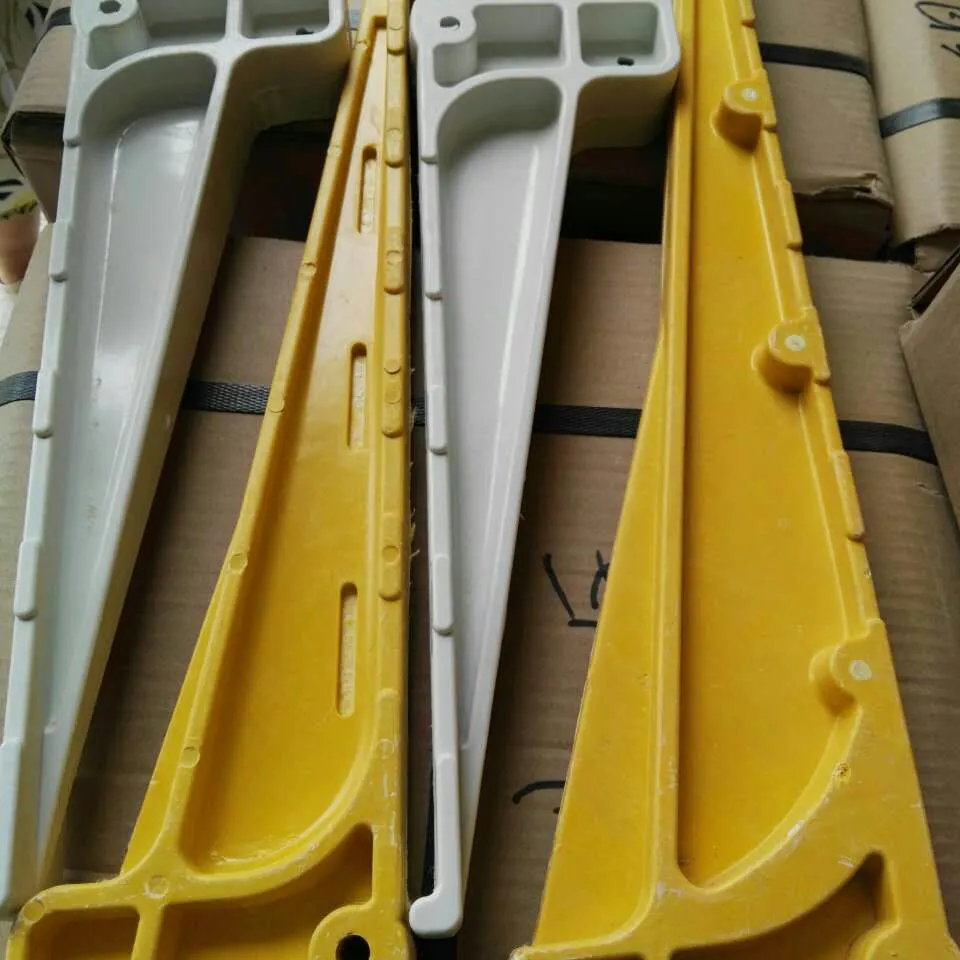
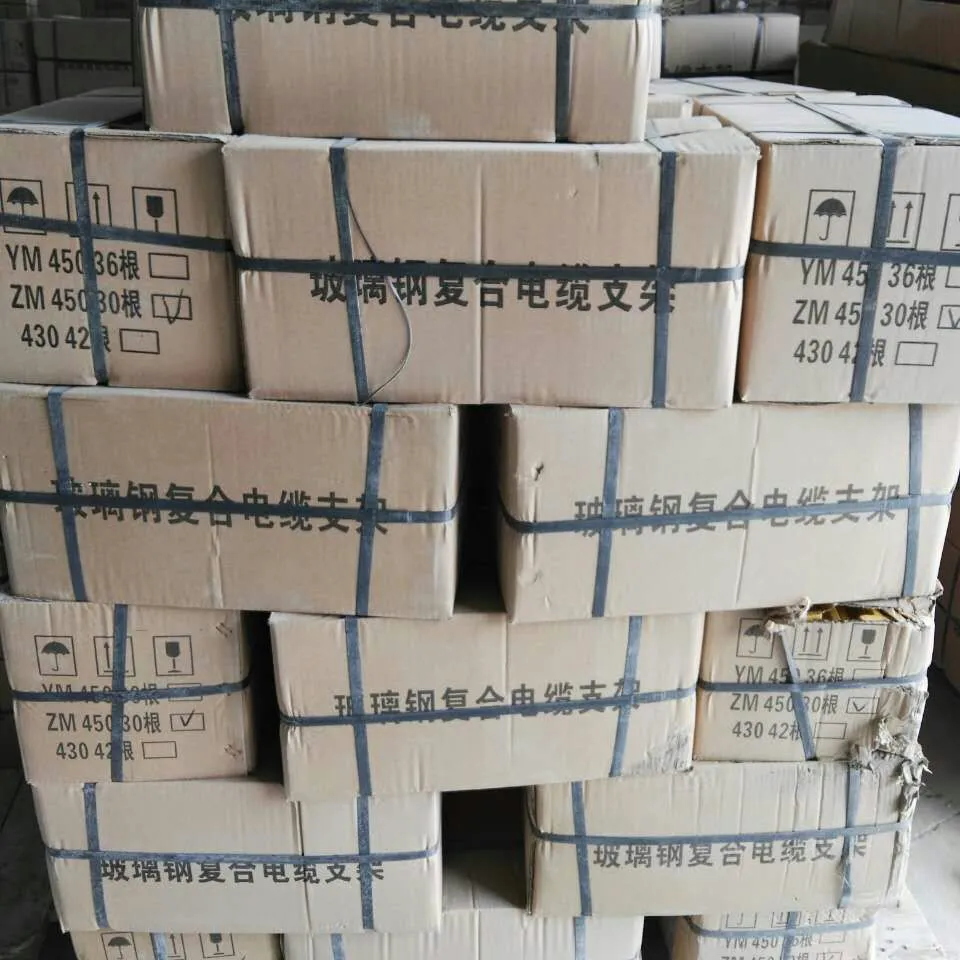
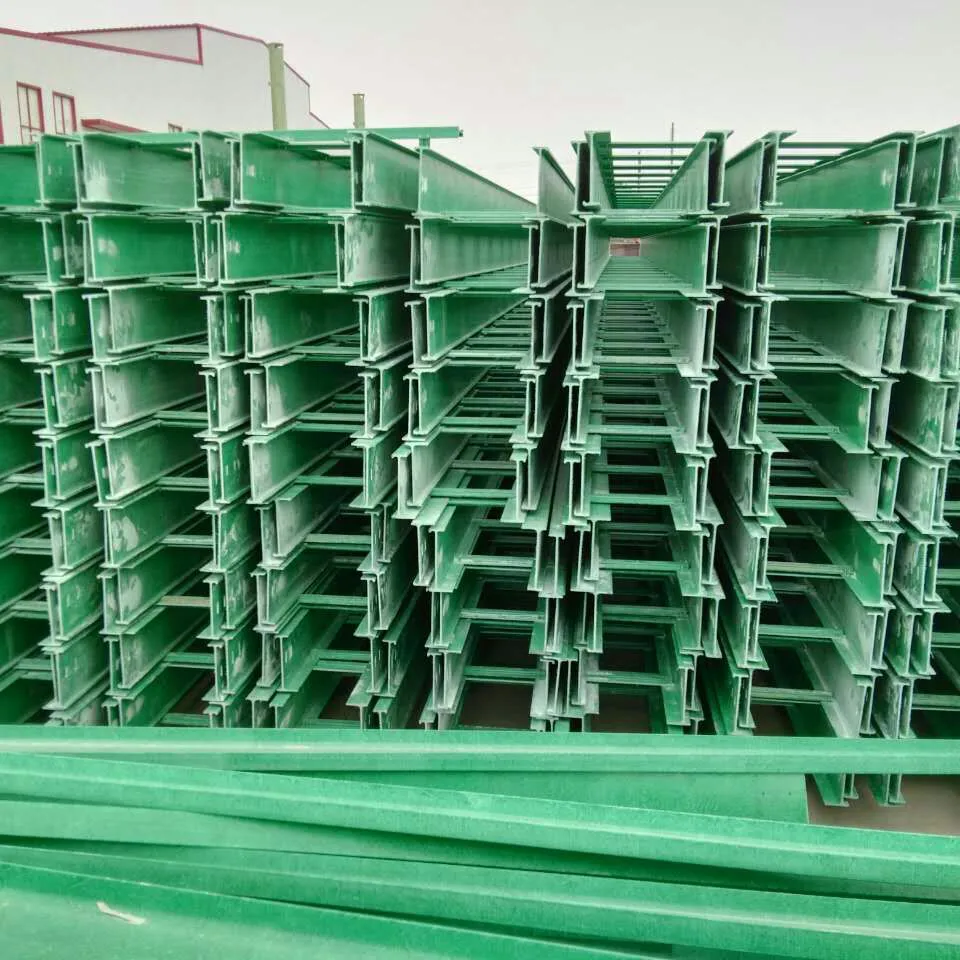
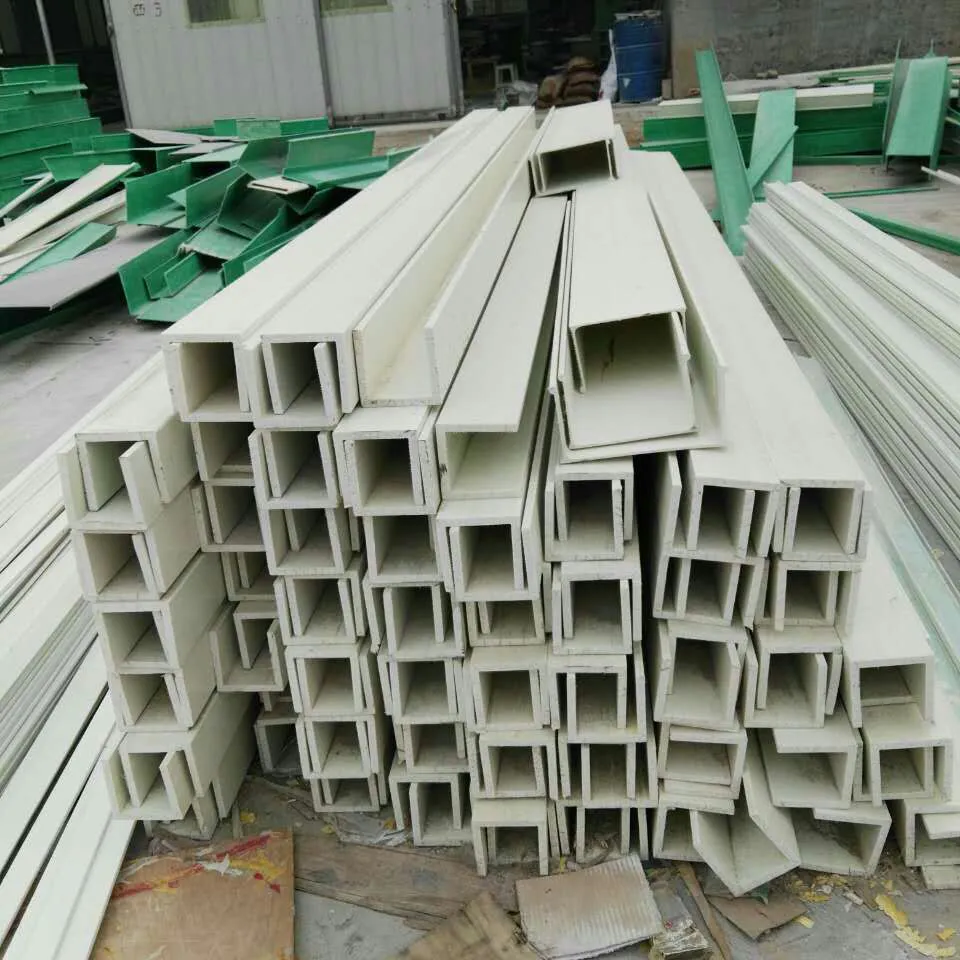
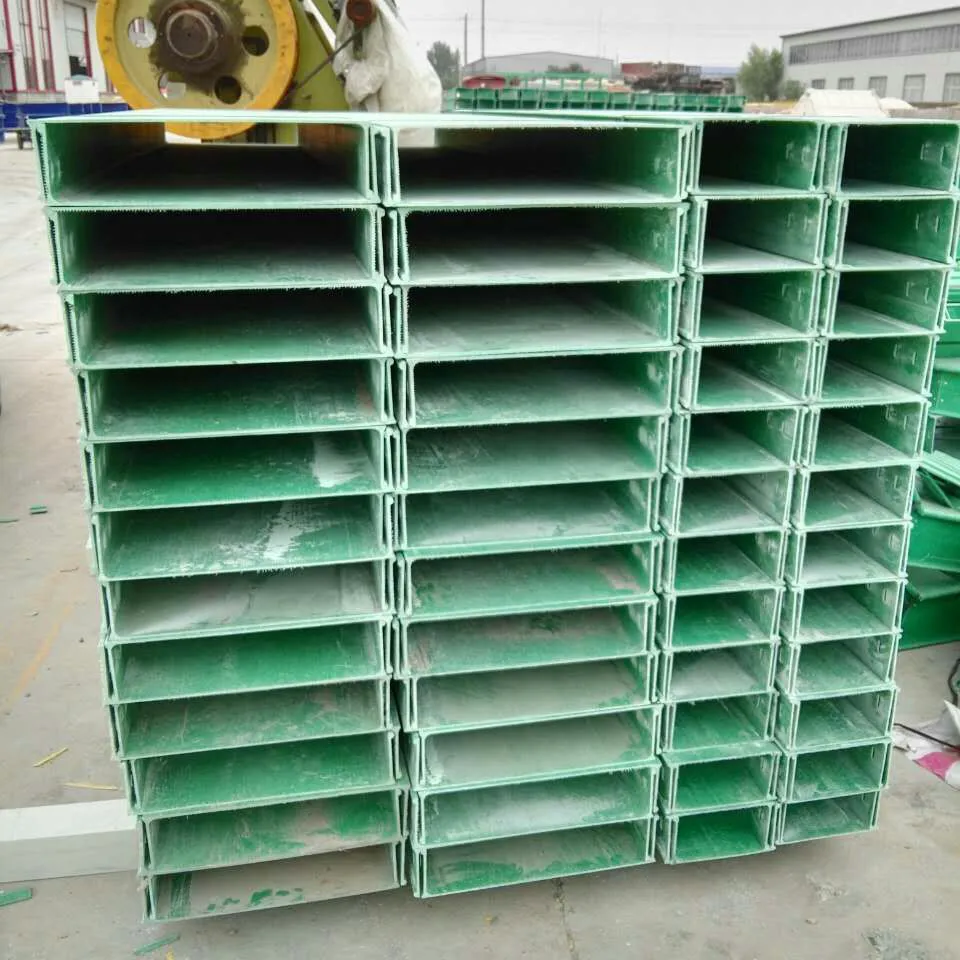
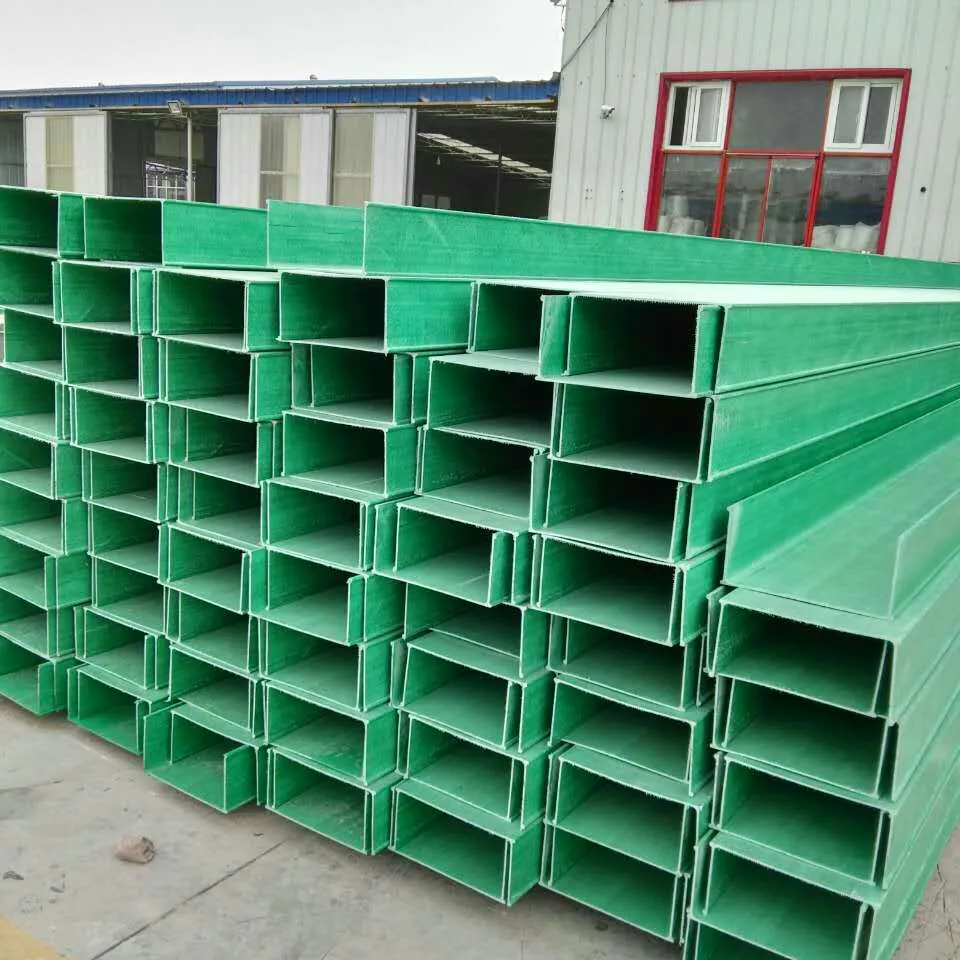
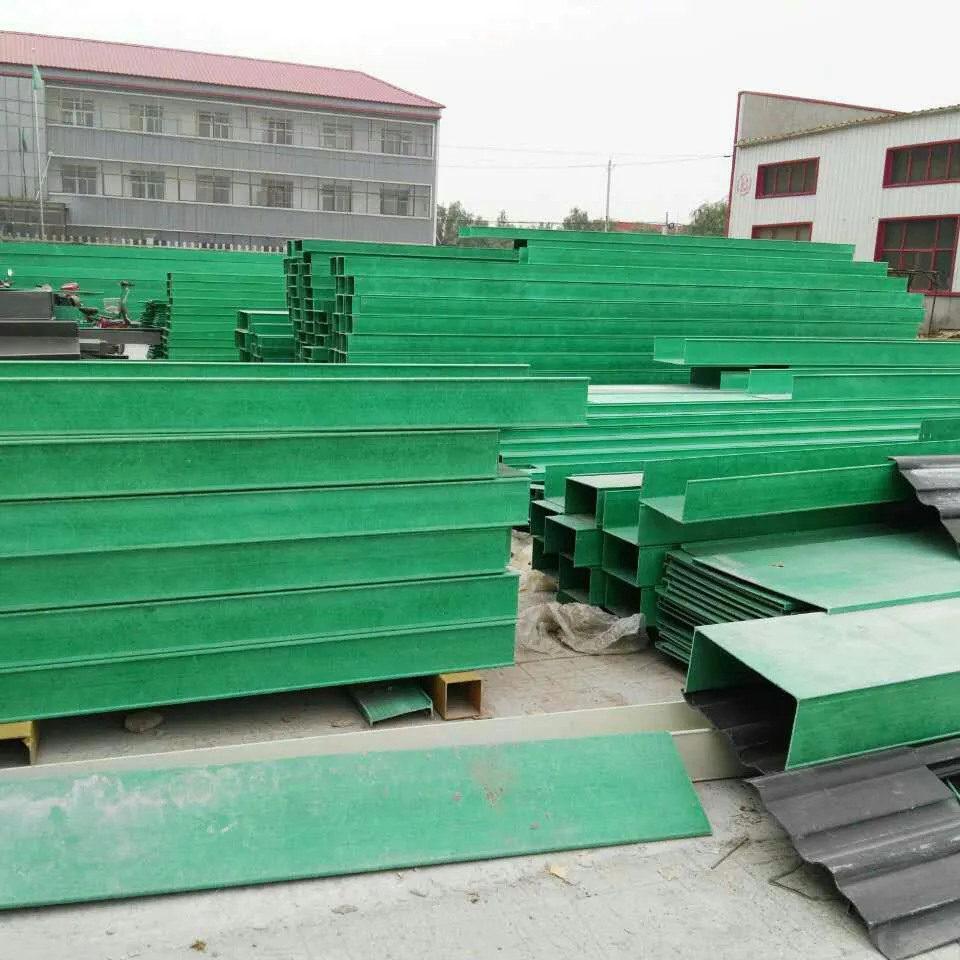
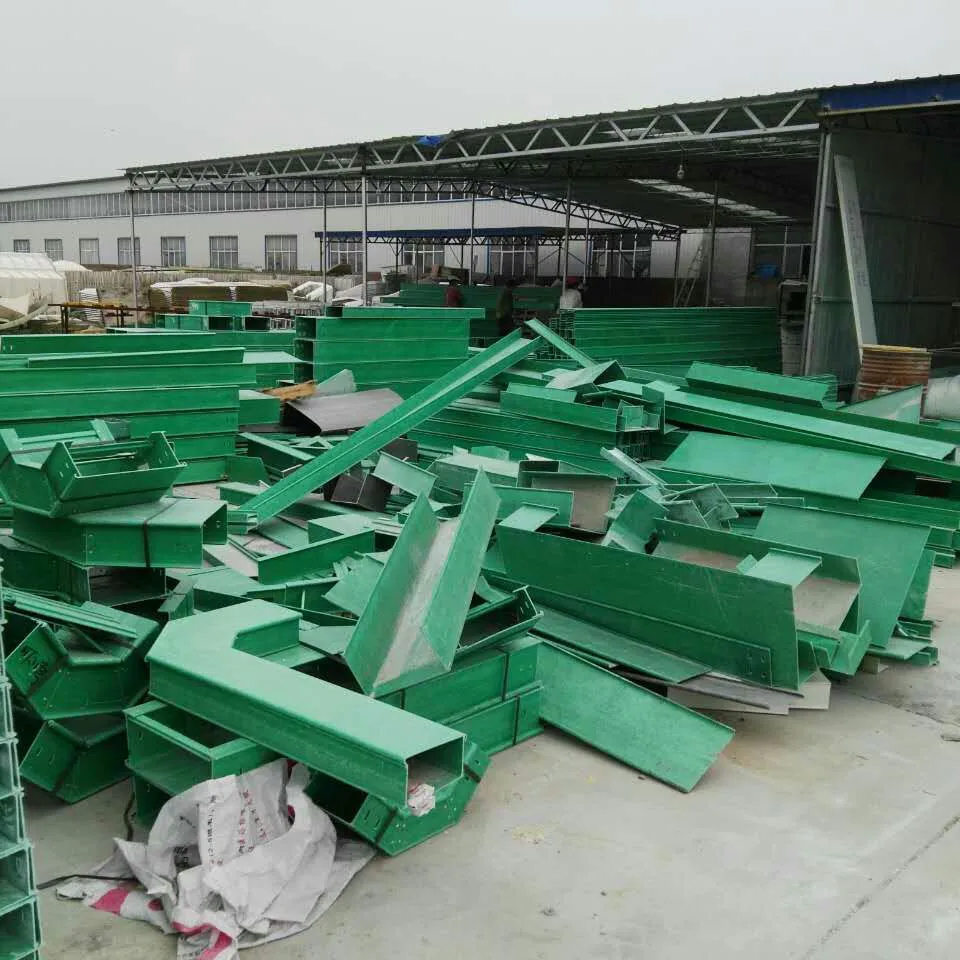
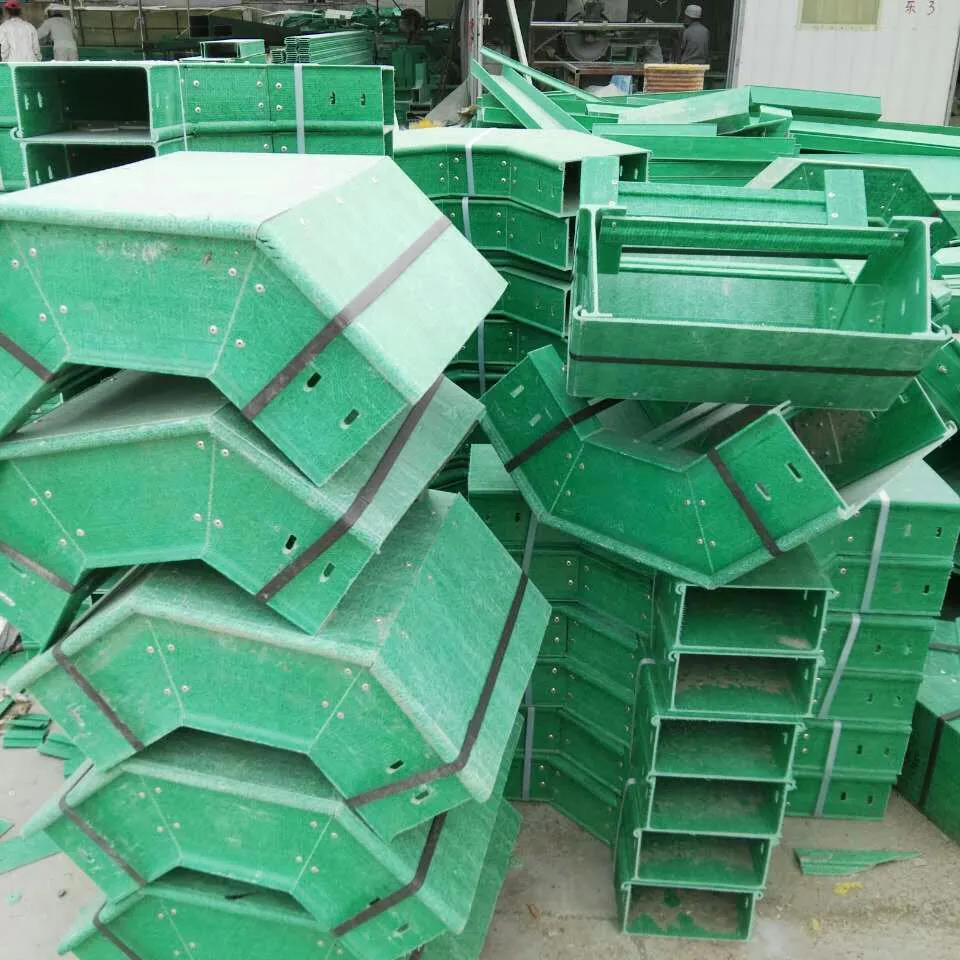
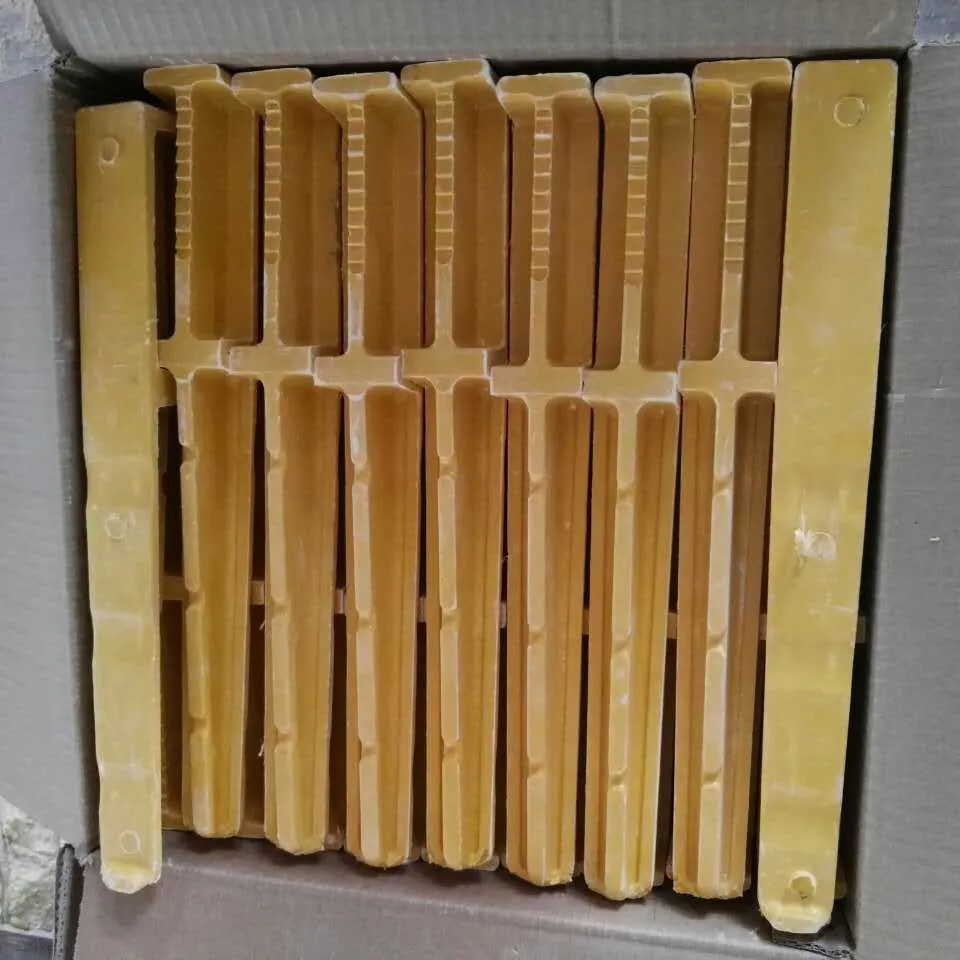
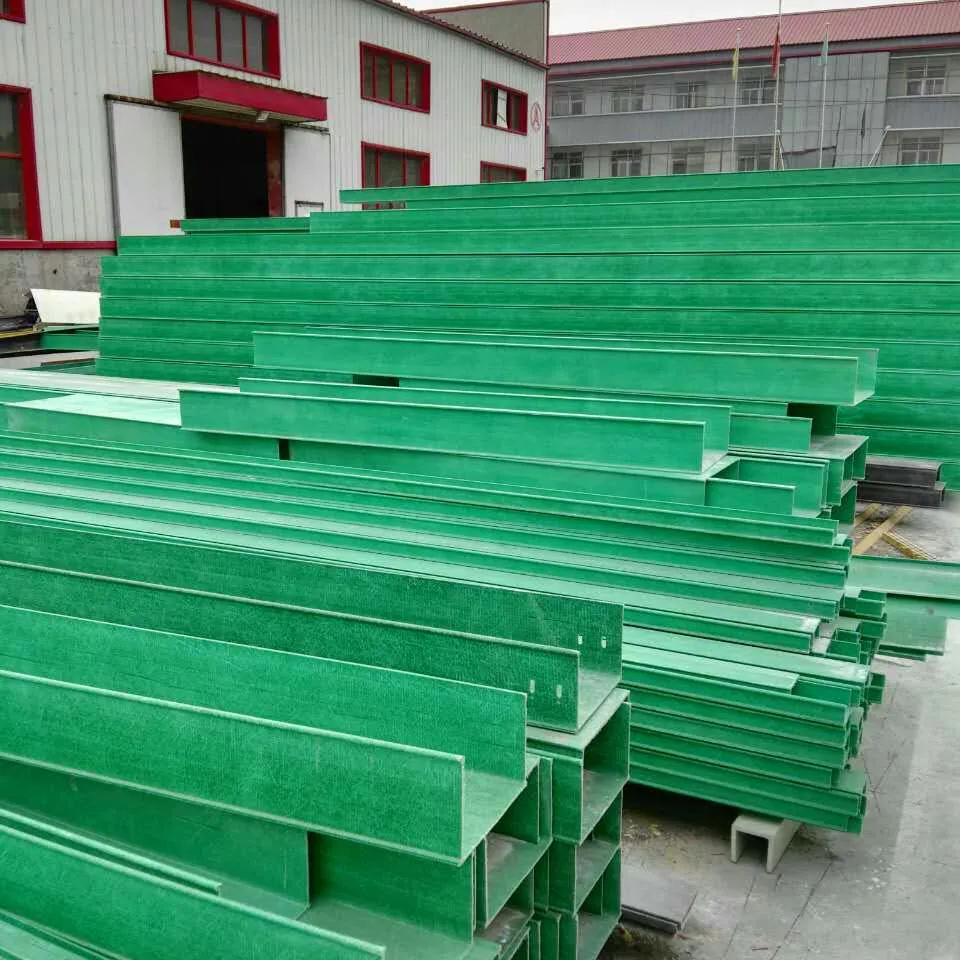
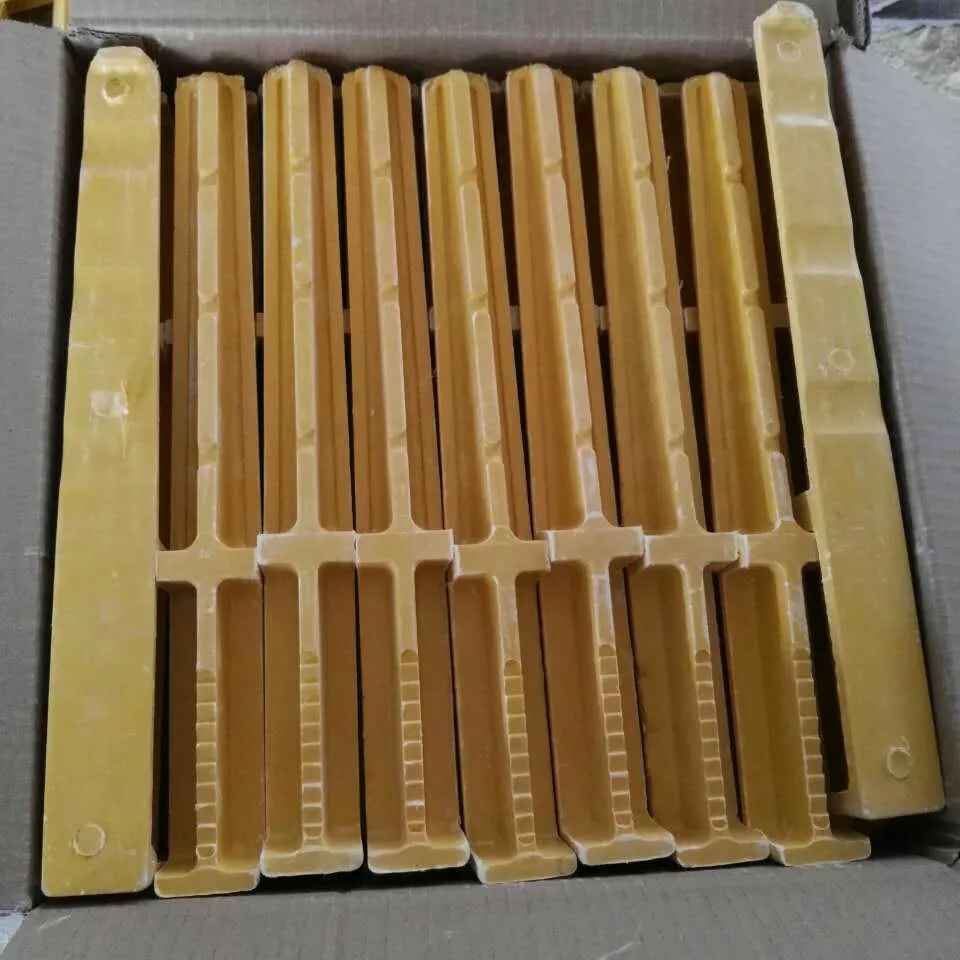
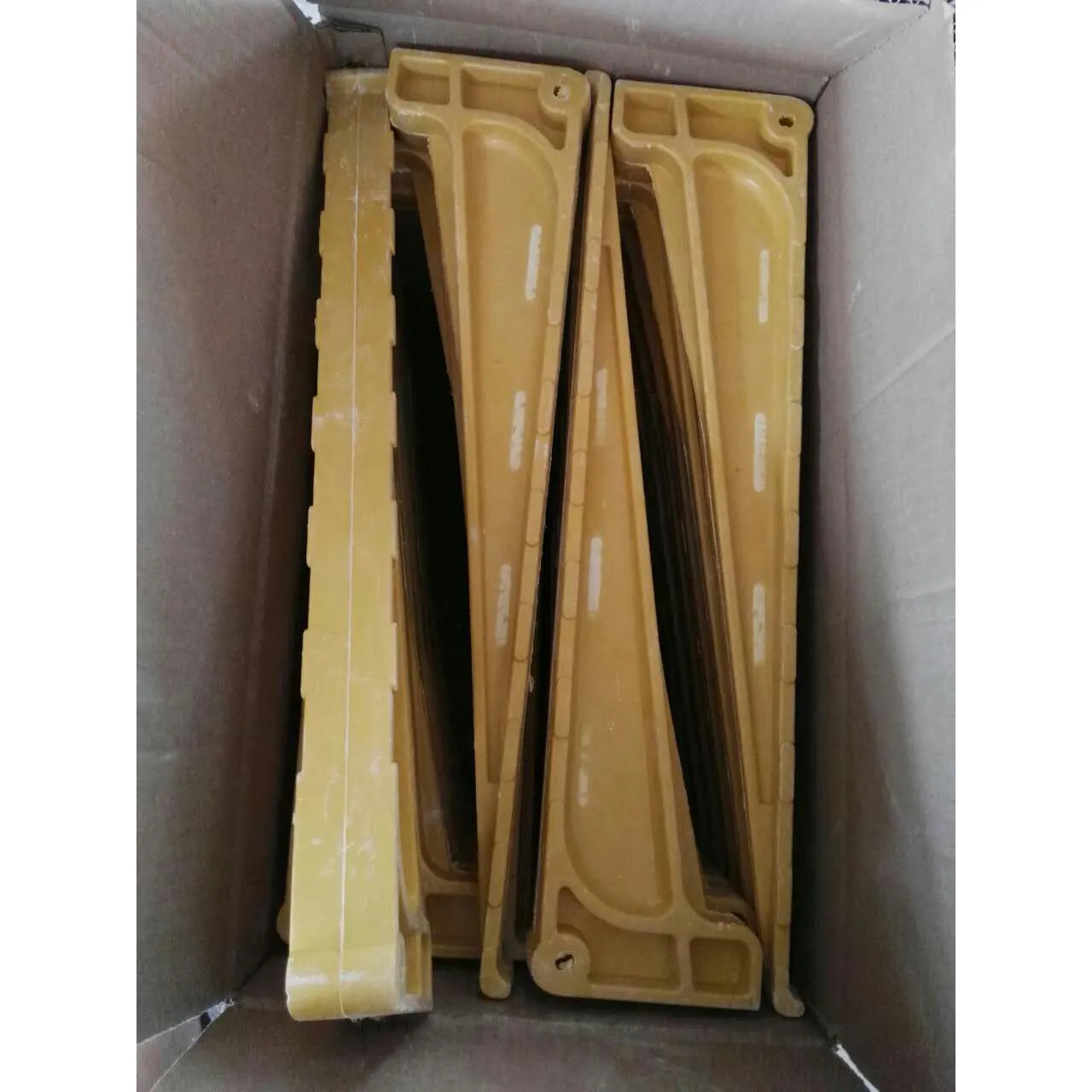
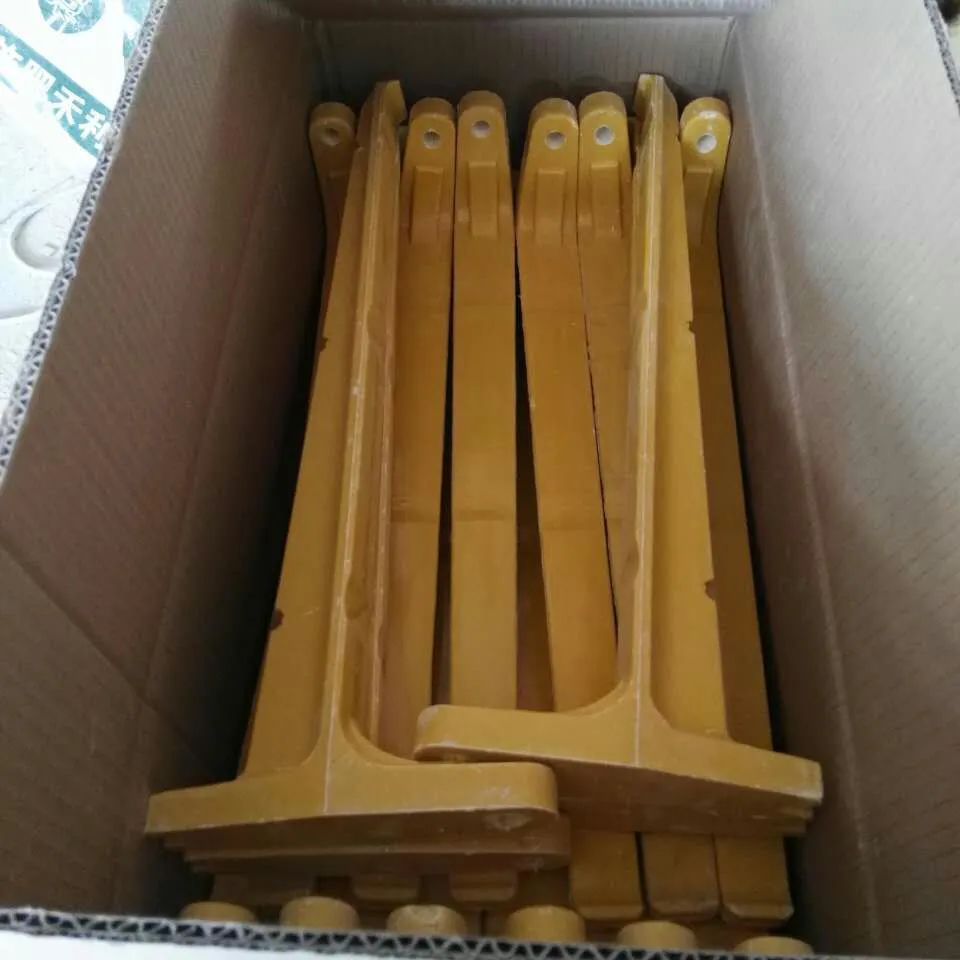
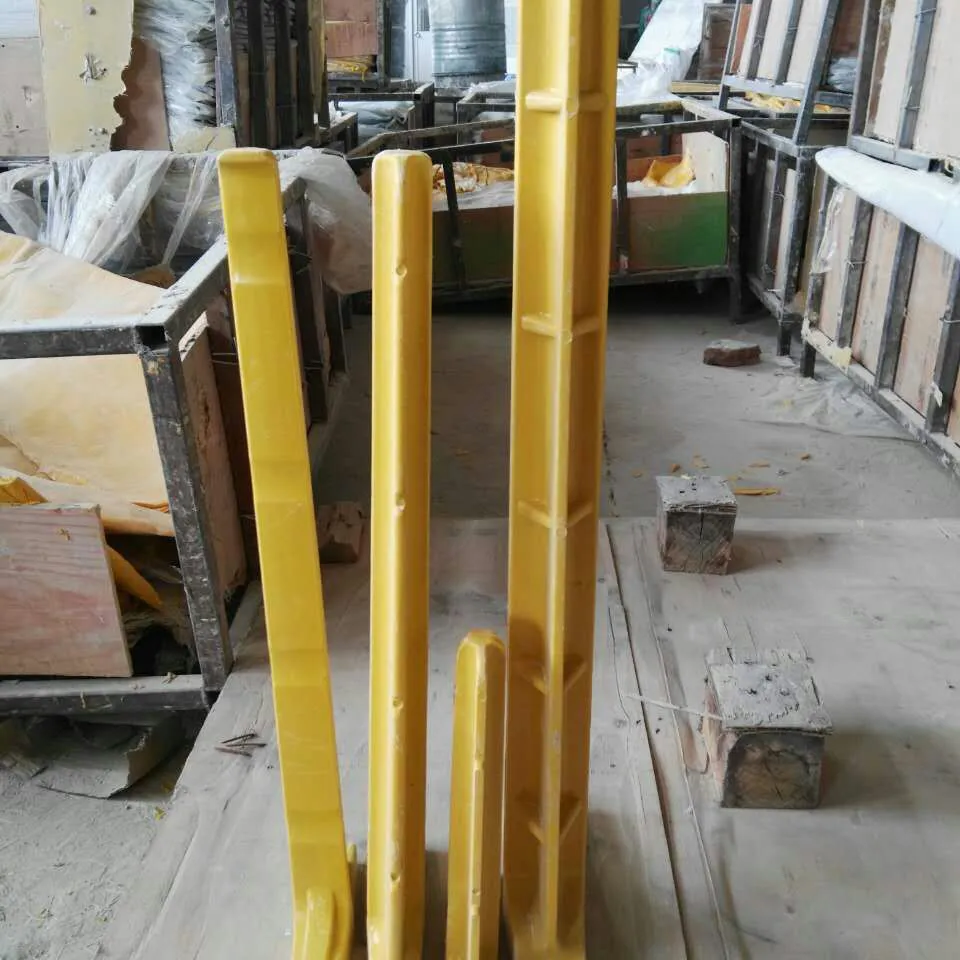
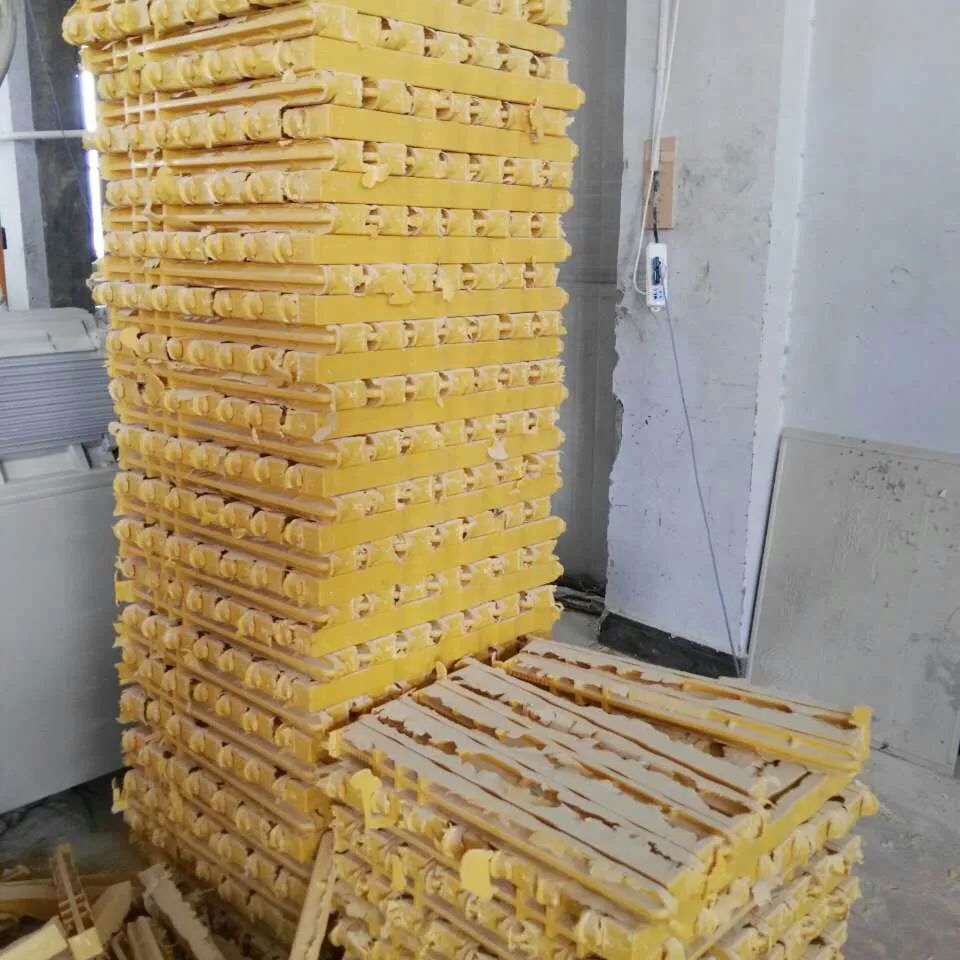
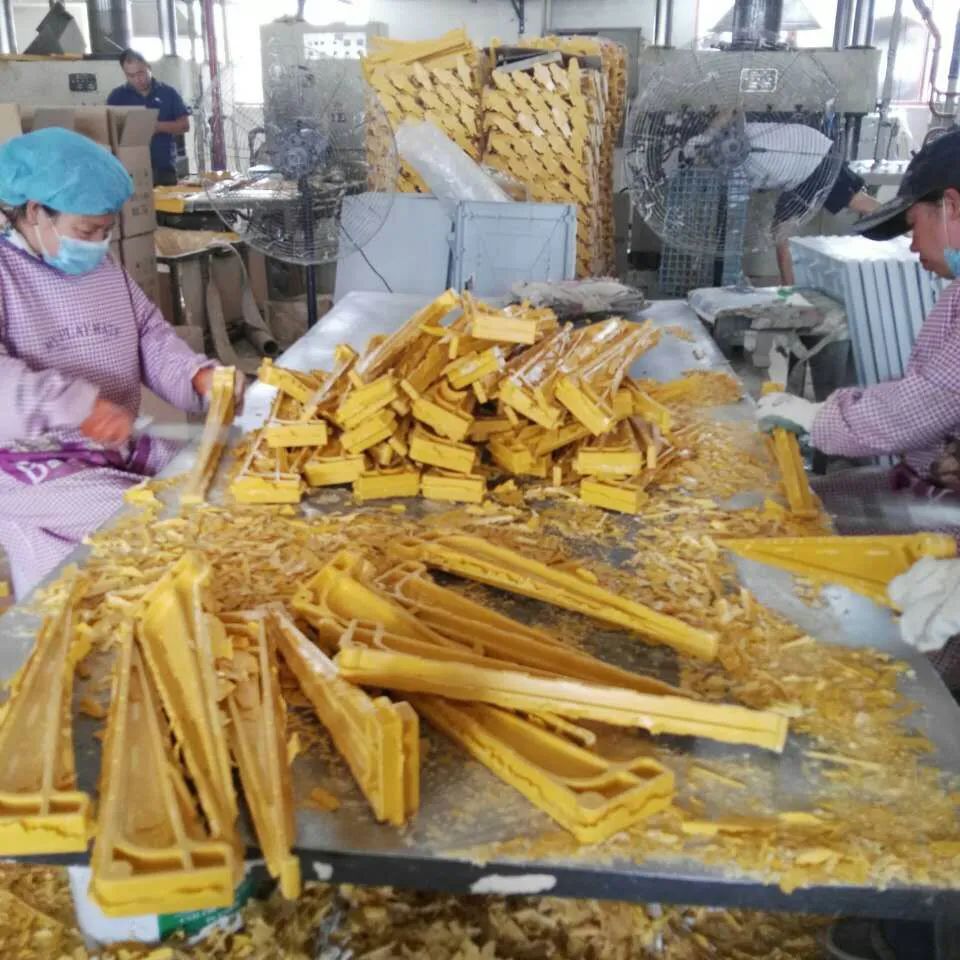
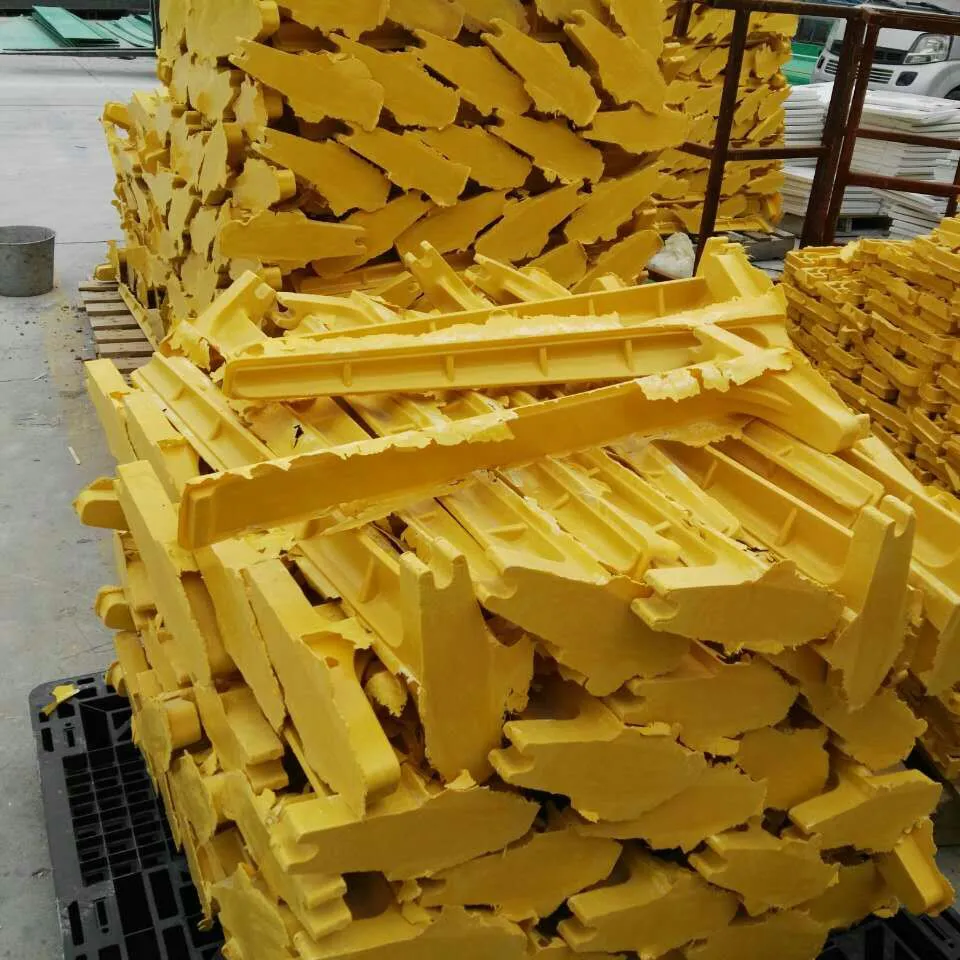
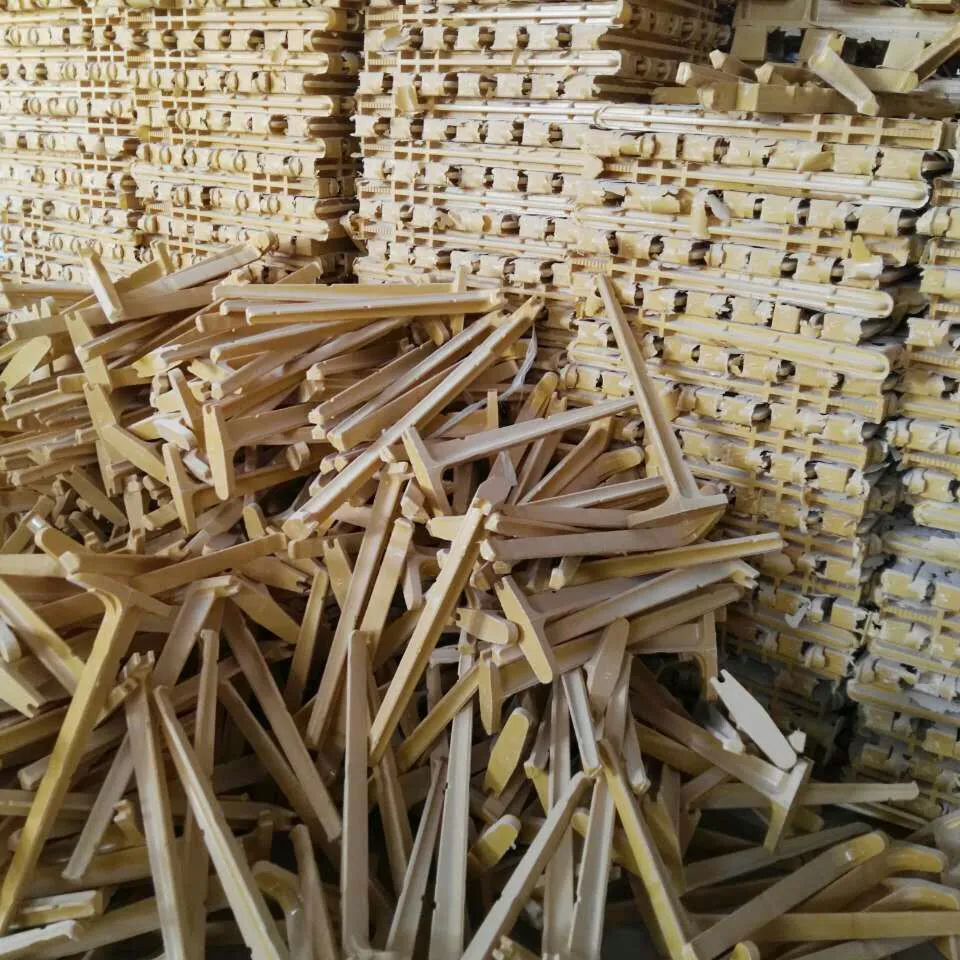
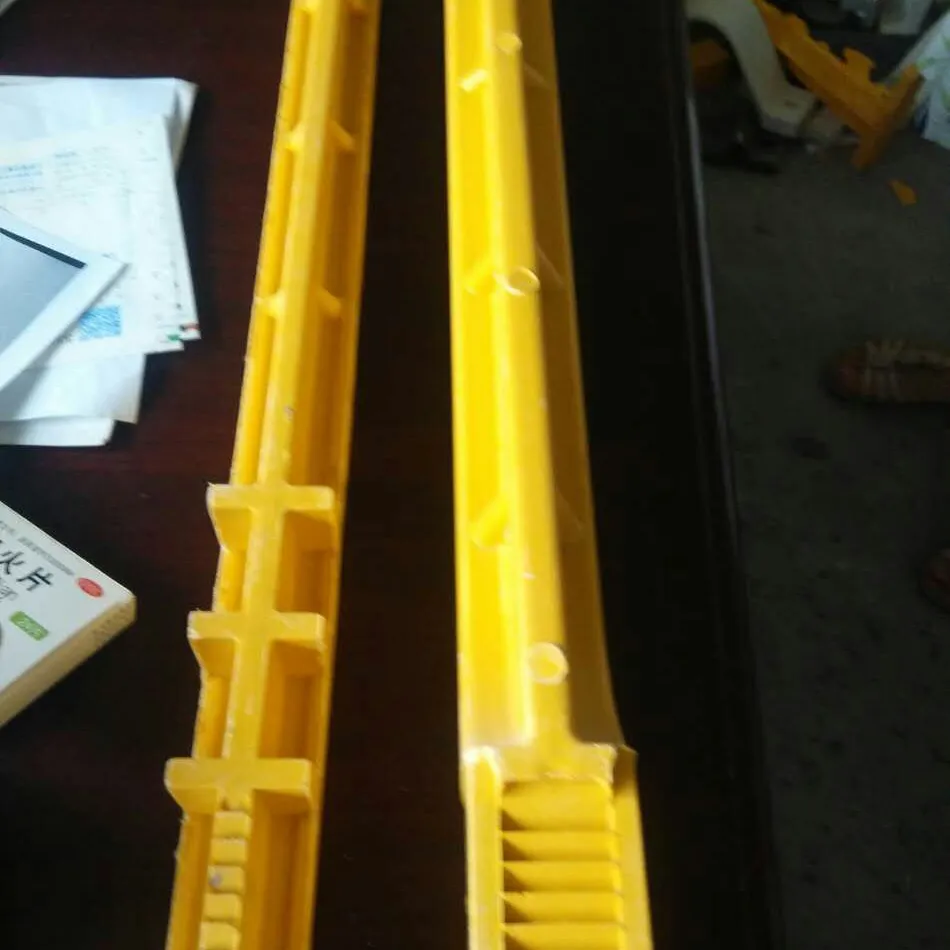
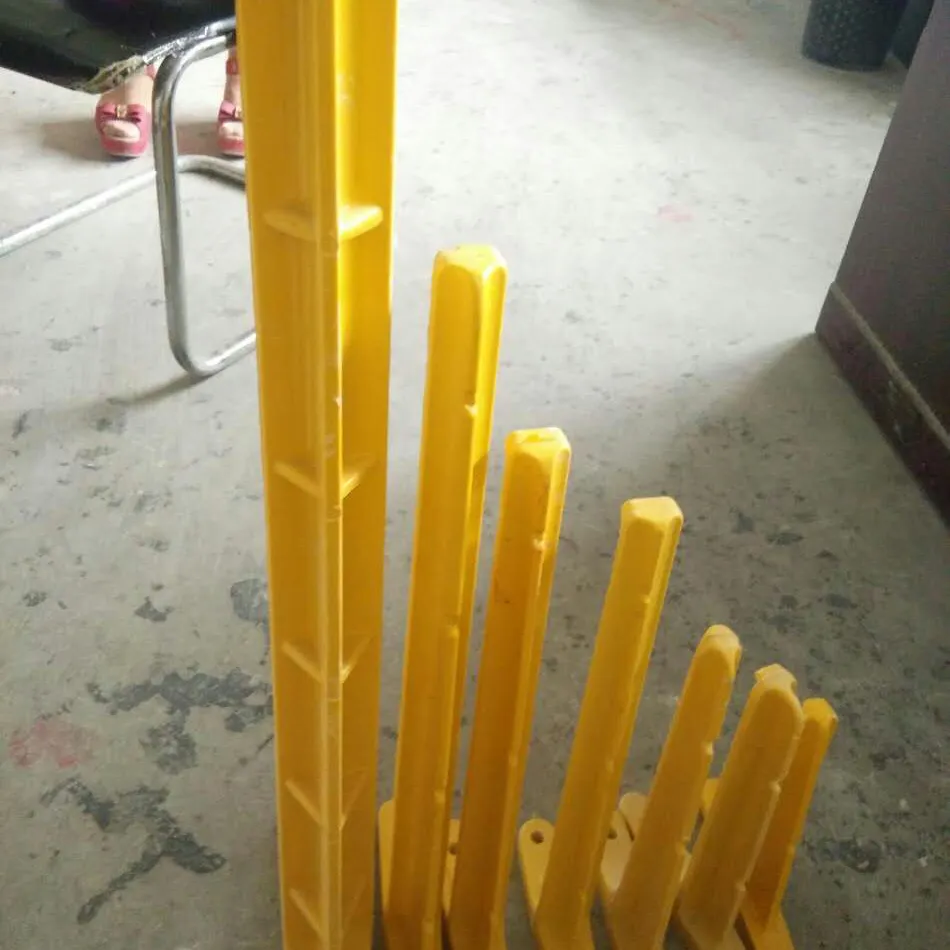
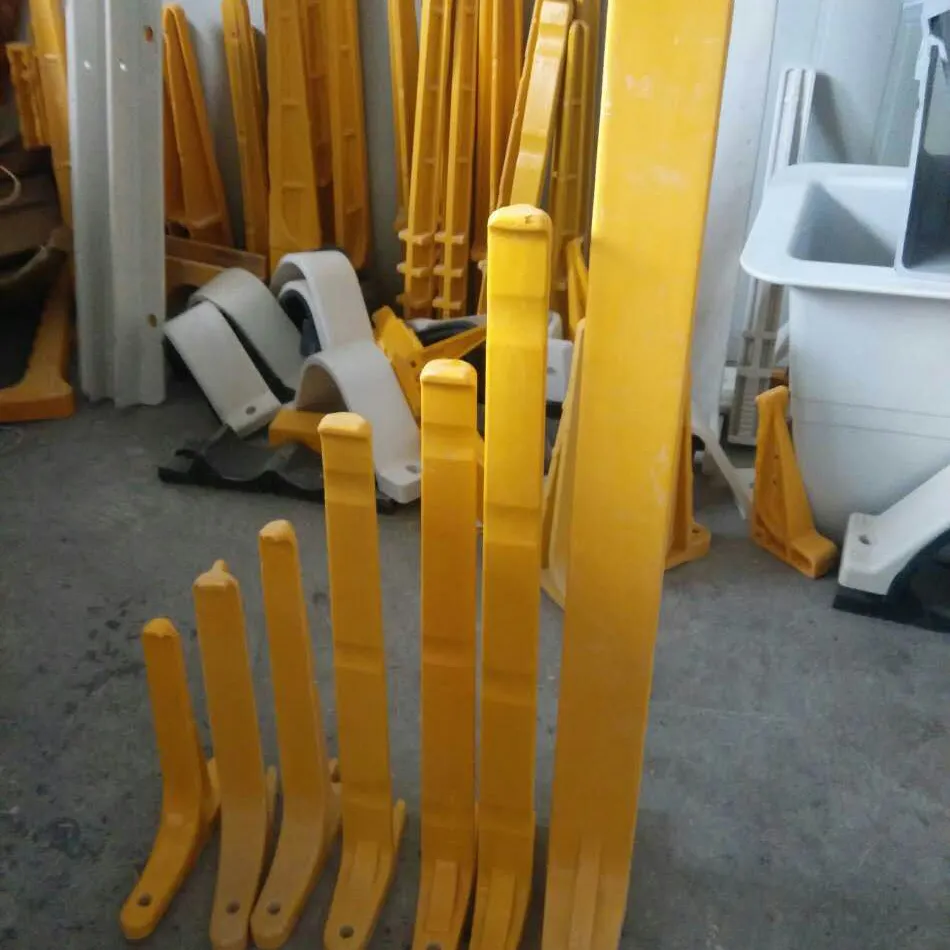
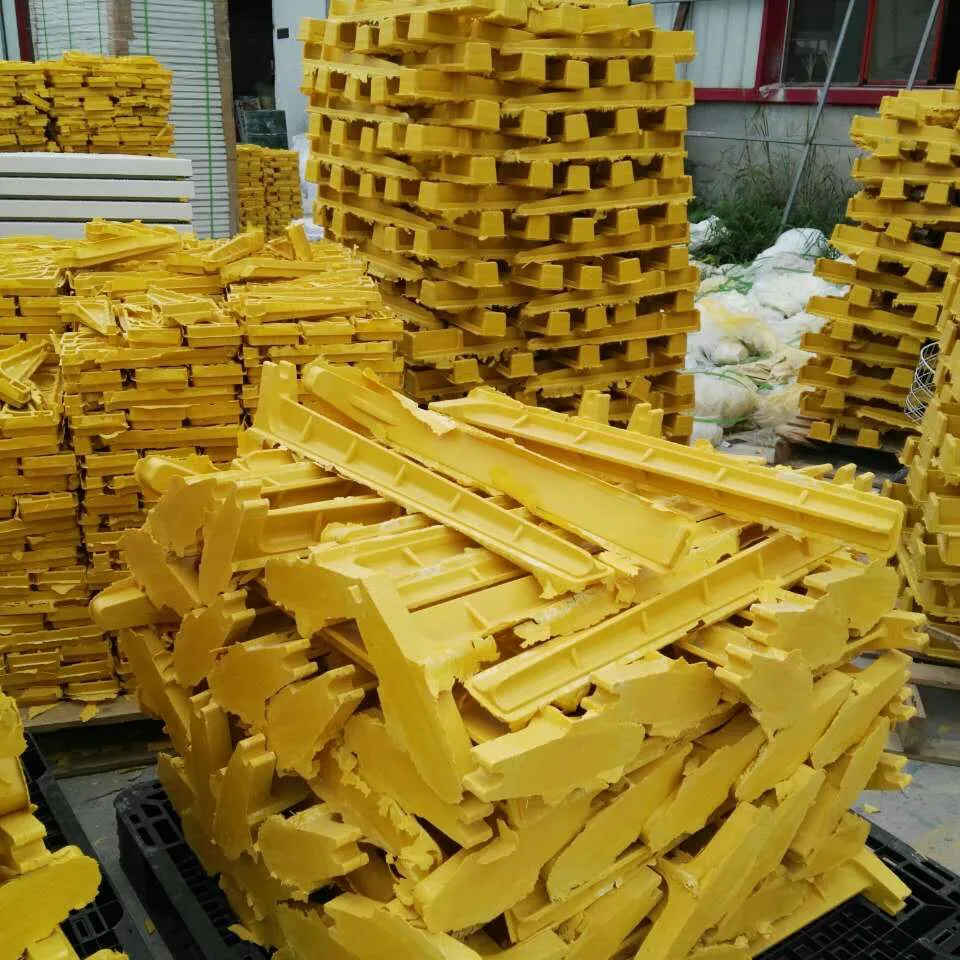
علبة الكابلات FRP
1. الكلمات الرئيسية
سلم كابل FRP، علبة الكابلات المقاومة للتآكل، دعم الكابلات غير المعدنية، إدارة كابلات المصانع الكيميائية، صينية FRP عالية القوة، جسر الكابل المقاوم للحريق، صينية الأسلاك الصناعية، قناة الكابل المقاومة للأشعة فوق البنفسجية، مسار FRP خفيف الوزن، دعم الكابل الشفاف EMI
2.Technical FRP Cable Tray Specifications
1. المواد والبناء
|
المعلمة |
المواصفات |
|
المادة الأساسية |
راتينج إستر الفينيل + ألياف زجاجية إلكترونية |
|
خيار موصل |
طبقة ألياف الكربون (مقاومة السطح <10⁶Ω/متر مربع) |
|
تصنيف النار |
الفئة أ (ASTM E84) |
|
سعة التحميل |
500 كجم/م2 (للخدمة الشاقة) |
|
مقاومة التآكل |
الرقم الهيدروجيني 1-14، رش الملح 5000 ساعة |
2. الأبعاد القياسية
|
اكتب |
العرض (مم). |
الارتفاع (مم). |
الطول (م) |
سماكة السكة الجانبية (مم). |
|
نوع السلم |
100-900 |
50-150 |
2.0/3.0/6.0 |
4-6 |
|
نوع الحوض الصغير |
50-600 |
40-100 |
2.0 |
3-5 |
|
نوع القناة |
30-300 |
30-80 |
2.0 |
2-4 |
3. الخواص الميكانيكية
|
العقارات |
القيمة |
|
قوة الشد |
≥300 ميجا باسكال |
|
قوة العاطفة |
≥250 ميجا باسكال |
|
صلابة باركول |
≥45 |
|
التمدد الحراري |
6×10⁻⁶/درجة مئوية |
3. المزايا الرئيسية
1. مقاومة فائقة للتآكل
مخطط التوافق الكيميائي:
|
كيميائية |
المقاومة |
|
H₂SO₄ (≥70%) |
ممتاز |
|
حمض الهيدروكلوريك (≥35%) |
ممتاز |
|
هيدروكسيد الصوديوم (≥30%) |
جيد |
|
المذيبات العضوية |
عادل (طلاء PVDF اختياري) |
2. السلامة والامتثال
غير موصل: مثالي للمناطق ذات الجهد العالي (لا يتطلب التأريض)
مثبطات اللهب: مؤشر الأكسجين> 28 (UL94 V-0)
شفافية EMI: لا يوجد تداخل في الإشارة للإلكترونيات الحساسة
3. فوائد التثبيت
ربع وزن الفولاذ:
50 كجم/م2 مقابل 200 كجم/م2 للصواني الفولاذية
تجميع بدون أدوات:
موصلات إضافية (بدون لحام/طحن)
4.تطبيقات الصناعة
أ- مصانع الكيماويات
حماية الكابل:
الصواني المقاومة للأحماض في مناطق إنتاج حامض الكبريتيك
الإصدارات الموصلة للمناطق المتفجرة (ATEX Zone 1)
ب. المنصات البحرية
مقاومة المياه المالحة:
صواني مثبتة بالأشعة فوق البنفسجية مع أجهزة من الفولاذ المقاوم للصدأ 316L
ج. توليد الطاقة
تصميم غير مغناطيسي:
آمن لتركيبات المحولات والمفاتيح الكهربائية
د. أشباه الموصلات
الامتثال للغرف النظيفة:
سطح أملس (Ra<0.8μm) مع طلاء مضاد للكهرباء الساكنة
5.الشهادات والاختبار
المواد: ISO 9001، ASTM D5364
السلامة من الحرائق: BS 476 الجزء 7، IEC 60332-3
اختبار الحمل: EN 61537 (حمل إثبات 2000 نيوتن/م)
6. خيارات مخصصة
✓ قاعدة مثقوبة للتهوية
✓ علامات كابل مدمجة كل 0.5 متر
✓ أغطية قابلة للسحب للصيانة
7.الاتصال ل
رسومات CAD (DWG/STEP)
حسابات الأحمال في الموقع
رسم خرائط التآكل للتعرض الكيميائي المختلط
FRP Cable Tray Types
| يكتب | بناء | Ventilation | Protection | Best Use Case |
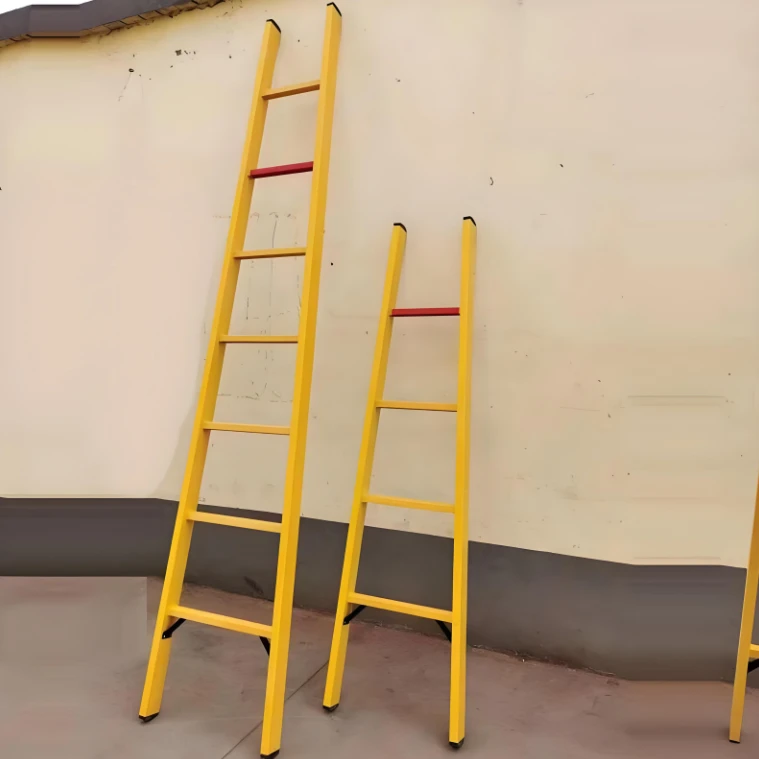
Ladder Type FRP Cable Tray |
Open rung design | ممتاز | قليل | Heavy cables, power plants |
Trough Type FRP Cable Tray |
Semi-enclosed | واسطة | واسطة | Industrial & outdoor use |
Solid Bottom FRP Cable Tray |
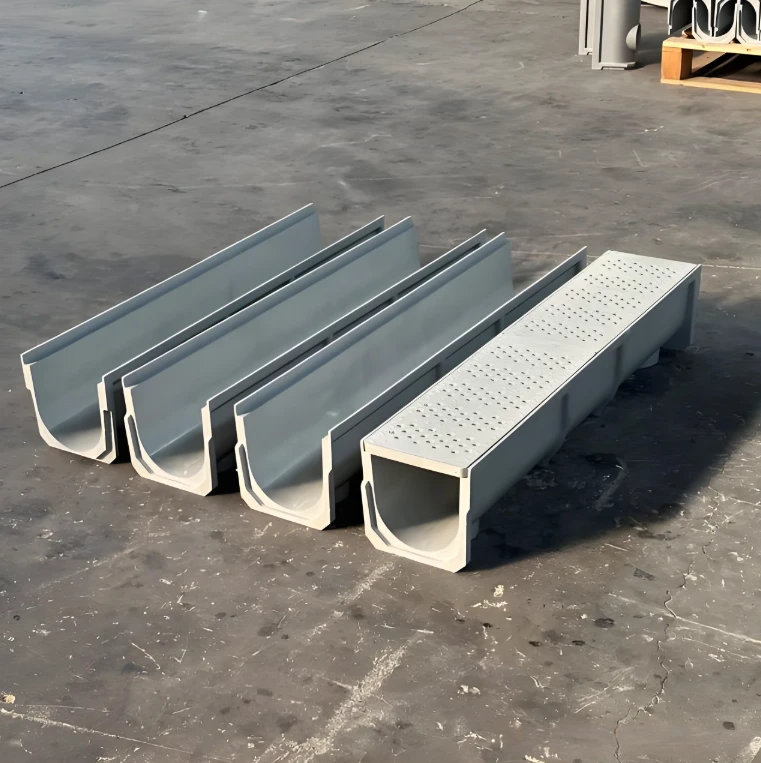
Fully enclosed | قليل | عالي | Chemical plants, harsh environments |
Perforated FRP Cable Tray |
Hole base | Balanced | Balanced | Commercial & factory use |
Channel Type FRP Cable Tray |
Narrow & compact | محدود | واسطة | Light-duty, small systems |
What is the Difference between FRP and GI Cable Trays?
When comparing FRP (fiberglass reinforced plastic) cable trays and GI (galvanized iron) cable trays, the differences go far beyond the material—they have a real impact on performance, maintenance, and project cost. FRP cable trays are made from composite fiberglass materials, offering a lightweight yet durable solution. GI trays are constructed from steel with a zinc coating to prevent corrosion. While both types can support cables, their behavior in different environments is quite distinct.
Corrosion resistance is one of the most important differences. FRP cable trays are naturally resistant to moisture, chemicals, and even salt, making them ideal for harsh environments such as chemical plants, wastewater treatment facilities, coastal areas, and outdoor installations. GI trays, though galvanized to resist rust, can corrode over time if the coating is scratched or damaged, leading to maintenance requirements and shorter service life.
Weight and installation are also key factors. FRP trays are significantly lighter than GI trays, which makes transportation and installation faster and easier, especially for large-scale projects with long cable runs. Despite being lightweight, FRP maintains high strength and load-bearing capacity, ensuring reliable performance. In contrast, GI trays are heavier, which can increase labor and support costs.
Safety is another consideration. FRP is non-conductive, providing an extra layer of protection in electrical installations, while GI trays are metallic and may require additional grounding.
In summary, if your project demands corrosion resistance, low maintenance, and lightweight durability, FRP cable trays are generally the better long-term choice. For indoor environments or projects with tighter budgets where exposure to harsh conditions is minimal, GI cable trays can still be practical and cost-effective. Selecting the right type ensures both safety and long-term reliability for your cable management system.
Why Choose Longxuan FRP Cable Tray Manufacturer
Choosing the right FRP cable tray manufacturer is critical for ensuring high-quality products, reliable performance, and smooth project execution. Longxuan has built a strong reputation in the industry by consistently providing premium fiberglass cable trays that meet both domestic and international standards. With years of experience in manufacturing, we understand the specific requirements of different industries, including power plants, chemical facilities, industrial factories, and commercial buildings.
One of the main reasons to choose Longxuan is our commitment to quality. Each FRP cable tray is produced using high-grade raw materials and advanced pultrusion and molding techniques, ensuring strength, durability, and corrosion resistance. Our trays are tested under strict quality control processes to guarantee long-term performance, even in harsh environments. This reduces maintenance needs and extends the lifespan of your cable management system, saving both time and money.
In addition to quality, Longxuan offers extensive customization options. We can manufacture FRP cable trays in ladder type, trough type, solid bottom, perforated, or channel designs, tailored to the dimensions, load requirements, and environmental conditions of your project. This flexibility allows engineers and contractors to select the ideal solution for every installation scenario.
Finally, our professional support and timely delivery make working with Longxuan simple and efficient. From design consultation to after-sales service, we guide our clients through every step, ensuring that each order meets specifications and project timelines. By choosing Longxuan as your FRP cable tray supplier, you are partnering with a manufacturer who prioritizes quality, customization, and reliability, providing the best foundation for a safe and long-lasting cable management system.
FRP Cable Tray Installation – Step‑by‑Step Guide for Durable and Safe Systems
Installing an FRP cable tray system correctly is just as important as selecting the right tray type. FRP (fiberglass reinforced plastic) cable trays are valued for their lightweight, corrosion‑resistant, and long‑lasting performance, but installation quality directly influences service life, safety, and stability of the entire cable infrastructure.
The first and most crucial stage is pre‑installation planning and preparation. Before any physical work begins, review your construction drawings and inspect the site to determine the tray route, installation height, and support spacing. Accurate measurements and layout planning help you avoid unnecessary cutting, ensure appropriate bends and junctions, and confirm that the chosen FRP cable tray can safely support the intended cable load.
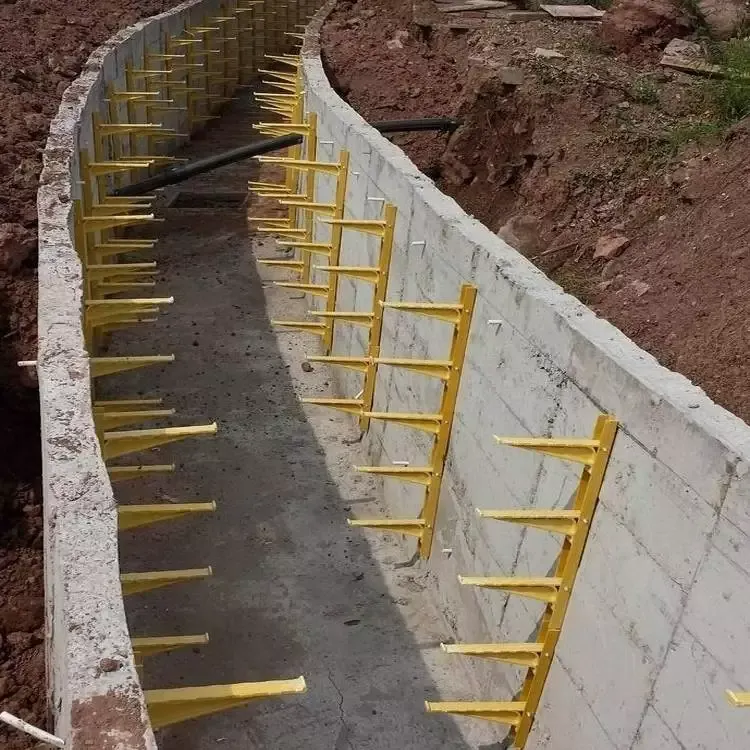
Once planning is complete, the next step is to install the support structure. Supports can be wall‑mounted, suspended, or column‑mounted depending on site conditions and load requirements. For most FRP cable trays, a support spacing of approximately 1.5 to 2 meters is recommended, with reinforced brackets used where there are bends, connectors, or T‑junctions. Corrosion‑resistant bolts or anchors should be used to secure supports to maintain structural integrity over time.
With the support system in place, you can begin laying the FRP cable trays. Install trays section by section, joining them with recommended splice plates, bolts, and washers, and check that the trays are level and well aligned. Use standard FRP fittings for transitions like horizontal bends, vertical bends, and tees, instead of improvised cuts, to preserve strength and alignment.
After the tray network is assembled, add covers to protect the cables from dust, debris, and mechanical damage. Before placing cables into the trays, label, sort, and bundle them, and leave enough slack for thermal expansion or future adjustments. Install protective sleeves at wall or floor penetrations and apply fire‑stopping materials if required.
Finally, conduct a full inspection to ensure all joints are secure and all supports are stable before cable installation begins. Even though FRP is non‑conductive, any metal connectors or hardware must be grounded per electrical safety codes. Following these structured installation steps and construction standards ensures that your FRP cable tray system will be safe, reliable, and long‑lasting—ideal for industrial, commercial, or corrosive environments.

تقييم العملاء لعلبة الكابلات FRP

الأسئلة الشائعة حول علبة الكابلات FRP
-
ما هي المادة المصنوعة منها علبة الكابلات FRP؟
إنها مصنوعة من البلاستيك المقوى بالألياف (FRP)، مما يوفر قوة عالية، ومقاومة للتآكل، وعزل كهربائي.
-
أين يتم استخدام حوامل الكابلات FRP بشكل شائع؟
يتم استخدامها على نطاق واسع في محطات الطاقة والمحطات الفرعية والمرافق الكيميائية والمباني الصناعية ومشاريع البنية التحتية.
-
ما هي المزايا التي تتمتع بها حوامل الكابلات FRP مقارنة بالحوامل الفولاذية؟
صواني FRP غير موصلة للكهرباء، ومقاومة للتآكل، وخفيفة الوزن، وتتطلب صيانة أقل مقارنة بالصواني الفولاذية.
-
هل يمكن تخصيص حوامل الكابلات FRP؟
نعم، يمكن تخصيص عرض الدرج والارتفاع والطول وسعة الحمولة والملحقات وفقًا لمتطلبات المشروع.


Apr 16,2026
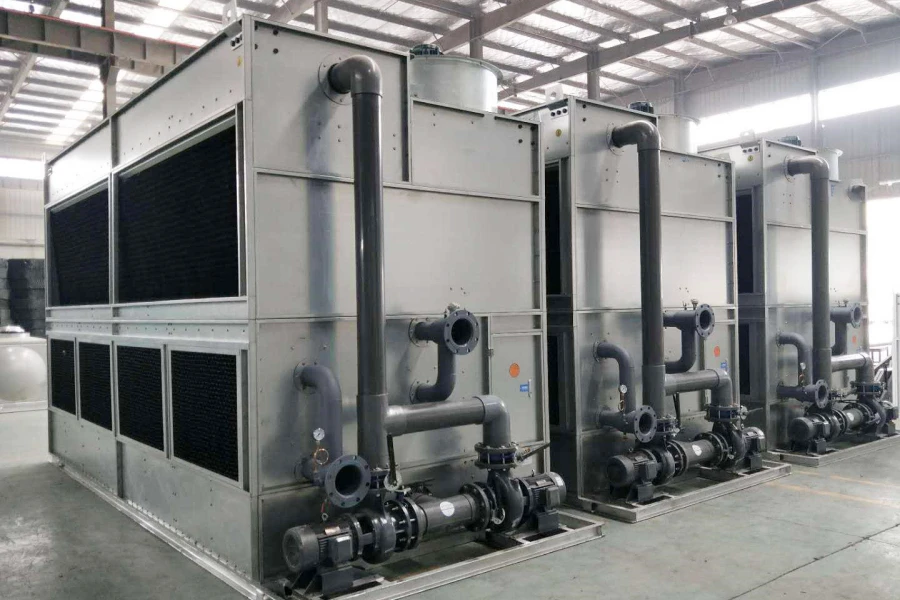
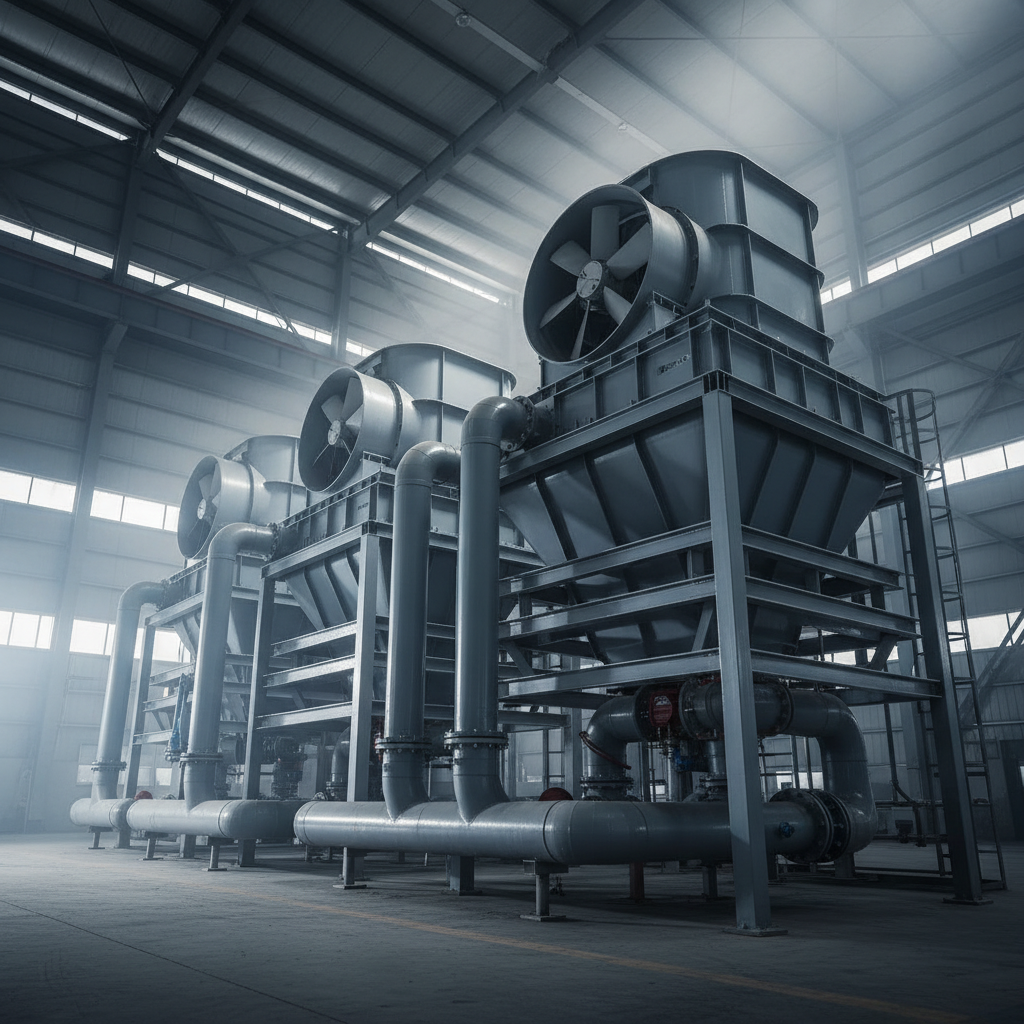
Professional Guide to Effective Cooling Tower Treatment Strategies
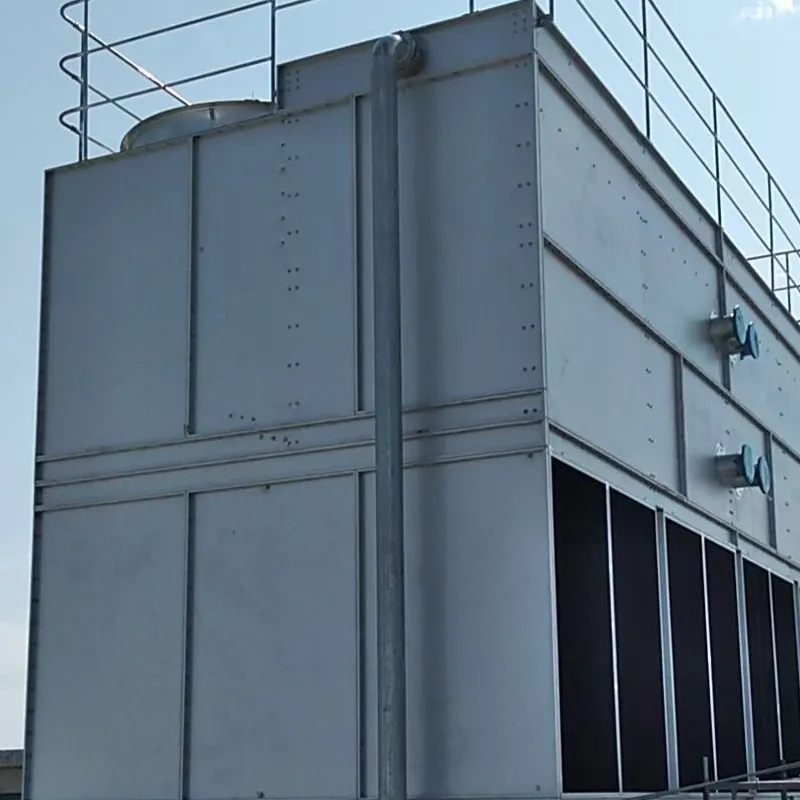
Maintaining industrial cooling systems is critical for operational efficiency and equipment longevity. A professional cooling tower treatment strategy is not just about cleaning; it is about preventing scale buildup, corrosion, and the growth of harmful microorganisms. Without proper management, these systems can suffer from reduced heat transfer efficiency, leading to higher energy costs and potential system failures. In this guide, we will explore the essential components of water treatment, the chemistry involved, and how to optimize your cooling tower for maximum performance and sustainability.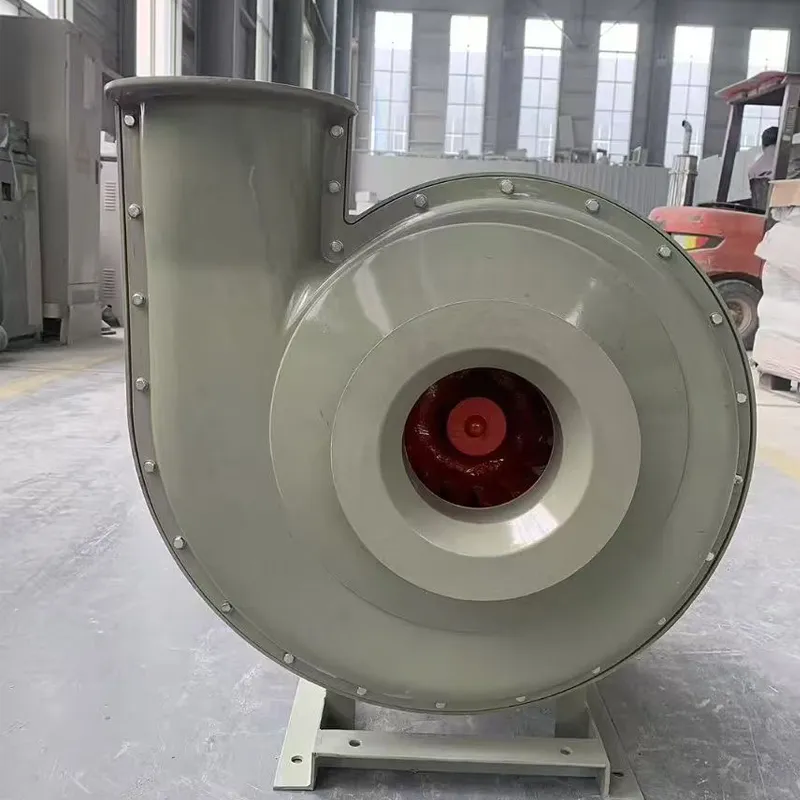



عنوان
20 Xingyuan South Street, Zaoqiang County, Hengshui City, Hebei Province, China


