


نحن مفتوحون 24 ساعة في اليوم، 7 أيام في الأسبوع، بما في ذلك عطلات نهاية الأسبوع والعطلات الرسمية.

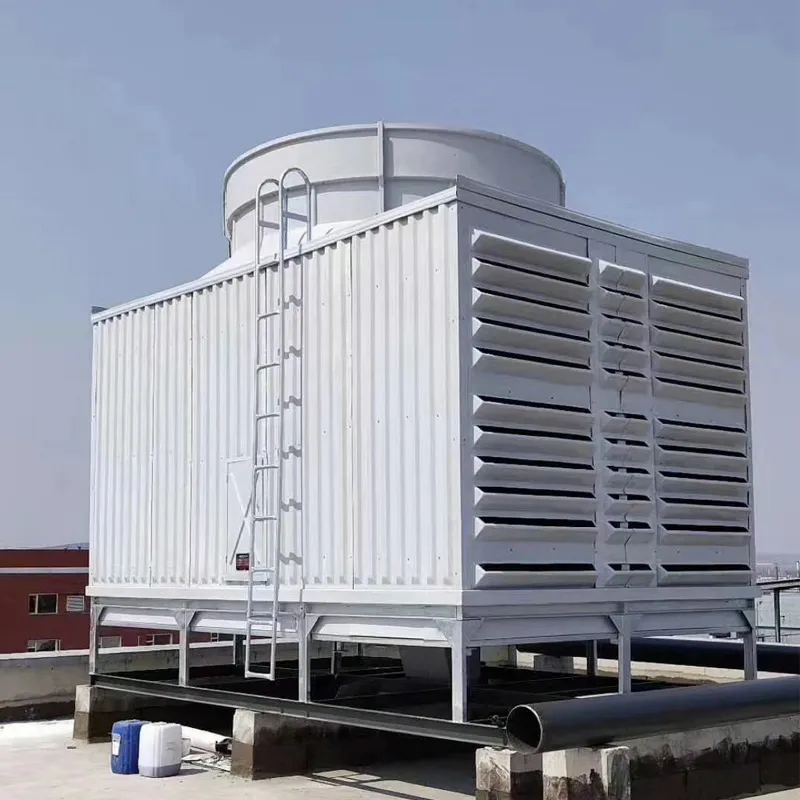
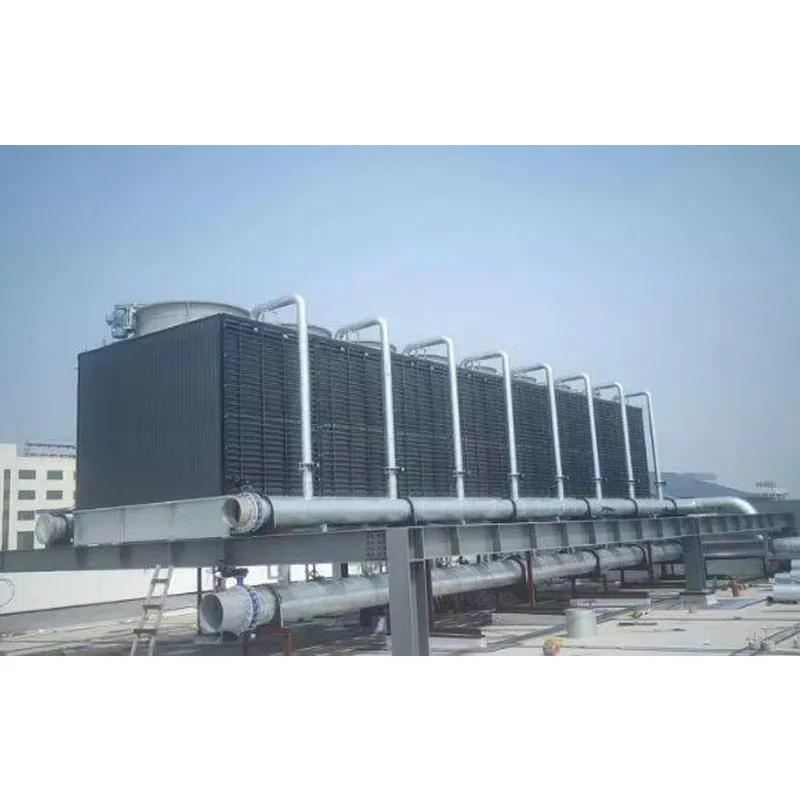
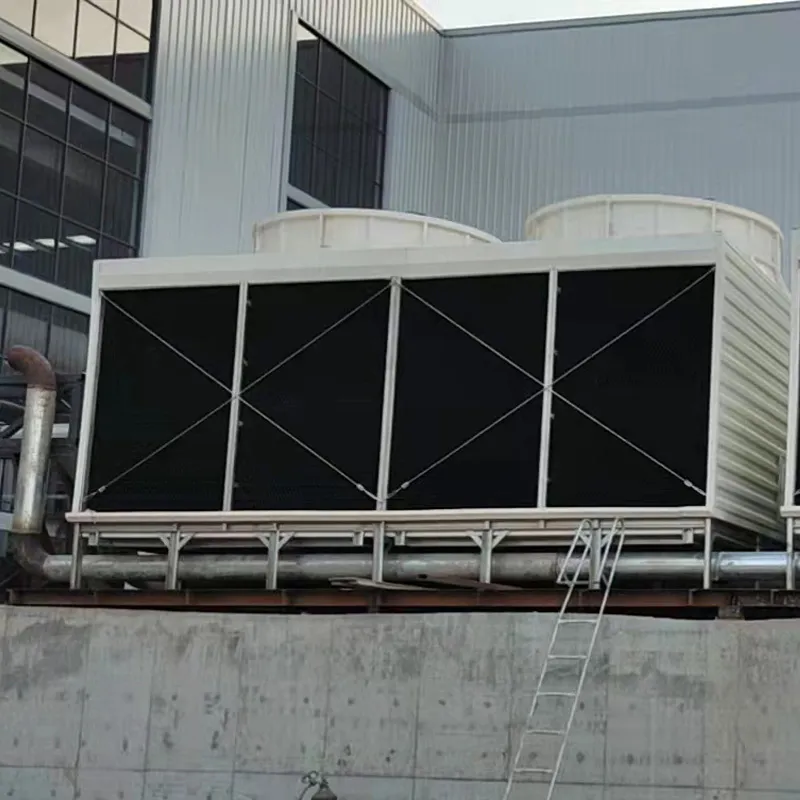
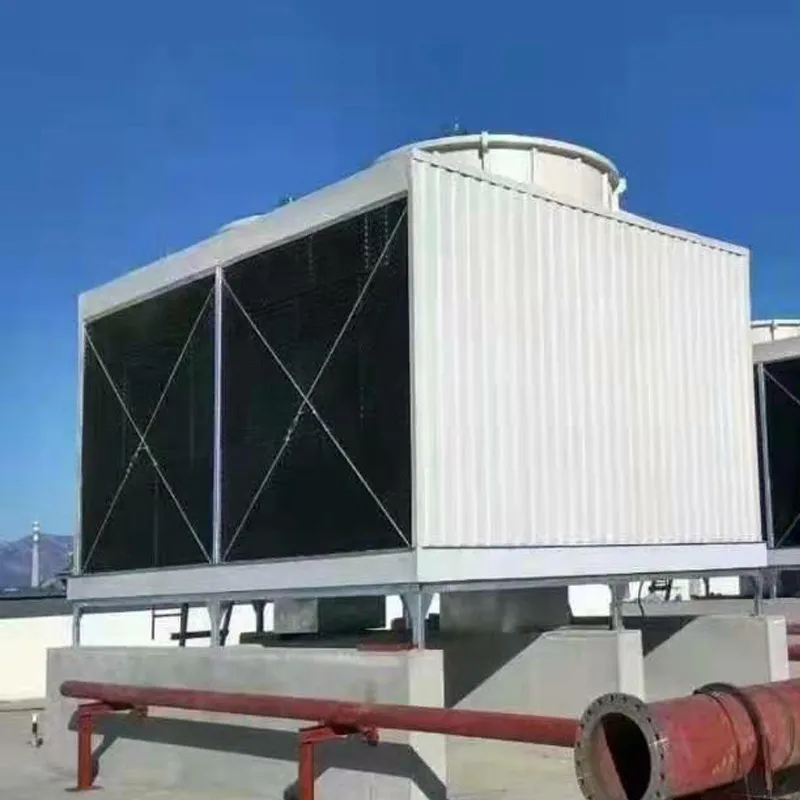
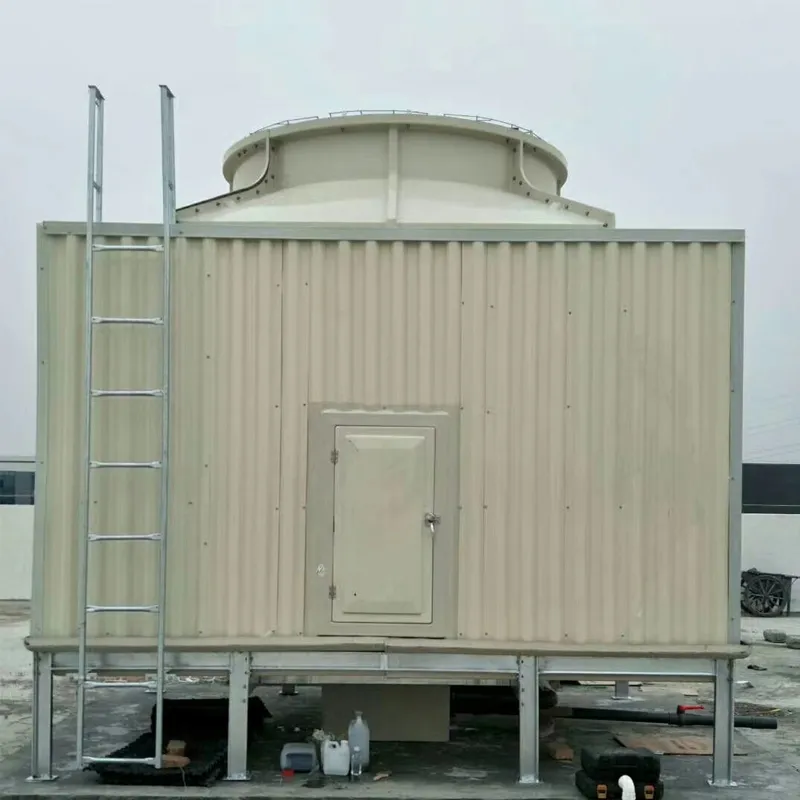
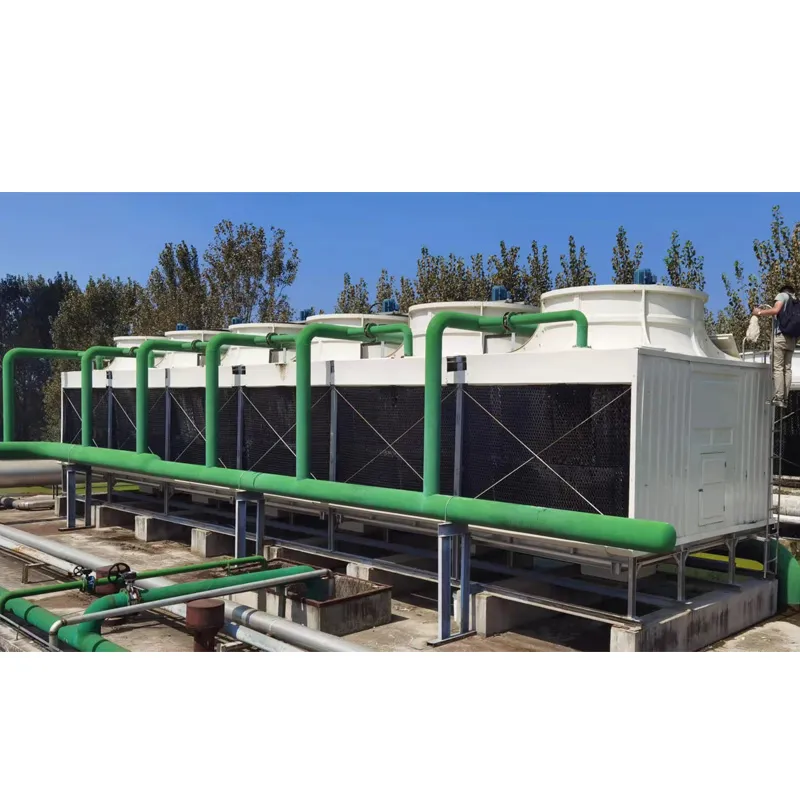
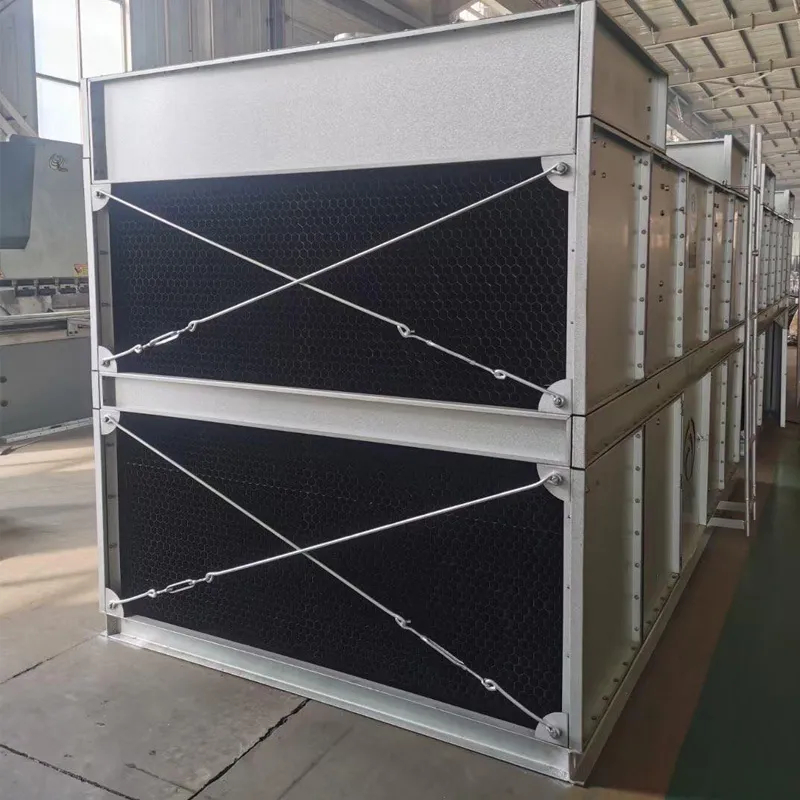
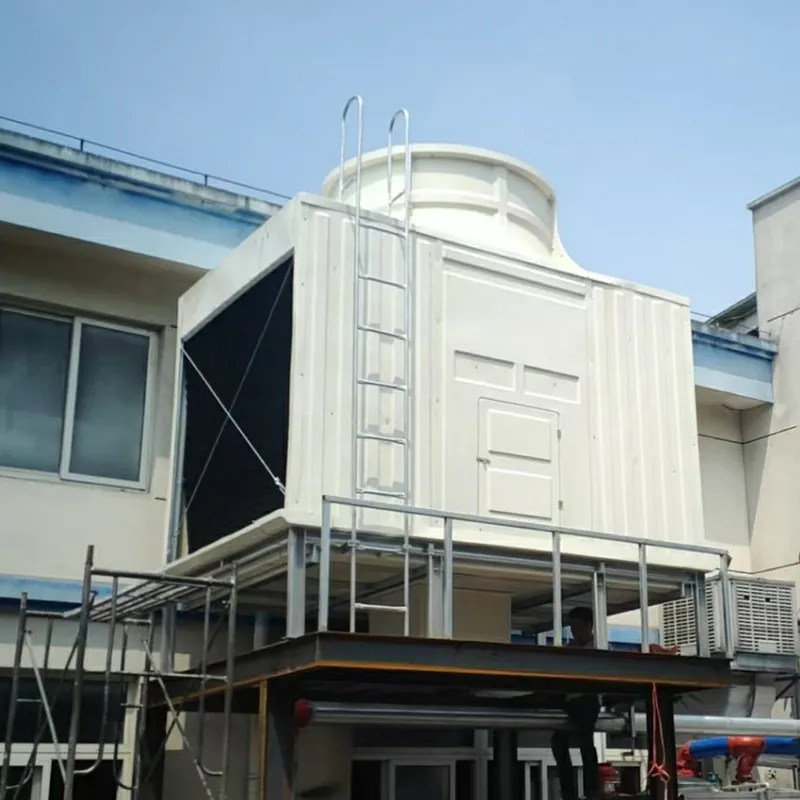
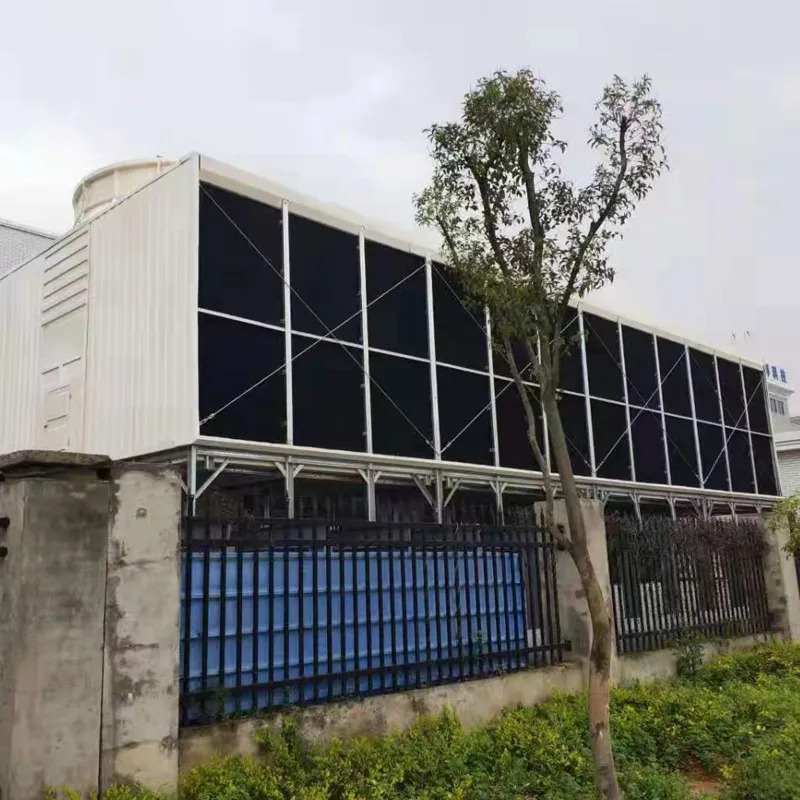
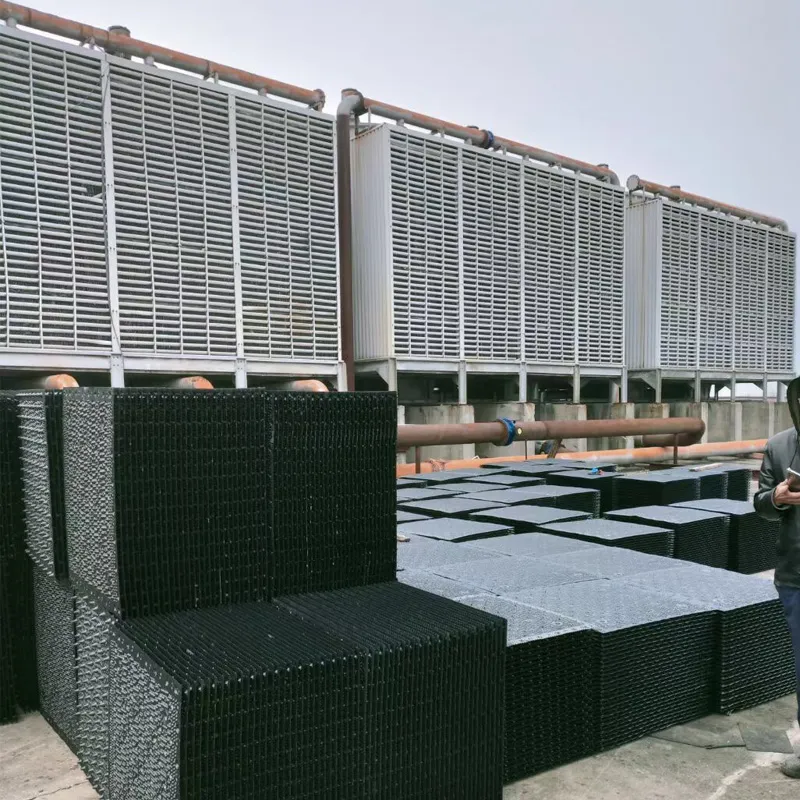
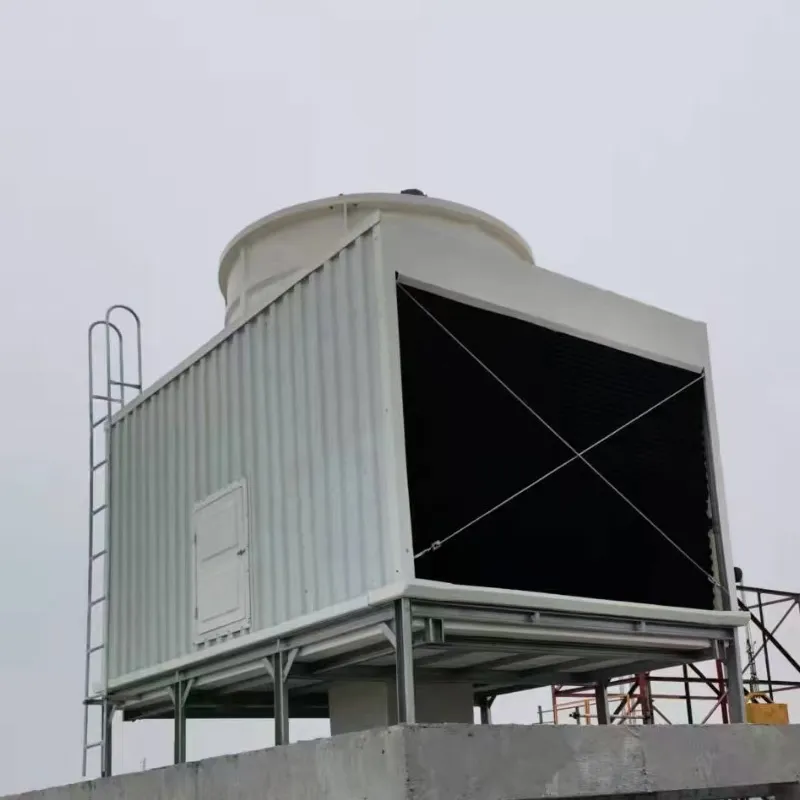
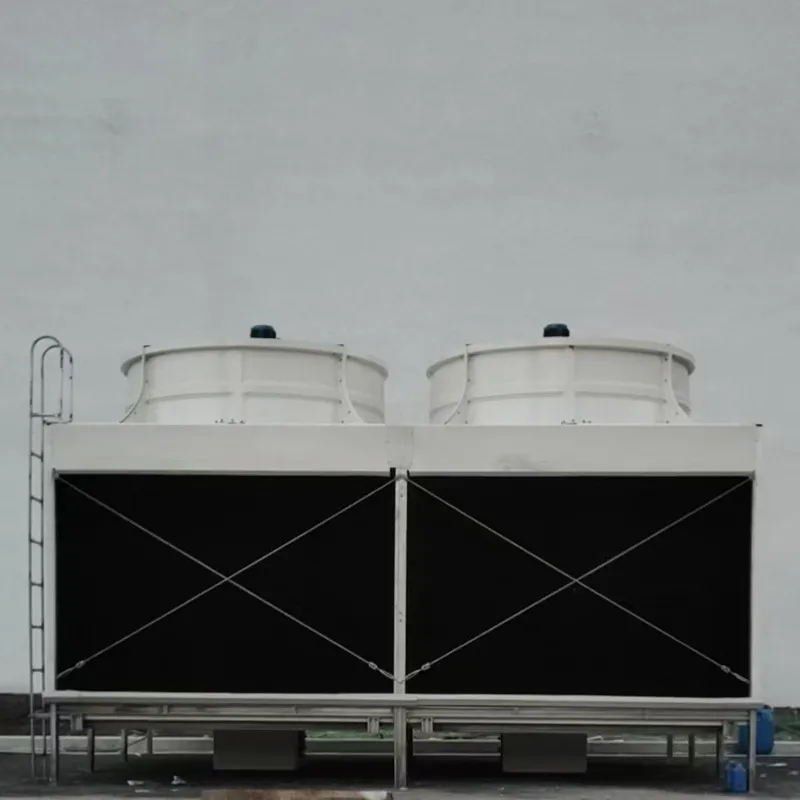
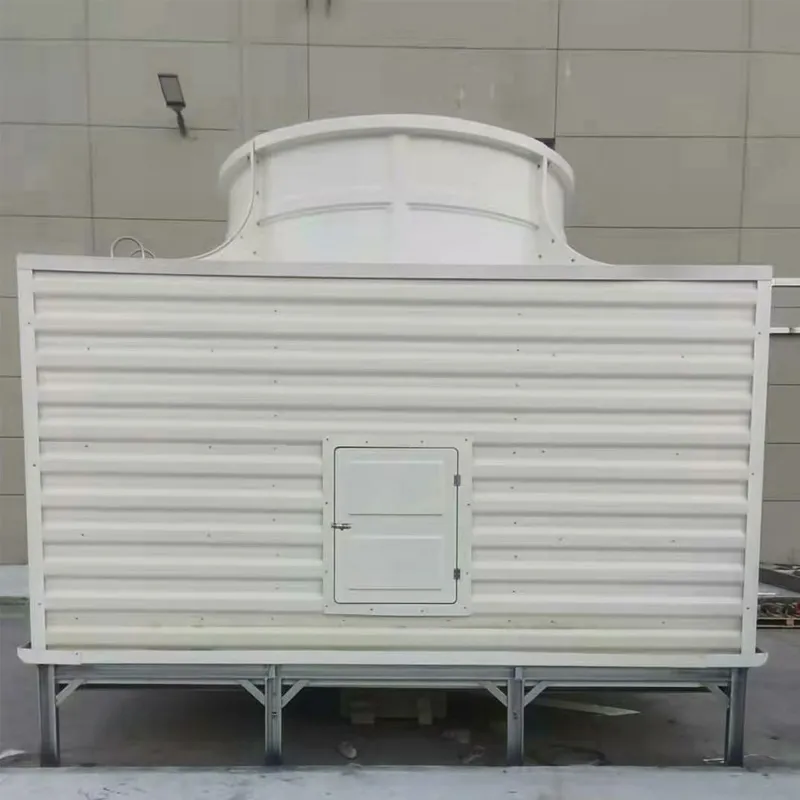
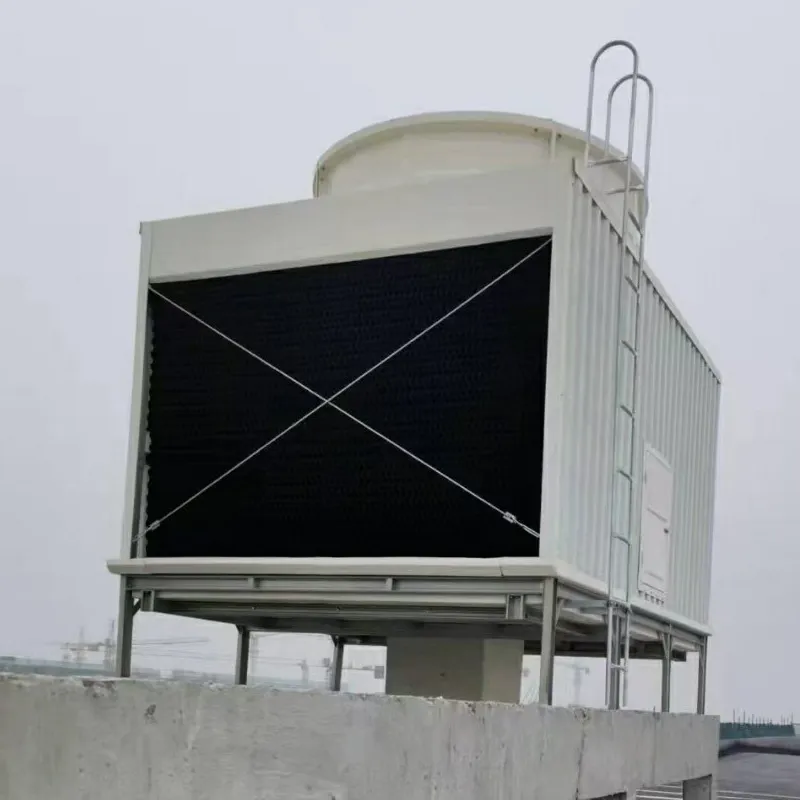
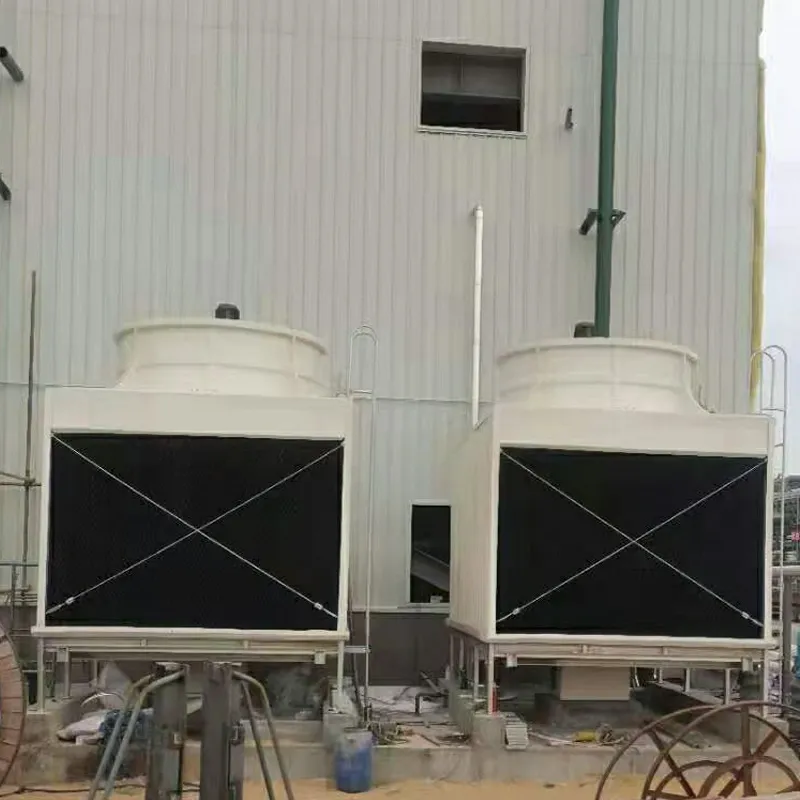
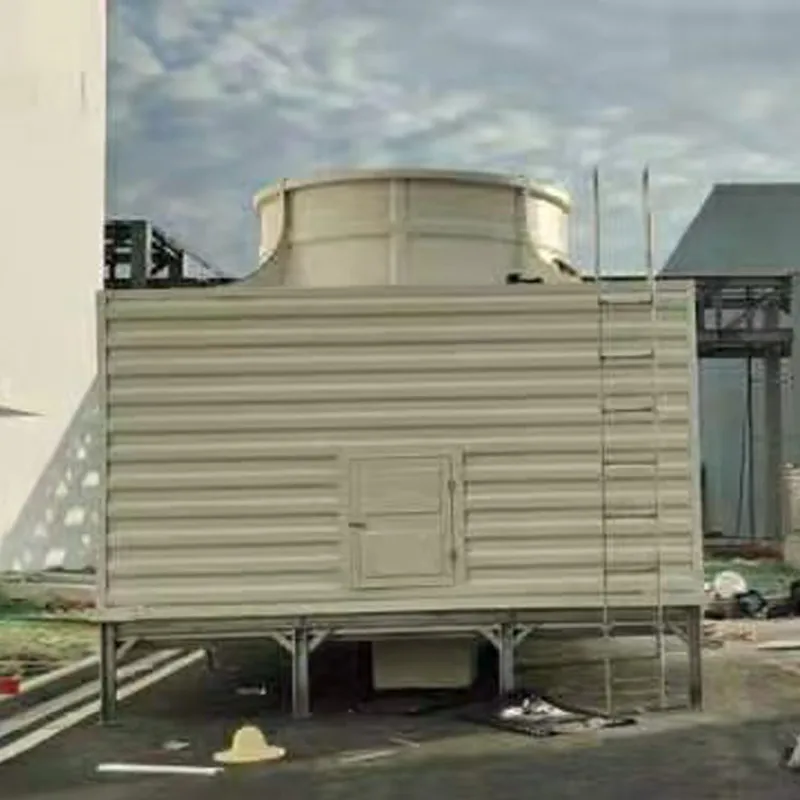
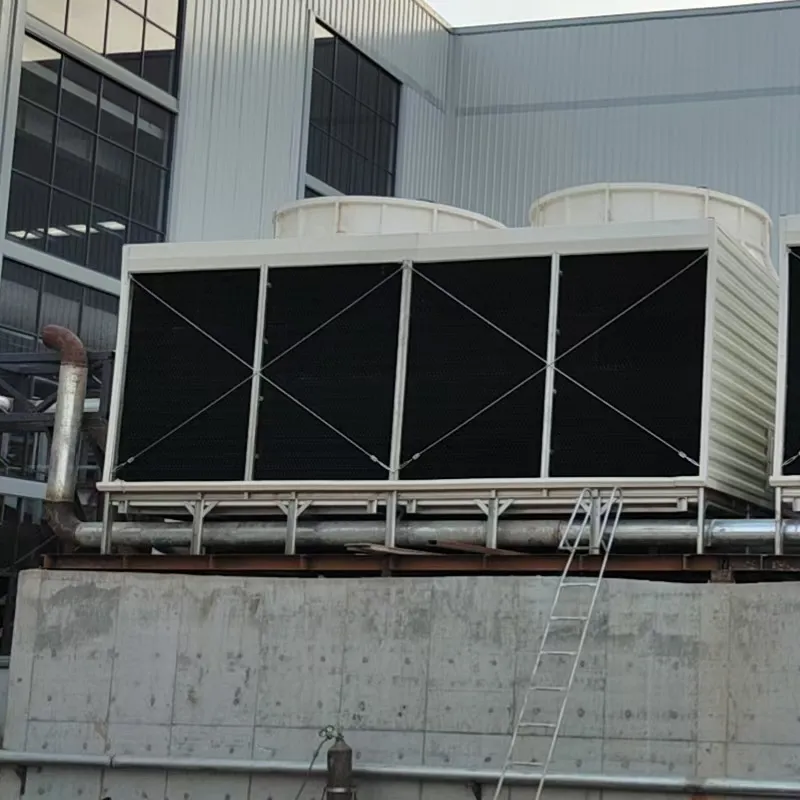
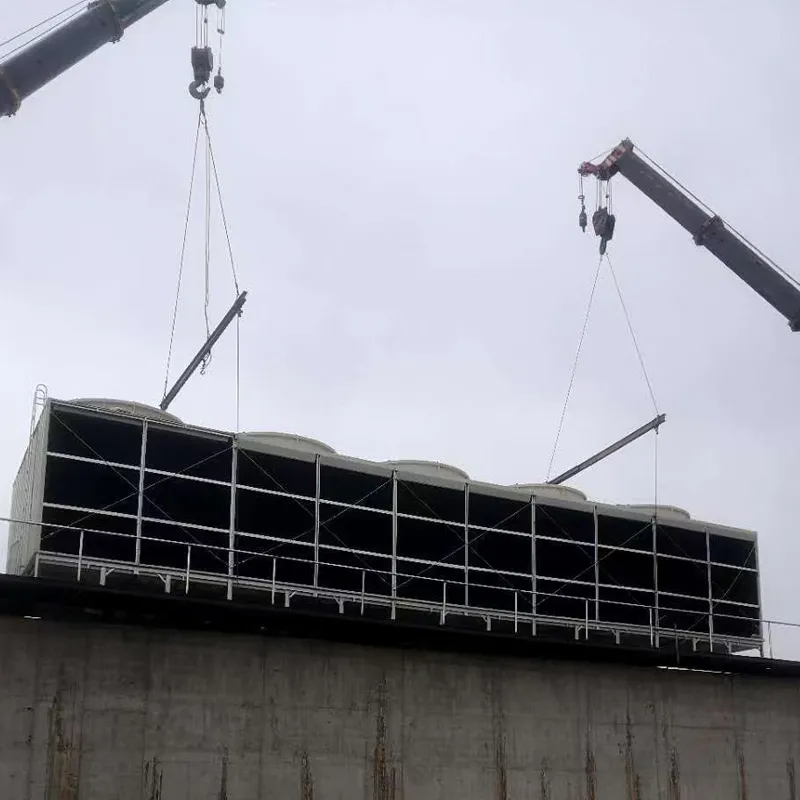
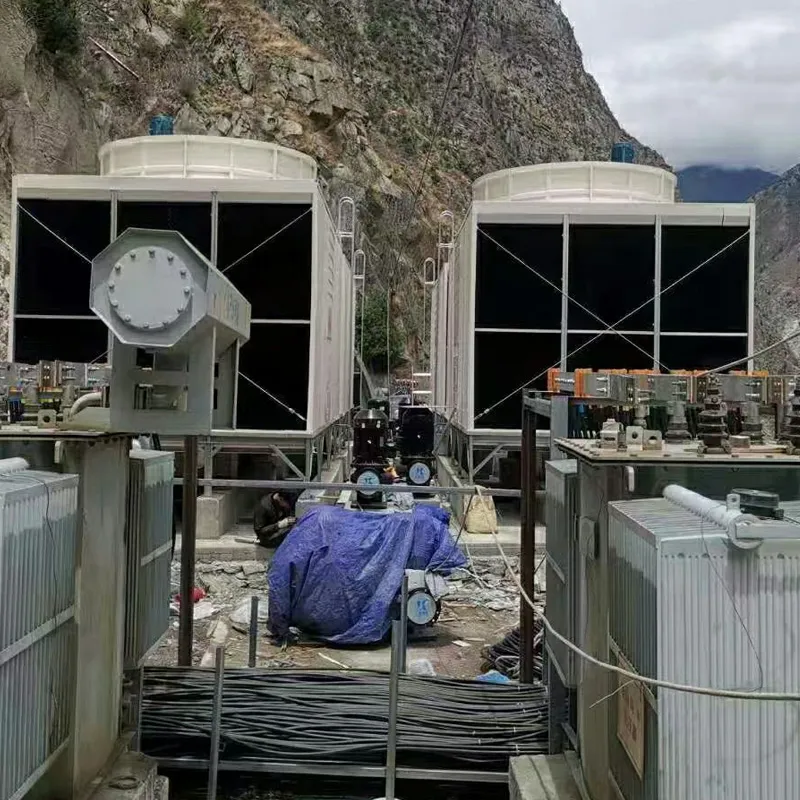
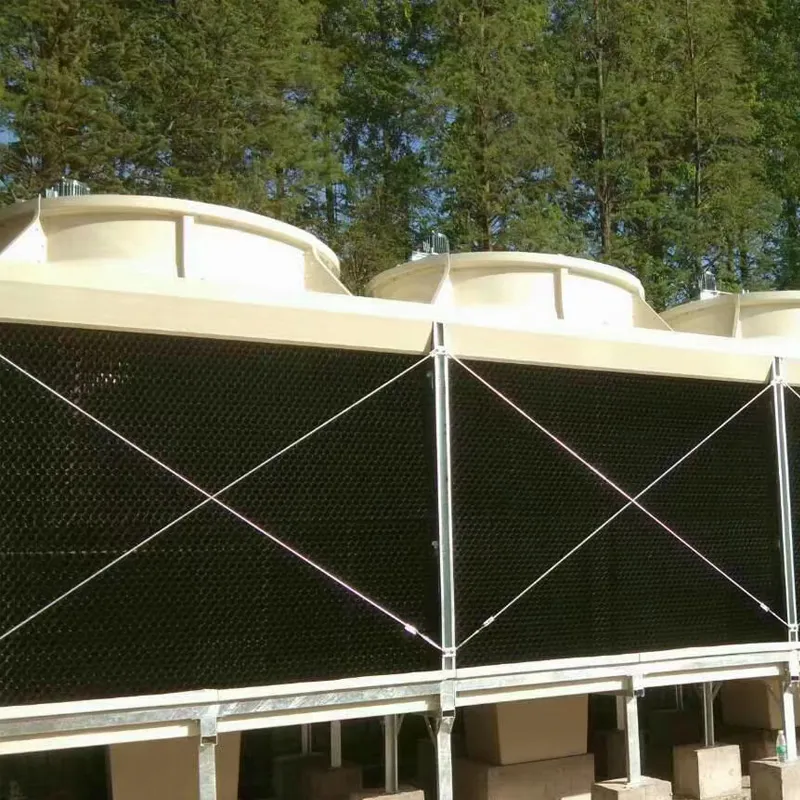
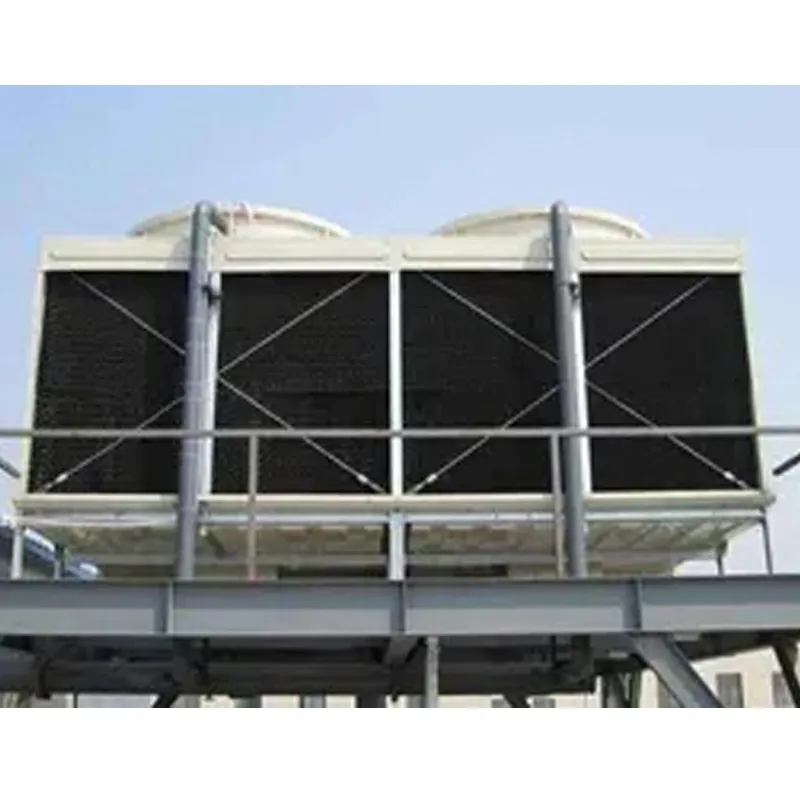
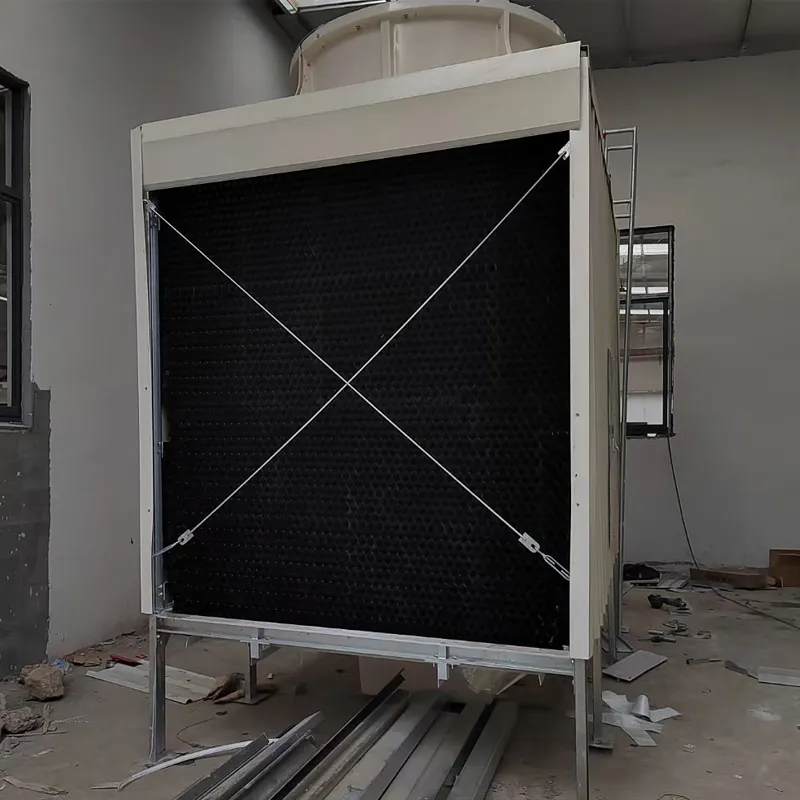
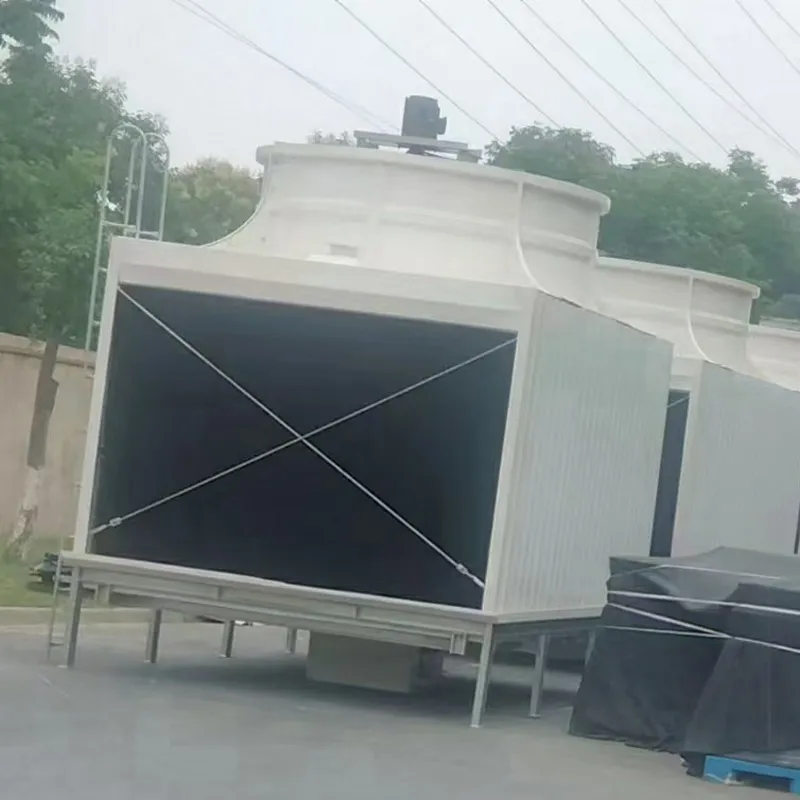
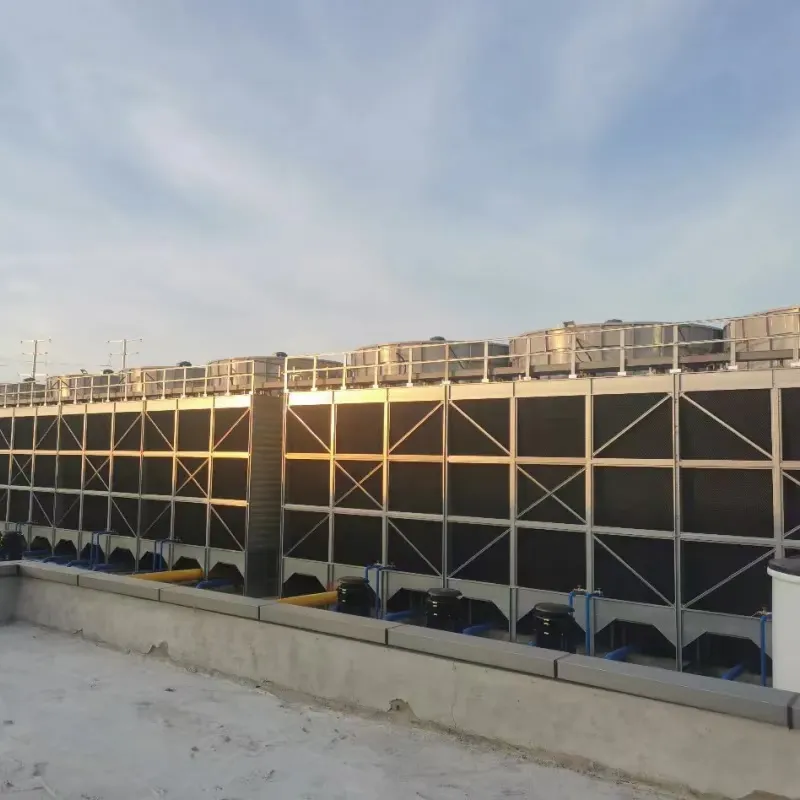
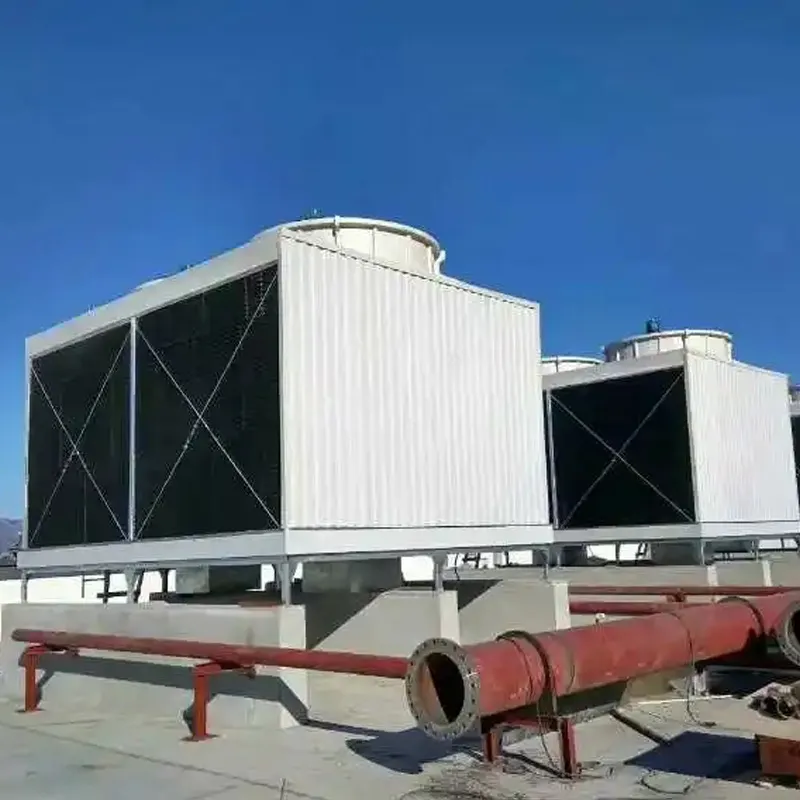
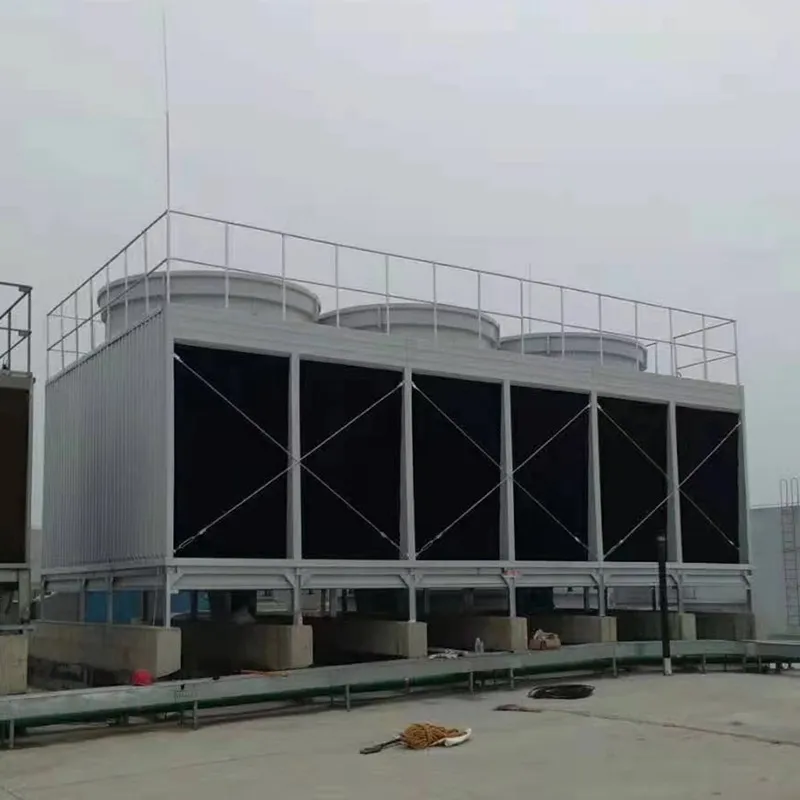
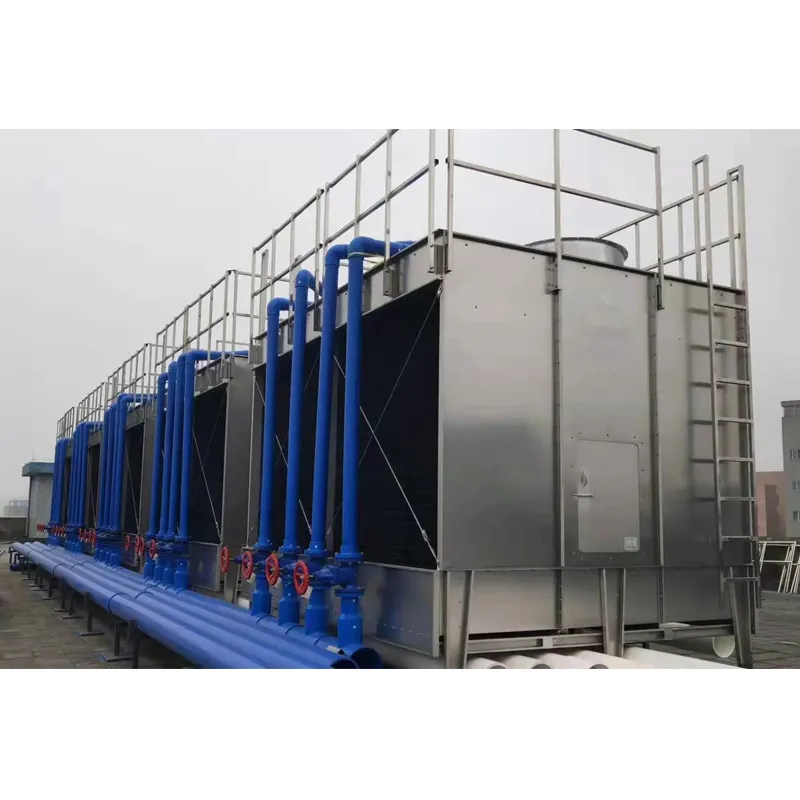
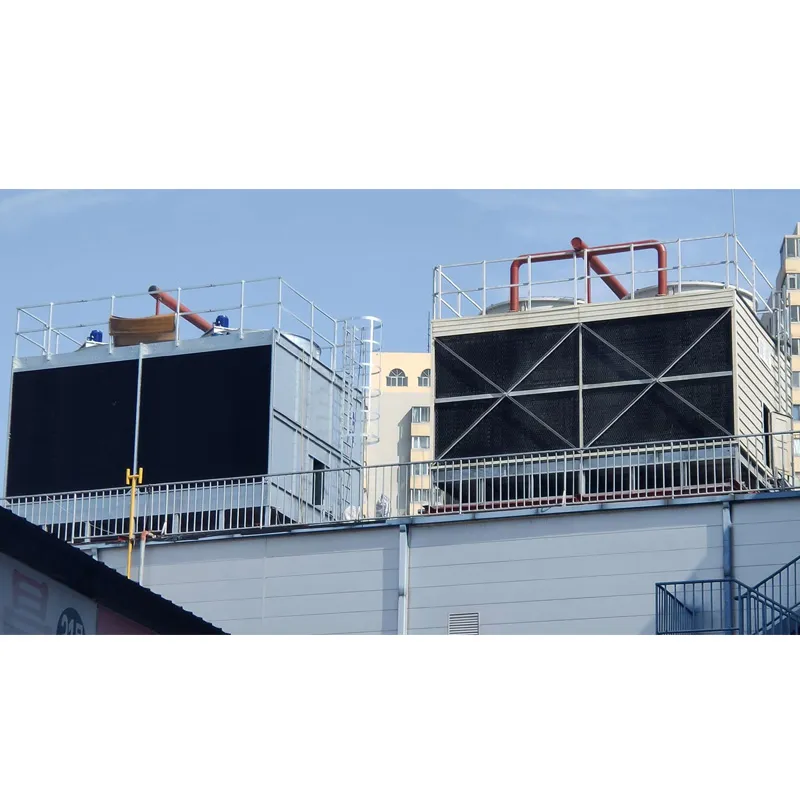
برج تبريد وتكييف
مقدمة تقنية لبرج تبريد تكييف الهواء
1. نظرة عامة
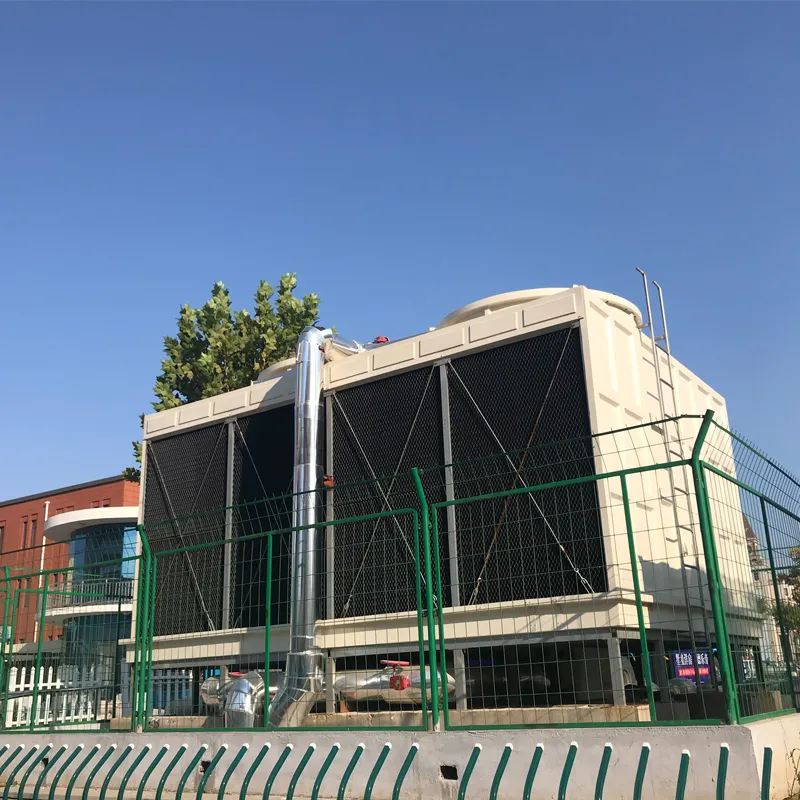
يعد برج تبريد تكييف الهواء مكونًا مهمًا لرفض الحرارة في أنظمة التدفئة والتهوية وتكييف الهواء المركزية، وهو مصمم لتبديد الحرارة المهدرة من المكثفات إلى الغلاف الجوي عبر التبريد التبخيري. فهو يضمن التشغيل الفعال لدورات التبريد ويستخدم على نطاق واسع في المباني التجارية (مثل المكاتب والمستشفيات والفنادق) والمرافق الصناعية (مثل مراكز البيانات). تشمل اعتبارات التصميم الرئيسية سعة المبرد، ودرجة حرارة اللمبة الرطبة المحيطة، والقيود المكانية.
2. Cooling Tower Working Principle
مدخل الماء الساخن: يدخل الماء الساخن (عادة 37 درجة مئوية) من مكثف المبرد إلى برج التبريد.
توزيع الماء: تقوم فوهات الرش بتوزيع الماء بالتساوي على وسائط التعبئة.
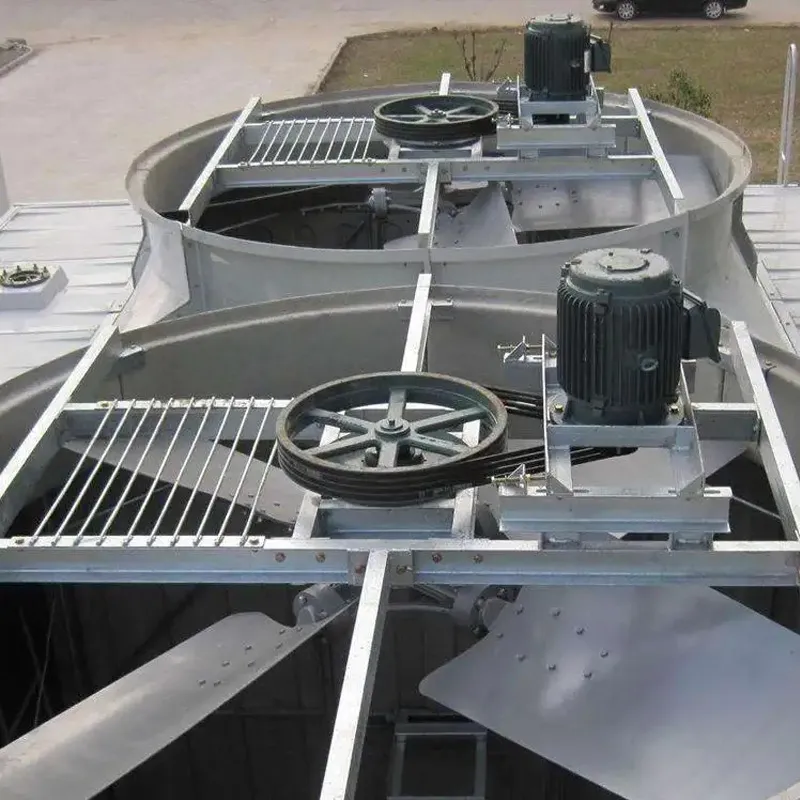
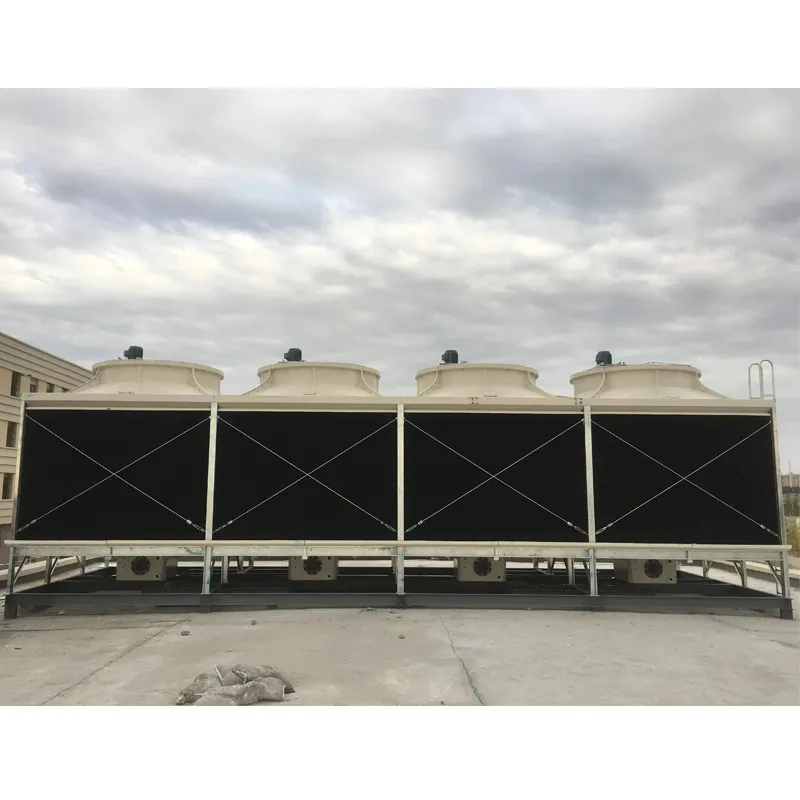
التبادل الحراري بين الهواء والماء: تعمل المراوح على دفع الهواء للتفاعل مع الماء في تكوينات التدفق المعاكس أو التدفق المتقاطع، مما يتيح التبريد بالتبخير.
عودة الماء المبرد: يتم إعادة تدوير الماء البارد (≈32 درجة مئوية) إلى المكثف.
3. أنواع أبراج التبريد
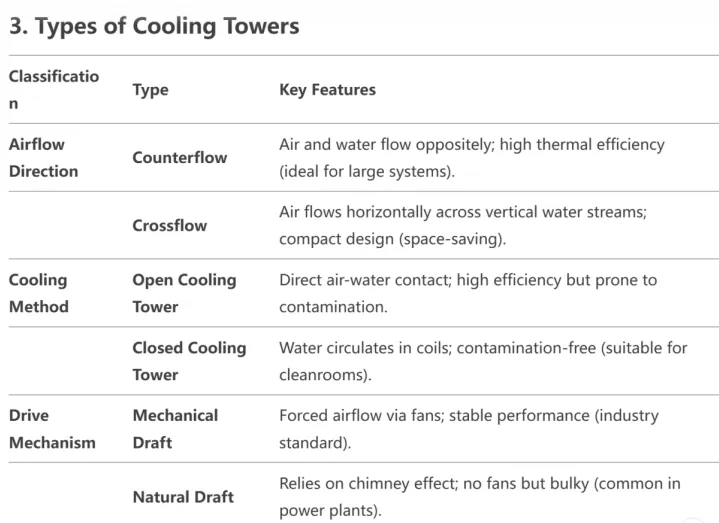
4. المكونات الرئيسية والتصميم
4.1 المكونات الأساسية
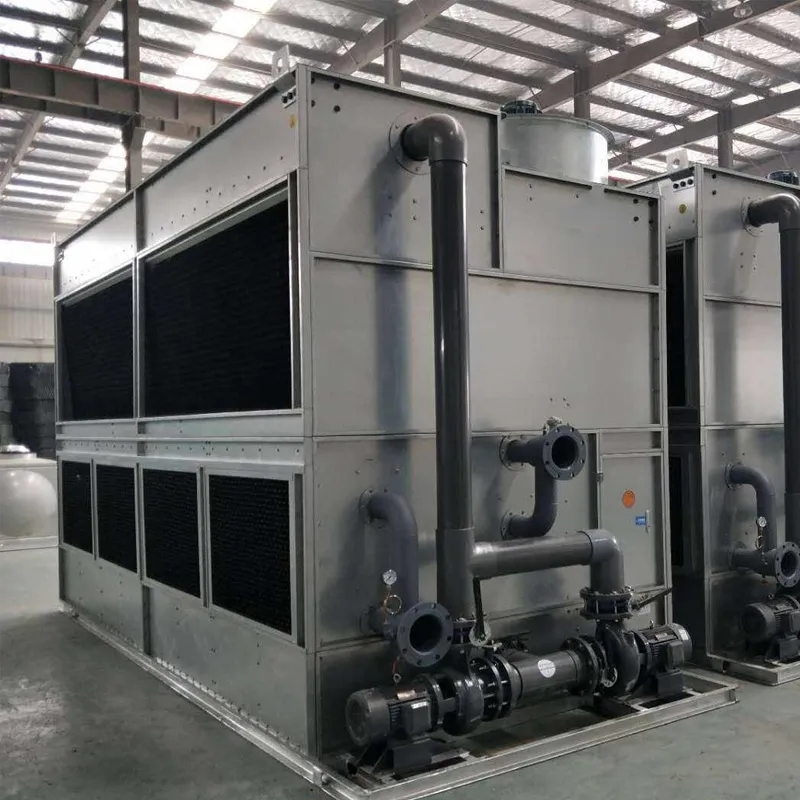
وسائط التعبئة: وحدات PVC أو PP لزيادة مساحة الاتصال بالماء والهواء.
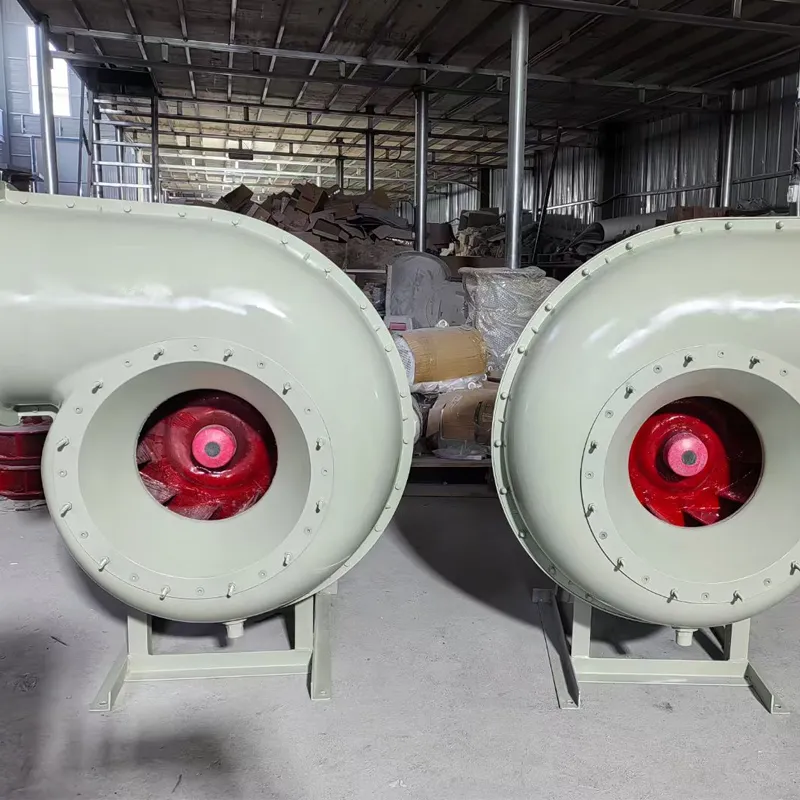
نظام المروحة: مراوح محورية/طاردة مركزية (على سبيل المثال، محرك بقدرة 7.5 كيلووات لبرج بقدرة 100 طن تبريد).
توزيع المياه: فوهات دوارة أو أنابيب رش ثابتة.
مزيل الانجراف: يقلل من فقدان الماء (<0.001% معدل الانجراف).
الغلاف: FRP (مقاوم للتآكل) أو الفولاذ المجلفن (فعال من حيث التكلفة).
4.2 معلمات التصميم
قدرة التبريد (TR): 1 TR = 3.516 كيلووات؛ سعة البرج = 1.2–1.3× مبرد TR (لتعويض فقدان الحرارة).
درجة حرارة المصباح الرطب (WBT): خط الأساس للتصميم الحرج (على سبيل المثال، 28 درجة مئوية).
النهج: الفرق في درجة الحرارة بين الماء المبرد وWBT (عادةً 3-5 درجات مئوية).
5. إرشادات الاختيار والتكوين
5.1 صيغة التحجيم
تدفق مياه البرج (م³/ساعة) = \[ سعة المبرد (TR) × 3024 × 1.3 \] ÷ 5000
مثال: لمبرد 500 TR → ≈393 م³/ساعة.
6. كفاءة الطاقة والاستدامة
تقنيات توفير الطاقة:
تعمل محركات التردد المتغير (VFDs) على تقليل طاقة المروحة بنسبة 20-30%.
وسائط تعبئة عالية الكفاءة (نقل حرارة أعلى بنسبة 15%).
ميزات صديقة للبيئة:
FRP متوافق مع المبردات ذات القدرة المنخفضة على إحداث الاحترار العالمي (على سبيل المثال، R-1233zd).
التحكم في الضوضاء ≥65 ديسيبل (A) عند 1 متر (متوافق مع ASHRAE).
7. الصيانة واستكشاف الأخطاء وإصلاحها
الصيانة الروتينية:
أسبوعيًا: تحقق من مستوى الماء/الرقم الهيدروجيني (6.5-8.5).
شهريًا: قم بتنظيف وسائط التعبئة والمرشحات.
القضايا المشتركة:
كفاءة منخفضة: عمليات التعبئة المسدودة أو عدم توازن المروحة.
الضوضاء غير الطبيعية: تحمل الشفرات أو الشفرات السائبة.
8. التطبيقات النموذجية
المباني التجارية: المولات والمكاتب (200-1000 برج TR).
مراكز البيانات: تكوينات N+1 الزائدة عن الحاجة.
مرافق الرعاية الصحية: أبراج مغلقة للتحكم في التلوث.
9. مرجع التكلفة (اليوان الصيني)
| السعة (TR) | النطاق السعري (10000 يوان صيني) | ملاحظات |
|--------------------|------------------------------|---------------------------------------|
| 100 طن | 8-15 | التدفق المعاكس FRP، التكوين القياسي. |
| 500 طن | 40–70 | مراوح VFD + أدوات تحكم ذكية. |
| 1,000 لتر | 80–150 | تصميم وحدات للإعدادات المتوازية. |
10. المعايير والشهادات الدولية
ASHRAE 90.1: متطلبات كفاءة الطاقة.
EN 13053: الامتثال لنظام التهوية (الاتحاد الأوروبي).
شهادة LEED: اعتمادات في الحفاظ على المياه/الطاقة.
خاتمة
تعد أبراج تبريد تكييف الهواء أمرًا حيويًا لكفاءة نظام التدفئة والتهوية وتكييف الهواء (HVAC). تتناسب أبراج التدفق المعاكس مع المباني التجارية عالية الأداء، بينما تتفوق نماذج التدفق المتقاطع في التعديلات التحديثية المحدودة المساحة. إعطاء الأولوية لأنظمة المراقبة الذكية (التي تدعم إنترنت الأشياء) ومواءمة التصميمات مع أهداف WBT المحلية وأهداف الاستدامة.
What Is an AC Cooling Tower and How It Works
An AC cooling tower is a critical component in HVAC and industrial cooling systems, designed to remove excess heat from water used in air conditioning or industrial processes. The principle is simple: hot water from the system is pumped into the tower, where it is exposed to air either through natural ventilation or mechanically using fans. This exposure allows a portion of the water to evaporate, dissipating heat and returning cooler water back to the system.
AC cooling towers are widely used in commercial buildings, factories, data centers, and power plants because they offer efficient heat removal while reducing energy consumption. Modern towers, particularly FRP (fiberglass reinforced plastic) cooling towers, are lightweight, corrosion-resistant, and durable, ensuring long-term performance even under harsh environmental conditions. Understanding how AC cooling towers work helps facility managers select the right type and size for their applications, ensuring energy efficiency and reliable operation.
Energy-Efficient AC Cooling Towers: Reducing Power Consumption
Energy-efficient AC cooling towers are increasingly essential for commercial and industrial facilities seeking to minimize operational costs and environmental impact. These cooling towers are specifically designed to reduce power consumption while maintaining optimal heat dissipation, ensuring that HVAC systems and industrial processes operate reliably and efficiently. By incorporating advanced design features such as high-efficiency fan motors, variable speed drives, and optimized airflow paths, energy-efficient AC cooling towers can lower electricity usage without compromising cooling performance.
FRP (fiberglass reinforced plastic) AC cooling towers are particularly effective in energy savings. Their lightweight yet durable construction allows for smoother water and airflow dynamics, which reduces the load on fans and pumps. Additionally, corrosion-resistant materials help maintain efficiency over time, as fouling and material degradation can significantly increase energy demands in traditional metal cooling towers. Regular monitoring of water flow, fan operation, and system performance further enhances energy efficiency, allowing facility managers to fine-tune operation and prevent unnecessary energy waste.
Investing in energy-efficient AC cooling towers also supports sustainability goals. Lower electricity consumption reduces greenhouse gas emissions, contributing to environmentally responsible building practices. For industrial applications, improved efficiency can prevent system overwork, extending the lifespan of critical equipment while reducing maintenance costs. Overall, adopting energy-efficient FRP AC cooling towers delivers both economic and ecological benefits, making them an ideal solution for modern industrial plants, commercial complexes, and data centers seeking reliable, cost-effective, and sustainable cooling solutions.
AC Cooling Tower vs Evaporative Cooler: Which One Is Better?
Choosing between an AC cooling tower and an evaporative cooler is a critical decision that impacts long-term operational costs, energy efficiency, and system maintenance. While both systems utilize the principle of latent heat of evaporation to reject heat, they serve distinct purposes depending on the scale of the application and the specific cooling requirements of the building or industrial process.
Understanding the Functional Differences
The primary difference lies in what they are cooling. An AC cooling tower is typically part of a larger, centralized HVAC system. It works by removing heat from the condenser water used in water-cooled chillers. This setup is the gold standard for large-scale commercial buildings and industrial plants in 2026, offering superior thermal management for high-tonnage requirements. On the other hand, an evaporative cooler (often referred to as a ""swamp cooler"") is generally used to cool the air directly for a specific space. It draws outside air through water-saturated pads, making it an effective, low-energy solution for dry, arid climates but less effective in humid environments where the air is already moisture-laden.
Efficiency, Climate, and Cost Considerations
When evaluating which is ""better,"" climate and scale are the deciding factors. For massive heat loads, the AC cooling tower is unmatched in efficiency. It allows chillers to operate at lower pressures, significantly reducing electricity consumption for large facilities. However, it requires a more complex infrastructure, including chemical water treatment to prevent scaling and Legionella growth.
Conversely, evaporative coolers are praised for their simplicity and ""green"" profile. They use significantly less electricity than traditional refrigerated air conditioning because they only power a fan and a small water pump. However, they are not a substitute for the high-precision temperature control required by modern data centers or heavy manufacturing. In 2026, many engineers are opting for hybrid systems that combine the high-capacity heat rejection of cooling towers with the localized efficiency of evaporative technology. Ultimately, if you are managing a large-scale industrial project, the cooling tower remains the superior investment for consistent, high-volume thermal performance.
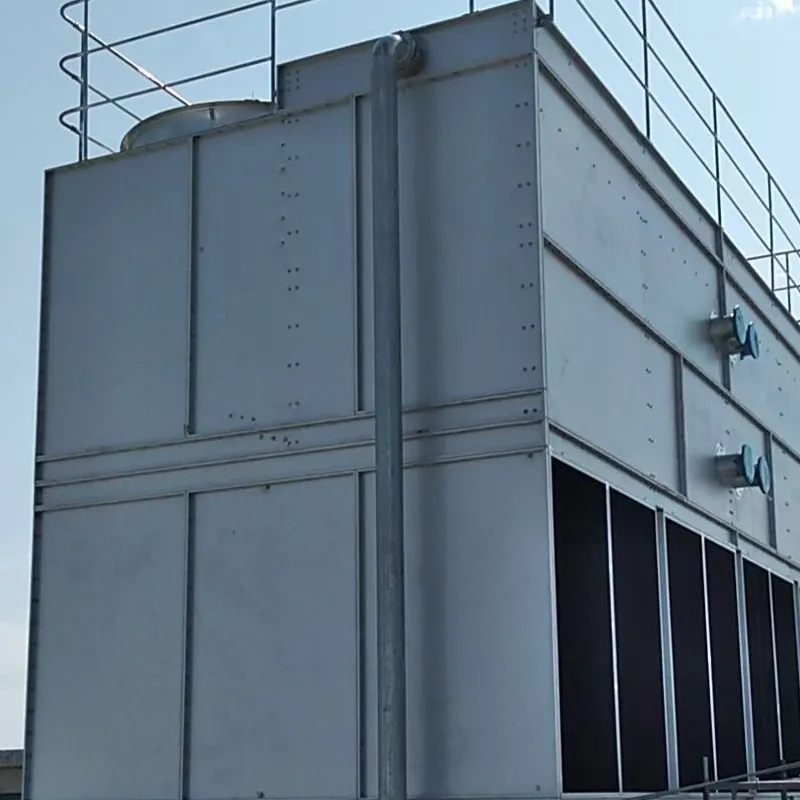
برج تبريد تكييف الهواء
برج التبريد في نظام تكييف الهواء

Air Conditioning Cooling Tower Customer Evaluation

AC Cooling Tower FAQs
-
What is an AC cooling tower?
An AC cooling tower is a heat rejection device used in HVAC systems and industrial processes to remove excess heat from water or coolant. By circulating water through the tower and exposing it to air, the tower allows a portion of water to evaporate, dissipating heat and returning cooler water to the system. AC cooling towers are widely used in commercial buildings, industrial plants, and data centers.
-
How does an AC cooling tower work?
AC cooling towers operate on the principle of evaporative cooling. Hot water from the system enters the tower and is distributed over fill media to maximize contact with air. Fans or natural airflow facilitate evaporation, removing heat from the water. The cooled water is then collected in the basin and pumped back into the system. FRP cooling towers are preferred for their corrosion resistance, UV stability, and lightweight design.
-
Where are AC cooling towers used?
AC cooling towers are used in various industries: Commercial buildings (offices, hotels, malls) for HVAC systems Industrial facilities (chemical plants, factories, power stations) Data centers to manage server heat Marine and coastal applications due to FRP towers’ corrosion resistance
-
How do I maintain an AC cooling tower?
Regular maintenance is critical for performance and longevity. Key steps include: Cleaning basins and fill media to remove debris Checking fans, pumps, and nozzles Monitoring water treatment to prevent scale, algae, or corrosion Inspecting structural components for wear or leaks Well-maintained AC cooling towers improve energy efficiency, reduce downtime, and extend service life.
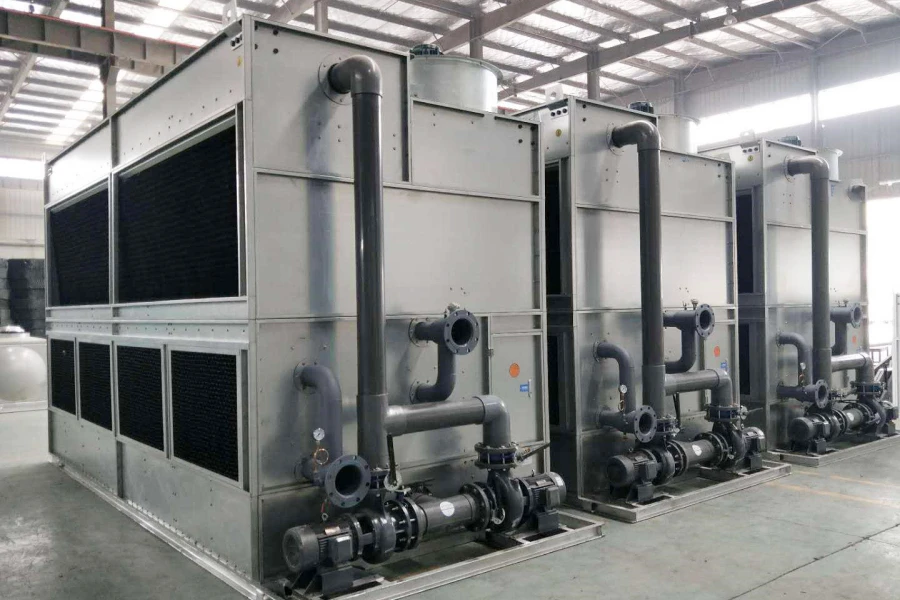



Apr 16,2026
Professional Guide to Effective Cooling Tower Treatment Strategies
Maintaining industrial cooling systems is critical for operational efficiency and equipment longevity. A professional cooling tower treatment strategy is not just about cleaning; it is about preventing scale buildup, corrosion, and the growth of harmful microorganisms. Without proper management, these systems can suffer from reduced heat transfer efficiency, leading to higher energy costs and potential system failures. In this guide, we will explore the essential components of water treatment, the chemistry involved, and how to optimize your cooling tower for maximum performance and sustainability.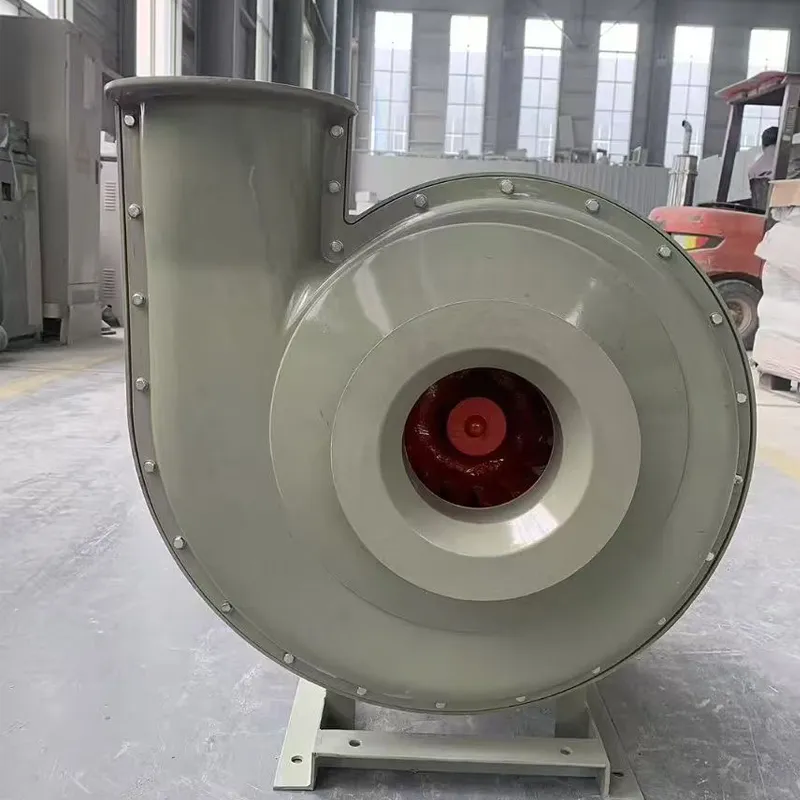


عنوان
20 Xingyuan South Street, Zaoqiang County, Hengshui City, Hebei Province, China


