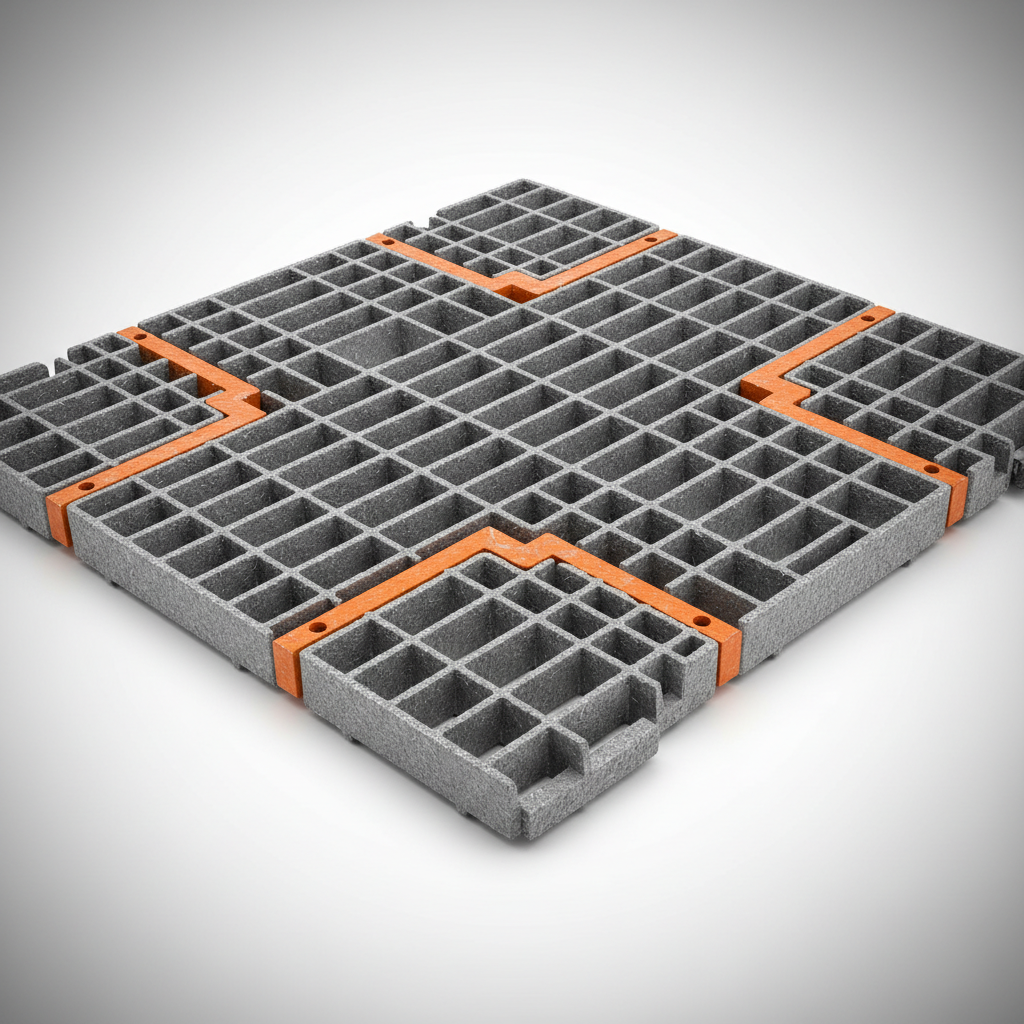
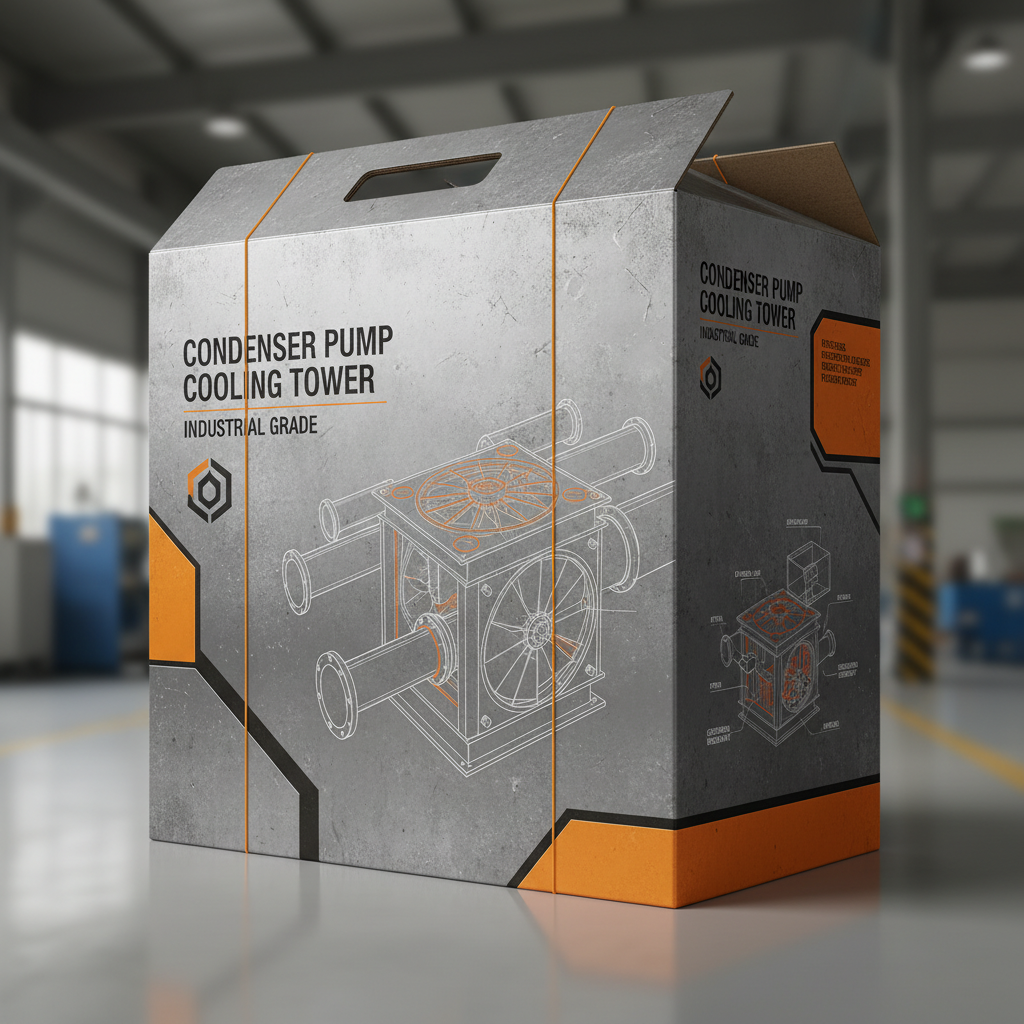
Cooling tower tanks are the unsung heroes of countless industrial processes and power generation facilities globally. They're not glamorous, but they're absolutely critical for efficiently dissipating waste heat and maintaining optimal operating temperatures. Without them, power plants would struggle to function, chemical plants would face shutdowns, and data centers would overheat. The modern demand for energy and increased industrial output means effective cooling solutions, and specifically robust cooling tower tank designs, are more vital than ever. It’s a field I’ve spent years immersed in – from watching initial builds to troubleshooting decades-old systems – and the innovations happening now are genuinely exciting.
The need for efficient thermal management isn’t limited to large-scale operations either. Smaller-scale applications, like HVAC systems in commercial buildings, also rely on efficient cooling. As climate change drives up ambient temperatures, the performance of these systems becomes increasingly crucial. I’ve seen firsthand how a failing cooling system can bring a facility to its knees, leading to costly downtime and production losses. Understanding the nuances of cooling tower tank design, materials, and maintenance is therefore paramount.
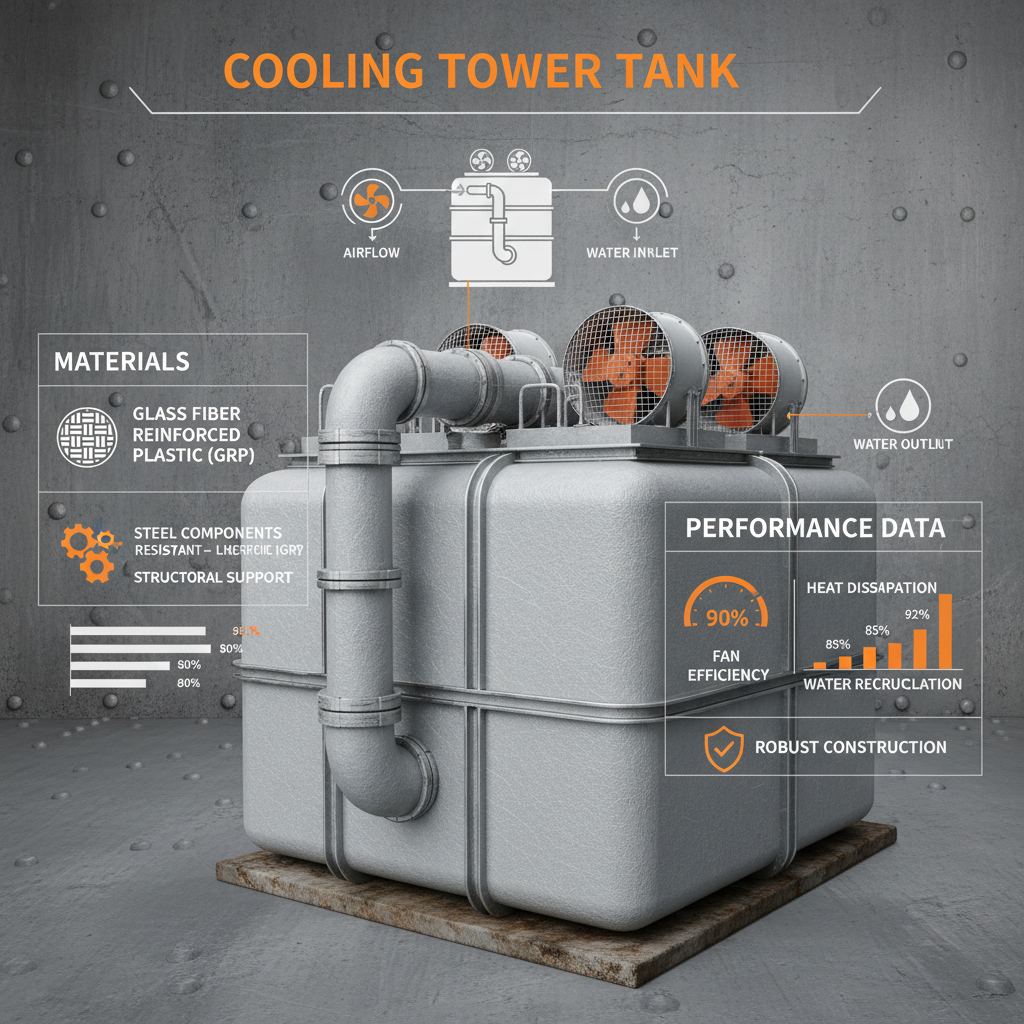
Essentially, a cooling tower tank is the heart of a water-cooling system. It’s where hot water, heated by industrial processes, is cooled before being recirculated. This is far more efficient than once-through cooling which consumes enormous amounts of water. The key is maximizing the contact between water and air to facilitate evaporative cooling, and the tank's structural integrity is key to maintaining that process.
The Fundamental Role of cooling tower tank
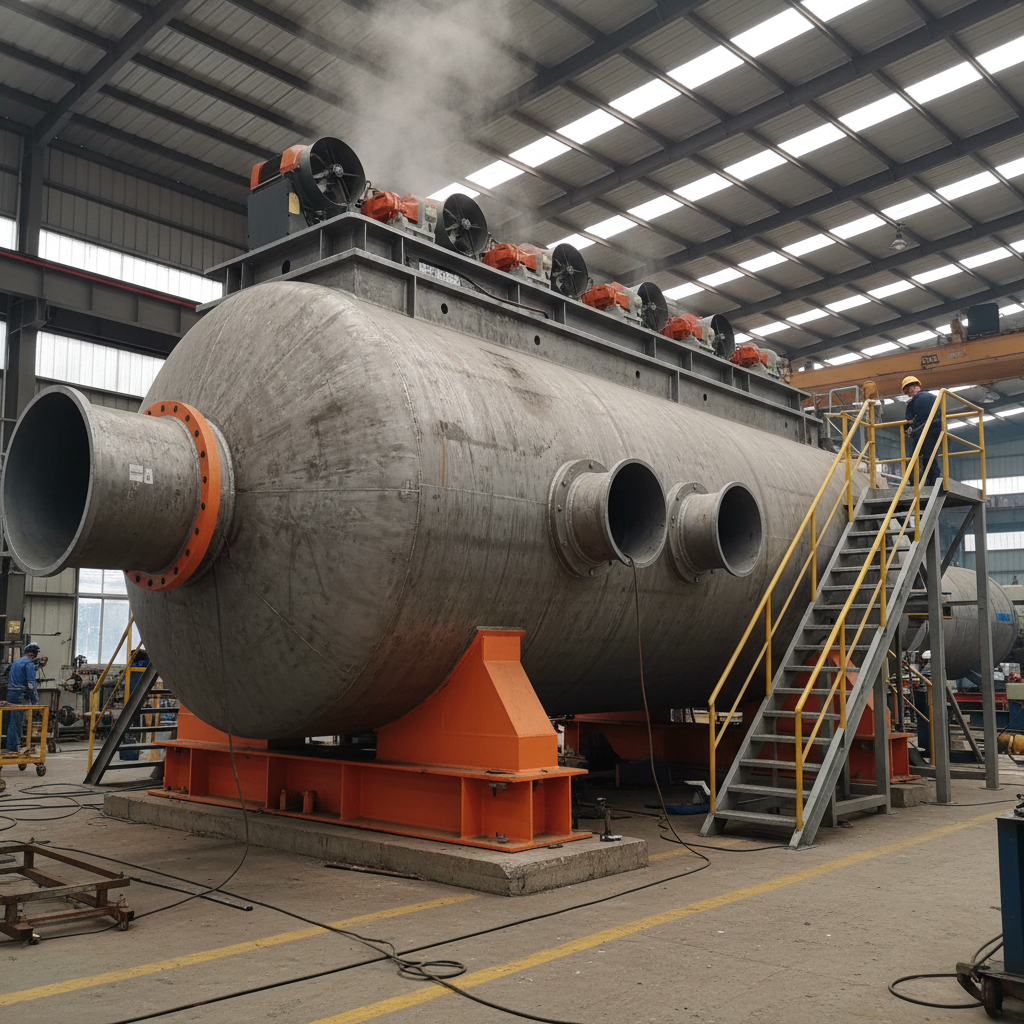
From a practical standpoint, a cooling tower tank is the central collection point within a cooling tower system. It receives the cooled water from the fill media and distributes it to the cold water basin. The design and material of the tank are crucial for ensuring water quality, minimizing algae growth, and providing structural support for the internal components. I’ve seen plenty of tanks constructed from materials that just couldn't hold up to the constant exposure to water, chemicals, and UV radiation. Proper material selection is non-negotiable.
What often gets overlooked is the tank's role in preventing water loss. Even a small leak can lead to significant water wastage and operational inefficiencies. Regular inspections and maintenance are essential, and a well-designed tank with robust seals and coatings will dramatically reduce the risk of leaks and extend the service life of the entire cooling tower system.
Defining cooling tower tank: Beyond the Basics
A cooling tower tank is essentially a water reservoir specifically designed to function within a cooling tower system. It’s a key element, often constructed from reinforced polymers, concrete, or fiberglass, to withstand the continuous exposure to water, chemicals, and the elements. But it's more than just a container. It needs to be engineered to distribute water effectively, resist corrosion, and minimize the growth of biological contaminants. I've learned over the years that a 'cheap' tank almost always costs more in the long run due to repairs and replacements.
The connection to modern industry is undeniable. Power generation – from traditional fossil fuel plants to nuclear facilities – relies heavily on cooling towers. Chemical processing, steel manufacturing, and even data centers use them to maintain safe and efficient operating temperatures. Without these systems, many modern industrial processes simply wouldn’t be viable.
It’s also directly tied to humanitarian needs. In regions where water resources are scarce, efficient cooling systems that minimize water consumption are critical. Cooling tower tanks that are designed for water conservation and reduced maintenance become incredibly valuable assets in these settings, contributing to sustainable development and public health.
Core Components and Critical Factors
Durability is paramount. The tank must withstand constant exposure to water, chemicals, and UV radiation, as well as potential impacts from debris. Material selection, like high-density polyethylene (HDPE) or fiberglass reinforced plastic (FRP), is crucial. Scalability is another key factor. A well-designed system can be easily expanded or modified to meet changing demands. This often involves modular tank designs that can be interconnected.
Cost efficiency isn’t just about the initial purchase price. It’s about the total cost of ownership, including maintenance, repairs, and replacement. A higher-quality tank may have a higher upfront cost, but it can save money in the long run by reducing downtime and extending service life. Proper maintenance access, for cleaning and inspection, is a huge factor here. Finally, compatibility with existing cooling tower systems is vital. A tank that doesn’t integrate seamlessly can create bottlenecks and reduce overall efficiency.
Water quality is also a significant factor. The tank material should be non-reactive and prevent the leaching of harmful substances into the water. Regular cleaning and disinfection are essential to prevent the growth of algae and bacteria, which can reduce cooling efficiency and cause corrosion.
Global Applications and Industry Impact
Cooling tower tanks are ubiquitous in power generation, serving both fossil fuel and nuclear plants. In the chemical industry, they're essential for regulating temperatures in exothermic reactions and preventing runaway processes. Data centers, which generate massive amounts of heat, rely heavily on cooling towers to maintain optimal operating conditions. I’ve seen them implemented in everything from massive industrial complexes to smaller-scale commercial HVAC systems.
In regions with limited water resources, like the Middle East and parts of Africa, cooling tower tanks are becoming increasingly important for conserving water and minimizing environmental impact. Closed-loop cooling systems, utilizing optimized cooling tower tank designs, are helping to reduce water consumption and improve sustainability.
Even in remote industrial zones, like mining operations in Australia or oil refineries in Canada, cooling tower tanks are vital for ensuring reliable operation. They often serve as a crucial link in the overall supply chain, enabling the extraction and processing of essential resources.
Cooling Tower Tank Performance Metrics
Advantages and Long-Term Value Proposition
The tangible benefits of investing in a quality cooling tower tank are substantial. Reduced energy consumption due to efficient cooling translates directly into cost savings. Minimizing water usage not only lowers operating expenses but also contributes to environmental sustainability. A robust and reliable tank reduces the risk of costly downtime and production losses.
Beyond the purely economic advantages, there’s a significant social impact. Efficient cooling systems contribute to a safer working environment and reduce the risk of accidents. A properly maintained system also minimizes the release of harmful chemicals into the environment, protecting public health. And let's not underestimate the value of peace of mind – knowing that your cooling system is reliable and well-maintained builds trust with stakeholders and ensures operational continuity.
Future Trends and Innovations in cooling tower tank Technology
We’re seeing a growing emphasis on sustainable materials and eco-friendly designs. The use of recycled plastics and bio-based polymers in tank construction is gaining traction. Digital monitoring and control systems are becoming increasingly sophisticated, allowing for remote monitoring of tank levels, water quality, and structural integrity. I'm particularly excited about the potential of AI-powered predictive maintenance, which can identify potential problems before they lead to failures.
Automation is also playing a role, with automated cleaning systems and robotic inspection technologies reducing the need for manual labor and improving efficiency. The integration of cooling tower tanks with smart grids and renewable energy sources is another promising trend, enabling more efficient and sustainable energy management.
Challenges and Emerging Solutions
One of the biggest challenges is dealing with corrosion and scaling. Even with the best materials, mineral buildup can reduce cooling efficiency and damage tank components. New coating technologies and water treatment solutions are being developed to address this issue. Another challenge is maintaining water quality and preventing the growth of Legionella bacteria. Regular disinfection and monitoring are essential, and innovative filtration systems are helping to improve water purity.
Finding skilled technicians to maintain and repair cooling tower tanks can also be a challenge. Training programs and certification courses are needed to ensure that technicians have the knowledge and skills to properly diagnose and fix problems. Finally, the initial cost of upgrading to more advanced cooling tower tank technology can be a barrier for some organizations. Government incentives and financing options can help to overcome this hurdle.
I've also noticed a need for standardized inspection protocols. A consistent approach to inspections will help to identify potential problems early and prevent catastrophic failures. Clear guidelines and best practices are essential for ensuring the long-term reliability of cooling tower tank systems.
Summary of Challenges and Solutions for cooling tower tank Management
| Challenge |
Impact on cooling tower tank Performance |
Potential Solution |
Implementation Cost (1-10) |
| Corrosion & Scaling |
Reduced heat transfer, structural damage |
Advanced coatings, water treatment |
6 |
| Legionella Growth |
Health risks, system contamination |
Regular disinfection, filtration |
7 |
| Skilled Labor Shortage |
Improper maintenance, delayed repairs |
Technician training programs |
5 |
| High Upfront Costs |
Delayed adoption of new technologies |
Government incentives, financing |
8 |
| Lack of Standardized Inspection |
Inconsistent assessment of system health |
Development of industry best practices |
4 |
| Water Wastage |
Environmental impact, increased costs |
Closed-loop systems, water recycling |
6 |
FAQS
The lifespan of a cooling tower tank varies depending on the material, environmental conditions, and maintenance practices. However, a well-maintained FRP tank can easily last 20-30 years. Concrete tanks, if properly sealed and protected, can also have a long lifespan. The key is regular inspections for corrosion, cracks, and leaks. I've seen tanks neglected for years start to show significant wear within a decade, while others, carefully maintained, still performing strongly after 30 years.
Determining the right size requires a thorough assessment of your heat load, flow rate, and water chemistry. It’s not a one-size-fits-all calculation. You’ll need to consider factors like the type of process generating the heat, the ambient temperature, and the desired approach temperature. Consulting with a cooling tower specialist is highly recommended to ensure you get a tank that meets your specific needs and avoids costly undersizing or oversizing.
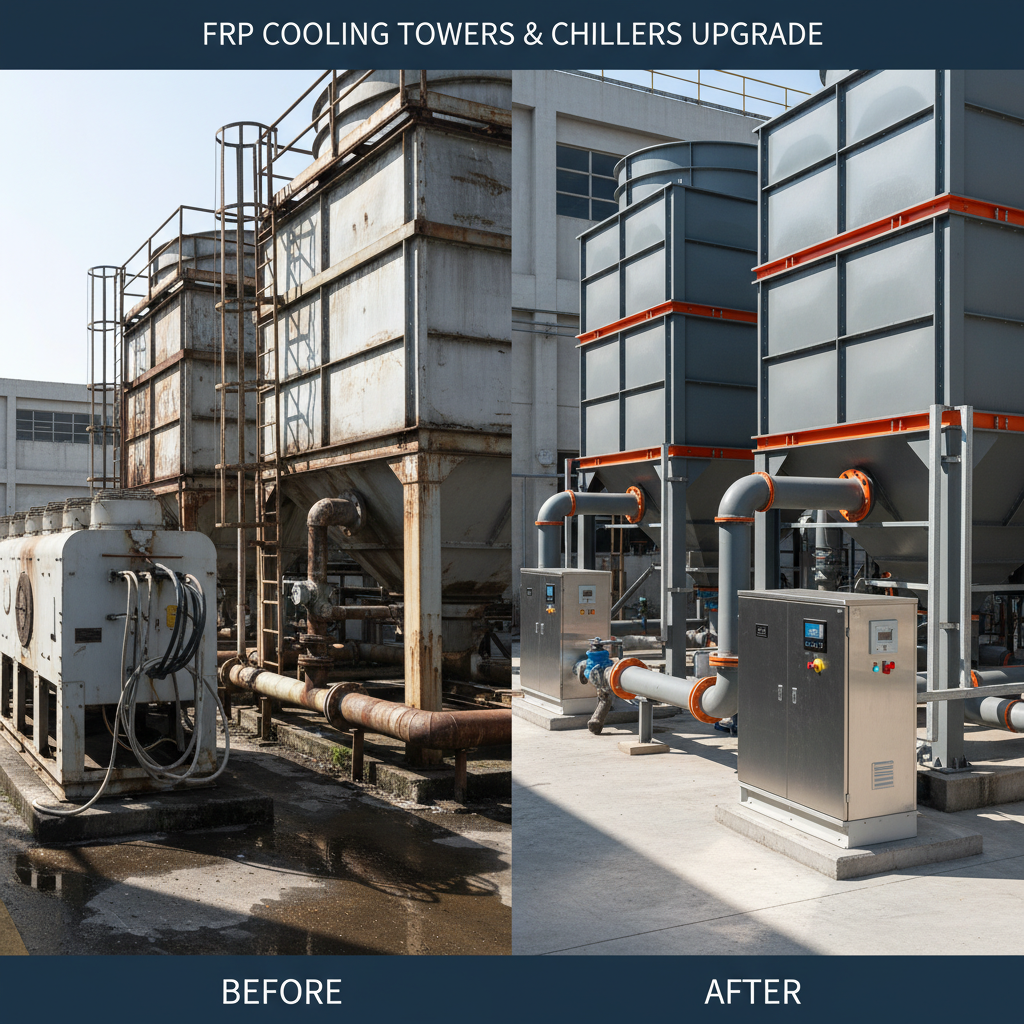
Fiberglass Reinforced Plastic (FRP) is a popular choice due to its excellent corrosion resistance, lightweight nature, and relatively low cost. High-Density Polyethylene (HDPE) is another good option, particularly for smaller tanks. Concrete is also used, but requires proper sealing and maintenance to prevent leaks and corrosion. The ideal material depends on the specific application and budget. I generally recommend FRP for most applications, its combination of durability and cost-effectiveness is hard to beat.
At a minimum, cooling tower tanks should be visually inspected annually. However, more frequent inspections – quarterly or even monthly – are recommended, especially in harsh environments or with critical applications. Inspections should focus on checking for corrosion, cracks, leaks, and signs of biological growth. I always advise clients to keep a detailed inspection log to track changes over time and identify potential problems before they escalate.
Repairing a cooling tower tank requires careful assessment of the damage. For minor cracks or leaks, patching with appropriate materials may be sufficient. However, for more extensive damage, a full replacement may be necessary. It’s crucial to use materials that are compatible with the existing tank material and ensure a watertight seal. Always consult with a qualified technician for any significant repairs.
Absolutely. Advanced coating technologies, like nano-coatings, are significantly improving corrosion resistance. Self-healing polymers are also emerging as a potential solution. Furthermore, improved water treatment chemicals and monitoring systems are helping to prevent scaling and biological growth. These innovations, combined with regular maintenance, are extending the service life of cooling tower tanks and reducing overall operating costs.
Conclusion
In conclusion, the cooling tower tank, often overlooked, is a critical component of modern industrial infrastructure. Its durability, scalability, and efficient thermal management capabilities are essential for a wide range of applications, from power generation to data centers. Investing in a high-quality tank, coupled with regular maintenance and proactive monitoring, offers significant long-term benefits in terms of cost savings, sustainability, and operational reliability.
Looking ahead, advancements in materials science, digital monitoring, and automation will further enhance the performance and lifespan of cooling tower tanks. Embracing these innovations and prioritizing best practices in maintenance and operation will be crucial for ensuring the continued efficient and sustainable operation of these vital systems. To learn more about our cooling tower tank solutions, visit our website: www.hlfrp.com.