Selecting the right closed cooling tower factory is often the deciding factor between a system that operates with peak efficiency and one that becomes a maintenance burden. In industrial heat rejection, the transition toward closed-circuit systems reflects a critical need to protect internal process fluids from contamination and scaling.
Unlike open systems, a closed cooling tower utilizes a heat exchanger to isolate the cooled fluid, meaning the water being chilled never comes into direct contact with the atmosphere. This fundamental design shift requires a manufacturer with deep expertise in both thermal dynamics and advanced materials, particularly Fiber Reinforced Plastic (FRP), to ensure longevity in corrosive environments.
Whether you are upgrading a power plant or designing a new chemical processing facility, understanding the technical capabilities of a professional factory ensures that the equipment meets specific BTU requirements while minimizing water consumption and operational downtime.

Evaluating Technical Standards for Closed Cooling Tower Production

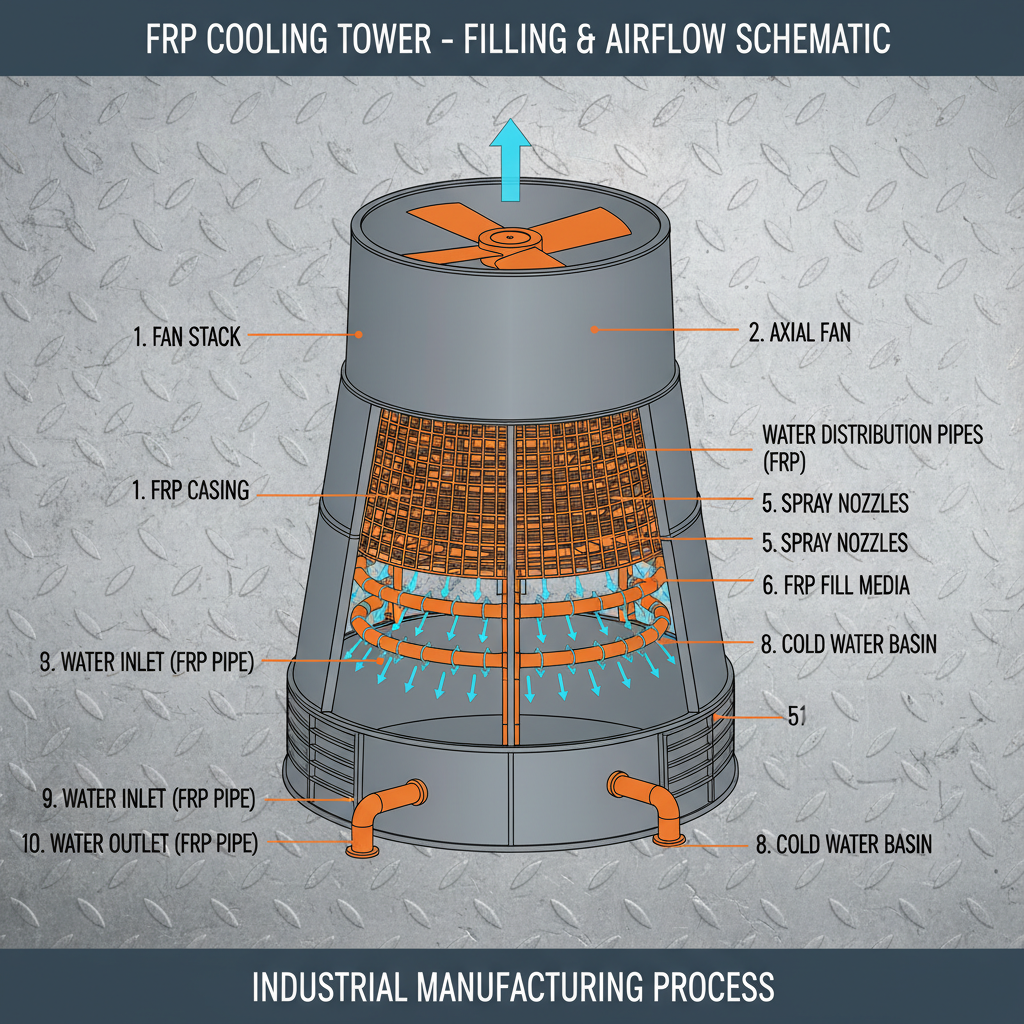
A professional closed cooling tower factory must balance three critical engineering pillars: heat transfer efficiency, structural integrity, and fluid isolation. The primary objective is to maximize the temperature differential across the coil while maintaining a leak-proof barrier that prevents the process fluid from mixing with the spray water.
Technical excellence in production involves the precise calibration of the draught fan and the optimization of the fill material. If the air-to-water ratio is not correctly aligned, the system may suffer from "dry-out" areas or excessive pressure drops, which directly increase energy costs for the end-user.
Furthermore, the integration of high-performance FRP components allows these towers to withstand diverse atmospheric conditions. By focusing on the synergy between the coil material and the tower casing, manufacturers can deliver systems that operate reliably for decades without significant structural degradation.
Core Material Advantages of FRP in Closed Systems
Fiberglass Reinforced Plastic (FRP) has revolutionized the construction of cooling towers due to its inherent resistance to corrosion and oxidation. In a closed circuit environment, where external spray water may be treated with aggressive chemicals to prevent algae, traditional steel casings would fail rapidly.
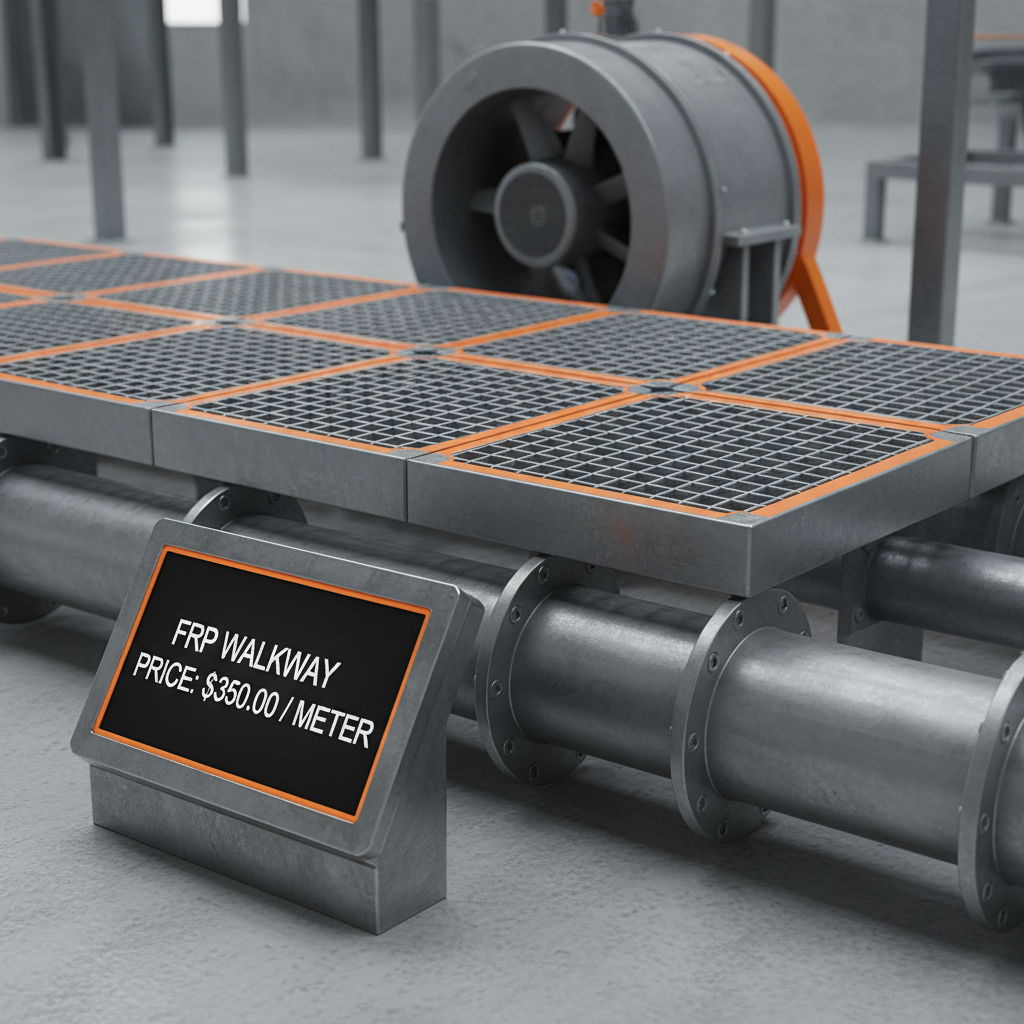
The use of FRP pultruded profiles and gratings provides a high strength-to-weight ratio, reducing the load on supporting structures while offering superior thermal insulation. This ensures that the heat exchange process remains concentrated within the coils rather than being lost through the casing walls.
Moreover, the non-conductive nature of FRP enhances safety in industrial settings, particularly in power generation plants. When paired with precision-engineered accessories, the resulting equipment offers a seamless blend of chemical stability and mechanical robustness.
Industrial Application Scenarios for Closed Circuit Cooling
Closed cooling towers are indispensable in environments where the fluid being cooled is expensive, hazardous, or highly sensitive to contamination. A primary example is found in the pharmaceutical and food processing industries, where maintaining the purity of the cooling loop is a regulatory requirement.
In power generation and heavy machinery, closed systems are used to cool oil-based lubricants or glycol mixtures. Because the process fluid is contained within a closed coil, there is no risk of evaporation of the primary coolant, which significantly reduces the need for chemical makeup and fluid replenishment.
Additionally, these systems are ideal for urban installations where water scarcity is a concern. By isolating the process loop, the tower can be operated with higher efficiency and lower overall water waste compared to traditional open-loop evaporative designs.
Analyzing Thermal Efficiency and Performance Benchmarks
Measuring the success of a cooling system requires a look at the Approach Temperature—the difference between the cold water temperature leaving the tower and the ambient wet-bulb temperature. A lower approach indicates a more efficient heat exchange process.
When comparing standard industrial setups to those produced by a specialized closed cooling tower factory, the difference often lies in the coil design and airflow distribution. Optimized systems reduce turbulence and maximize the surface area contact between the air and the heat exchanger tubes.
closed cooling tower factory Performance Metrics
As illustrated, high-precision manufacturing leads to a noticeable increase in heat rejection rates and a reduction in energy consumption per ton of cooling. This is achieved through the use of variable-frequency drives for draught fans and advanced FRP fill geometries that facilitate better air-water interaction.
Procurement Framework for Industrial Cooling Equipment
Procuring a closed cooling tower is not a simple purchase of a product, but an investment in a long-term thermal solution. Buyers must evaluate the manufacturer's ability to customize the equipment to specific ambient conditions, including humidity and altitude, which drastically affect evaporation rates.
Key evaluation metrics should include the quality of the FRP raw materials, the precision of the coil welding, and the noise levels of the draught fans. A factory that offers full-set FRP technology ensures that all components—from the tank to the profiles—are chemically compatible and structurally aligned.
Furthermore, verify the manufacturer's capacity for modular customization. The ability to adjust the number of cells or the fan configuration allows for future scalability as the industrial plant expands its cooling load requirements.
Future Trajectories in Sustainable Heat Rejection Technology
The cooling industry is moving toward "smart towers" that utilize IoT sensors to monitor water quality and airflow in real-time. Future iterations of closed cooling towers are likely to integrate automated chemical dosing systems that adjust based on the actual scaling risk, further reducing water waste.
Material science is also evolving, with the potential for nano-enhanced FRP composites that offer even higher thermal conductivity and extreme chemical resistance. This could allow for smaller tower footprints without sacrificing heat rejection capacity.
Additionally, there is an increasing focus on hybrid systems that combine dry cooling with closed-circuit evaporative cooling. This approach could potentially eliminate water consumption during winter months while maintaining high efficiency during summer peaks.
Closed vs Open System Selection Matrix
Deciding between an open and closed system depends entirely on the nature of the fluid being cooled and the environmental constraints of the site. While open towers are often cheaper upfront, the maintenance of the internal loop can be prohibitive in dirty environments.
The following matrix provides a comparative analysis based on common industrial operating conditions to help procurement officers make an informed decision.
| Evaluation Metric | Open-Loop Tower | Closed-Loop Tower | Impact on ROI |
|---|---|---|---|
| Fluid Contamination | High Risk | Virtually Zero | Lower Maintenance |
| Water Consumption | Very High | Moderate | Reduced Utility Cost |
| Initial Investment | Lower | Higher | Higher CAPEX |
| Corrosion Rate | Accelerated | Controlled | Extended Life Cycle |
| System Complexity | Simple | Moderate | Requires Heat Exchanger |
| Coolant Type | Water Only | Glycol/Oil/Water | Versatile Application |
Ultimately, the closed-loop system is the superior choice for high-value process fluids. For those seeking reliable, corrosion-resistant equipment, exploring the solutions available through www.hlfrp.com can provide the necessary technical specifications for a successful deployment.
Frequently Asked Questions
Conclusion
The decision to partner with a specialized closed cooling tower factory is an investment in operational stability. By leveraging FRP materials and precision thermal engineering, industries can virtually eliminate the risks of fluid contamination and structural corrosion, ensuring that their cooling infrastructure remains a reliable asset rather than a liability.
As global industrial standards shift toward higher sustainability and lower water footprints, the closed-circuit approach stands as the most viable path forward. For engineers and procurement managers evaluating these systems, the integration of high-quality materials and customized design remains the gold standard for long-term ROI.