We Are Open 24 Hours a Day, 7 Days a Week, Including Weekends and Public Holidays.

Selecting the right thermal management system often comes down to a critical decision: whether to use an open-loop or a closed-loop configuration. For industries dealing with high-value fluids or contaminated environments, the expertise of closed circuit cooling tower manufacturers becomes indispensable in ensuring system longevity and operational purity.
Unlike traditional towers, closed circuit systems prevent the process fluid from coming into direct contact with the ambient air, thereby eliminating scale buildup and contamination. This technical shift allows operators to maintain precise temperature control while significantly reducing water consumption and chemical treatment costs.
In this professional analysis, we examine the technical frameworks and selection criteria used to evaluate these systems, integrating materials science and fluid dynamics to help engineers optimize their industrial cooling infrastructure.


The fundamental principle of a closed circuit system is the separation of the heat-carrying fluid from the cooling medium. The process fluid circulates through a series of coils, while a separate spray system distributes water over these coils. As air is drawn across the wet coil surfaces, heat is transferred from the internal fluid to the external water and then evaporated into the air.
This dual-circuit approach ensures that the internal fluid remains pure and free from the atmospheric pollutants, dust, and minerals that typically plague open-loop systems. Consequently, the internal piping remains free of scale, which is the primary cause of thermal efficiency degradation in traditional cooling setups.
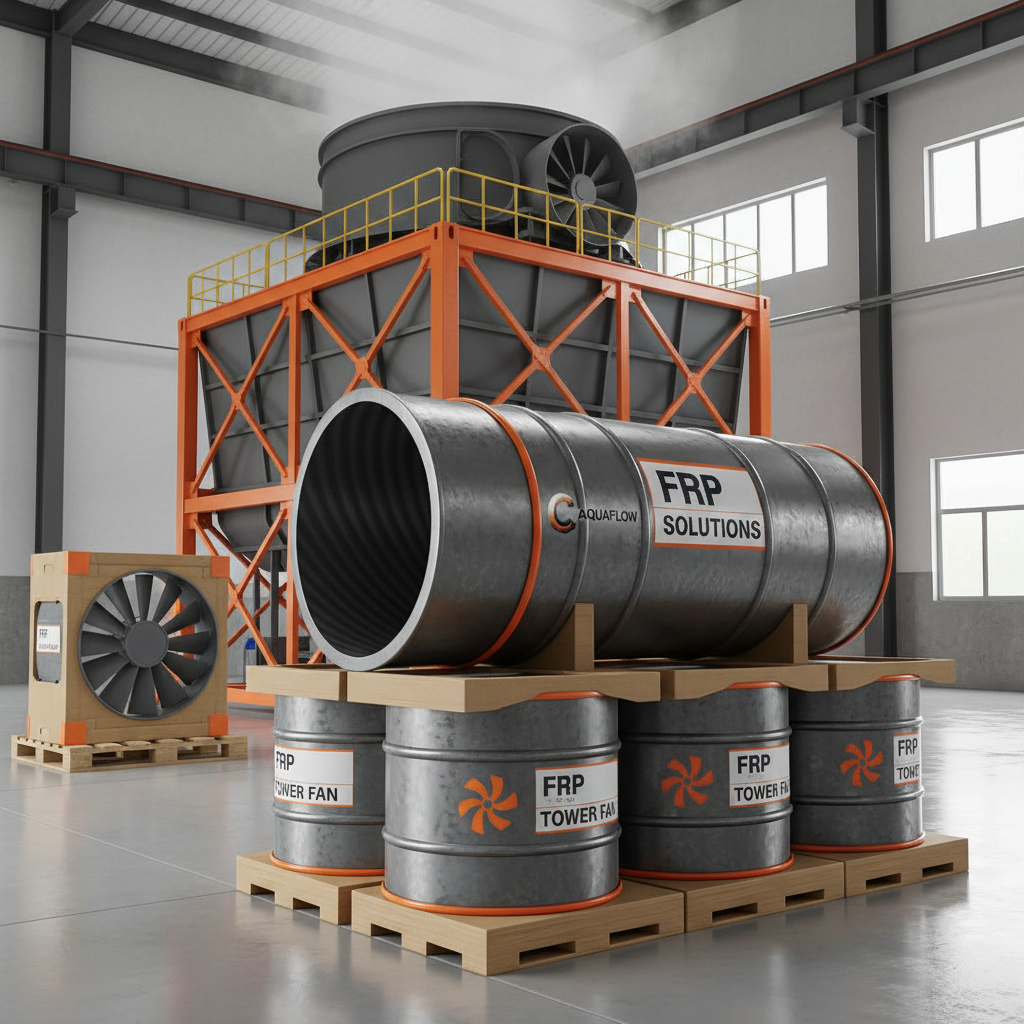
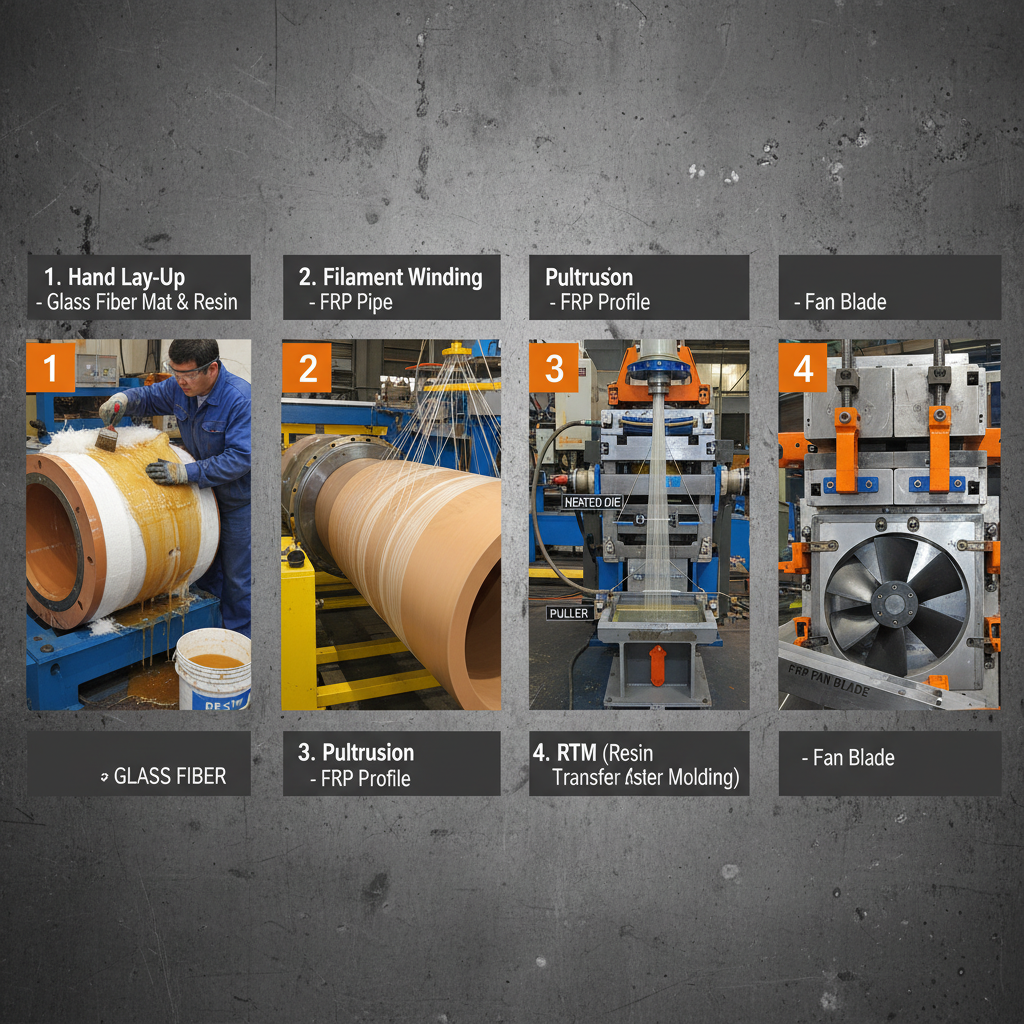
The reliability of these systems depends heavily on the materials used in the heat exchange coils and the structural housing. High-grade stainless steel or copper alloys are typically used for the coils to maximize thermal conductivity and resist corrosion. However, the structural components are increasingly utilizing Glass Fiber Reinforced Plastic (FRP) due to its exceptional strength-to-weight ratio and immunity to chemical corrosion.
Complementing the structure are the airflow components. High-efficiency draught fans and aerodynamically optimized blades are essential for maintaining the required air-to-water ratio. The integration of specialized fans ensures that the static pressure is managed effectively, preventing "dead zones" within the coil bundle that would otherwise lead to localized overheating.
From a manufacturing perspective, the precision of the coil winding and the quality of the spray nozzles determine the overall uniformity of the heat transfer. Poor distribution leads to uneven cooling and increased stress on the pump systems, highlighting why the engineering precision of the manufacturer is a primary quality driver.
When evaluating the performance of a cooling system, engineers focus on the "approach temperature"—the difference between the cold water temperature leaving the tower and the ambient wet-bulb temperature. A smaller approach indicates a more efficient heat exchange process, though it often requires a larger physical footprint or higher fan power.
Thermal efficiency in closed circuit systems is not just about the heat transfer coefficient, but the synergy between the spray distribution uniformity, the coil surface area, and the airflow velocity.
Other key metrics include the water consumption rate of the spray circuit and the pressure drop across the internal coils. A high pressure drop increases the energy requirements of the process pumps, which can offset the energy savings gained from improved thermal efficiency. Balancing these trade-offs is the core challenge of system design.
Comparing different cooling configurations reveals the specific advantages of closed-circuit designs. While open towers have higher raw heat transfer rates, the closed-circuit model wins in terms of long-term maintenance and fluid purity. The following index illustrates the relative performance across five critical operational dimensions.
This conceptual framework demonstrates that while initial capital expenditure might be higher, the operational stability and reduction in fluid replacement costs provide a superior value proposition for high-precision industrial applications.
Closed circuit systems are the standard for environments where the cooling medium must be strictly controlled. In pharmaceutical manufacturing, for instance, any contamination of the process fluid could lead to batch failure, making the sealed coil system a necessity. Similarly, in power generation, these systems protect expensive turbine lubricants from oxidation and particulates.
Beyond the process fluid, the use of corrosion-resistant materials like FRP for the tower shell makes these units ideal for chemical plants or coastal installations where salt-laden air would quickly degrade galvanized steel. Hebei Longxuan's focus on FRP products, including customized tanks and profiles, reflects this industry-wide shift toward non-metallic, durable infrastructure.
The cooling industry is currently transitioning toward "smart" thermal management. This includes the integration of Variable Frequency Drives (VFDs) on draught fans, allowing the system to modulate airflow based on real-time ambient wet-bulb temperatures. This reduces parasitic energy loads during cooler months.
There is also a significant push toward reducing the water footprint of the external spray circuit. Innovations in nozzle design and water reclamation systems allow manufacturers to maintain high heat transfer rates while minimizing blow-down water waste.
Furthermore, the adoption of hybrid systems—combining dry cooling with closed-circuit wet cooling—is becoming more common. These systems operate in dry mode during winter and switch to spray mode in summer, drastically reducing annual water consumption while ensuring the process fluid remains isolated.
Choosing between different manufacturers and designs requires a weighted analysis of operational priorities. If the primary concern is the purity of a glycol-water mixture or an oil-based coolant, a closed circuit is the only viable option. If the priority is maximum raw cooling capacity at the lowest initial cost, an open tower might be considered.
Engineers must also evaluate the site's environmental conditions. In areas with poor air quality or high mineral content in the make-up water, the closed circuit's ability to protect the process loop from scaling and fouling provides a significant operational advantage.
The following table provides a comparative framework for evaluating system suitability based on common industrial requirements.
| Requirement | Open-Loop Tower | Closed-Circuit Tower | Selection Driver |
|---|---|---|---|
| Fluid Purity | Low (Exposed) | High (Isolated) | Process Contamination Risk |
| Scaling Potential | High | Negligible (Internal) | Water Mineral Content |
| Water Consumption | Very High | Moderate | Local Water Availability |
| Initial CAPEX | Lower | Higher | Budget Constraints |
| Maintenance Frequency | High (Cleaning) | Low (Inspection) | Operational Downtime Cost |
| Thermal Efficiency | Maximum | Optimized | Cooling Load Precision |
The primary difference is that in an open circuit, the process fluid is sprayed directly into the air and contacts it to cool. In a closed circuit, the process fluid remains sealed inside a coil, and a separate spray of water is applied to the outside of the coil. This prevents the process fluid from being contaminated by the atmosphere or losing volume through evaporation.
FRP (Fiberglass Reinforced Plastic) is preferred because it is naturally resistant to corrosion and chemical attack, unlike galvanized steel which can rust over time due to constant exposure to moisture and chemicals. FRP also offers a high strength-to-weight ratio, reducing structural loads while extending the operational lifespan of the unit in harsh industrial environments.
In open systems, scale builds up directly inside the heat exchangers and pipes, severely reducing efficiency. In closed circuit systems, scale only forms on the outside of the coils (the spray side). This is much easier to manage through water treatment or periodic cleaning, and it never compromises the flow or purity of the internal process fluid.
Industries that use expensive or sensitive fluids—such as pharmaceutical plants, data centers using specialized coolants, power plants, and chemical refineries—benefit most. Any industry where fluid contamination would lead to equipment failure or product spoilage should prioritize closed-circuit designs.
Yes, they are actually better suited for freezing climates because the internal process loop can be filled with a glycol-water mixture (antifreeze). Since the loop is sealed, the antifreeze is not lost to evaporation, protecting the pipes from bursting during winter while continuing to provide cooling.
Focus on three areas: material quality (e.g., the use of high-grade FRP and corrosion-resistant coils), engineering precision (spray distribution uniformity and fan efficiency), and customization capabilities. A manufacturer that can tailor the system to your specific fluid properties and ambient conditions will provide better long-term ROI than a generic "off-the-shelf" provider.
The transition toward closed circuit cooling represents a strategic move toward operational stability and environmental responsibility. By isolating the process fluid, industries can virtually eliminate the risks of contamination and scale, ensuring that their thermal management systems operate at peak efficiency for decades rather than years.
As the industry evolves, the integration of advanced materials like FRP and smart control systems will continue to drive down the total cost of ownership. For engineers and plant managers, the key to success lies in aligning the technical specifications of the tower with the specific purity and thermal requirements of their industrial process.




Address
20 Xingyuan South Street, Zaoqiang County, Hengshui City, Hebei Province, China