head_nav
head_logo
suosou
lang
close

We Are Open 24 Hours a Day, 7 Days a Week, Including Weekends and Public Holidays.

Advanced cross flow tower Solutions for Chile's Industrial Sector

Engineered FRP infrastructure and thermal management systems designed to withstand the unique seismic and climatic challenges of the South American landscape.

Advanced cross flow tower Solutions for Chile's Industrial Sector

Providing high-performance Glass Fiber Reinforced Plastic (FRP) components and cooling systems tailored for the mining and chemical processing hubs of Chile.

Environmental Infrastructure Status in Chile

Analyzing the intersection of mining productivity and environmental sustainability in the Andean region.

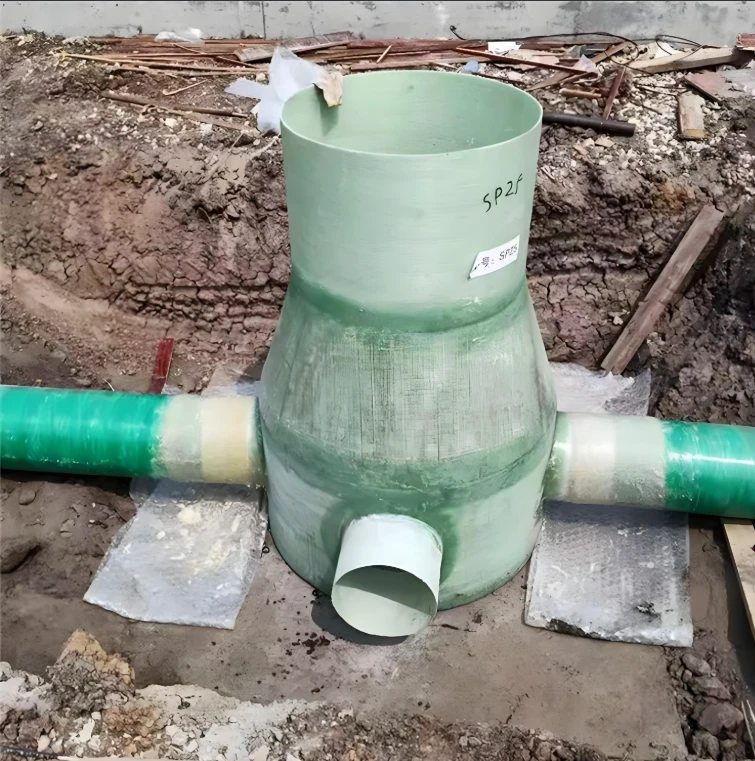
Chile's industrial landscape is dominated by large-scale mining and energy production, creating a high demand for corrosion-resistant materials. The prevalence of saline soils and coastal humidity makes traditional steel infrastructure prone to rapid degradation, driving the adoption of frp sewer pipe systems for municipal and industrial waste management.

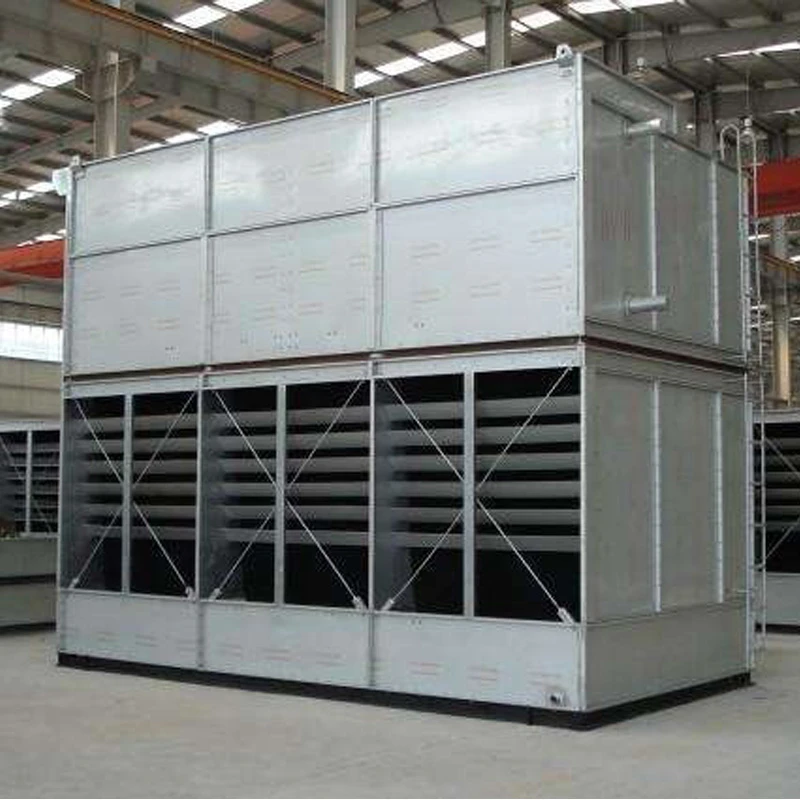
In the Atacama region, water scarcity is a critical operational constraint. This has led to a strategic shift toward highly efficient cooling tower technologies that minimize evaporation while maximizing thermal exchange, ensuring that copper and lithium processing plants remain operational under extreme temperature fluctuations.

Furthermore, the Chilean government's strict adherence to environmental standards for wastewater treatment has increased the deployment of specialized frp tube components. These materials provide the necessary chemical inertness required to handle aggressive effluents without contaminating the fragile local ecosystems.
Evolution of FRP Technical Application in Chile

From basic composite piping to intelligent thermal management systems.

Market Development History

Between 1990 and 2005, the Chilean market primarily relied on reinforced concrete and galvanized steel for water transport. However, the high cost of maintenance in corrosive mining environments led to the first wave of FRP adoption, introducing basic fre pipe (fiber-reinforced) solutions for low-pressure applications.

From 2006 to 2018, the industry shifted toward specialized composite engineering. This era saw the introduction of modular cross flow tower designs, which allowed for easier installation in the rugged terrain of the Andes and better scalability for growing industrial plants.

Since 2019, the focus has evolved into "Smart Infrastructure." Current installations now integrate high-strength FRP composites with sensor-based monitoring to detect structural fatigue and optimize fluid dynamics in real-time, significantly extending the lifecycle of environmental equipment.

Future Development Trends

Carbon-Neutral Composite Materials

The trend is moving toward bio-based resins and recycled glass fibers to reduce the carbon footprint of manufacturing FRP components, aligning with Chile's 2050 carbon neutrality goal.

High-Pressure Industrial Integration

Future designs will focus on increasing the burst-pressure ratings of composite piping to replace high-alloy steels in deep-sea desalination plants along the coast.

Automated Thermal Optimization

Integration of AI-driven airflow controls in cooling systems to adjust performance based on the hyper-arid climate variables of the northern regions.

Industry Trends and Future Outlook

Strategic projections for environmental equipment manufacturing in the South American market.

Seismic Resilience Engineering
Implementing flexible FRP joints that can absorb tectonic shocks, critical for Chile's high-activity seismic zones.
Anti-Corrosive Specialization
Development of advanced resin matrices specifically designed to resist the sulfuric acid and chloride levels found in mine tailings.
Water Conservation Tech
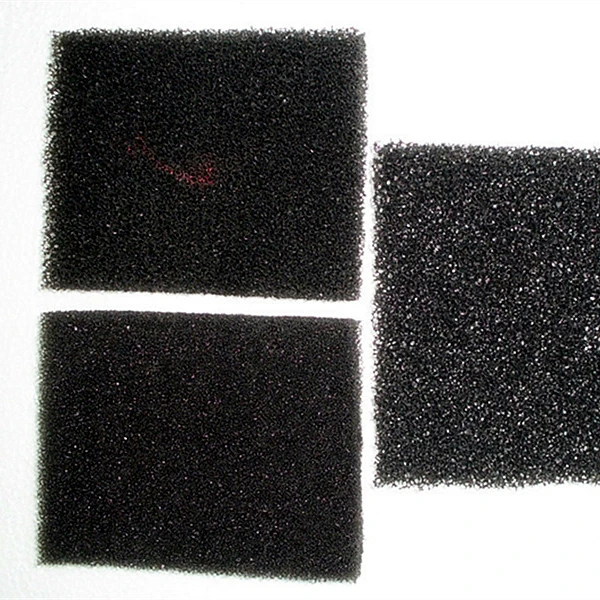
Optimizing cooling tower fills to reduce water loss in the arid Norte Grande region.
Modular Rapid Deployment
Standardizing FRP prefabricated modules for quick installation in remote Andean sites.

Industry Outlook

Based on current search trends in the South American industrial sector, there is a significant increase in queries related to "Sustainable Mining Infrastructure" and "Composite Piping Durability." This suggests that Chilean operators are moving away from short-term fixes toward long-term asset lifecycle management.

We anticipate that the integration of FRP will expand beyond wastewater and cooling into high-pressure chemical transport and geothermal energy recovery, leveraging Chile's immense volcanic energy potential with corrosion-proof materials.

Localized Application Scenarios in Chile

Real-world deployments of FRP technology across various Chilean industrial sectors.

01. Copper Mine Tailings Management

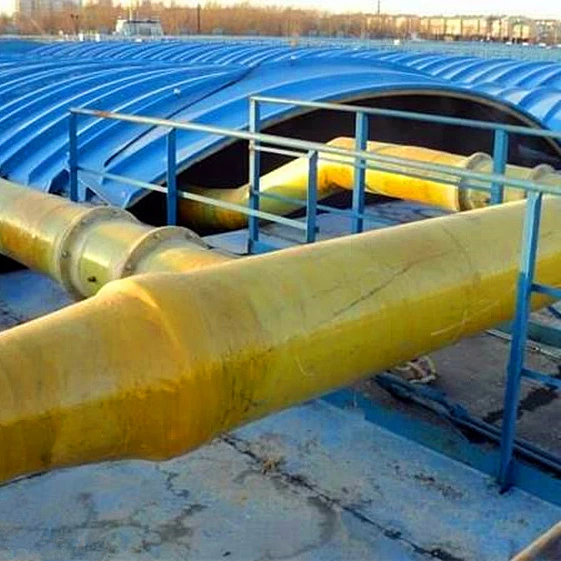
Using high-density frp sewer pipe to transport abrasive and acidic tailings in the Antofagasta region, preventing soil contamination and reducing pipe replacement cycles.

02. Coastal Desalination Plants

Installation of FRP-based intake and discharge systems that resist the high salinity of the Pacific Ocean, ensuring stable water supply for inland agriculture.

03. Lithium Extraction Processing

Deploying chemical-resistant frp tube networks for the transport of lithium brine in the Salar de Atacama, where extreme pH levels destroy metal pipes.

04. Pulp and Paper Mill Cooling

Implementation of large-scale cooling tower systems in the Biobío region to manage industrial heat loads while adhering to strict river discharge temperature laws.

05. Municipal Wastewater Upgrades

Replacing aging concrete sewers in Santiago with lightweight FRP piping to minimize urban disruption and stop leakage into groundwater.

Brand Story

Global Development History of Hebei Longxuan Environmental Protection Equipment Co., Ltd.

Foundation & Core Mission

Established with a vision to solve the global crisis of industrial corrosion, we focused on the chemistry of high-performance resins and fiber reinforcement.

Technical Breakthroughs

Developed proprietary winding technologies that increased the structural integrity of industrial pipes by 40%, setting new standards for FRP durability.

Global Market Expansion

Expanded our footprint into South America, adapting our product lines to meet the specific seismic and climatic requirements of the Chilean market.

Sustainability Integration

Launched a green manufacturing initiative to reduce VOC emissions during the FRP curing process, promoting a cleaner production environment.

Industry Leadership

Now recognized as a leading provider of environmental equipment, bridging the gap between heavy industry and ecological preservation.

Complete FRP Environmental Portfolio for Chile

Comprehensive solutions from thermal cooling to aggressive fluid transport.

Chile Industrial FRP FAQ

Technical answers for the most common implementation challenges in the region.

How does a cross flow tower perform in the arid climate of Northern Chile?

The cross flow design is ideal for these regions as it typically allows for easier maintenance of the basin and can be optimized with specific fill materials to reduce water loss due to evaporation.

Are FRP sewer pipes suitable for high-seismic activity areas in Santiago?

Yes, FRP materials possess a higher strength-to-weight ratio and more flexibility than concrete, which, when paired with flexible coupling joints, significantly reduces the risk of rupture during earthquakes.

What is the expected lifespan of an FRP tube in a lithium brine environment?

Depending on the resin type (such as vinyl ester), an FRP tube can last 20-30 years in brine environments, whereas stainless steel would suffer from pitting and stress corrosion cracking within a few years.

Can FRE pipe handle high-pressure industrial effluents in mining?

Absolutely. Fiber-reinforced epoxy (FRE) pipes are engineered for high-pressure applications and are specifically designed to maintain structural integrity under extreme mechanical loads.

How do I maintain a cooling tower in a dusty mining environment?

We recommend regular cleaning of the fills and the installation of pre-filtration systems to prevent particulate buildup, which can reduce thermal efficiency over time.

Is FRP installation more expensive than traditional materials in Chile?

While the initial material cost may be higher than carbon steel, the Total Cost of Ownership (TCO) is significantly lower due to the elimination of painting, coating, and frequent corrosion-related replacements.

Ready to Optimize Your Infrastructure?

Consult with our expert engineers to design a custom FRP solution for your facility in Chile.

Contact Us Now
Can't Find The Products And Services You Need?
If you need our help,
Our staff will be happy to help and answer your questions!
 Factory Processing
Factory Processing
The factory processes raw materials into finished products using advanced machinery and skilled labor.
 Build Synergy
Build Synergy
We provide collaborative services tailored to client needs, ensuring seamless communication and mutual growth.
 Global Supply
Global Supply
Our innovative products are bestsellers worldwide, celebrated for their exceptional quality, reliability, and global appeal.
 Global Supply
Global Supply
We ensure consistent product availability through a reliable and efficient global supply network.

Address

20 Xingyuan South Street, Zaoqiang County, Hengshui City, Hebei Province, China

If you are interested in our products, you can choose to leave your information here, and we will be in touch with you shortly.


If you are interested in our products, you can choose to leave your information here, and we will be in touch with you shortly.