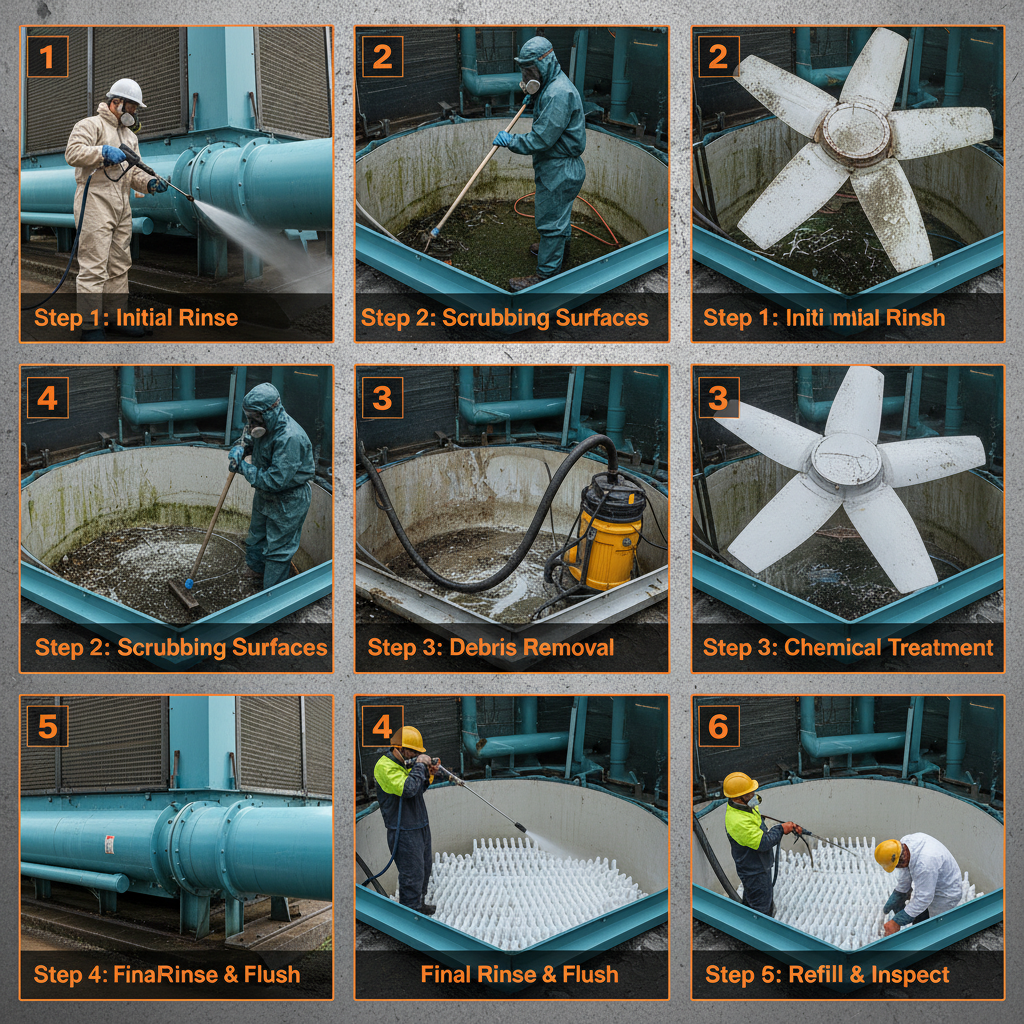
Cooling tower chemical treatment is fundamental to the efficient and reliable operation of countless industrial facilities. From power plants and refineries to HVAC systems in large buildings, these towers dissipate waste heat, and their performance hinges on maintaining clean and efficient water circulation. Without proper chemical treatment, scale, corrosion, and biological fouling can rapidly diminish cooling capacity, leading to increased energy consumption, reduced equipment lifespan, and even system failure. This isn’t just an engineering concern; it’s a bottom-line issue impacting productivity and sustainability across numerous sectors.
Globally, the demand for cooling – and therefore effective cooling tower chemical treatment – is steadily increasing. Population growth, urbanization, and the expanding industrial base in developing nations are all driving this trend. According to a 2023 report by the UN, global energy demand is projected to increase by 47% by 2050, much of which will be met by thermal power generation relying on cooling towers. Furthermore, stricter environmental regulations, such as those enforced by the EPA and ISO 14001, are pushing companies to adopt more sustainable and responsible water management practices, making optimized chemical treatment even more critical.
At its core, cooling tower chemical treatment involves the strategic application of specific chemicals to control scale formation, prevent corrosion, and inhibit the growth of algae, bacteria, and fungi within the circulating water system. It’s about protecting the investment in cooling infrastructure and ensuring that these vital systems continue to operate at peak performance, reducing downtime and maximizing efficiency.
The Fundamentals of cooling tower chemical treatment
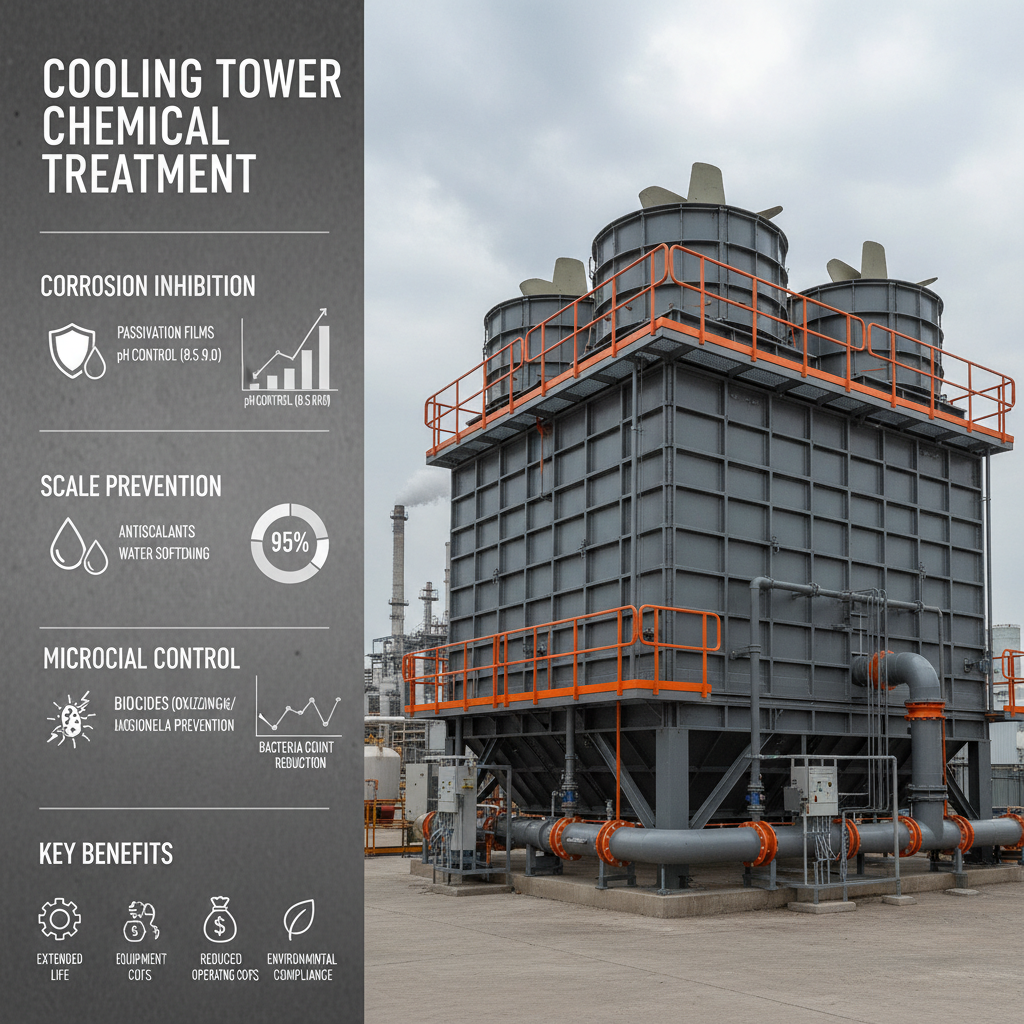
Let’s be clear: water chemistry isn’t glamorous. But it is essential. It’s the difference between a cooling tower humming along efficiently for decades and one seized up with scale in a couple of years. The core of cooling tower chemical treatment revolves around three main areas: scale inhibition, corrosion control, and microbiological control. Scale inhibitors prevent the precipitation of minerals like calcium carbonate and magnesium silicate, which form deposits that reduce heat transfer. Corrosion inhibitors protect metal surfaces from the corrosive effects of water and dissolved oxygen. And biocides, well, they keep the biological slime at bay.
The best approach isn’t just dumping chemicals in and hoping for the best. It's a tailored program, based on regular water analysis, understanding the tower’s materials of construction, and adjusting the treatment regime to suit the specific operating conditions. You wouldn’t use the same concrete mix for a skyscraper as you would for a patio, and you shouldn’t use a one-size-fits-all approach to cooling tower water treatment.
Global Relevance and Industry Context
Cooling towers are ubiquitous. You’ll find them at power plants – nuclear, coal, gas – providing the crucial cooling for steam turbines. Refineries rely on them to condense process streams. Chemical plants, data centers, even large hospitals – they all need effective cooling. In regions experiencing rapid industrialization, like Southeast Asia and parts of Africa, the demand for cooling tower chemical treatment is particularly acute. They're building capacity at a phenomenal rate, and keeping those systems running reliably is paramount.
The increasing focus on water conservation also plays a significant role. Many facilities are now implementing closed-loop cooling systems to minimize water usage. However, even these systems require careful chemical treatment to maintain water quality and prevent corrosion and fouling. The regulations are getting tighter too. Everyone is under scrutiny to reduce discharge of harmful chemicals, which pushes companies toward more environmentally friendly treatment options.
From a purely economic standpoint, the cost of not treating cooling tower water far outweighs the expense of a well-designed treatment program. Reduced efficiency, increased maintenance, premature equipment failure – these add up quickly. A proactive approach saves money in the long run, and that's something management understands, regardless of location.
Defining cooling tower chemical treatment
Simply put, cooling tower chemical treatment is the process of adding specific chemical compounds to the circulating water within a cooling tower to prevent or minimize problems like scale formation, corrosion, and biological growth. It’s not about sterilizing the water; it’s about maintaining a balanced chemical environment that protects the system's components.
This connects directly to modern industrial needs. Imagine a massive data center – the backbone of our digital world. Its servers generate immense heat. If the cooling system fails, the entire operation grinds to a halt. Reliable cooling, ensured through proper chemical treatment, isn’t just about efficiency, it’s about business continuity. And, of course, it extends to humanitarian needs, as reliable power generation – often dependent on cooling towers – is crucial for hospitals, water treatment plants, and emergency services.
It’s also about sustainability. Properly treated cooling water reduces the need for frequent system cleaning and allows for higher cycles of concentration, meaning less water is wasted. In areas facing water scarcity, this is a huge benefit. It's not just about keeping things running; it's about doing it responsibly.
Key Components of Effective Treatment
There are several key aspects to a successful cooling tower chemical treatment program. First, is the initial water analysis. You need to know what you're starting with - the water's hardness, pH, alkalinity, and the presence of any contaminants. This baseline determines the treatment program's specifics.
Second, scale control is paramount. Scale inhibitors, like polyphosphates or polymers, prevent mineral deposits from forming on heat transfer surfaces. Third, corrosion control requires a careful selection of corrosion inhibitors, often based on phosphate, molybdate, or azole chemistries. The right inhibitor depends on the tower’s metallurgy. Fourth, microbiological control, achieved through biocides like chlorine, bromine, or non-oxidizing biocides, prevents the growth of algae and bacteria, which can foul the system and reduce efficiency.
Cooling Tower Chemical Treatment Effectiveness
Global Applications and Use Cases
You'll see cooling tower chemical treatment implemented across a massive range of industries. Power generation, as mentioned, is a huge consumer, particularly in regions with large thermal power plants. Refineries and petrochemical facilities rely heavily on these systems. The food and beverage industry uses cooling towers for process cooling and refrigeration. Even large data centers, which are popping up everywhere, require robust chemical treatment programs to keep their servers running cool.
In post-disaster relief operations, ensuring the availability of clean and reliable cooling can be critical for maintaining hospitals and providing essential services. In remote industrial zones, where water resources are limited and environmental regulations are strict, optimizing cooling tower performance through chemical treatment is vital.
We've worked on projects in the Middle East where water is incredibly scarce. The focus isn't just on preventing scaling and corrosion; it's on maximizing water reuse and minimizing discharge. That requires highly specialized treatment programs and constant monitoring.
Advantages and Long-Term Value
The advantages of a well-managed cooling tower chemical treatment program are tangible and significant. Reduced energy consumption is a major benefit – clean heat transfer surfaces mean the tower operates more efficiently. Lower maintenance costs are another, as preventing scale and corrosion minimizes the need for costly repairs and replacements. And, of course, increased equipment lifespan translates to substantial savings over the long term.
But the value extends beyond just the financial. A reliable cooling system contributes to operational safety and reduces the risk of unexpected downtime. It supports sustainability efforts by minimizing water usage and reducing the environmental impact of chemical discharge. It builds trust with stakeholders, demonstrating a commitment to responsible operations.
Future Trends and Innovations
The field of cooling tower chemical treatment is evolving. We're seeing increased adoption of green chemistry principles, with a move towards more environmentally friendly biocides and corrosion inhibitors. Digitalization is also playing a role, with the development of sophisticated monitoring and control systems that automate treatment adjustments based on real-time data.
The rise of predictive analytics, powered by machine learning, is another exciting trend. These systems can analyze historical data and operating conditions to predict potential problems before they occur, allowing for proactive intervention. We’re also seeing advancements in membrane technology for water purification and reuse, which can further reduce water consumption and minimize discharge.
Challenges and Solutions
One of the biggest challenges is dealing with increasingly complex water chemistries, particularly in regions with limited water resources. The use of reclaimed water, for example, can introduce contaminants that interfere with treatment programs. Another challenge is ensuring compliance with ever-tightening environmental regulations.
The solution lies in a more holistic approach. It’s not just about the chemicals you add; it’s about understanding the entire water cycle, optimizing system design, and implementing robust monitoring and control systems. Collaboration between chemical suppliers, engineers, and operators is crucial. And embracing new technologies, like digital twins and advanced analytics, can provide valuable insights and improve decision-making.
There is also a need to focus more on training. Many operators lack a thorough understanding of water chemistry and the principles of cooling tower treatment. Providing comprehensive training programs is essential for ensuring that systems are operated safely and efficiently.
Summary of Key Challenges and Solutions in Cooling Tower Chemical Treatment
| Challenge |
Impact on System |
Proposed Solution |
Implementation Cost (1-10) |
| Complex Water Chemistries |
Reduced Treatment Effectiveness |
Advanced Water Analysis & Customized Programs |
6 |
| Stringent Regulations |
Compliance Risks & Penalties |
Environmentally Friendly Chemical Alternatives |
7 |
| Biofouling Resistance |
Reduced Heat Transfer Efficiency |
Optimized Biocide Dosage & Monitoring |
5 |
| Scale Formation |
Reduced Cooling Capacity & Damage |
Effective Scale Inhibitor Selection & Control |
4 |
| Corrosion Issues |
Equipment Failure & Leakage |
Corrosion Inhibitor Programs & Material Compatibility |
8 |
| Operator Skill Gap |
Improper Treatment & Inefficiency |
Comprehensive Training Programs |
3 |
FAQS
The ROI varies based on the facility's size, water quality, and operating conditions, but a well-executed program typically yields a return within 12-24 months. This comes from reduced energy consumption, lower maintenance costs, extended equipment lifespan, and minimized downtime. Savings can range from 5-20% of total cooling system operating costs.
Regular water analysis is crucial. At a minimum, testing should be conducted weekly for key parameters like pH, conductivity, hardness, alkalinity, and microbiological counts. More frequent testing may be necessary during periods of high load or when water quality is fluctuating. A comprehensive program also includes periodic deposit analysis to identify scaling potential.
Yes, absolutely. There’s a growing trend towards “green chemistry” in cooling tower treatment. This includes the use of biodegradable corrosion inhibitors, non-oxidizing biocides, and phosphate-free scale inhibitors. These alternatives can significantly reduce the environmental impact of cooling tower operations while still maintaining effective performance.
Several indicators can signal a problem. These include increasing energy consumption, reduced cooling capacity, visible scale deposits, corrosion on metal surfaces, and the presence of algae or slime in the cooling water. Regular visual inspections and monitoring of key performance indicators are essential for early detection of issues.
The materials of construction – steel, copper, aluminum, etc. – directly influence the selection of corrosion inhibitors. Certain inhibitors are more effective on specific metals and can even be detrimental to others. A thorough understanding of the tower's metallurgy is crucial for designing a compatible and effective treatment program.
Water hardness – primarily calcium and magnesium – is a major contributor to scale formation. Higher hardness levels require more aggressive scale inhibition programs. In some cases, water softening may be necessary to reduce the scaling potential. Effective scale control is critical for maintaining heat transfer efficiency and preventing equipment damage.
Conclusion
Cooling tower chemical treatment isn’t just a technical necessity; it’s a cornerstone of efficient, reliable, and sustainable industrial operations. From maximizing energy efficiency and minimizing water consumption to ensuring equipment longevity and regulatory compliance, the benefits are clear and far-reaching. A proactive, tailored approach – based on thorough water analysis, careful chemical selection, and continuous monitoring – is the key to long-term success.
Looking ahead, the integration of advanced technologies, like predictive analytics and digital twins, will further optimize treatment programs and drive down costs. Embracing green chemistry principles and investing in operator training will also be essential for creating a more sustainable and resilient cooling infrastructure. For those in the field, it’s about more than just chemicals; it’s about understanding the complexities of water, the needs of the operation, and the long-term value of a well-maintained system. Visit our website at cooling tower chemical treatment to learn more.